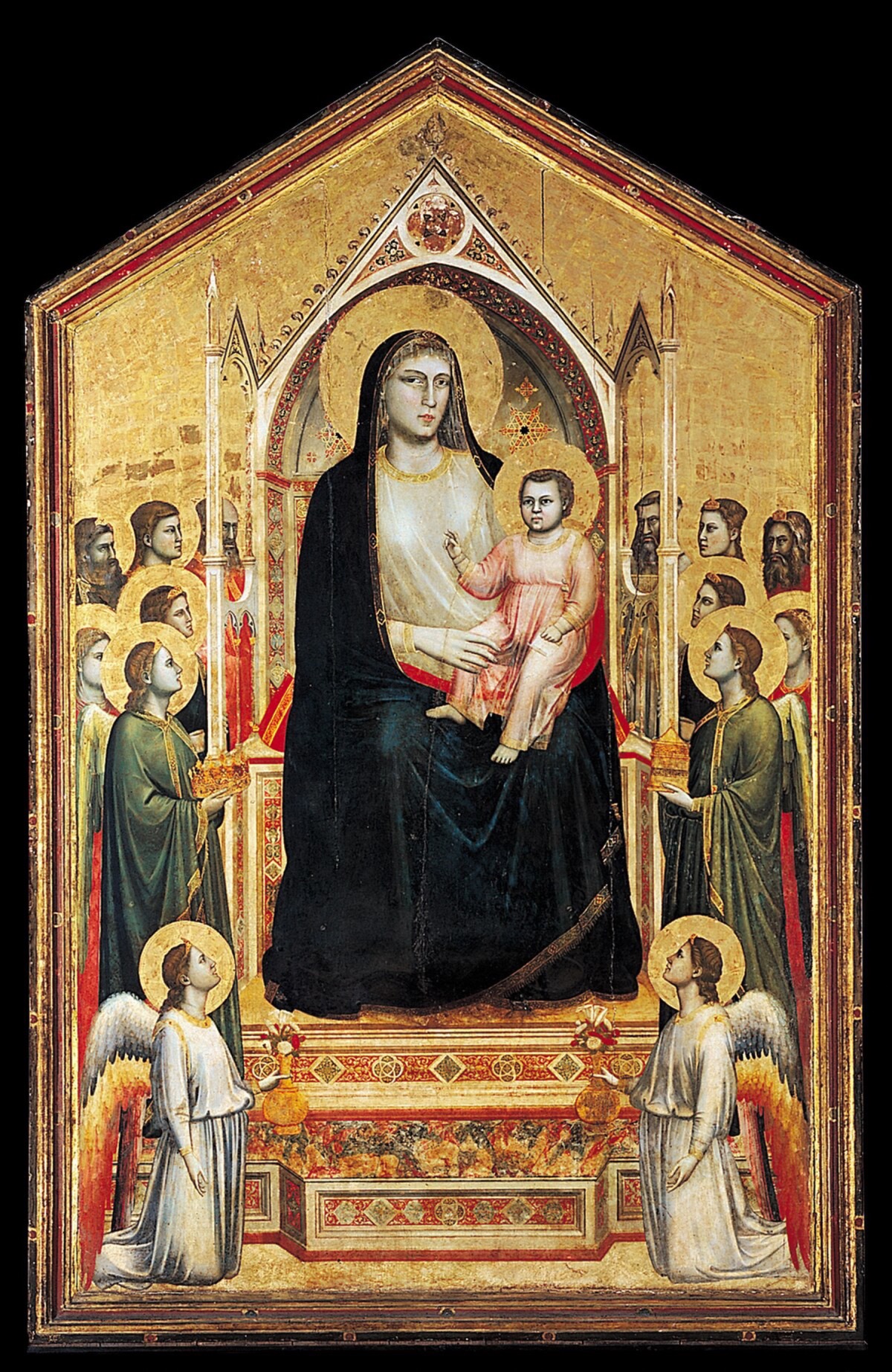


Now the centre.
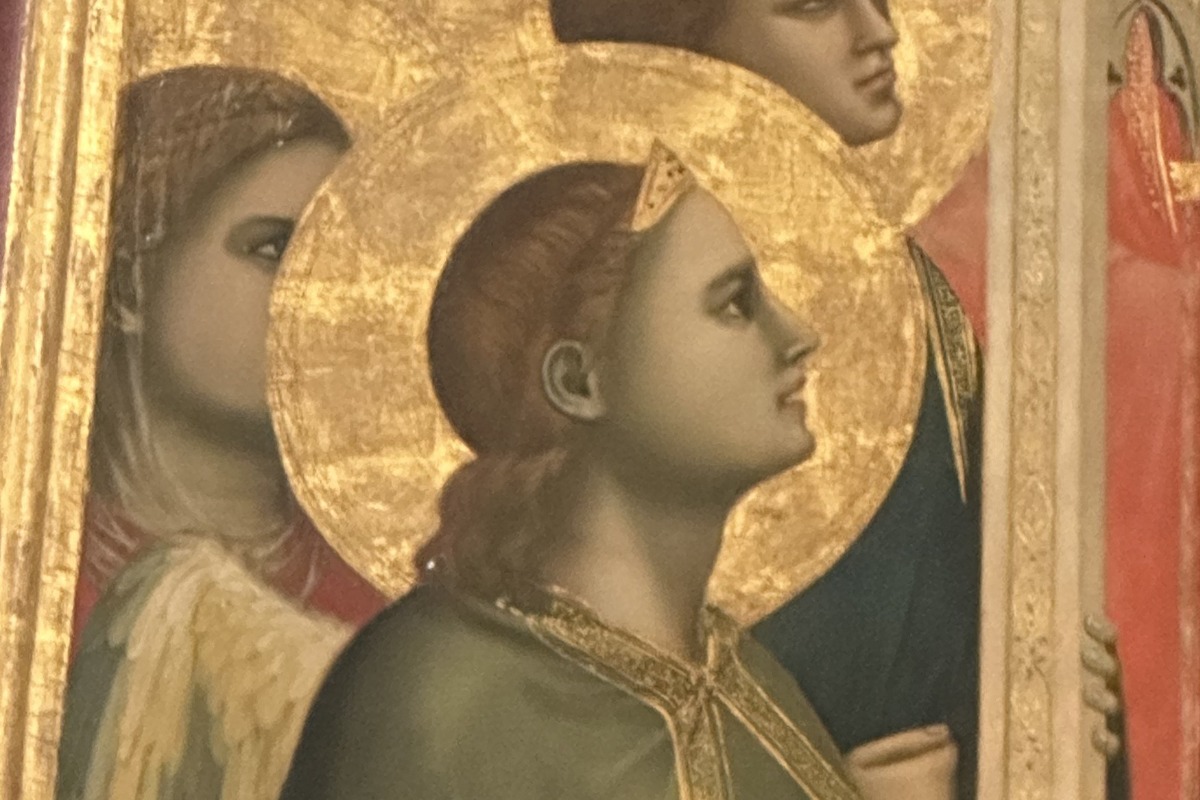
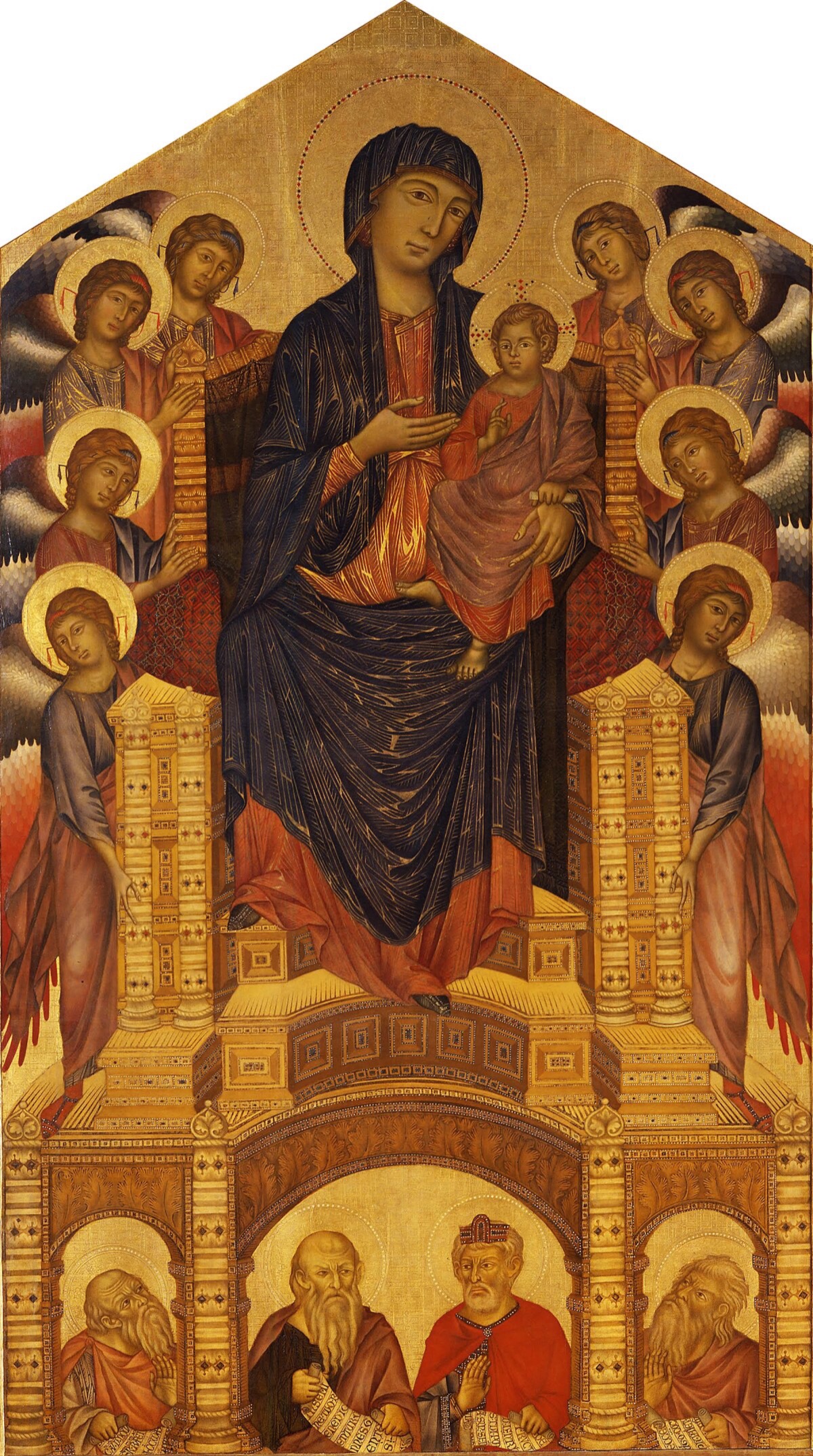
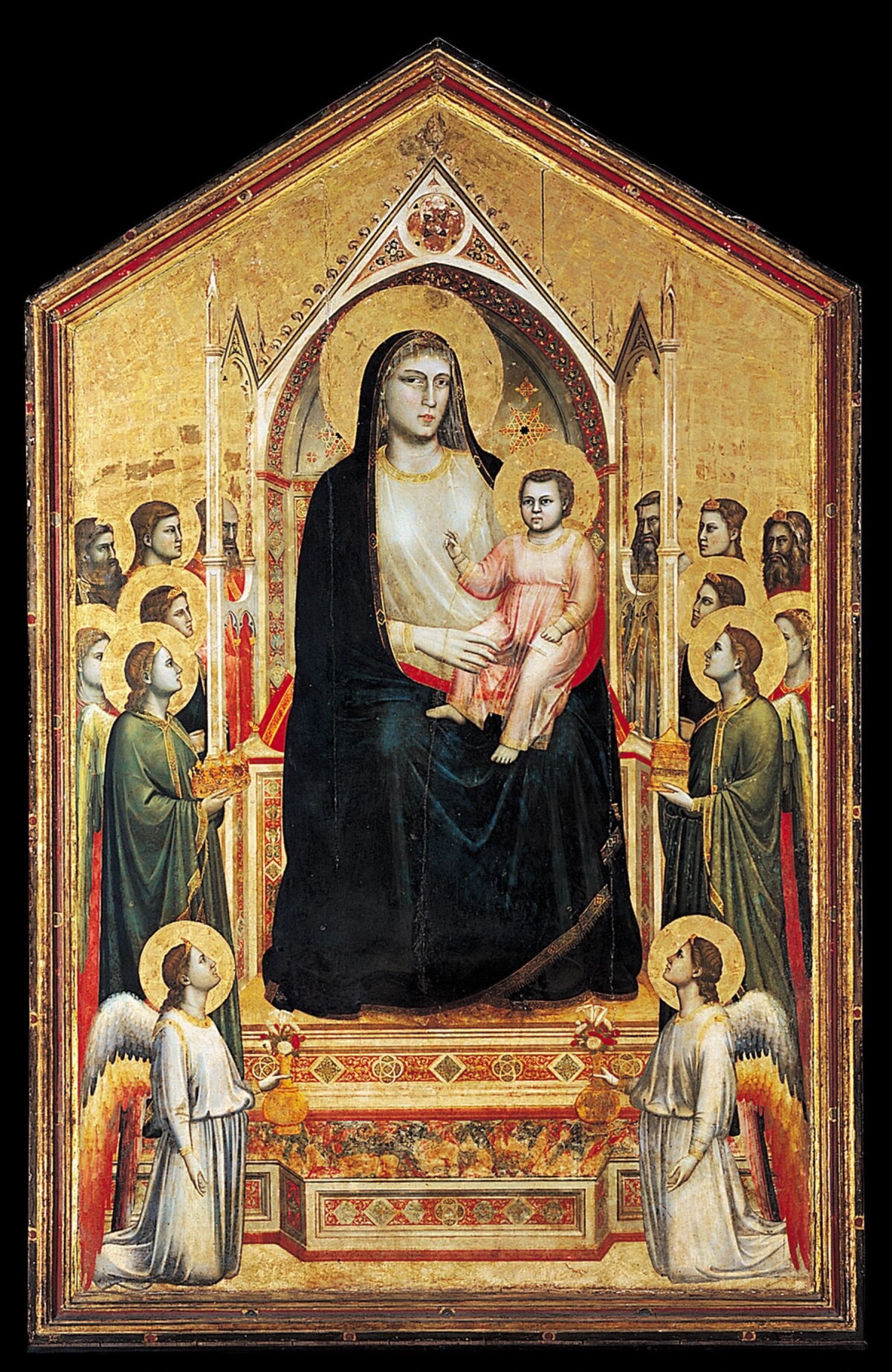
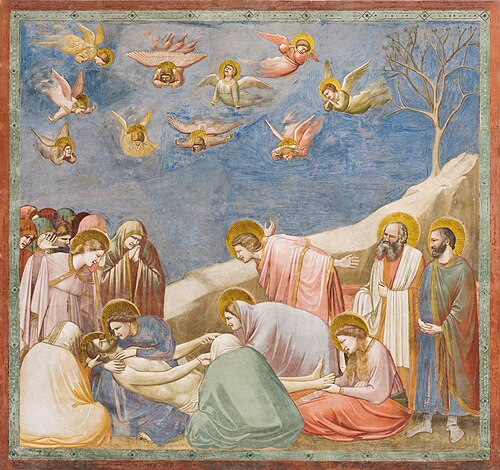
Giotto's Madonna, painted perhaps 20 years after Cimabue's, is where the art historians say the revolution happens - the throne occupies actual space, the angels overlap each other, Mary has hips.
Whether you can feel that difference immediately, standing in the room, is another matter.
The three paintings are hung close together and the changes are subtle; it takes a moment to adjust your eye.
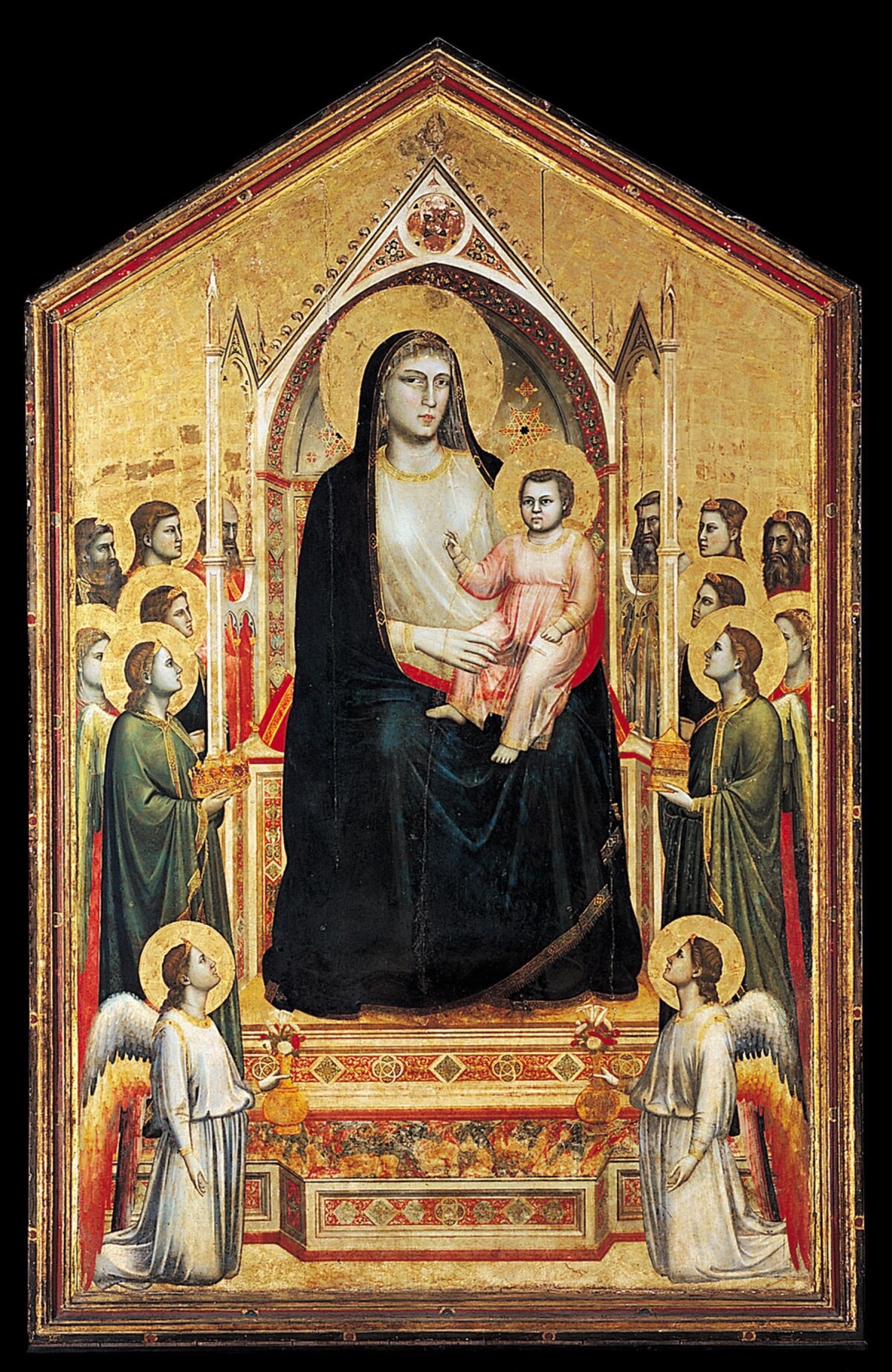
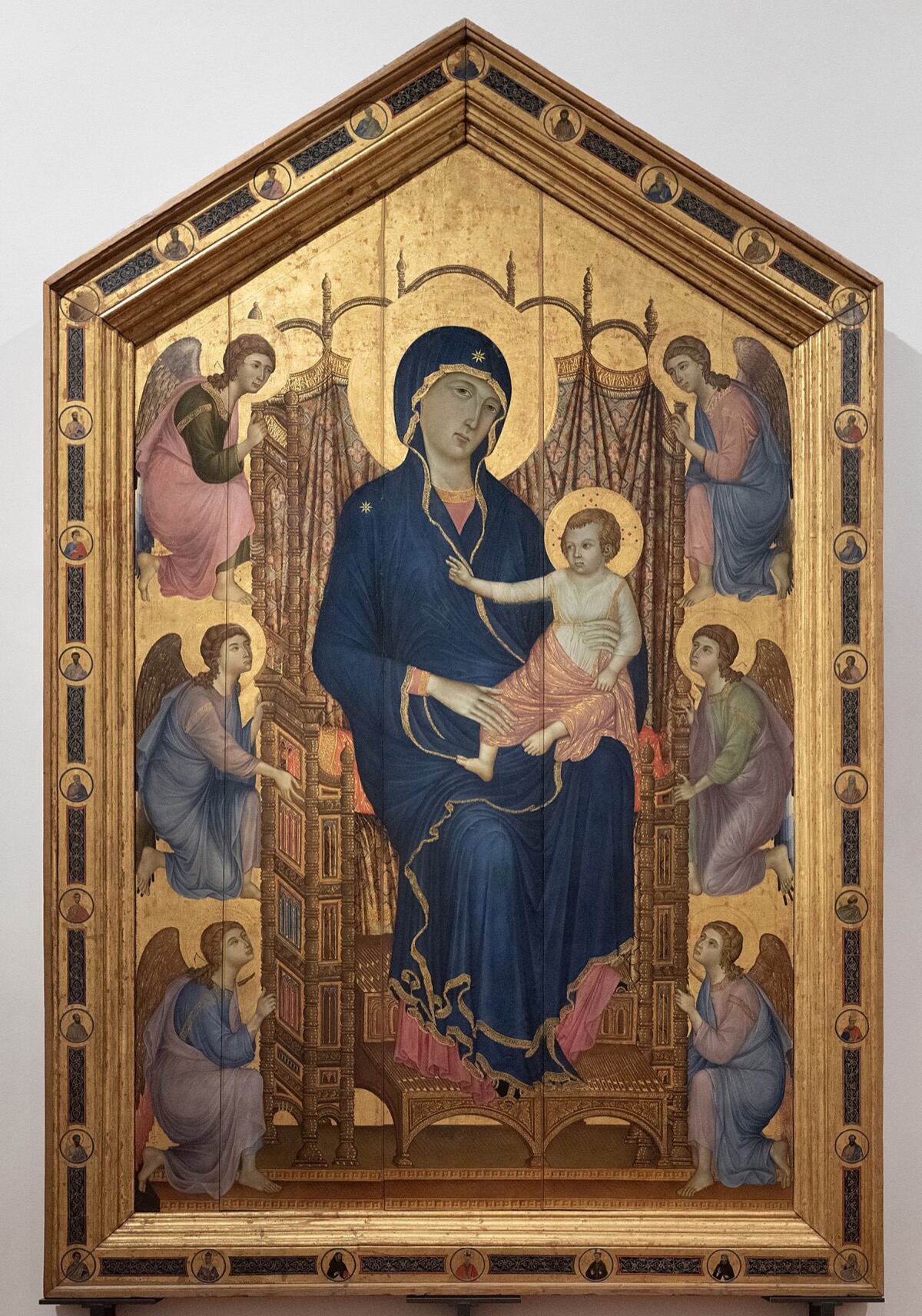
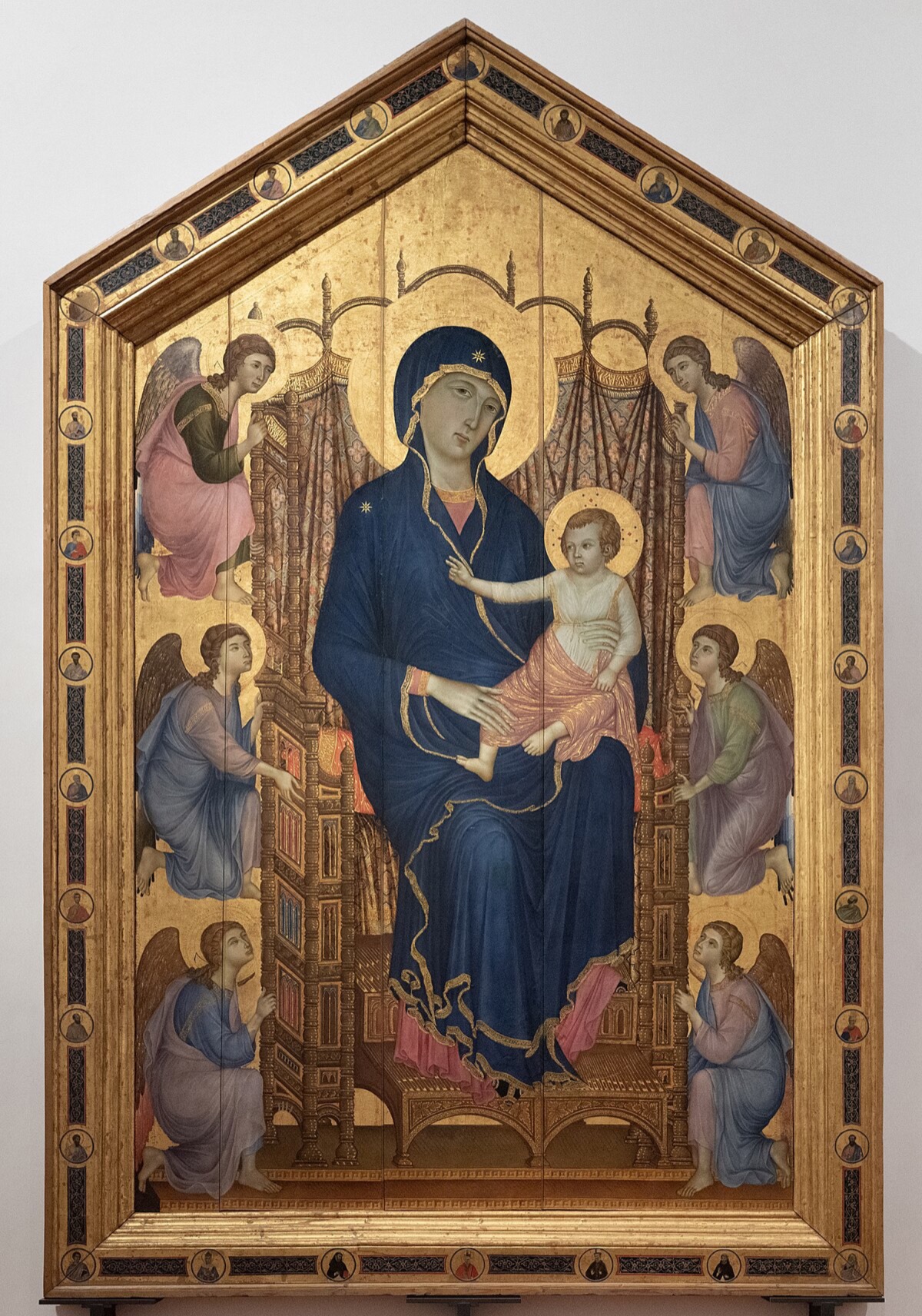
Look at the angels and the way they stack: in Cimabue, they are flat and symmetrical; here, they begin to crowd and overlap, suggesting depth.
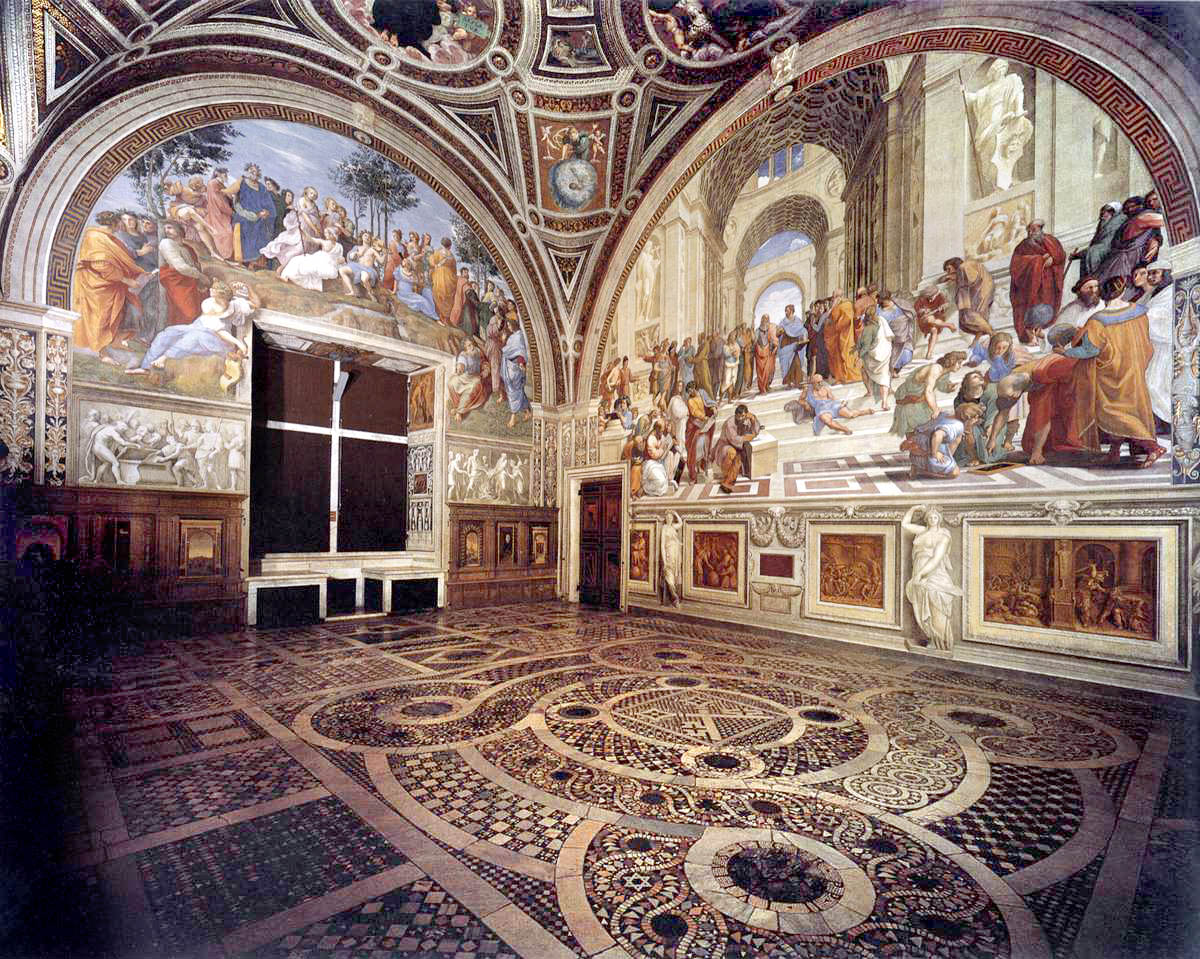
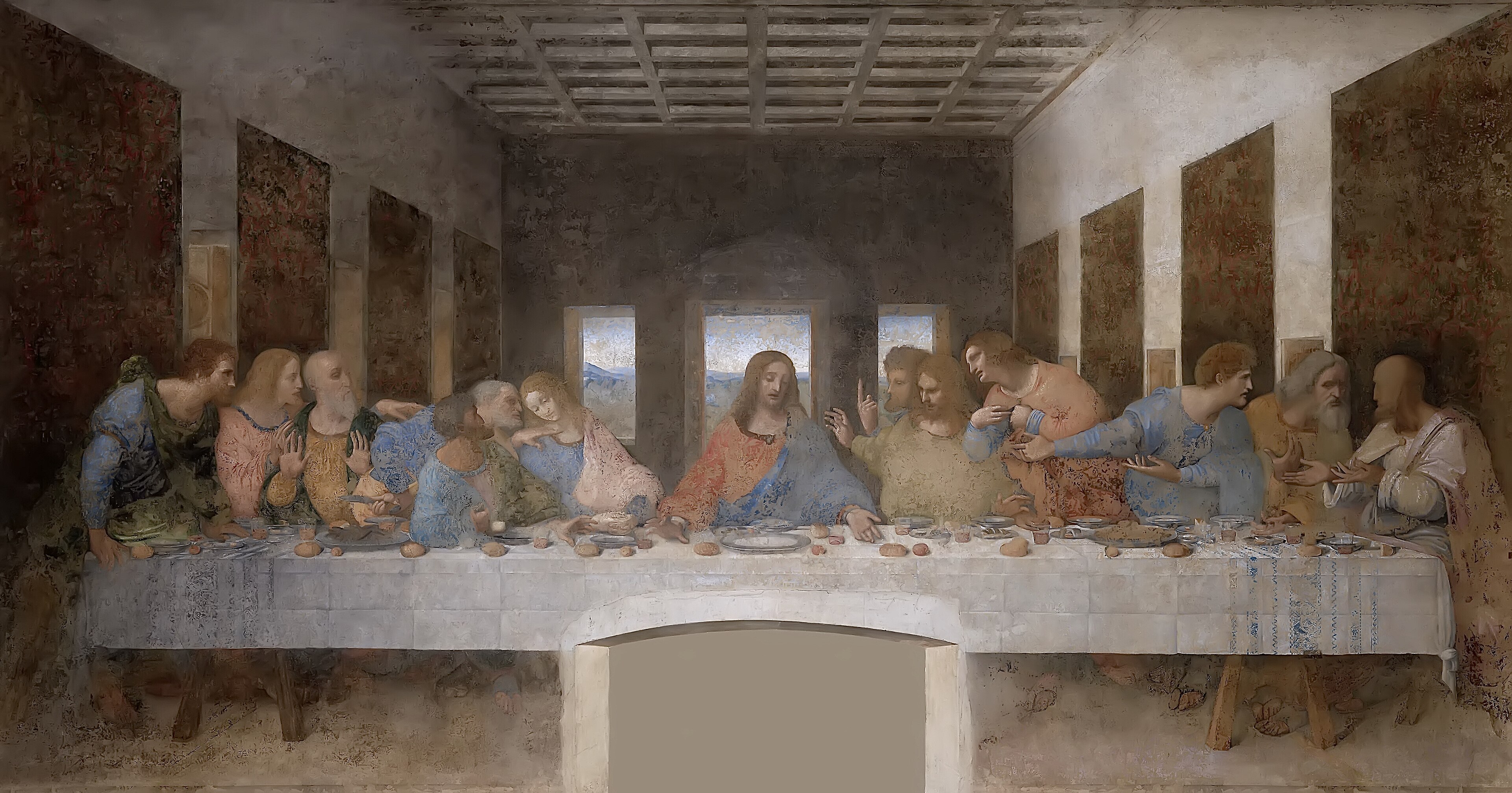
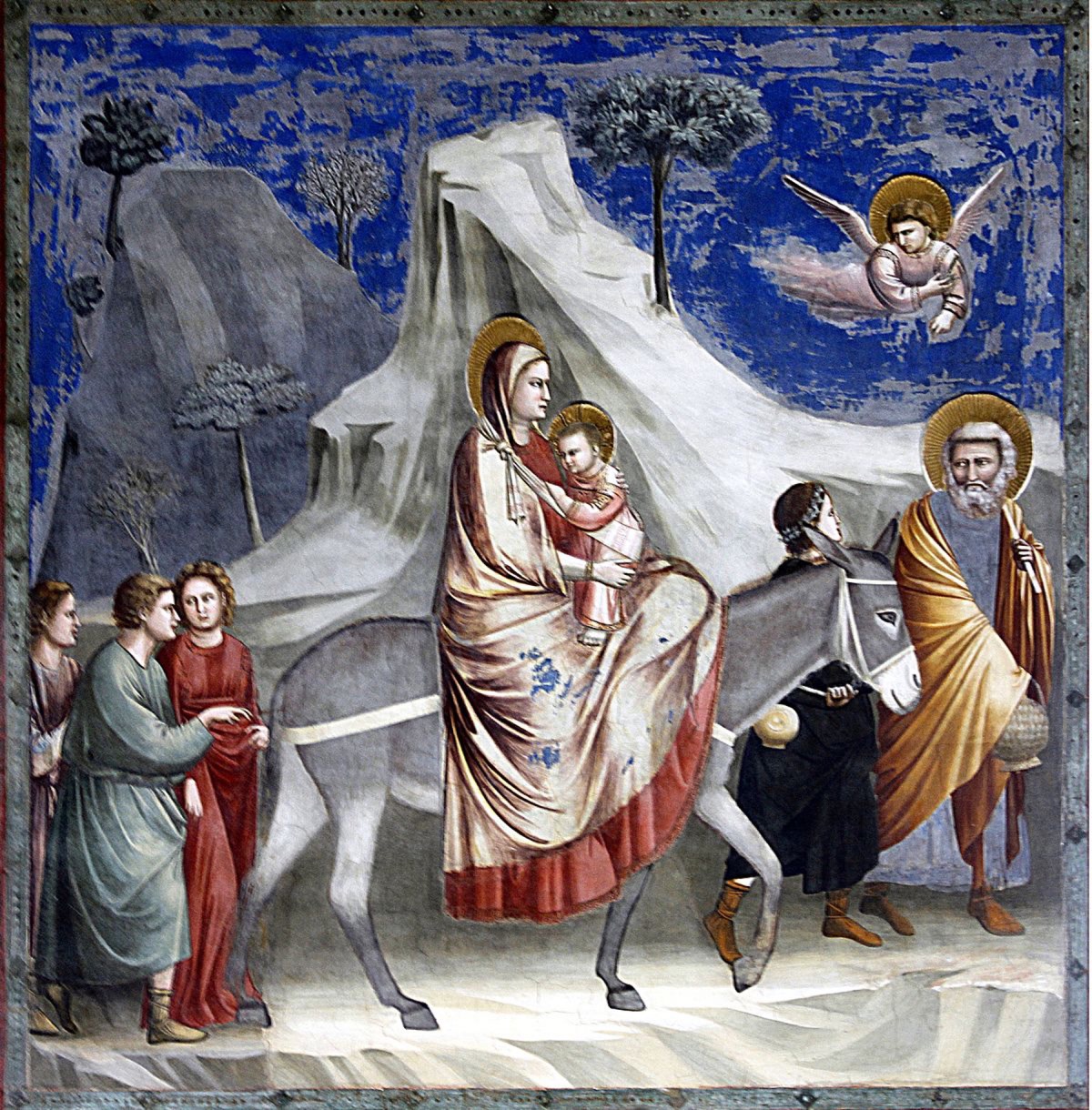
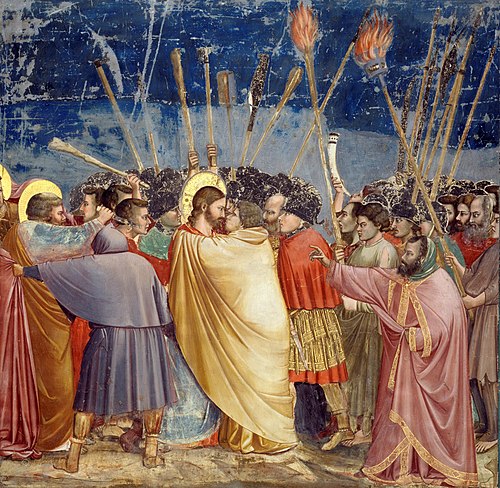
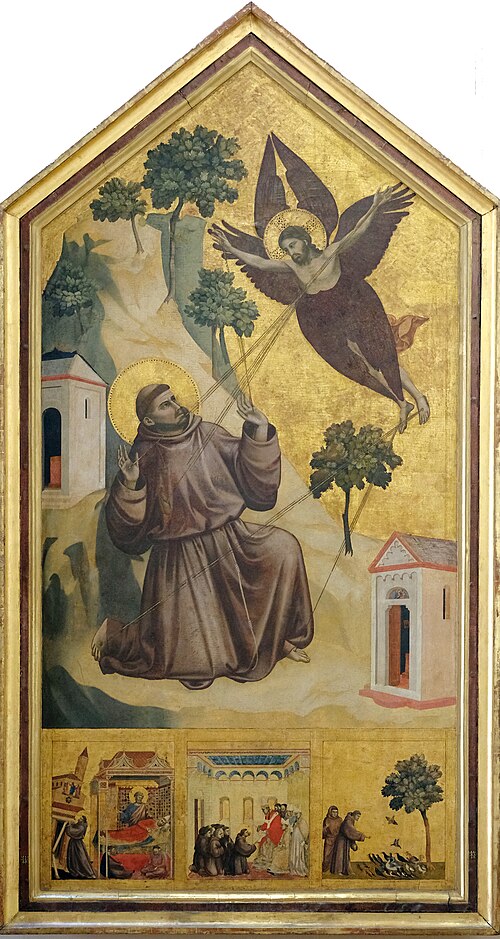
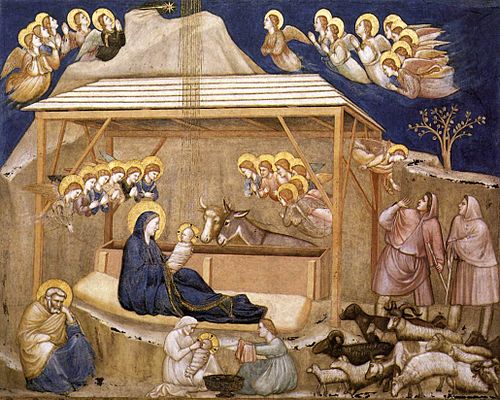
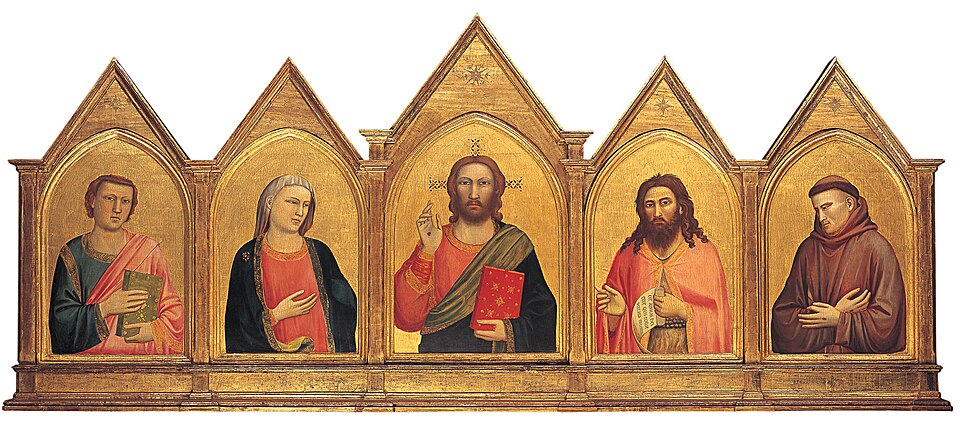
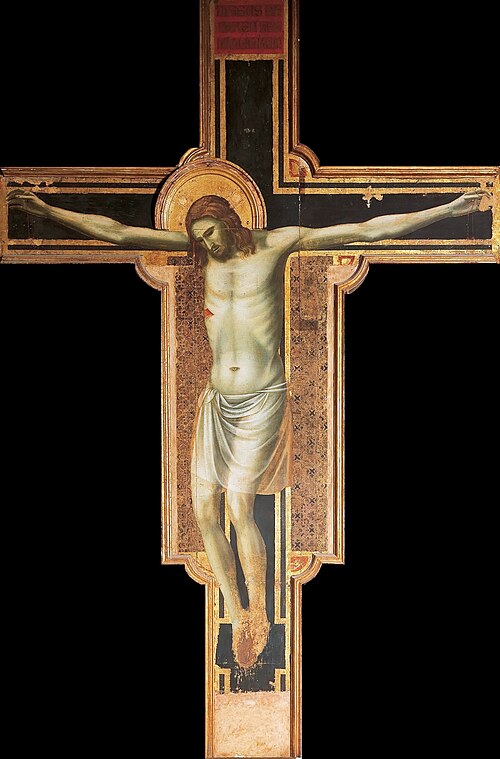
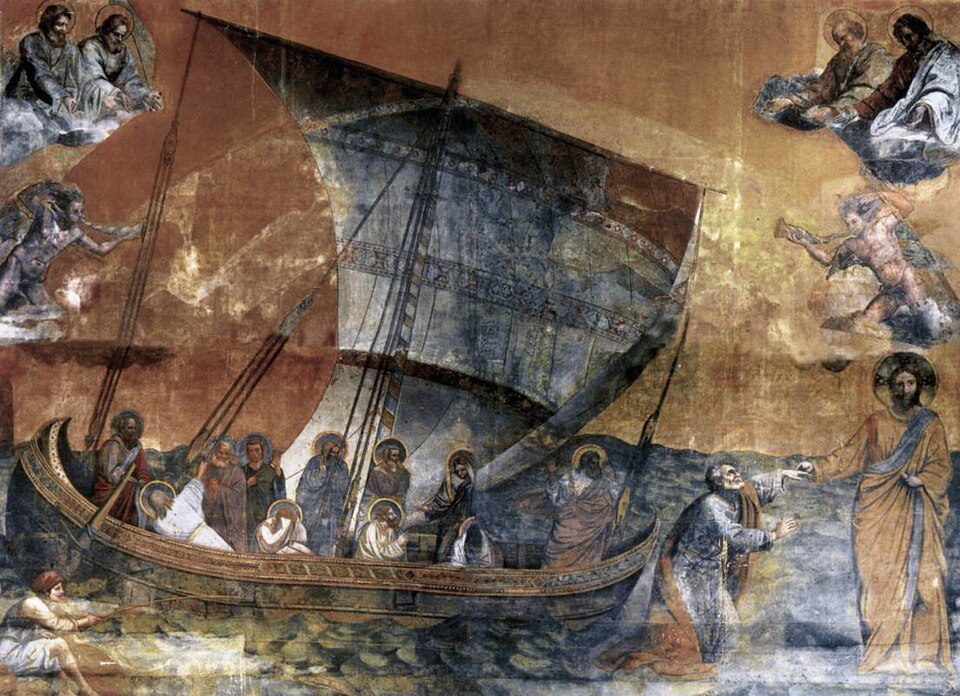
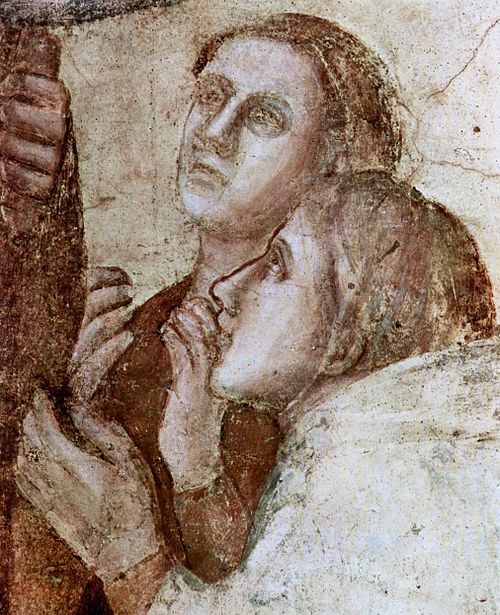
Giotto worked out how to depict the physical world, and in doing so invented a language that would be refined over the next 200 years and culminate in the High Renaissance.
He is the hinge between medieval art and everything that came after it.
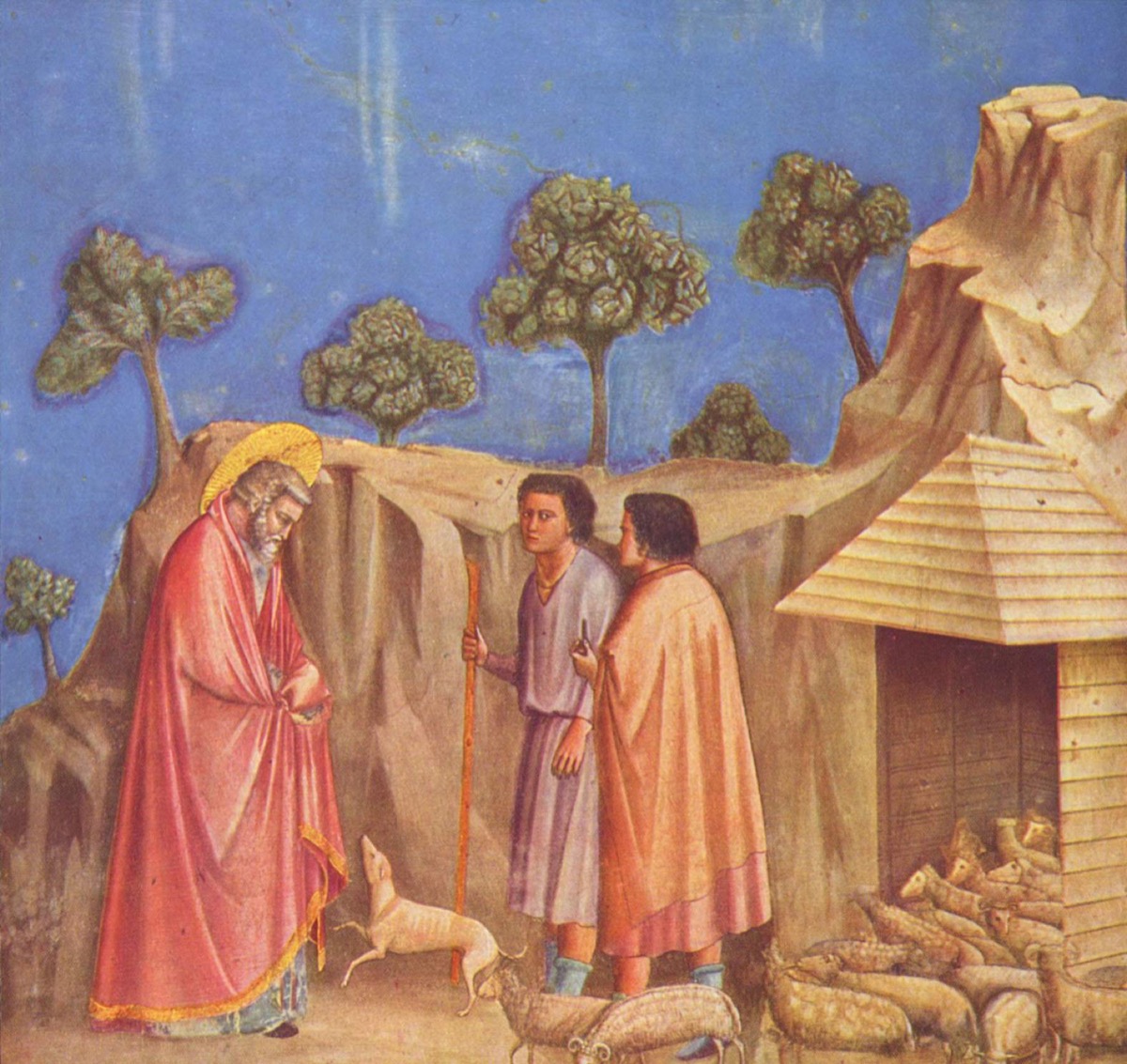
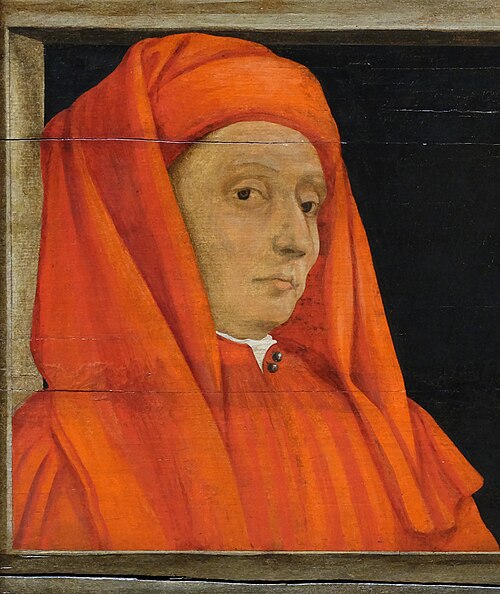
He was also the first European artist since antiquity to be famous as an individual.
Indeed, people didn't commission a Madonna - they commissioned 'a Giotto.'
That concept - the artist as celebrity, the artwork as personal expression - starts here.
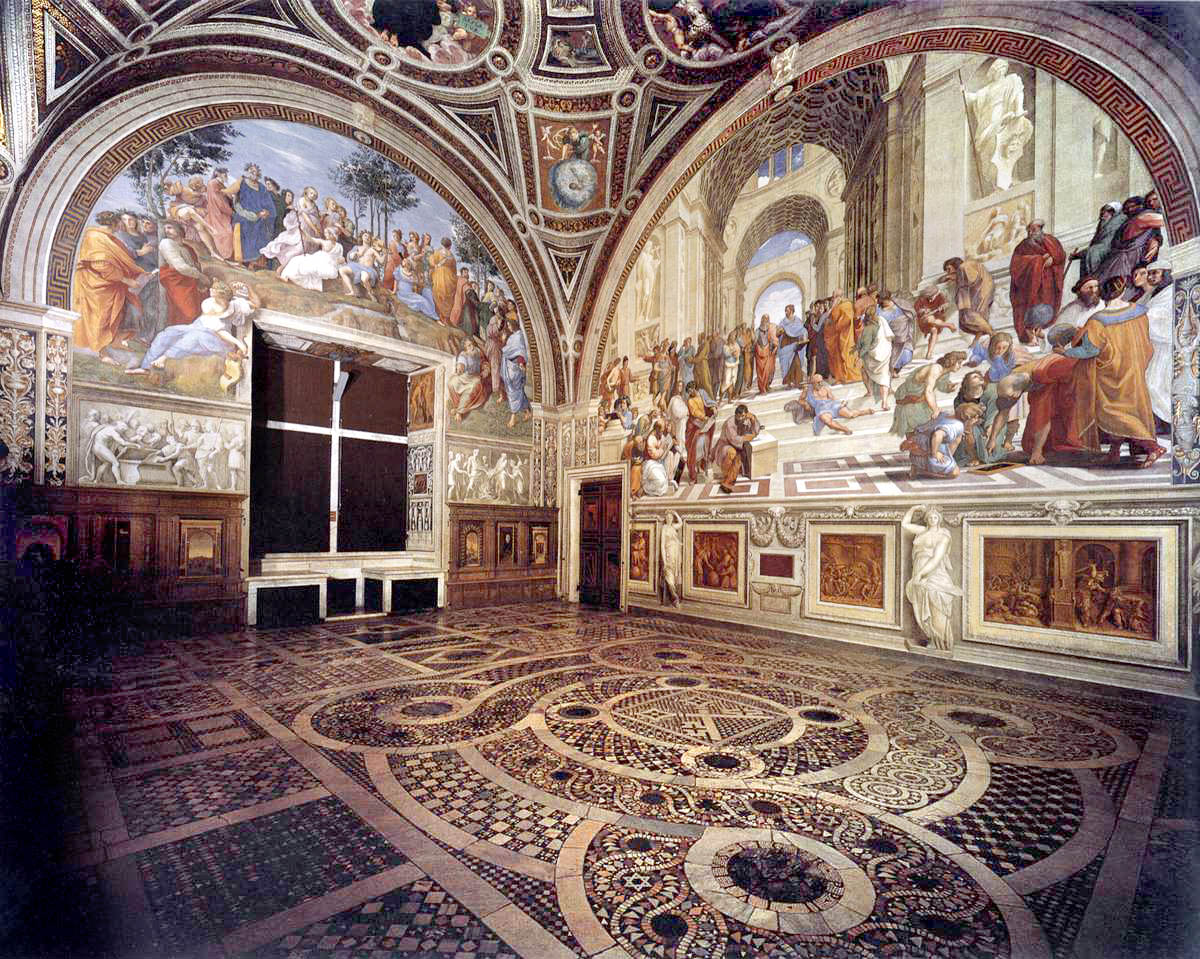
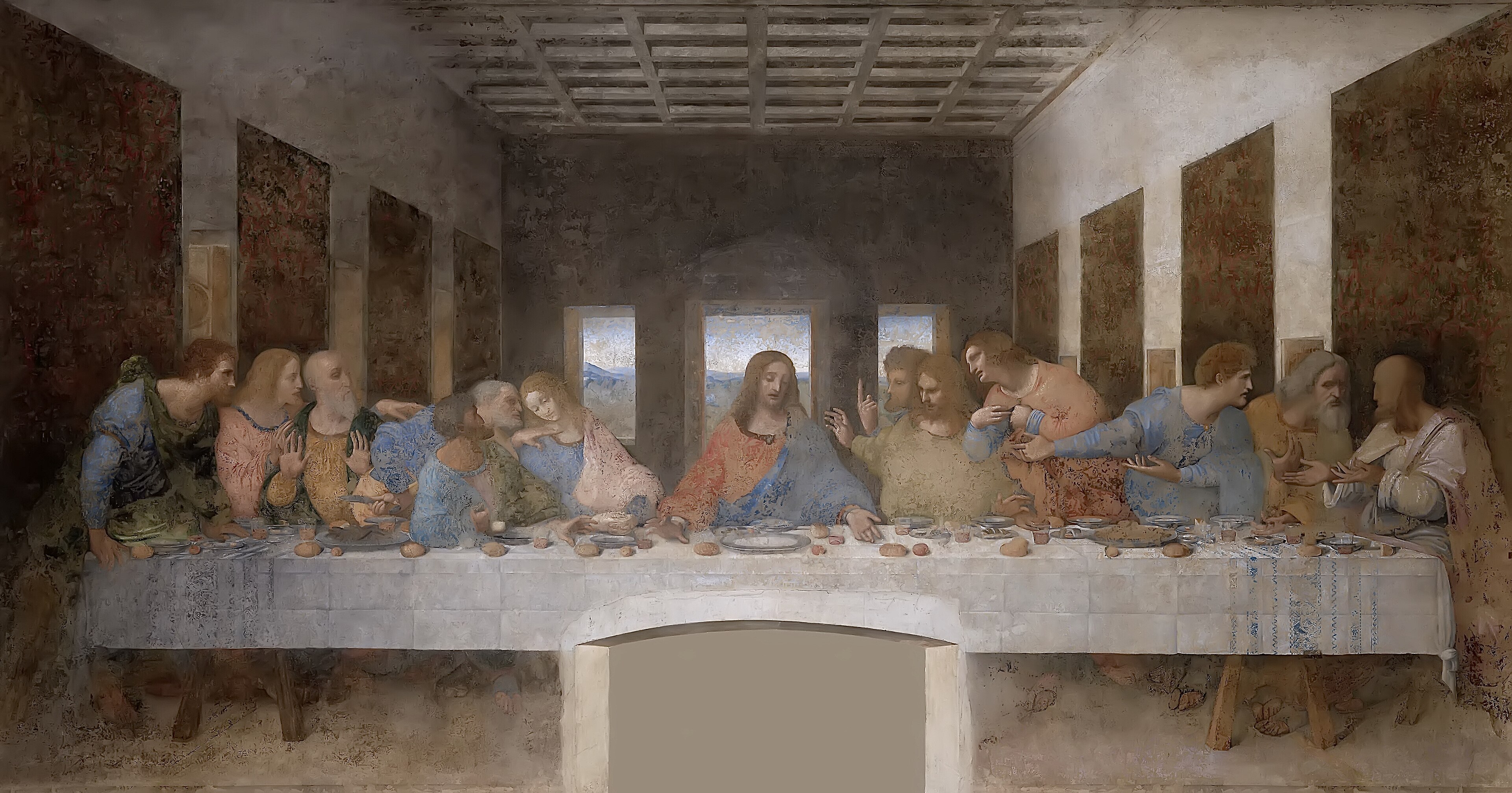
Fun fact: Boccaccio described Giotto as the man who 'brought back to light' an art buried for centuries.
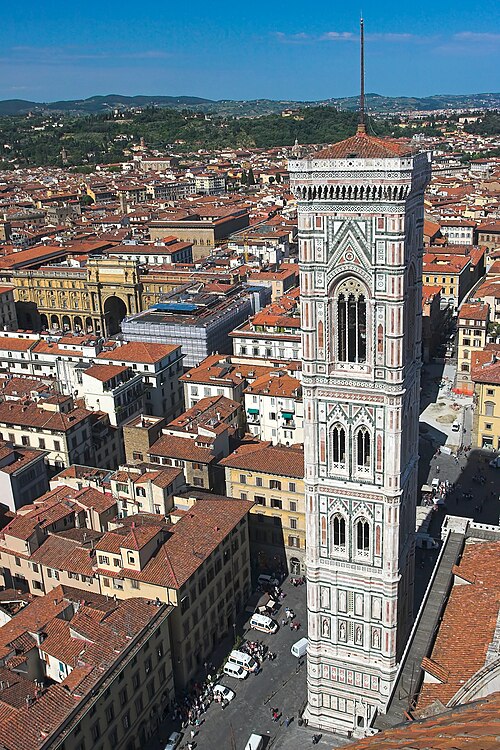
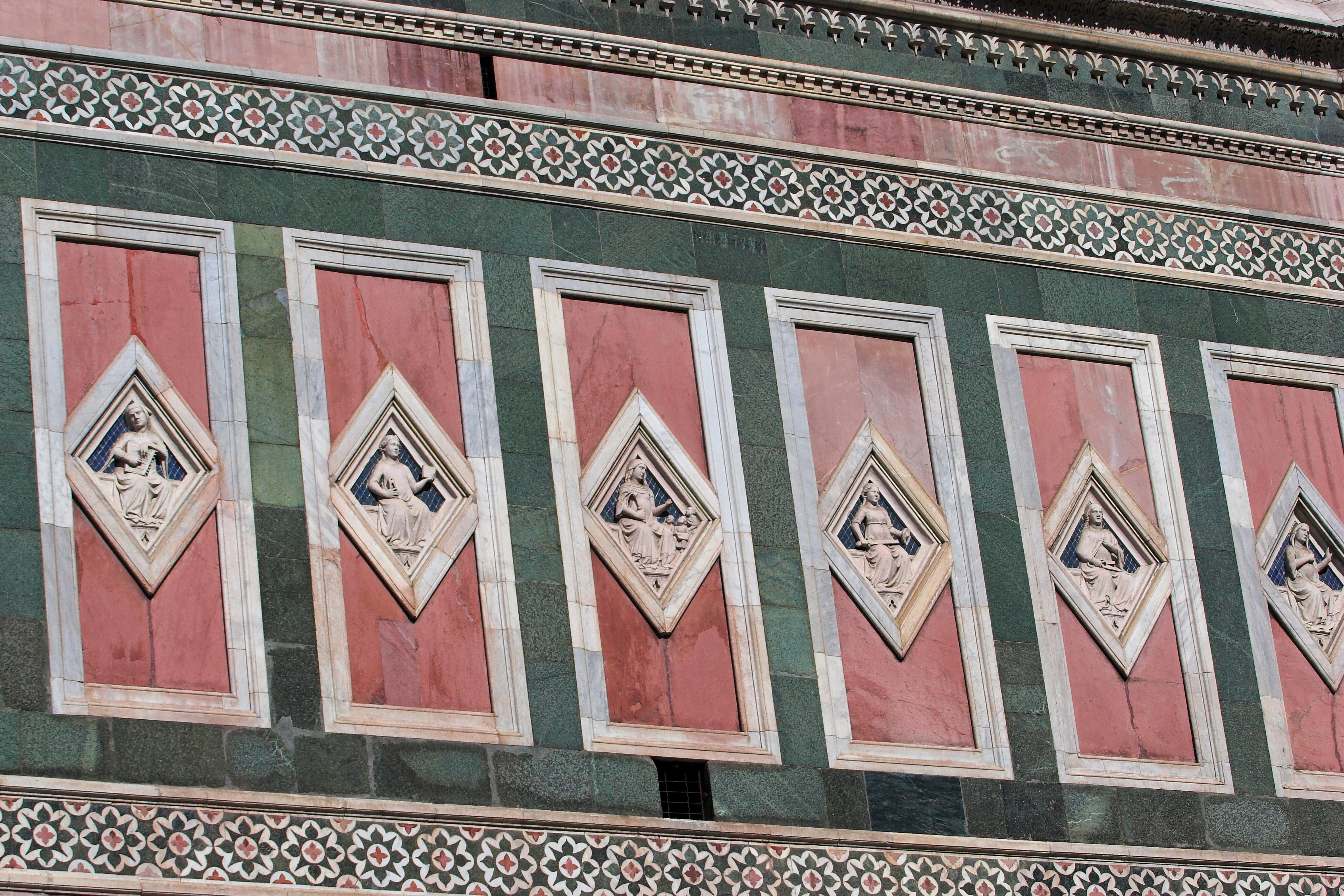
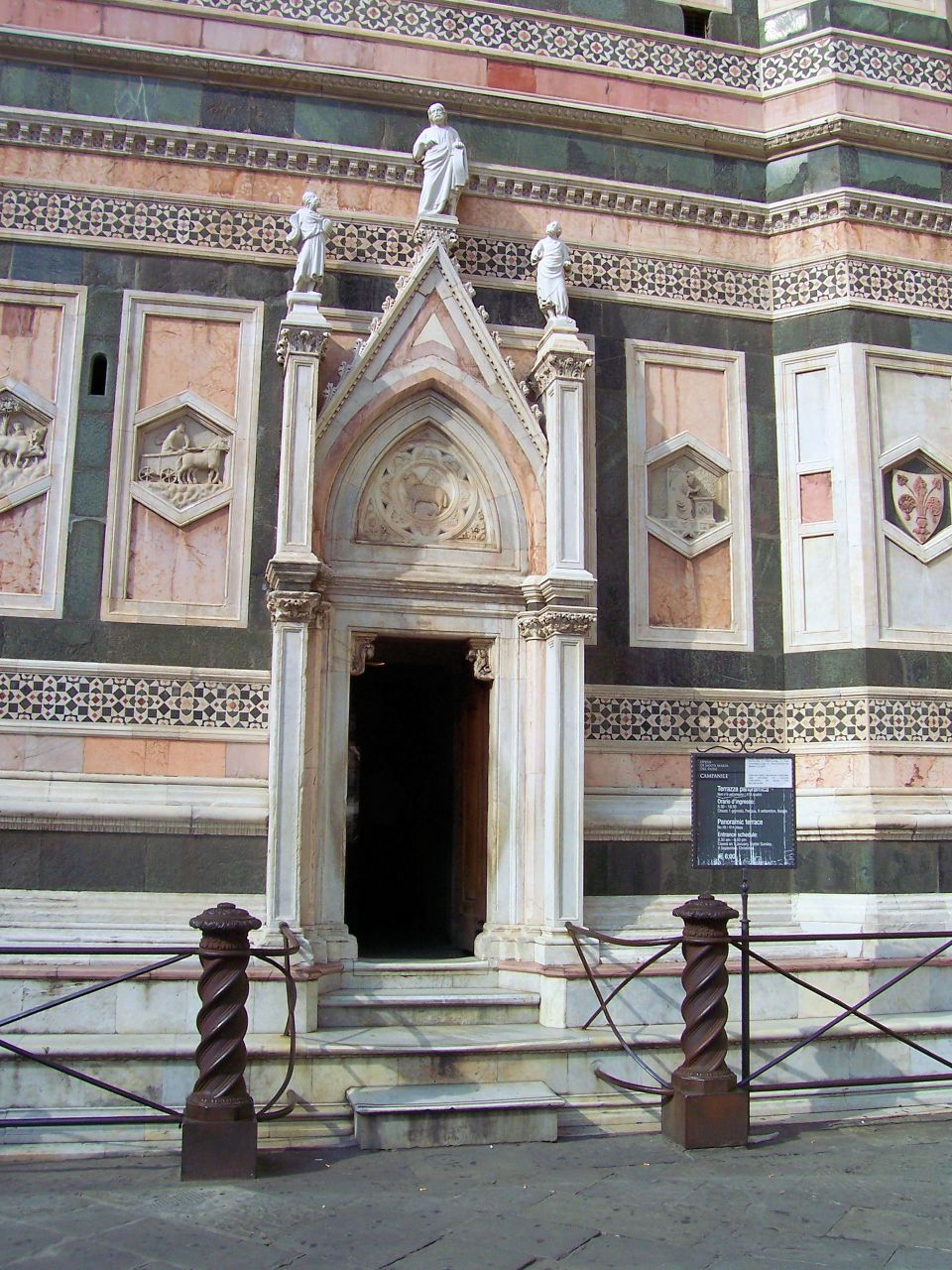
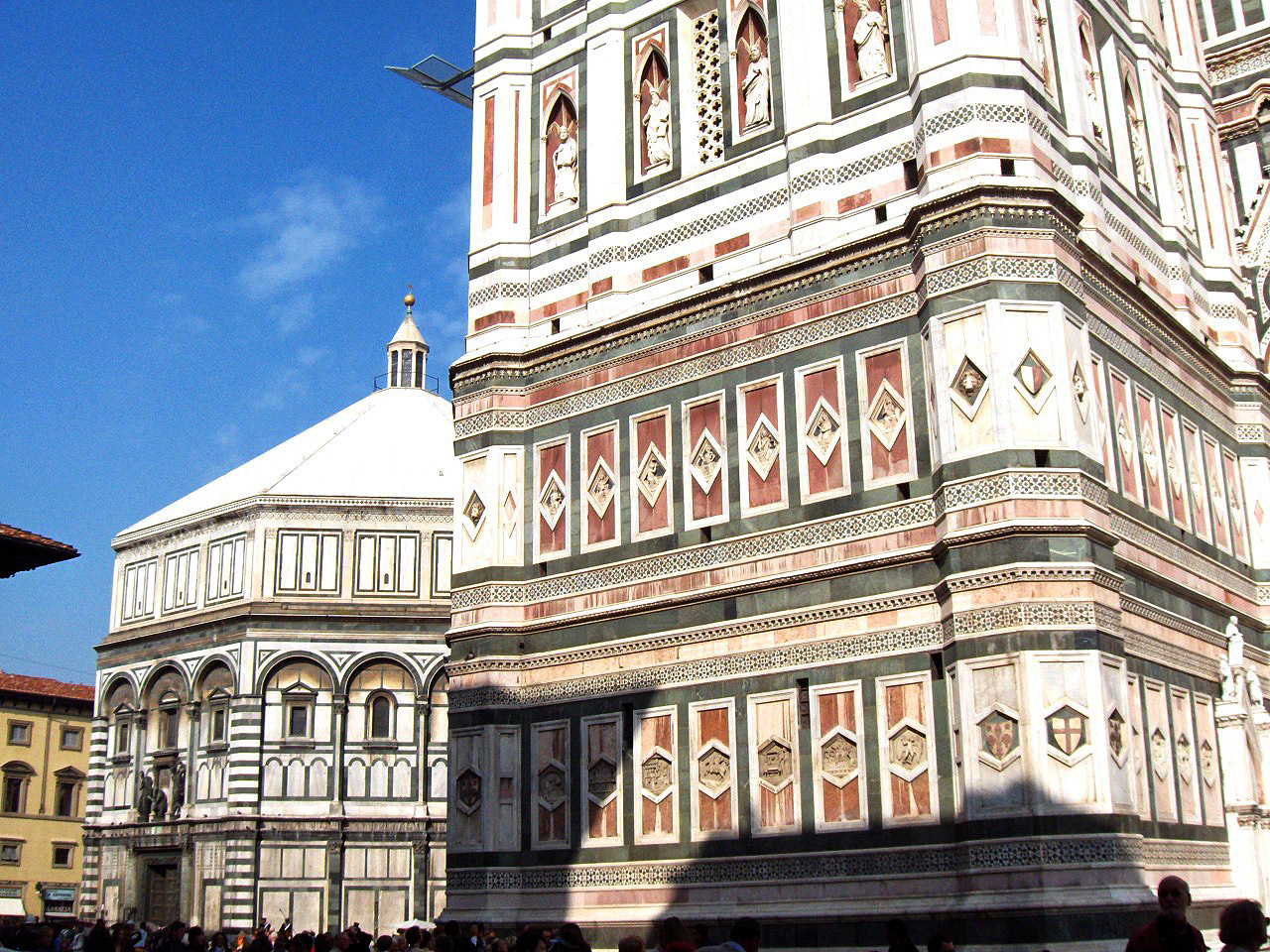
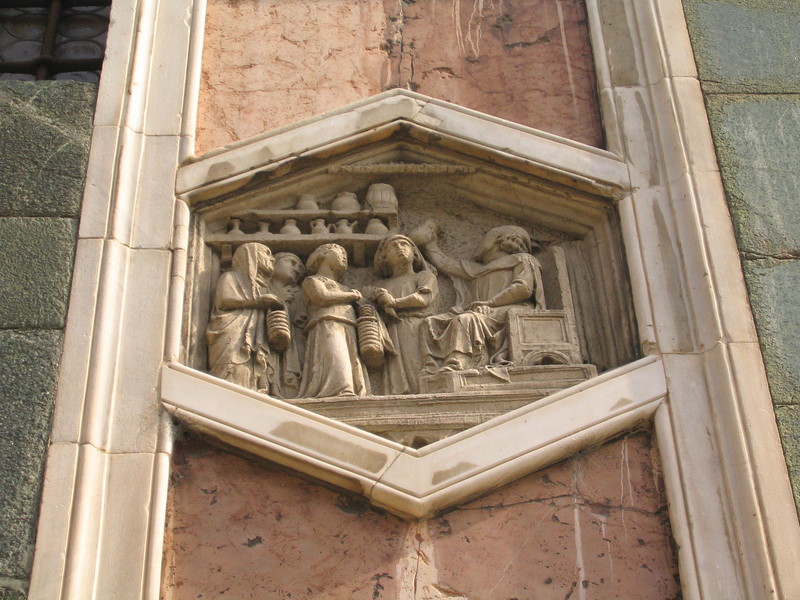
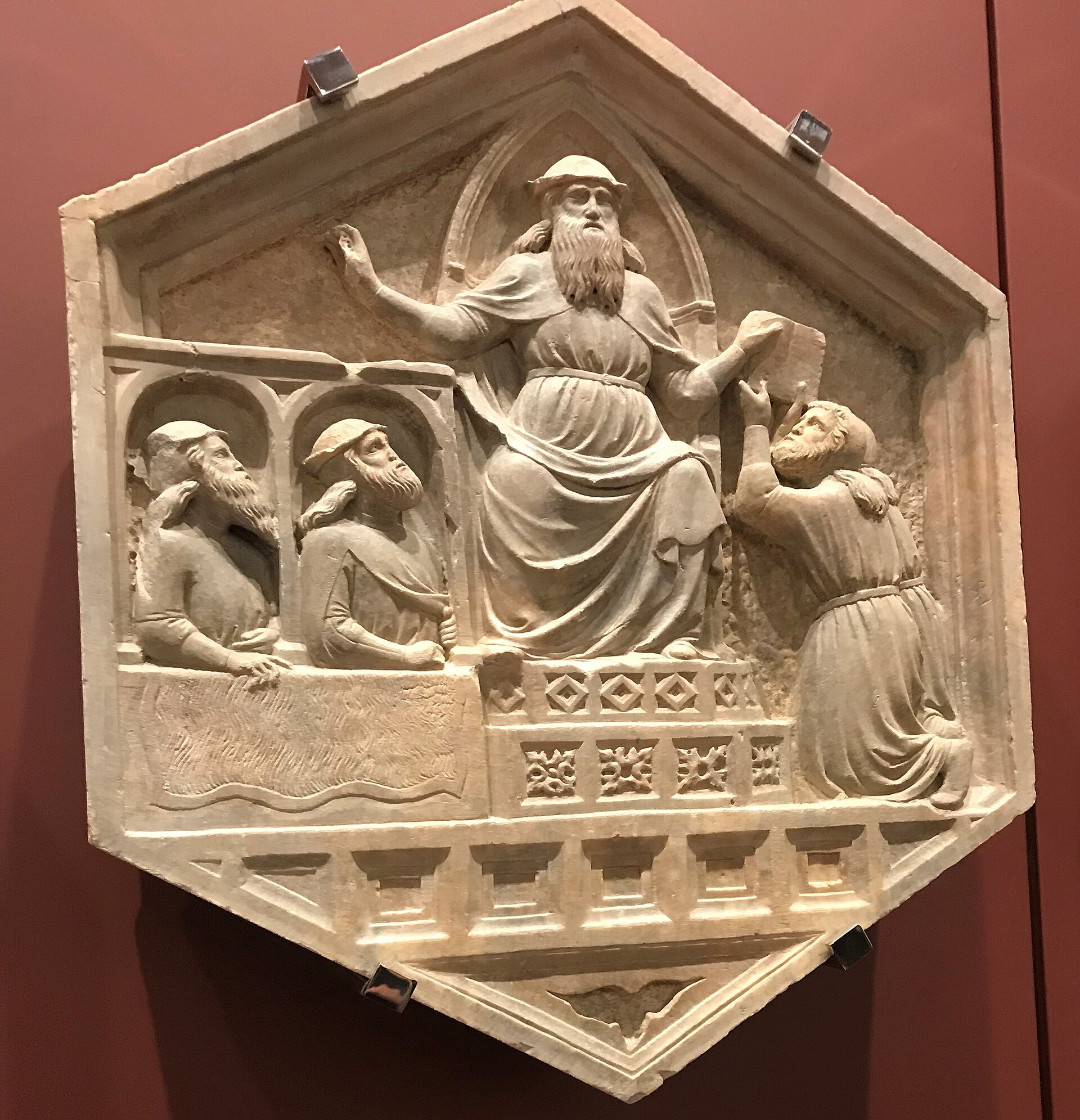
Giotto also designed the campanile beside the Duomo in Florence - appointed Master of Works at 67, he built only the first floor before he died, but the concept was entirely his.
Along with Brunelleschi and Alberti, he is considered one of the founding fathers of Italian Renaissance architecture.
Comments
Loading comments...