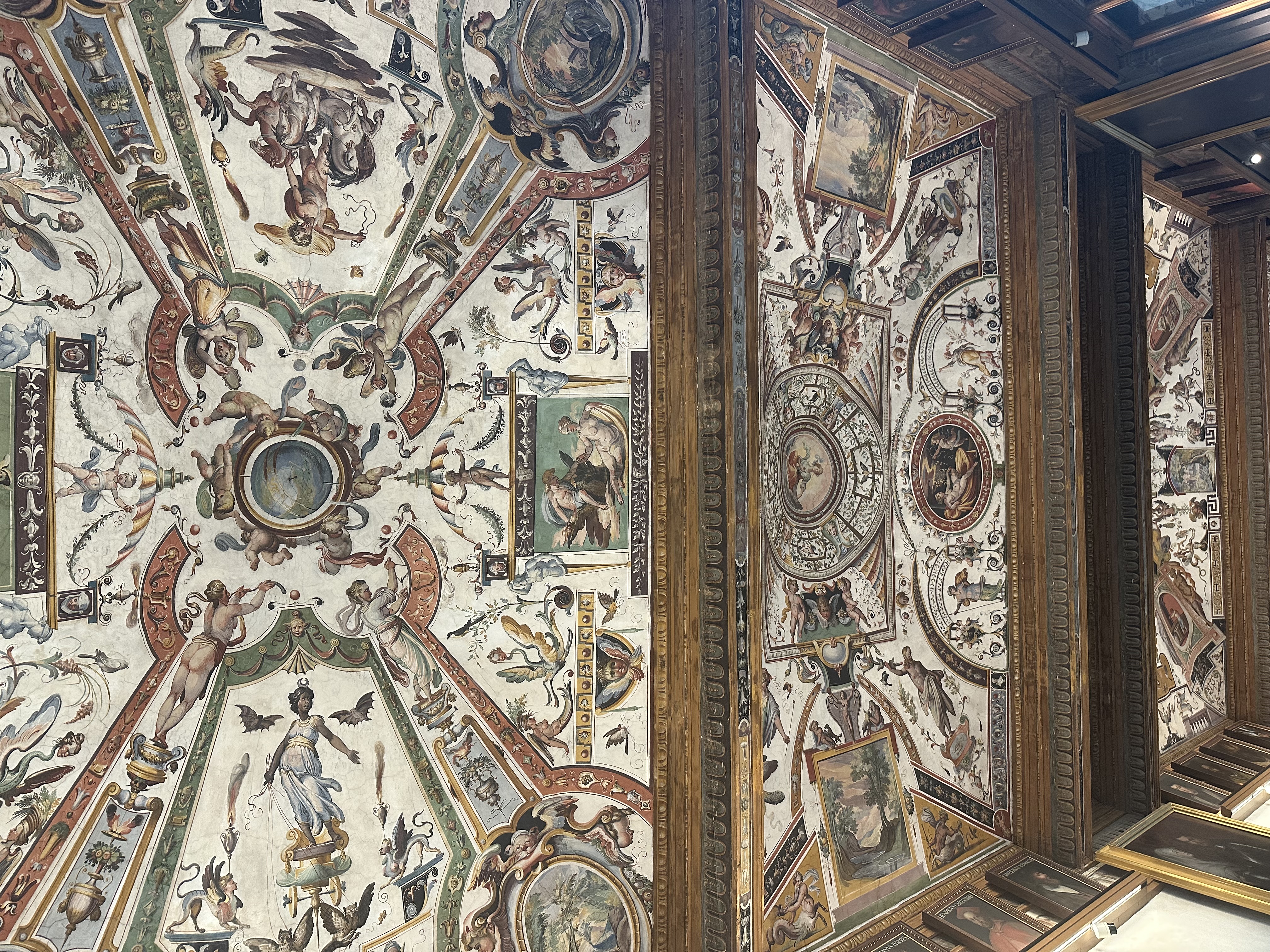


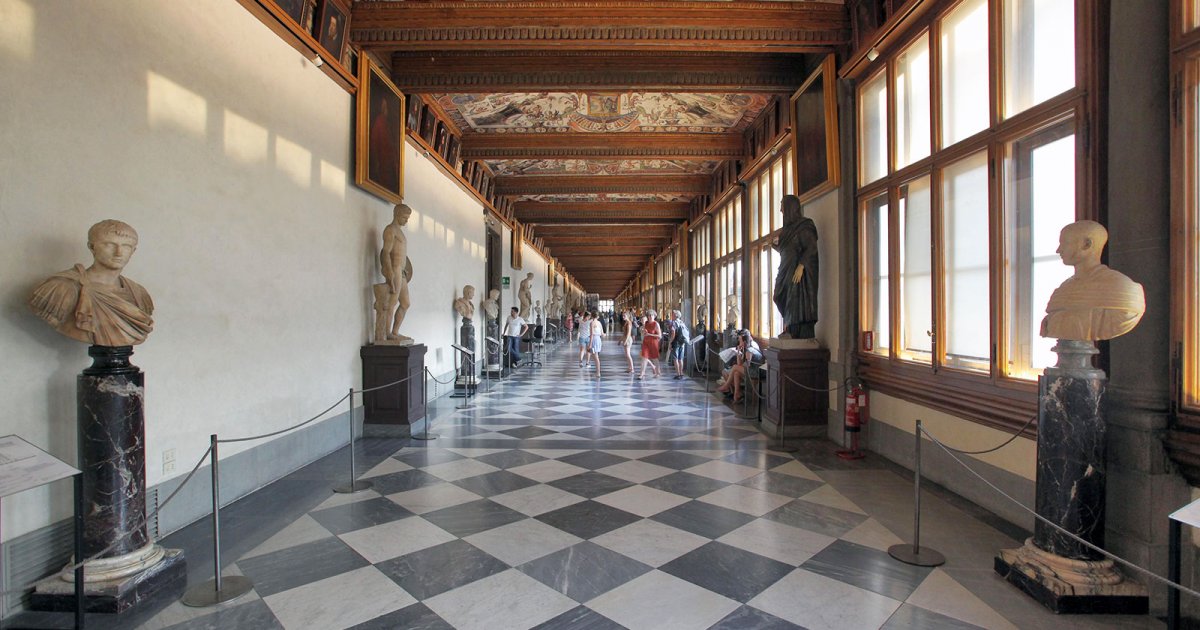
Before you go further, stop in the long gallery corridor that runs along the east side of the building.
This is the spine of the Uffizi - a barrel-vaulted passage lined with ancient sculptures, maps, and scientific instruments, with windows on one side opening over the rooftops toward the Arno.
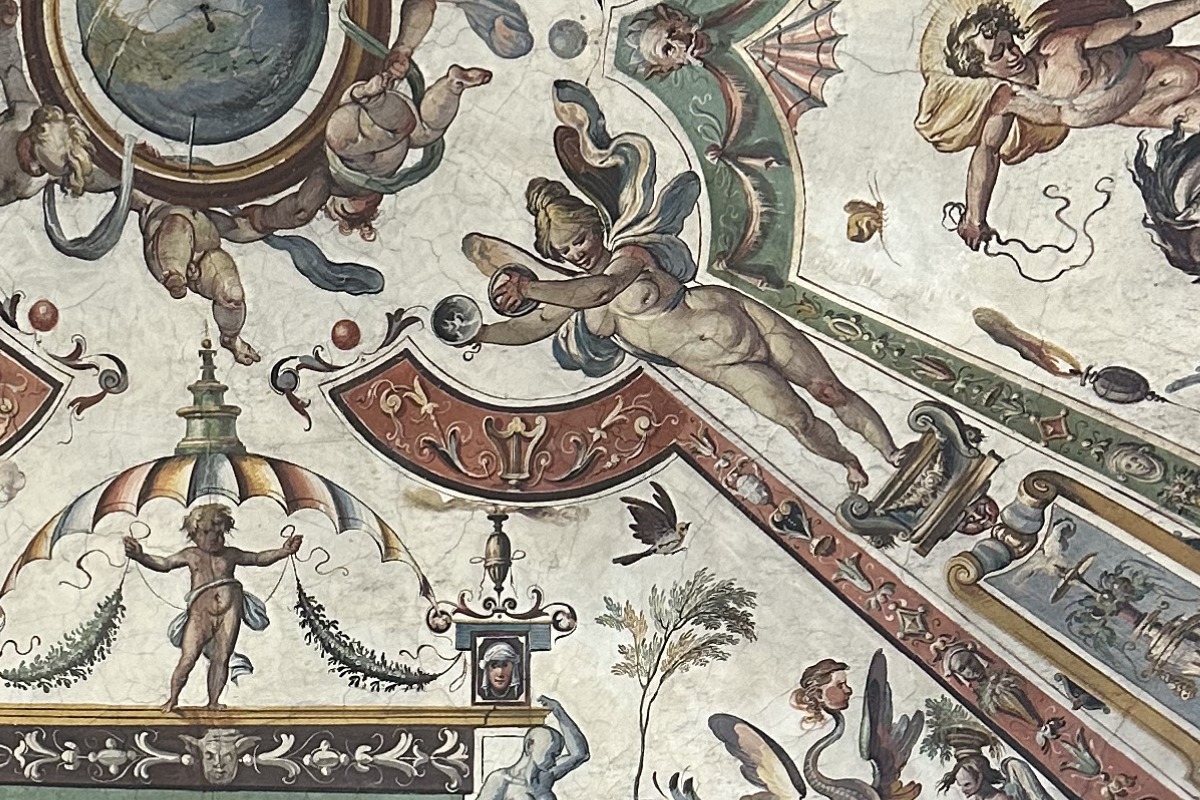
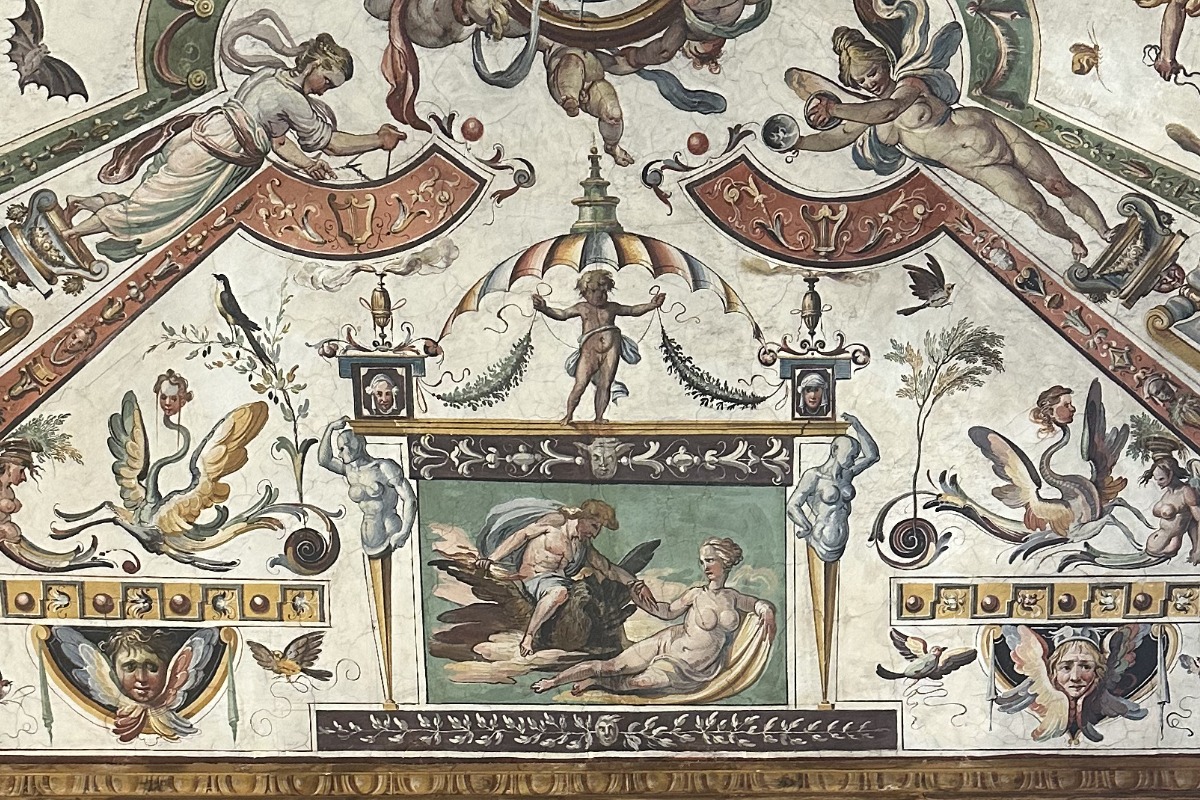
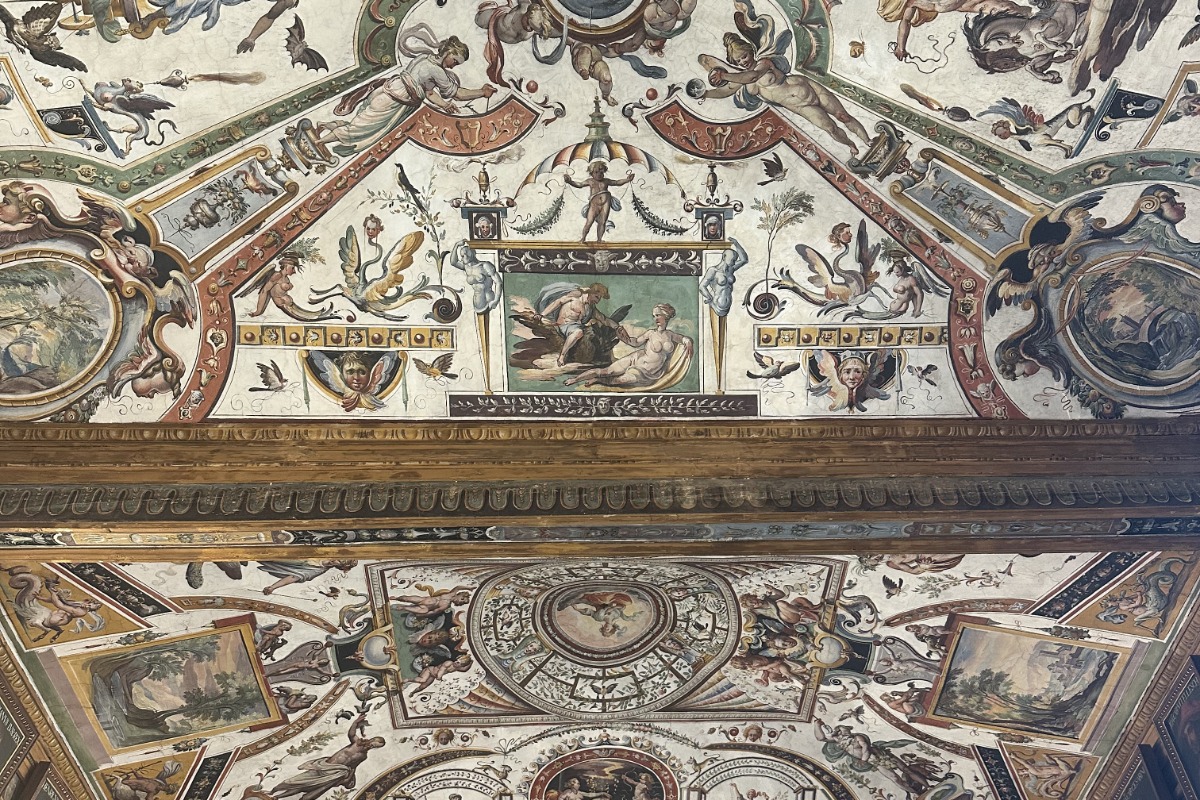
Above, the ceiling is painted with intricate patterns of foliage, mythological figures, and architectural motifs derived from ancient Roman frescoes discovered underground during the Renaissance.
They are called 'grotesque' - from 'grotta,' the caves where those ancient paintings were found.
The whole corridor is a Renaissance meditation on antiquity.
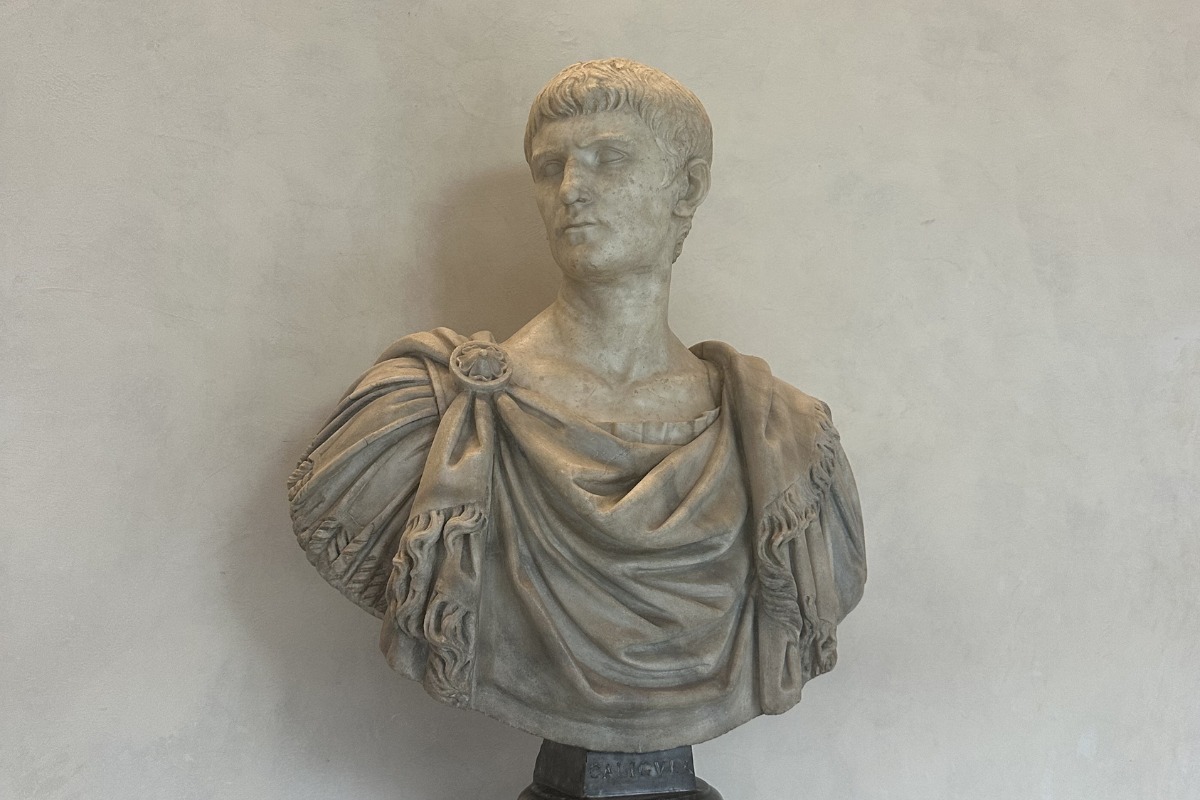
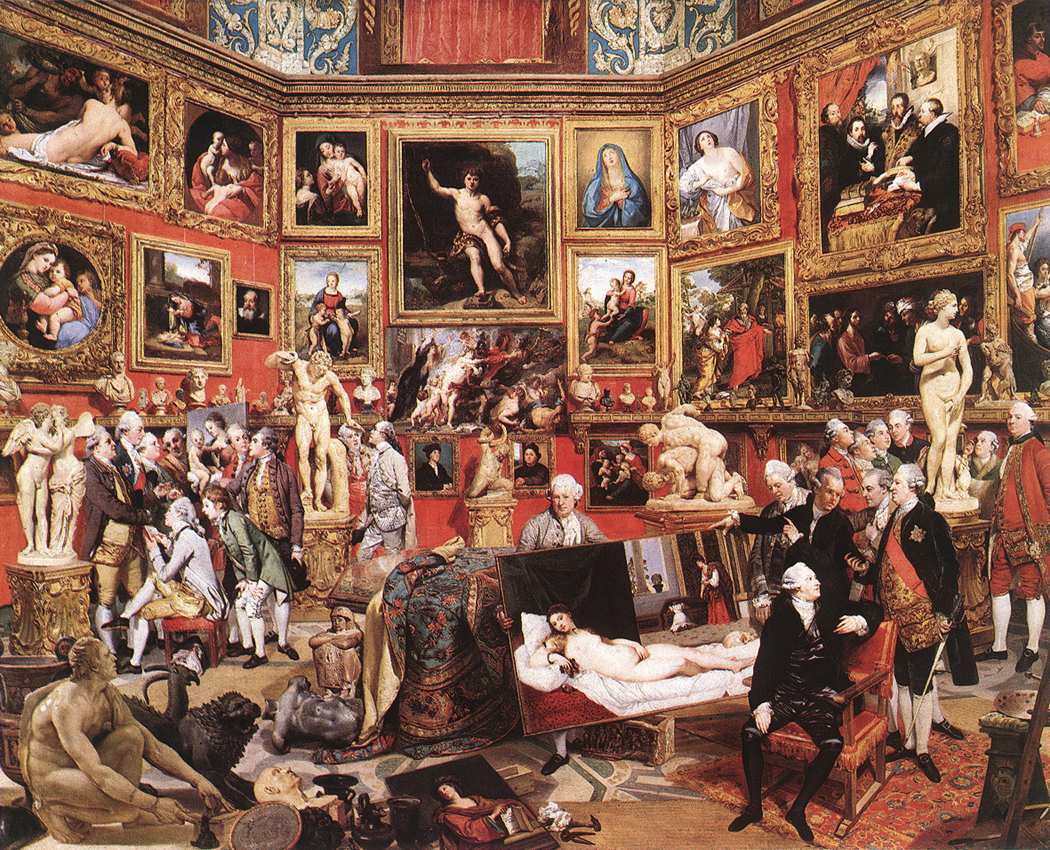
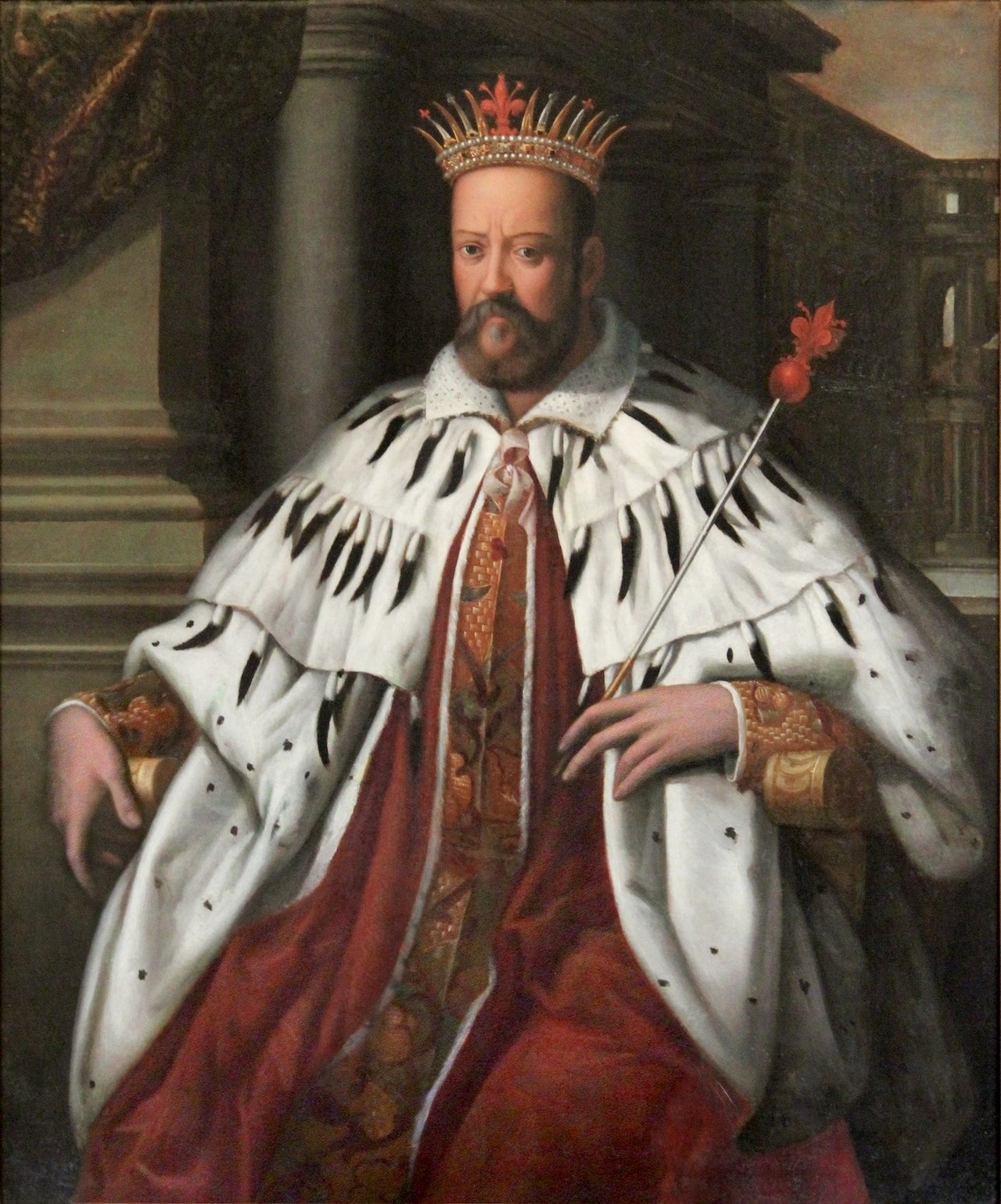
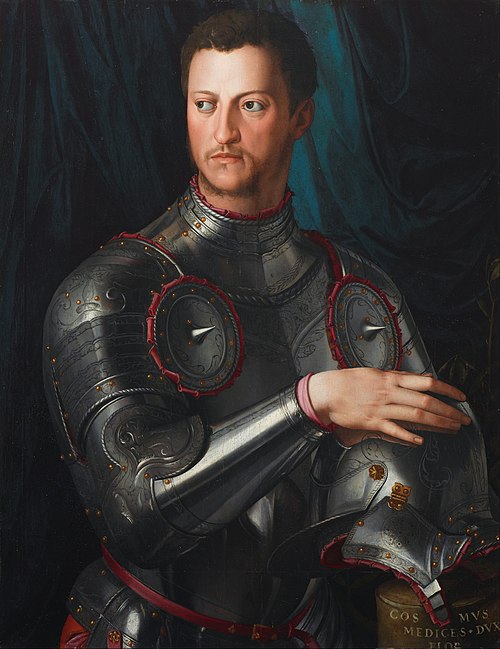
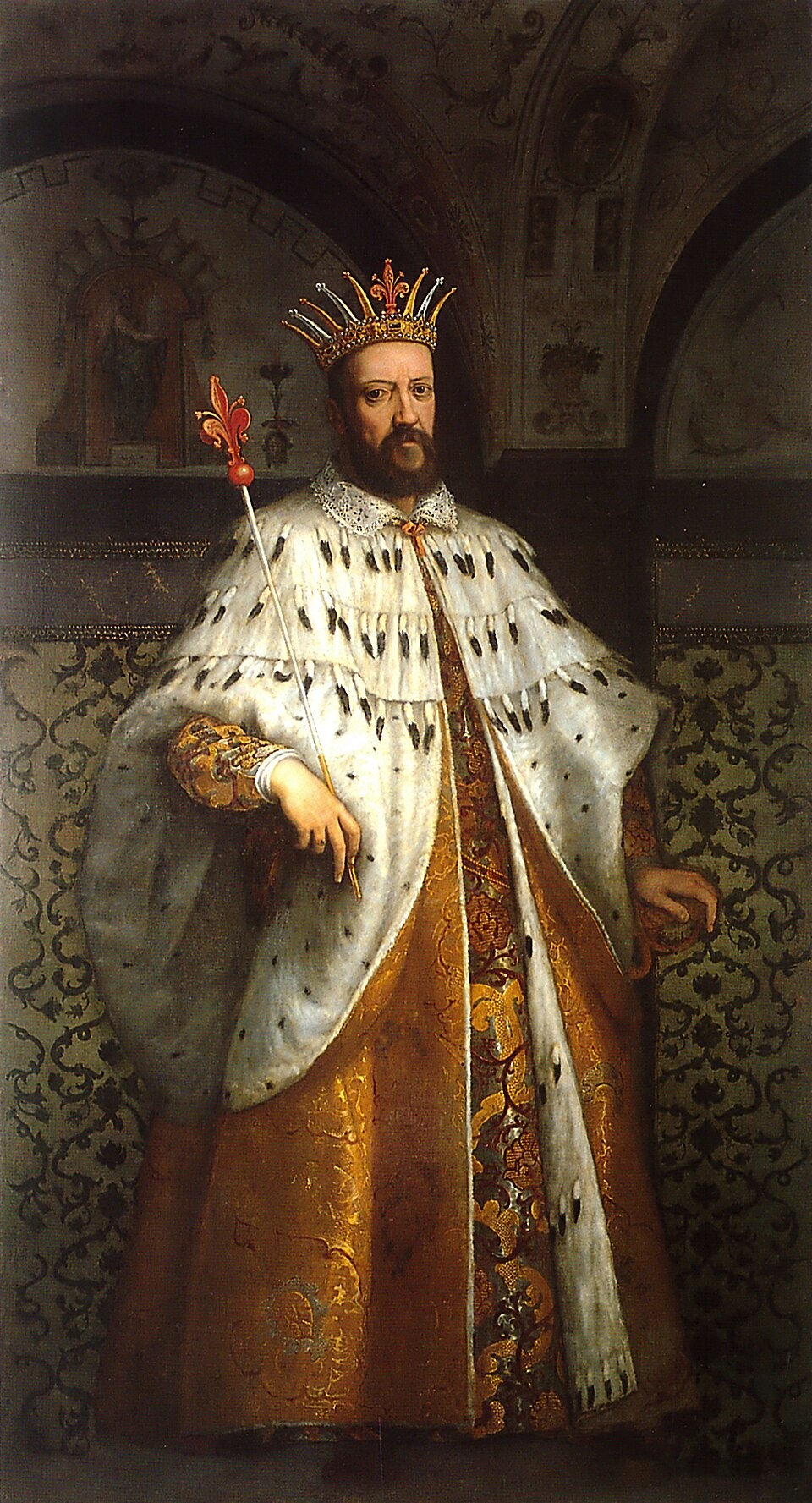
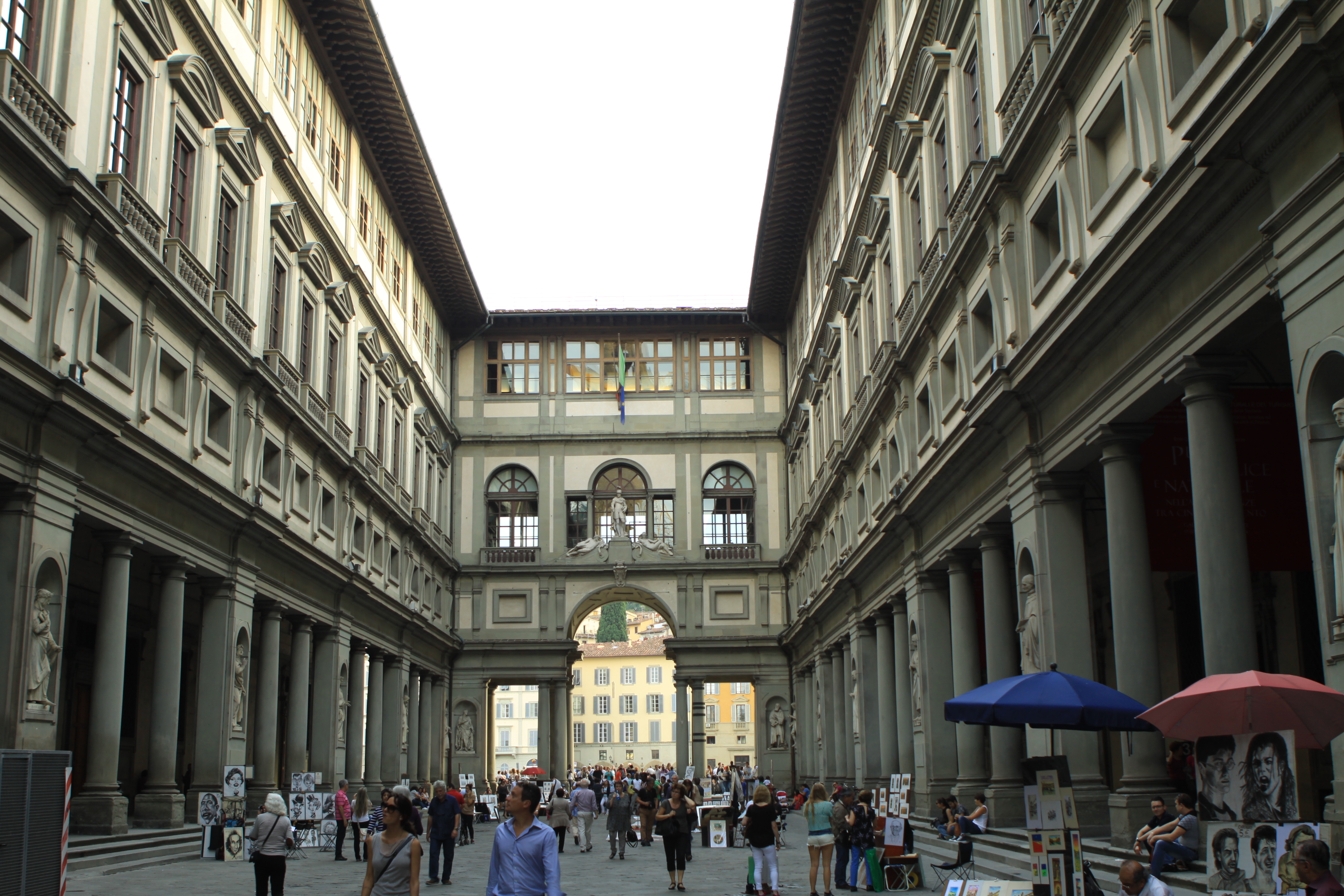
The Uffizi was built not as a museum but as a government building - 'uffizi' simply means 'offices.' Cosimo I de' Medici commissioned Vasari to design it in 1560 as an administrative centre for the Florentine state.
The Medici began moving their art collection here in the later 16th century.
It opened to the public in 1769.
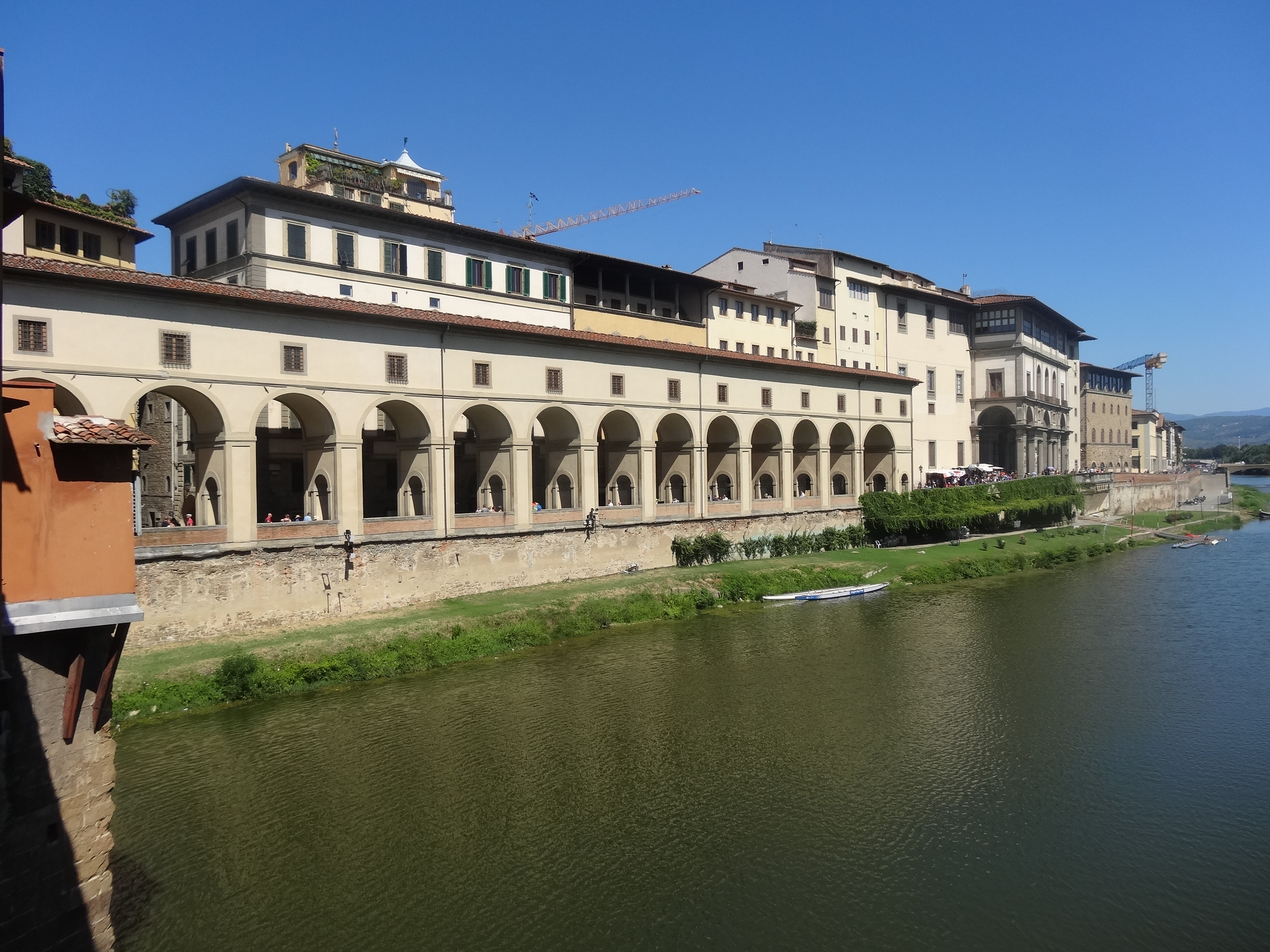
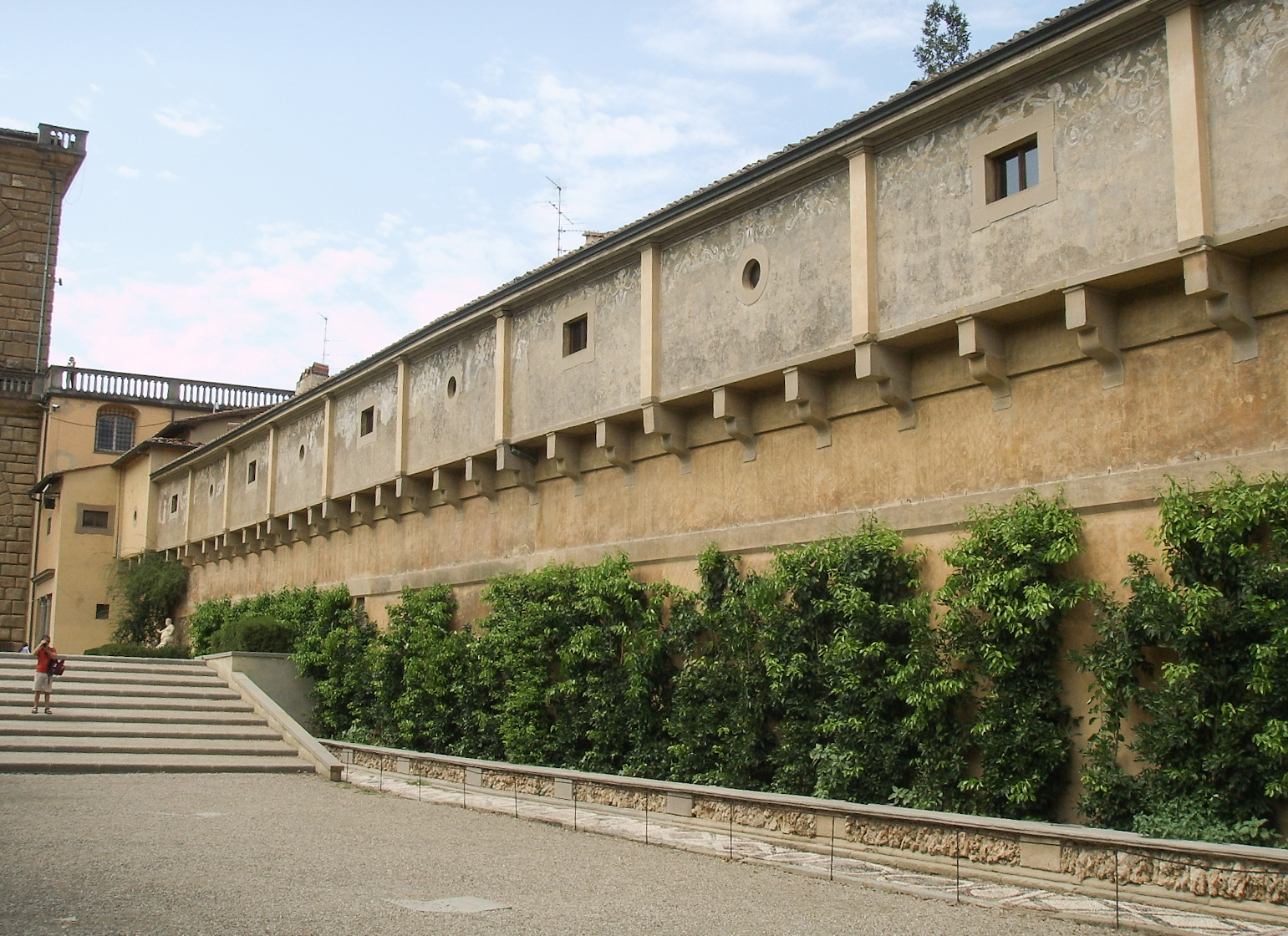
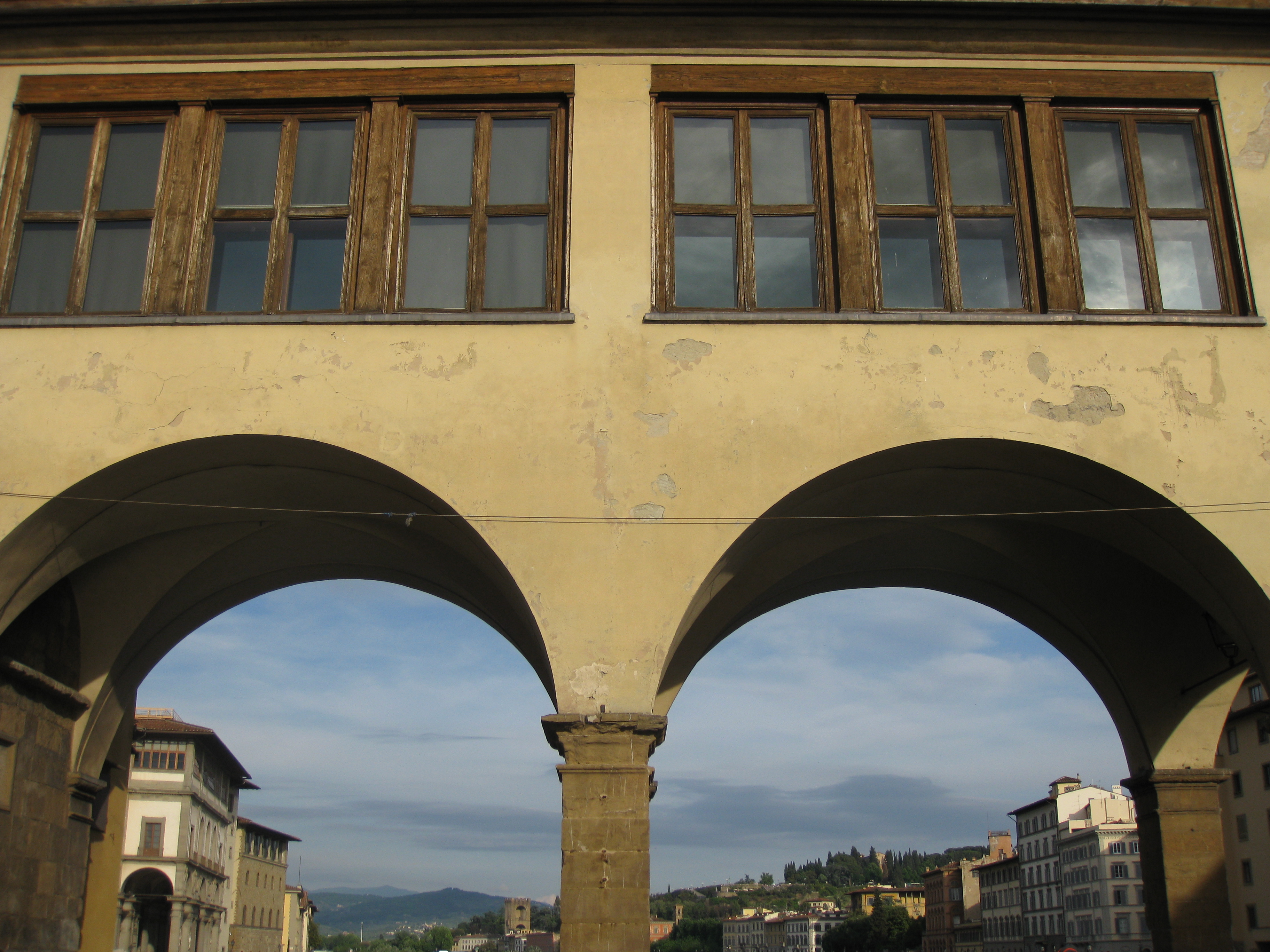
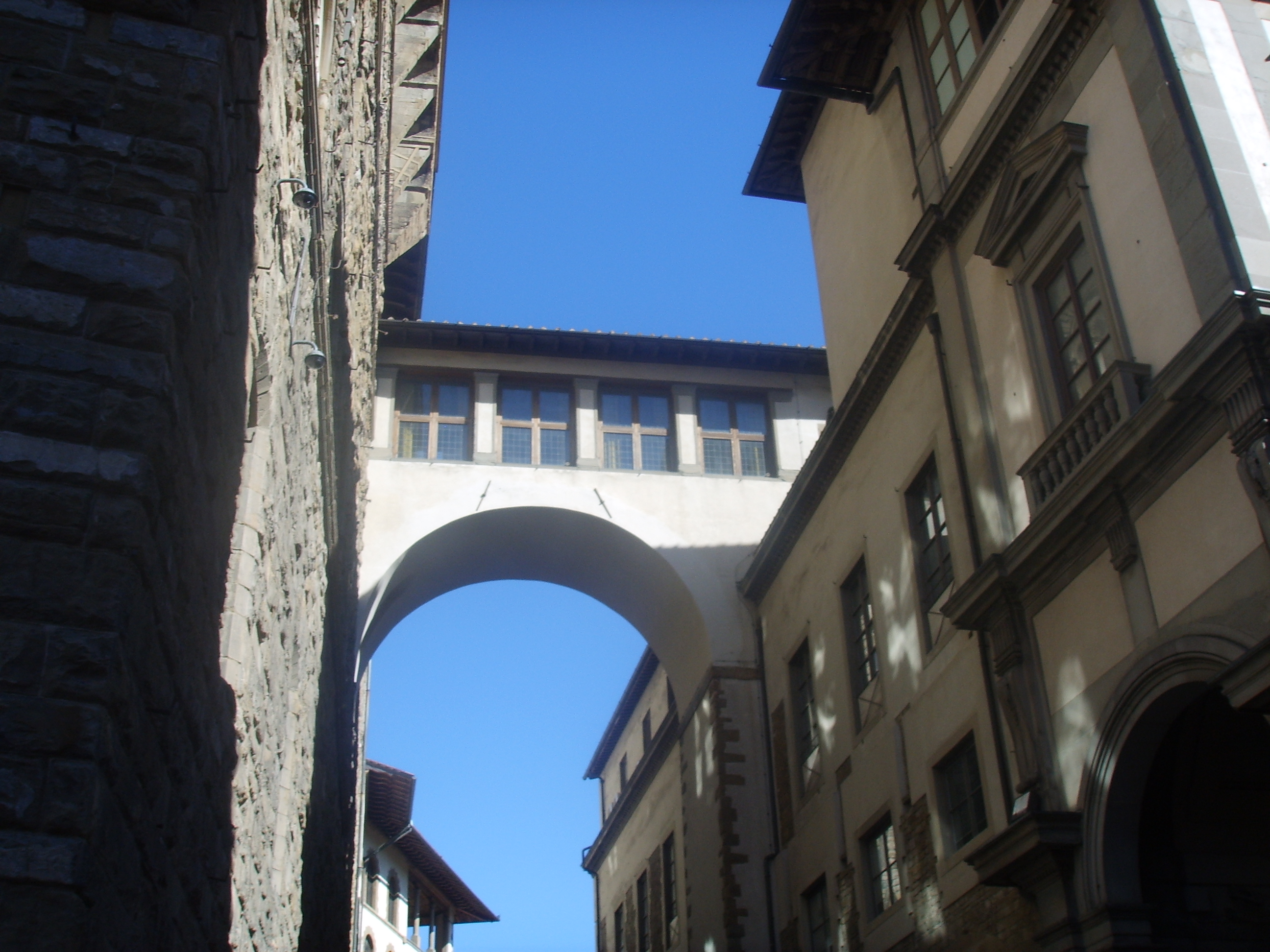
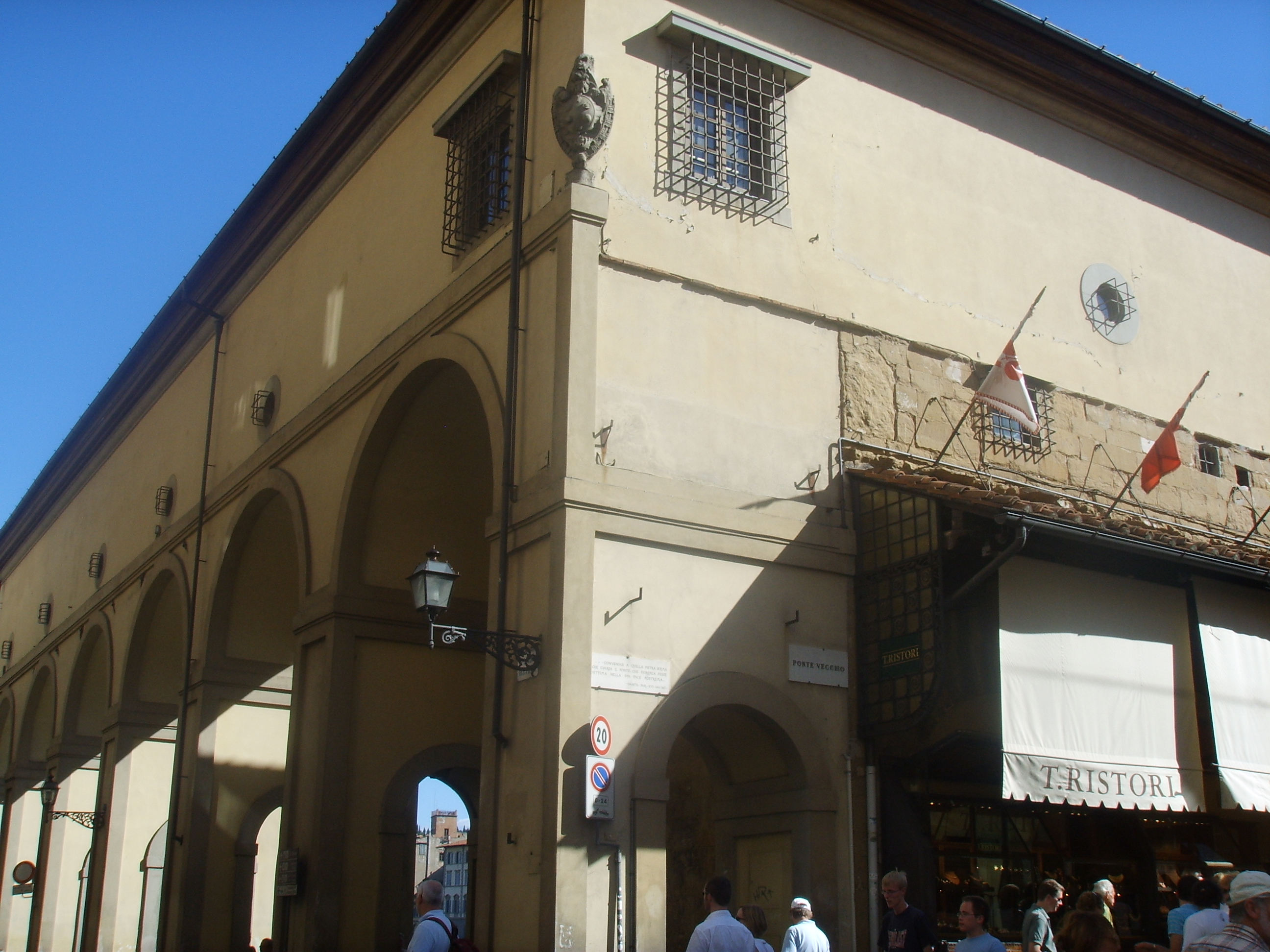
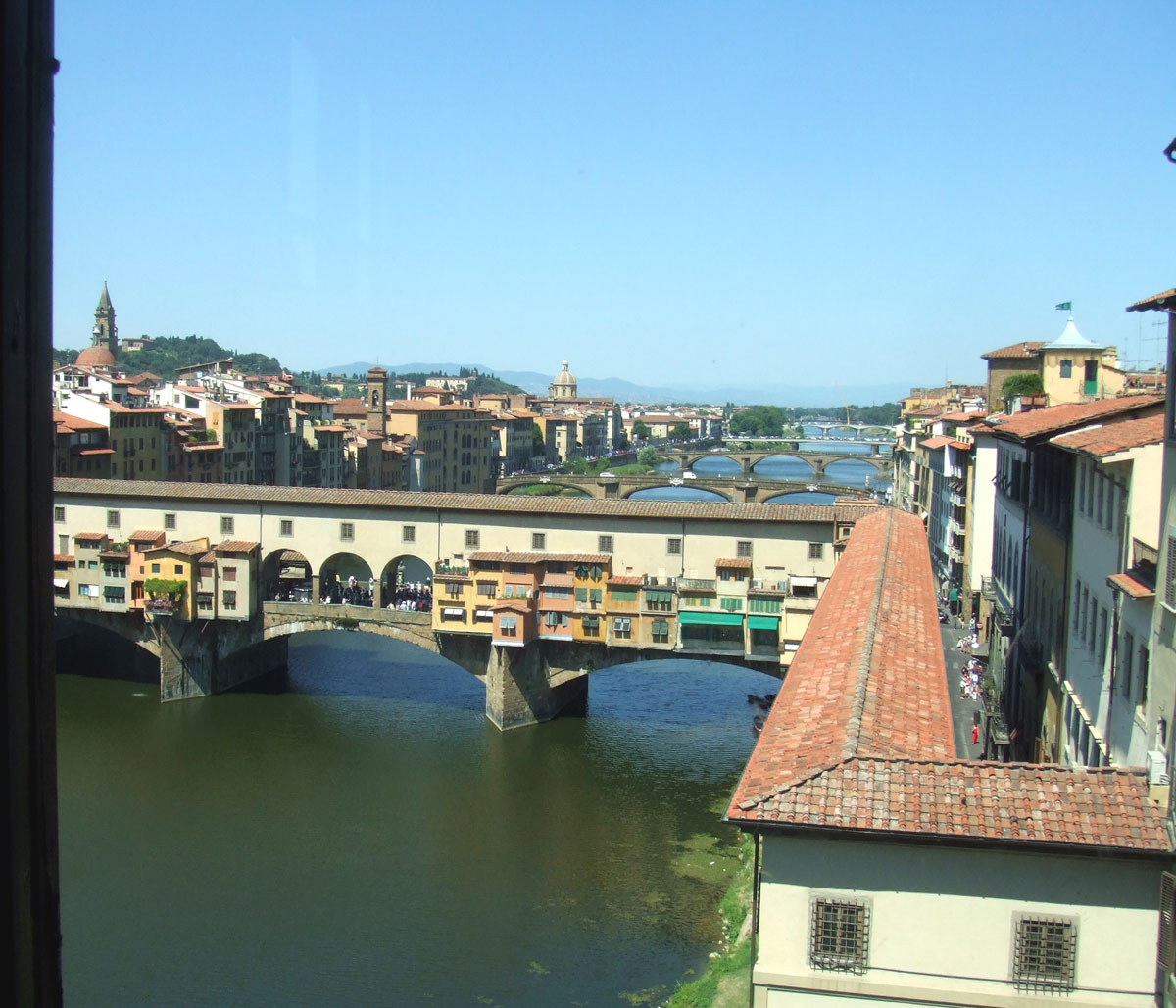
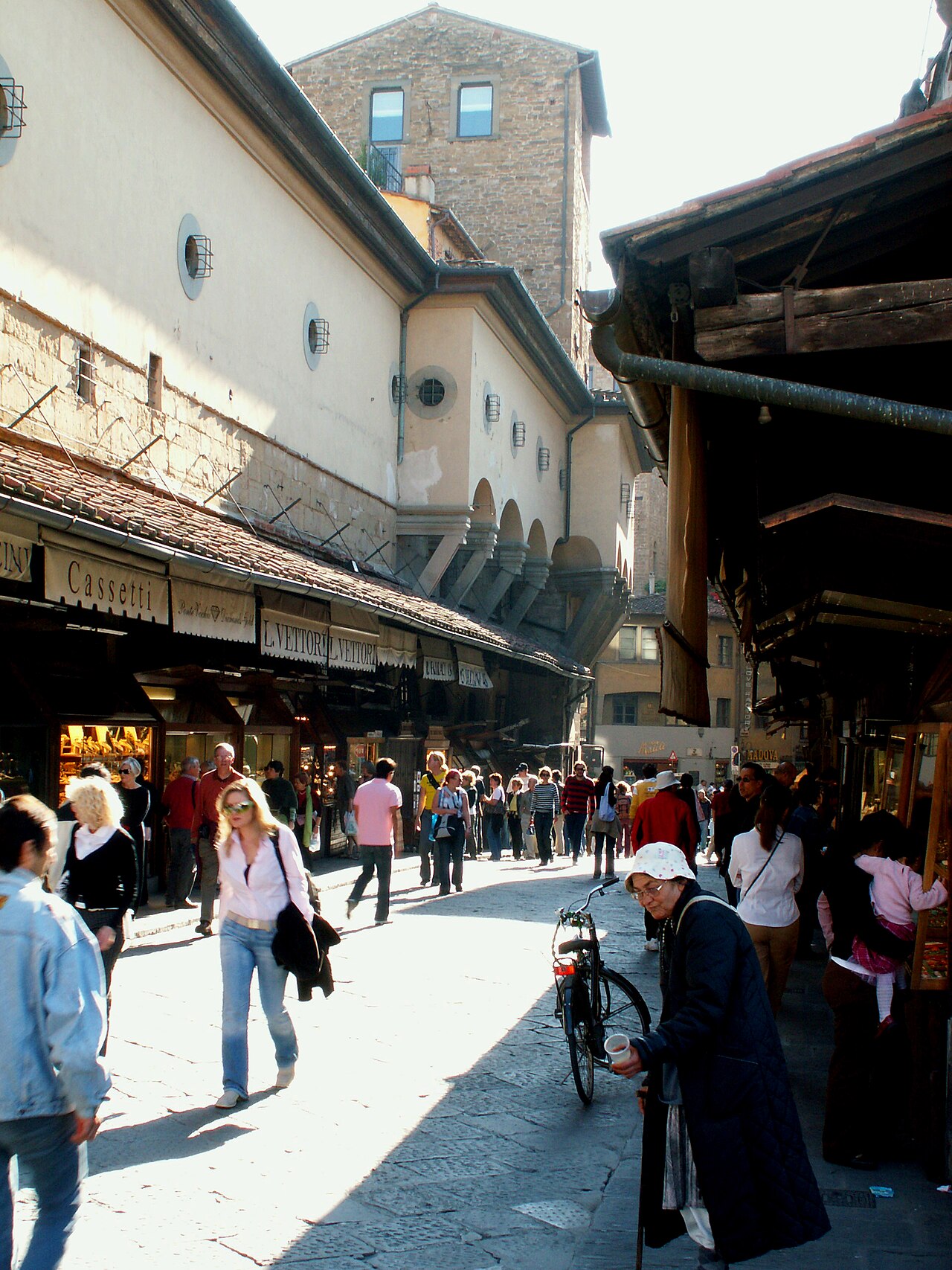
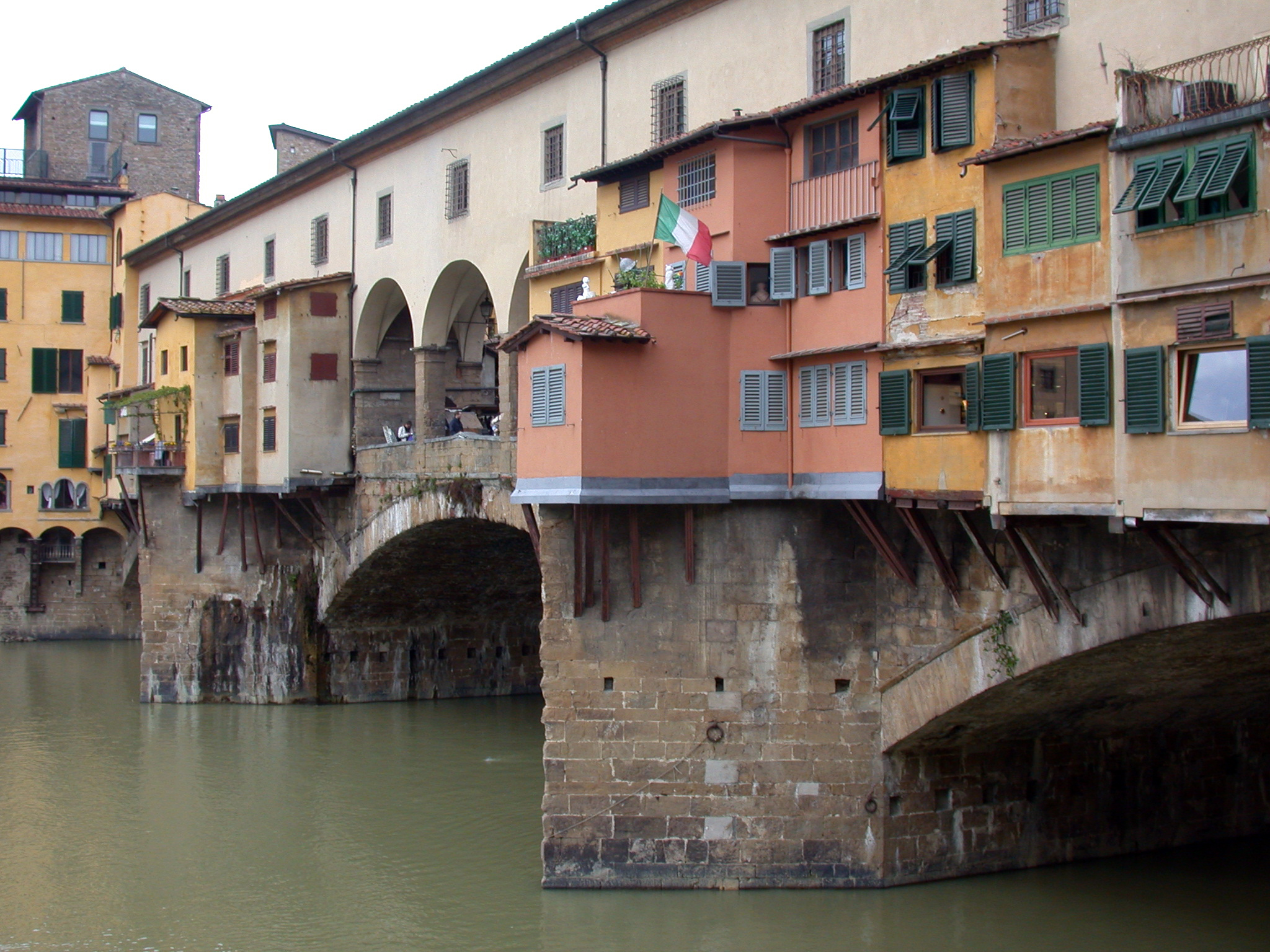
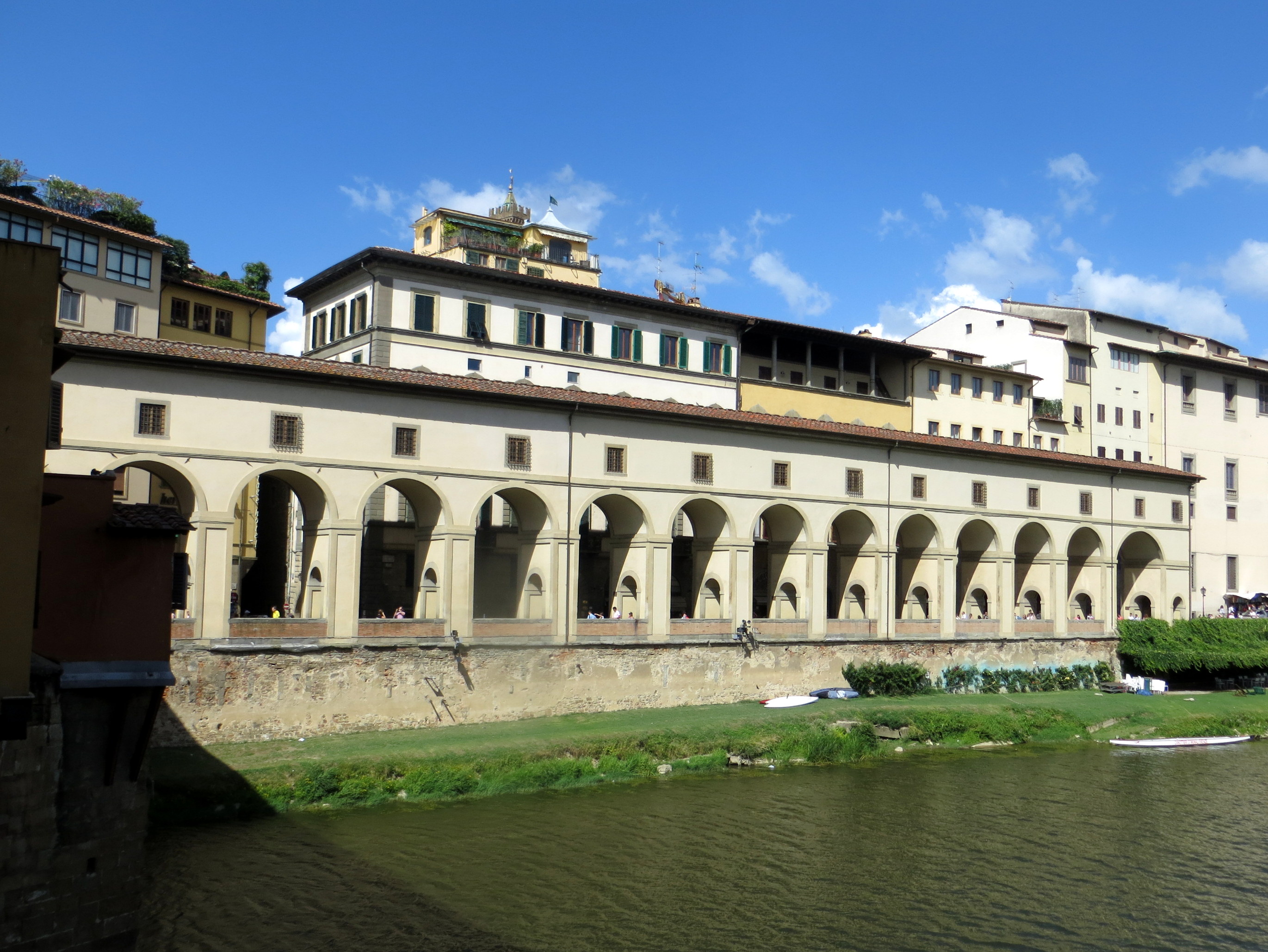
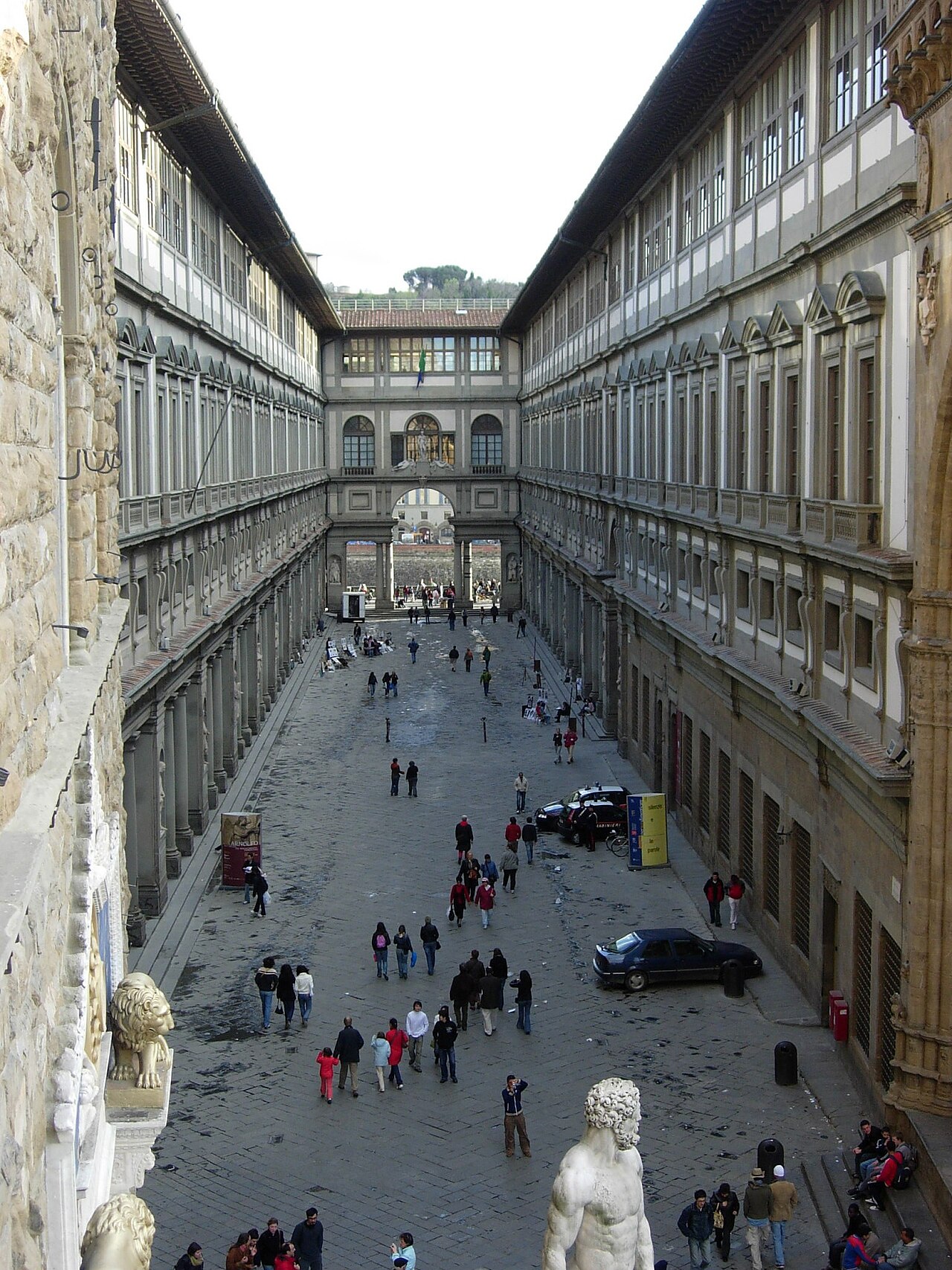
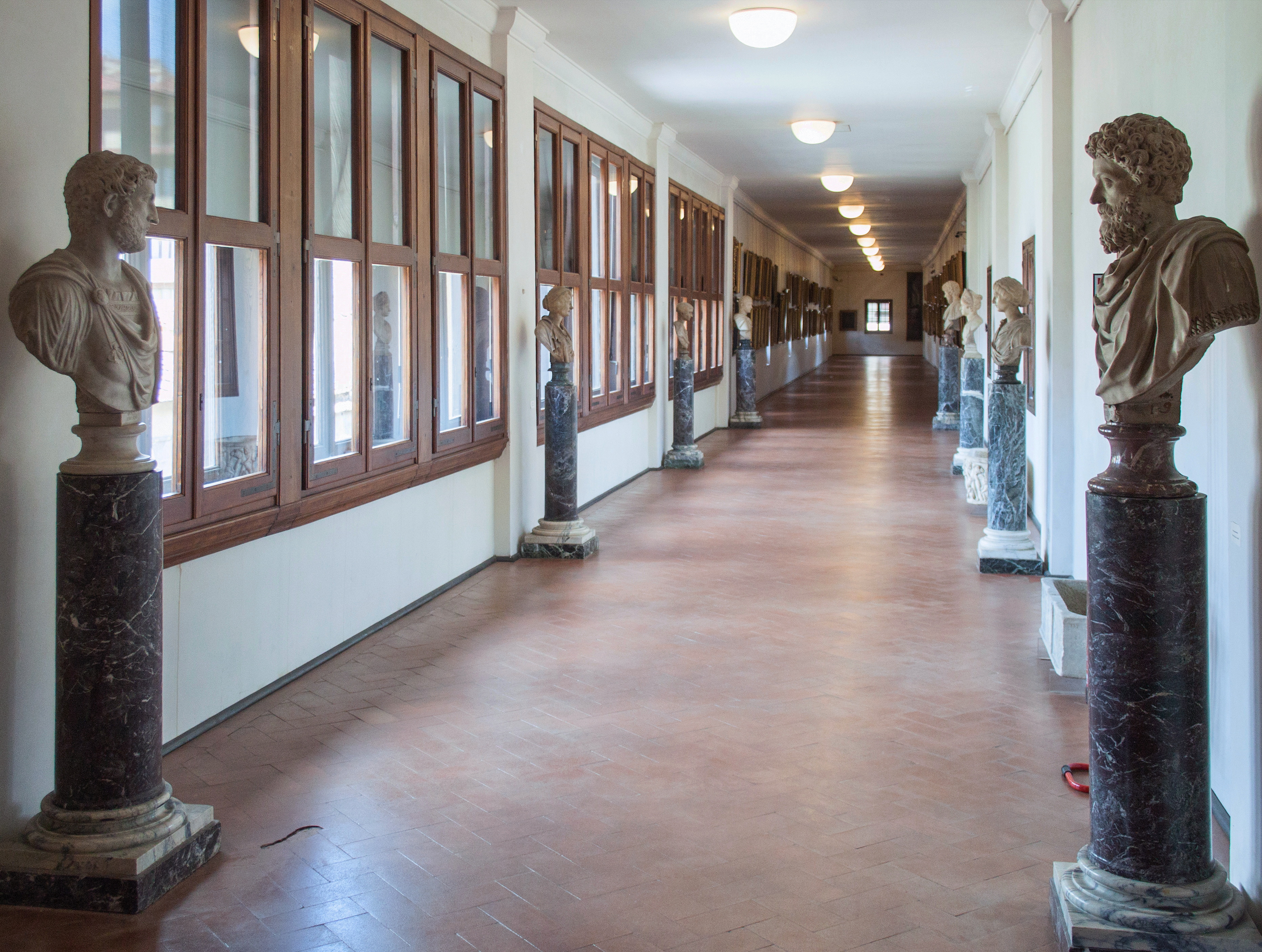
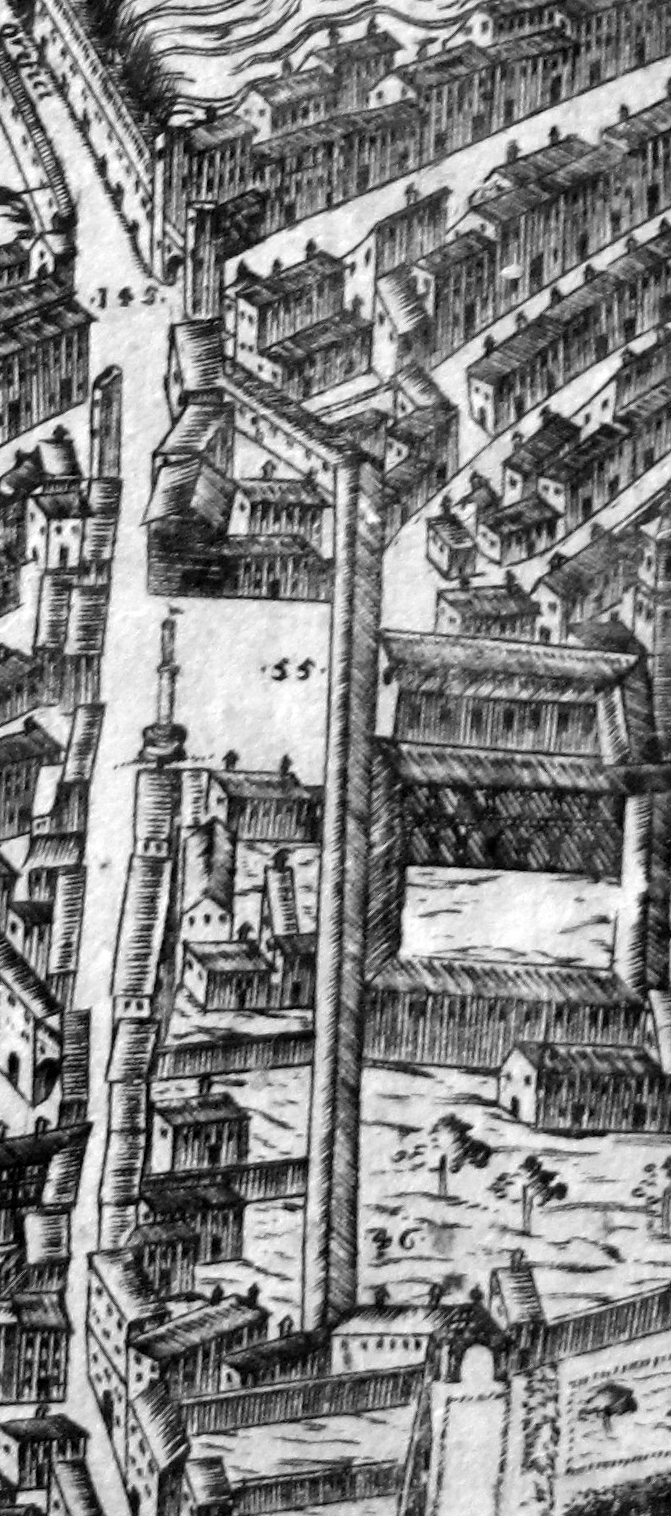
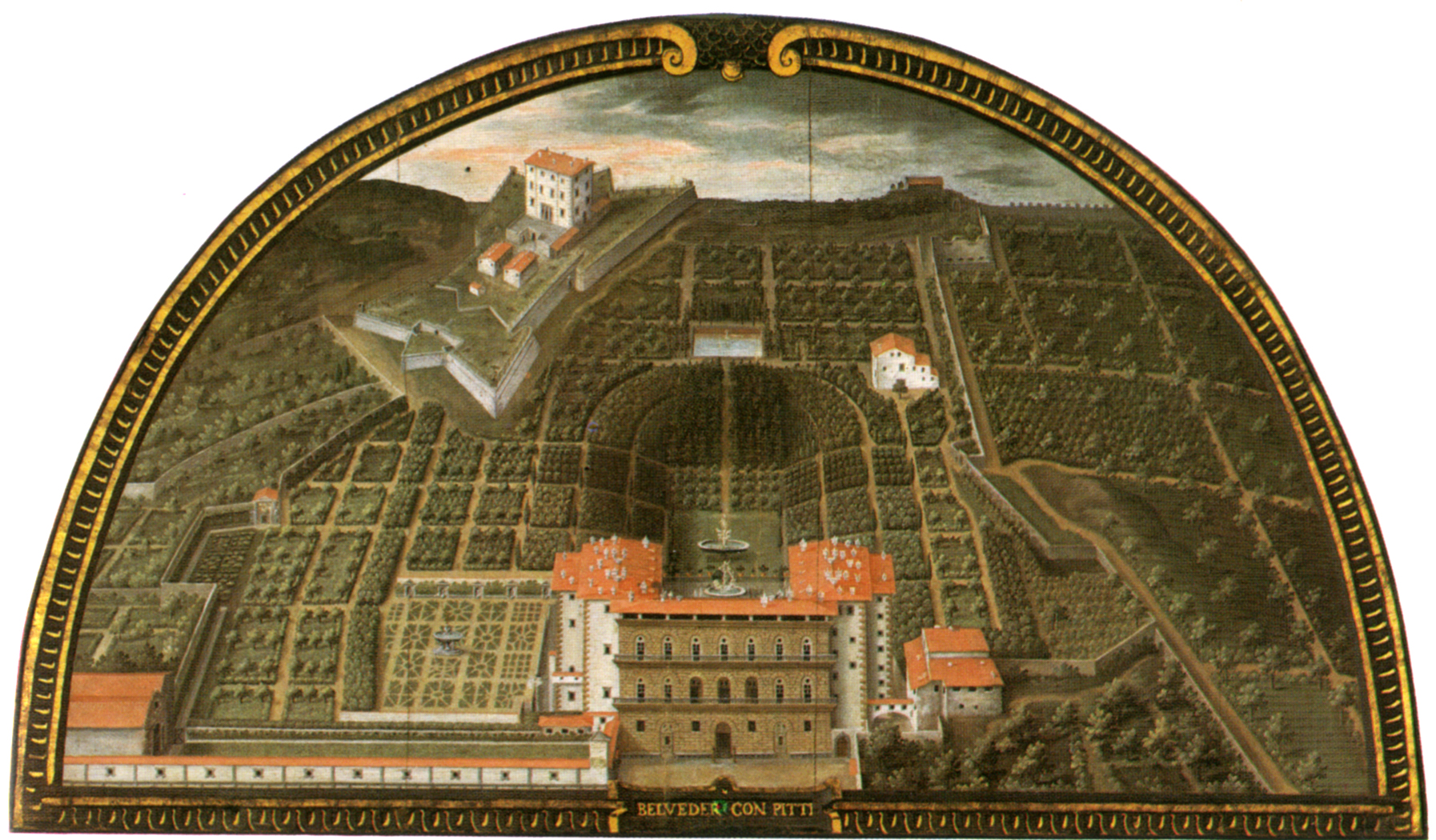
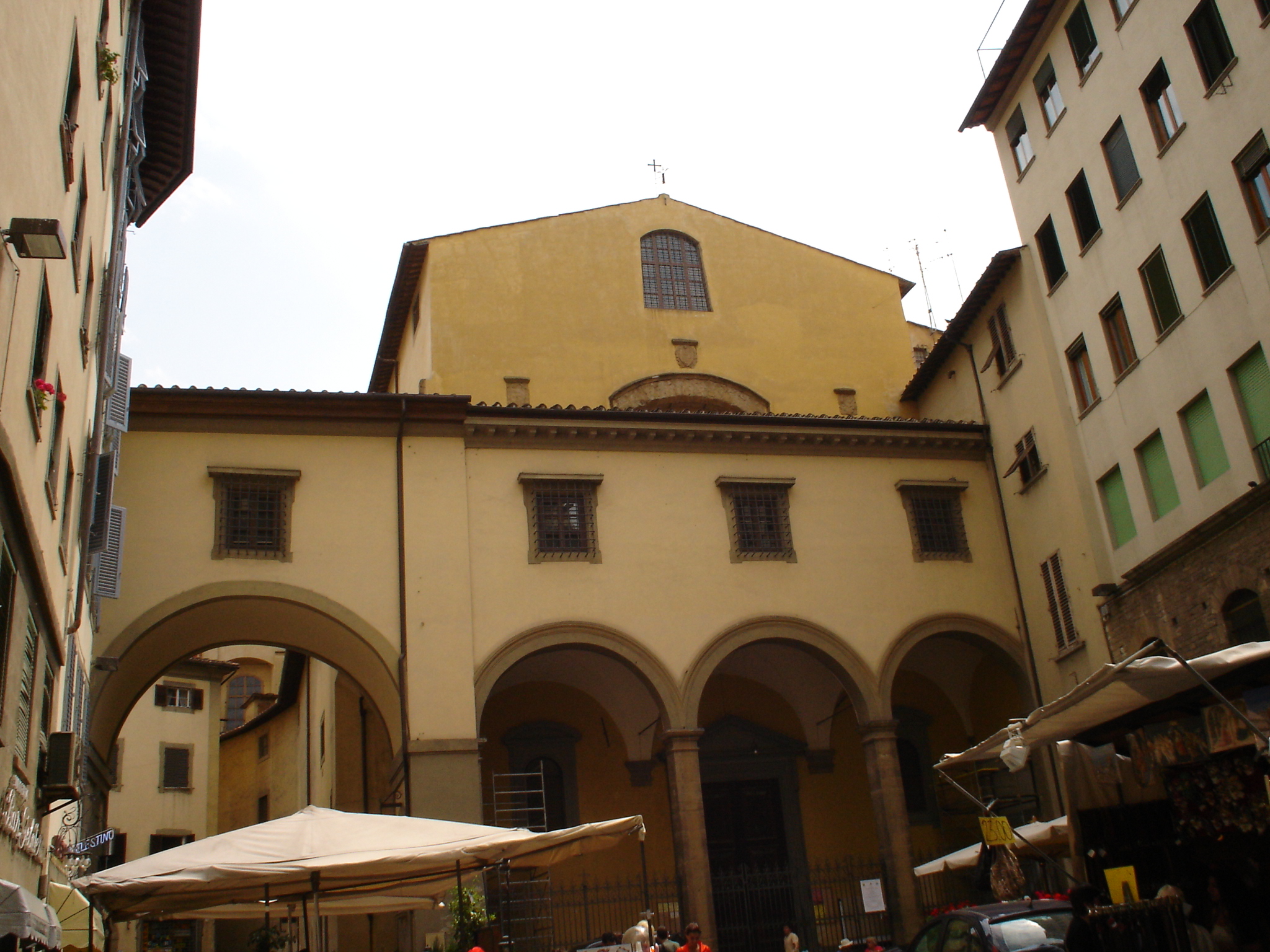
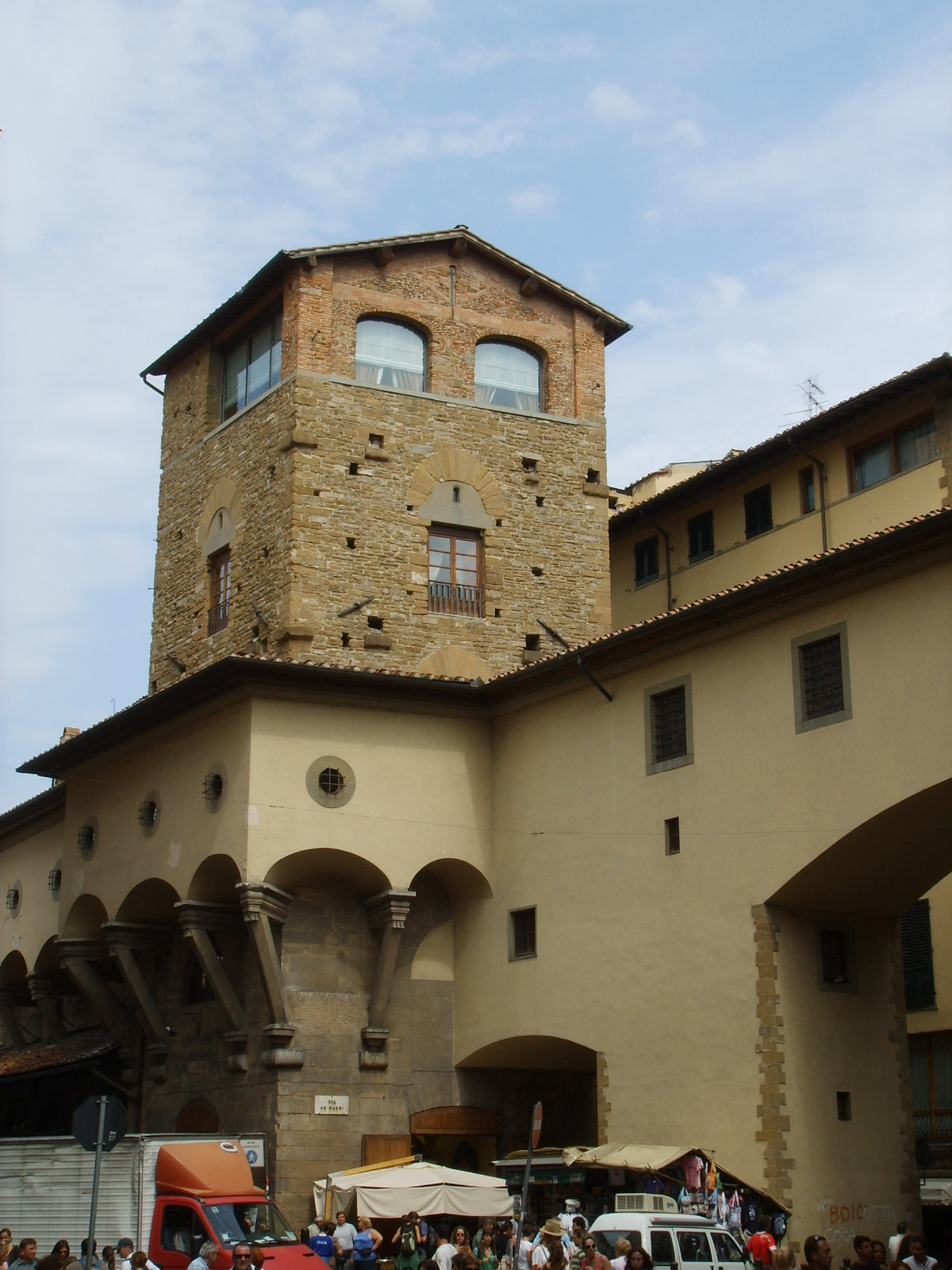
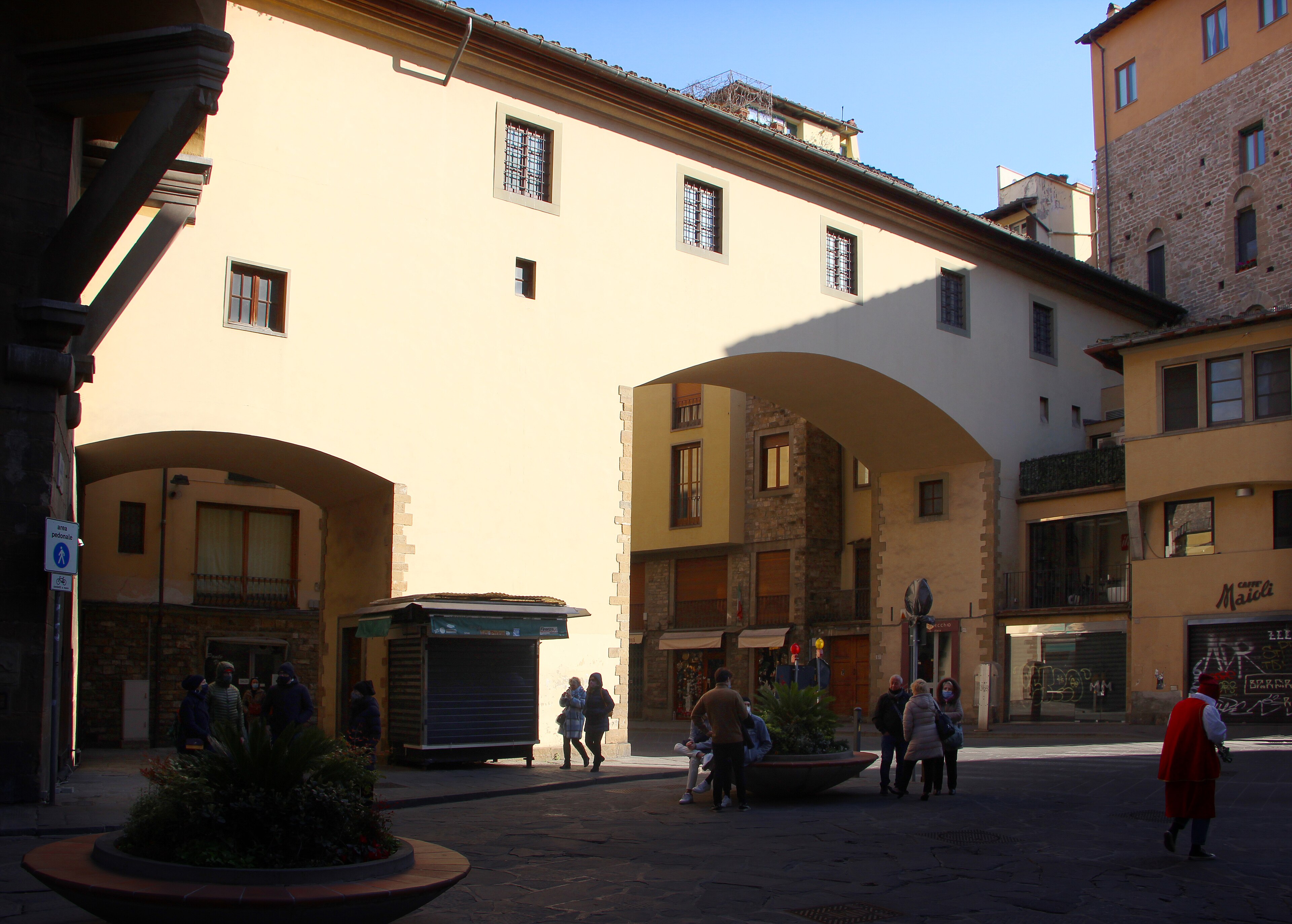
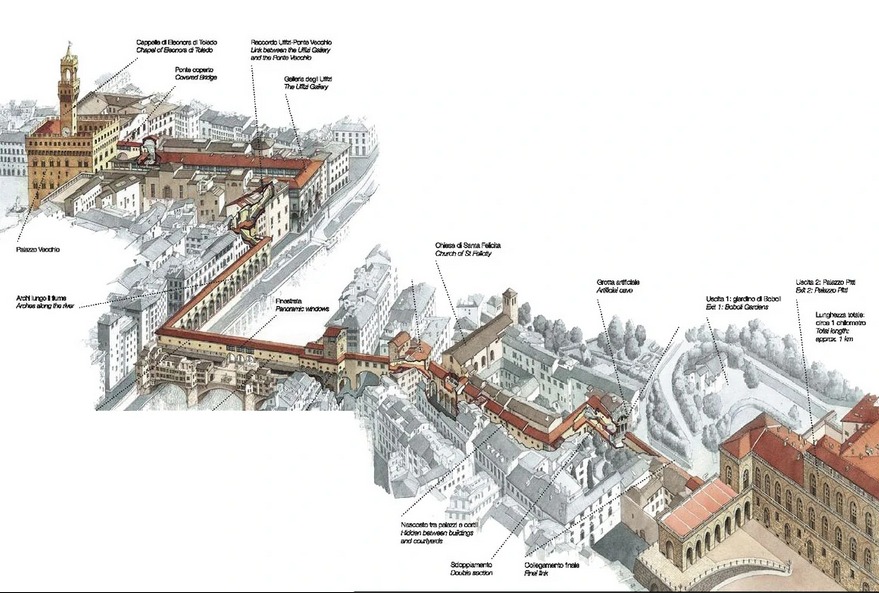
Running off this corridor is the Vasari Corridor - a secret elevated passageway built in 1565 so that Cosimo I could walk from the Palazzo Vecchio to the Palazzo Pitti without ever descending to street level or mixing with the public.
It stretches over a kilometre, passing through the Uffizi, above the Ponte Vecchio, and through several churches along the way.
Vasari designed and built the entire thing in five months.
It reopened to the public in 2021.
Comments
Loading comments...