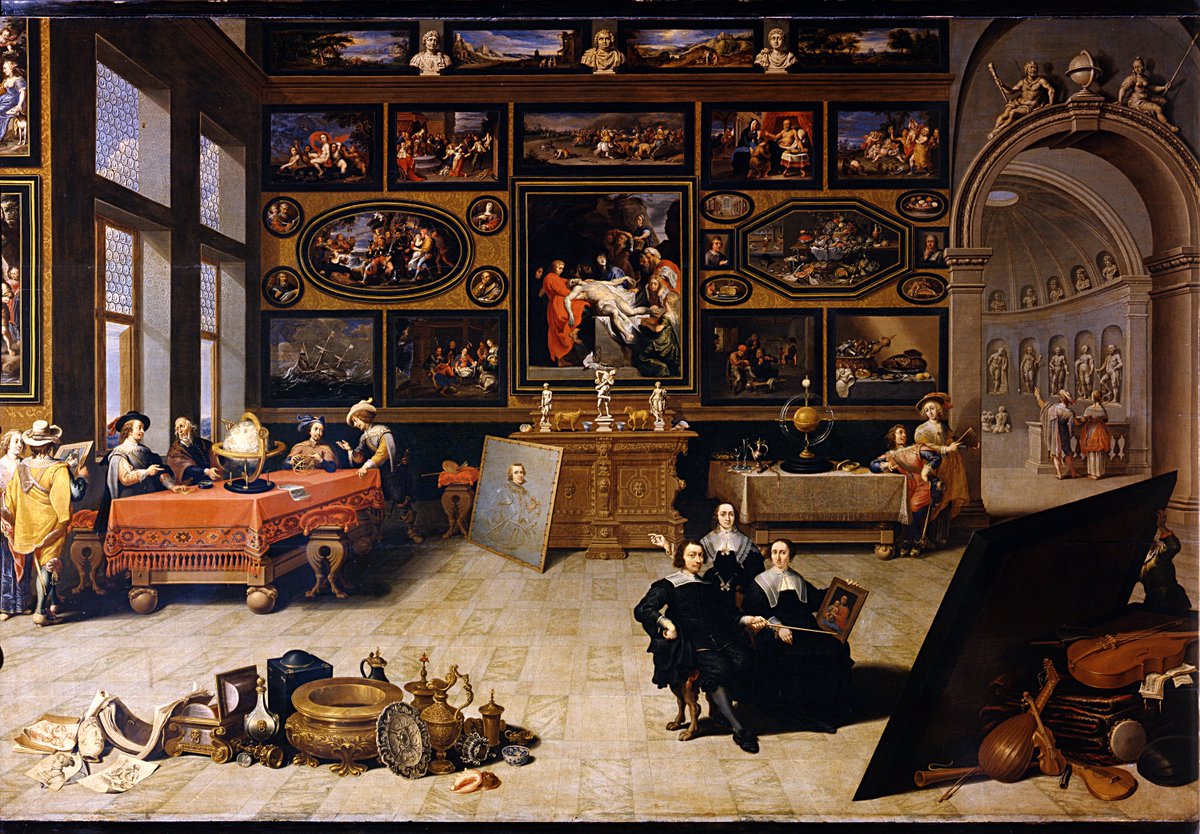


Take a detour through rooms A19 to A21 before you reach Leonardo.
The atmosphere changes completely.
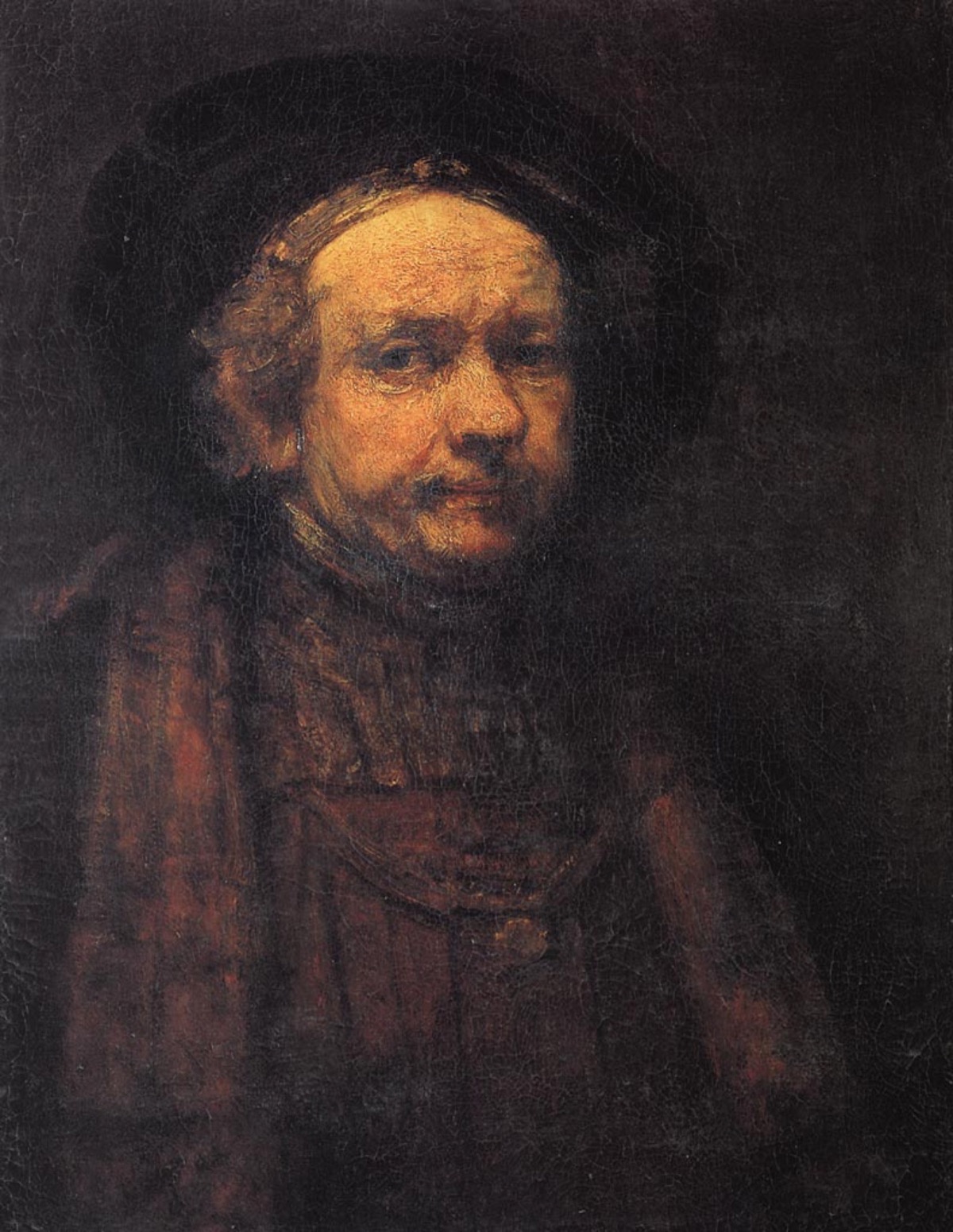
Where the Italian rooms are luminous and idealized, these are darker, more intimate, more soberly concerned with reality.
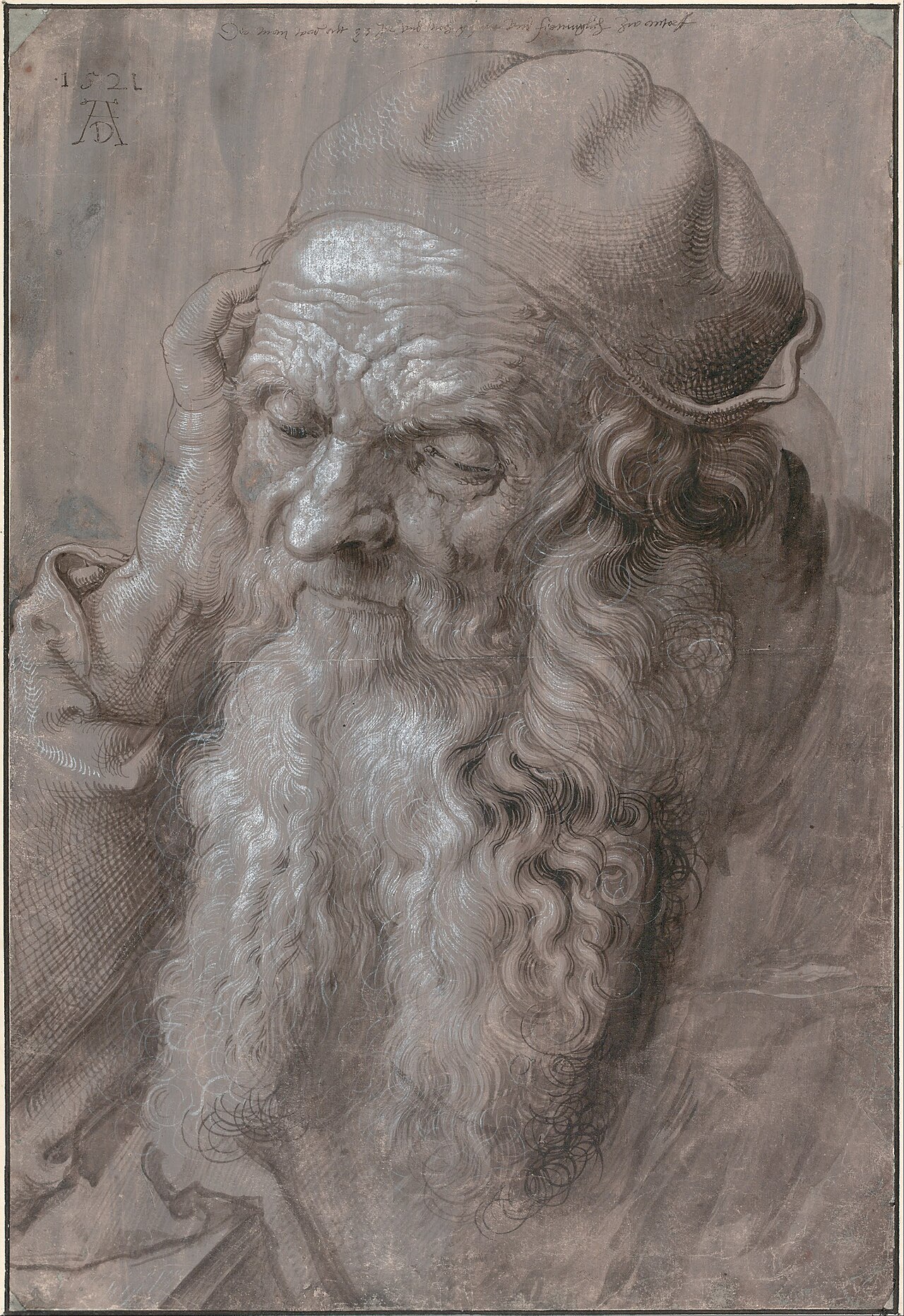
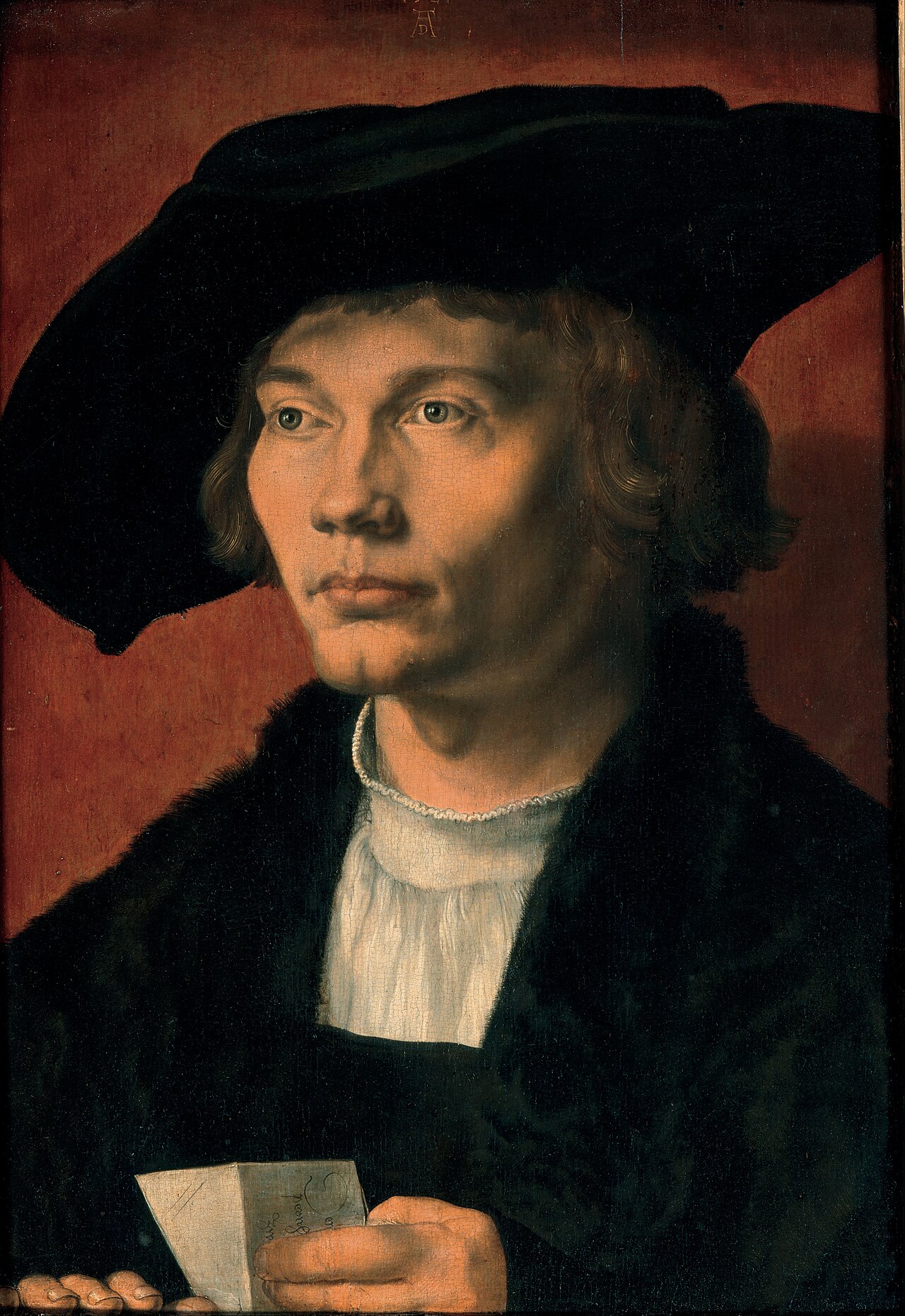
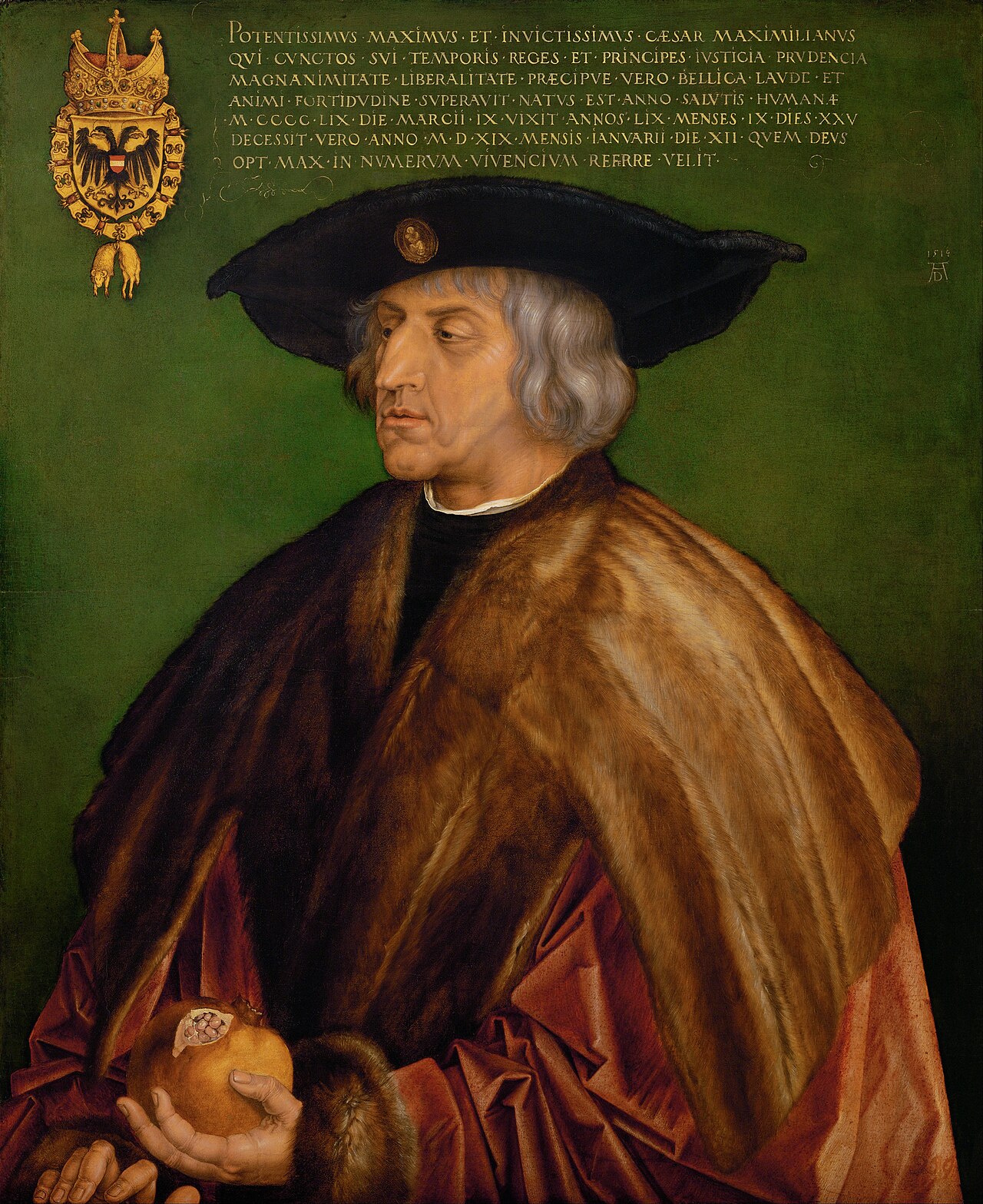
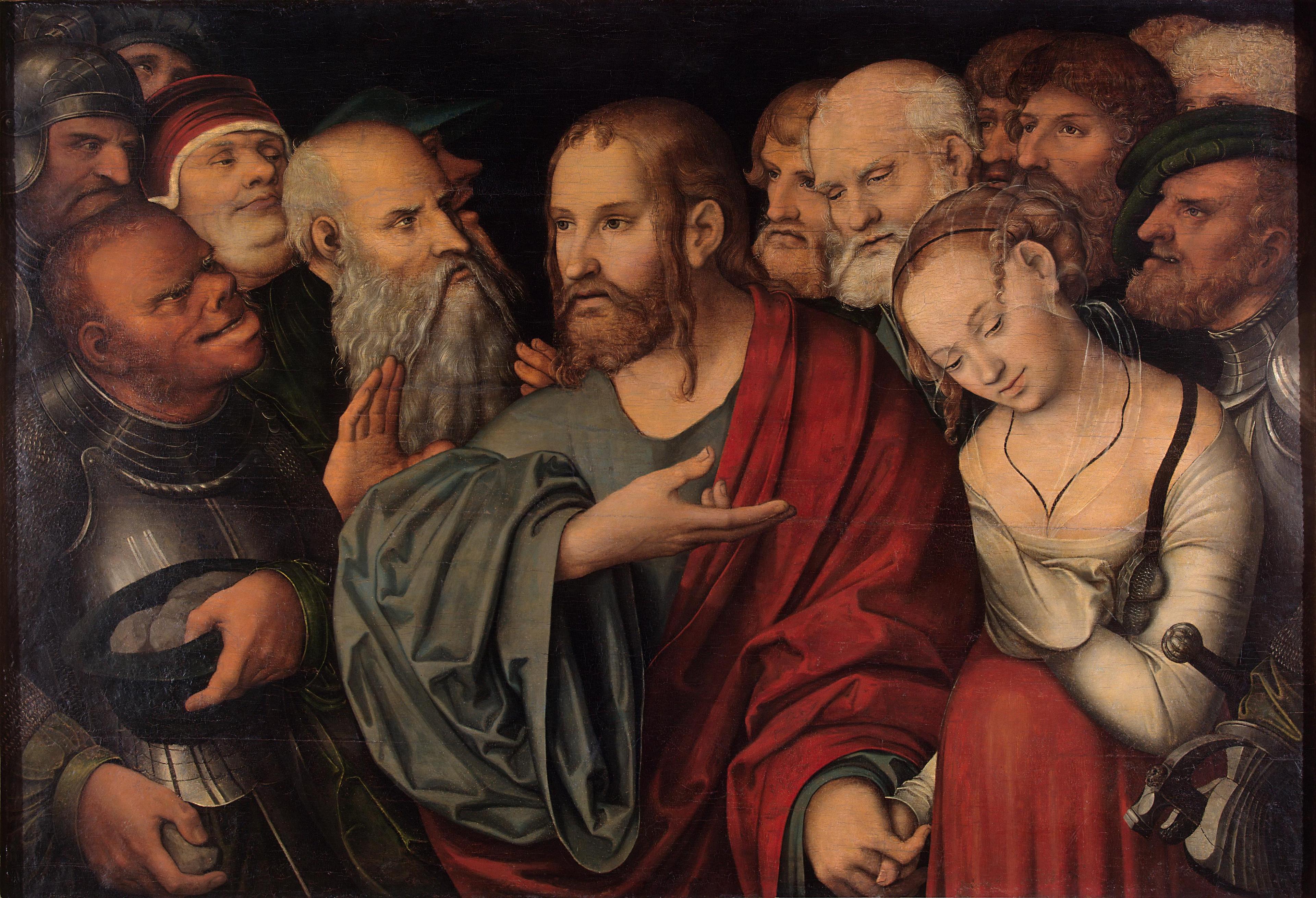
You are in the world of Cranach, Dürer, and their contemporaries - the great tradition of Northern European painting developing in parallel with the Italian Renaissance.
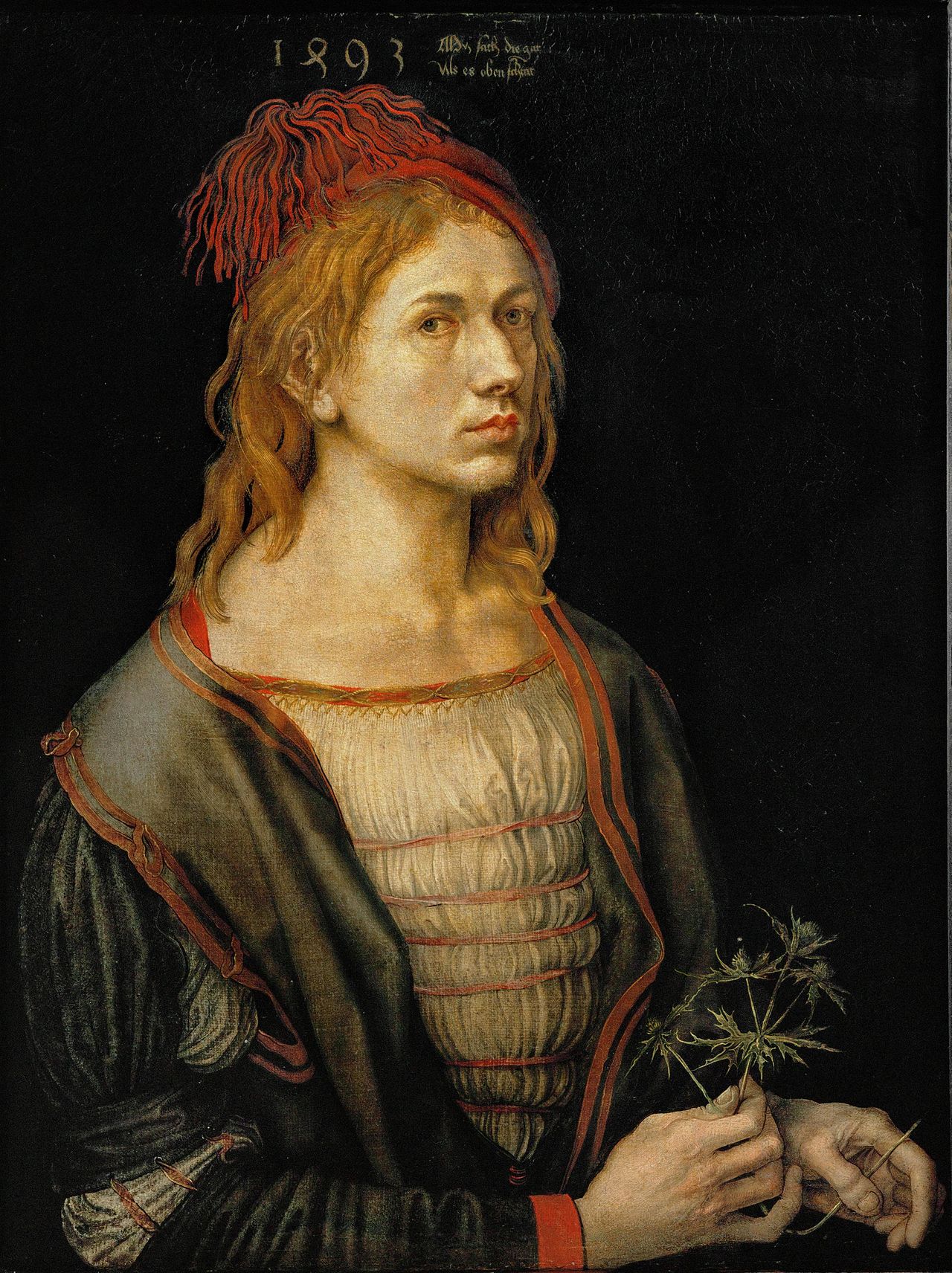
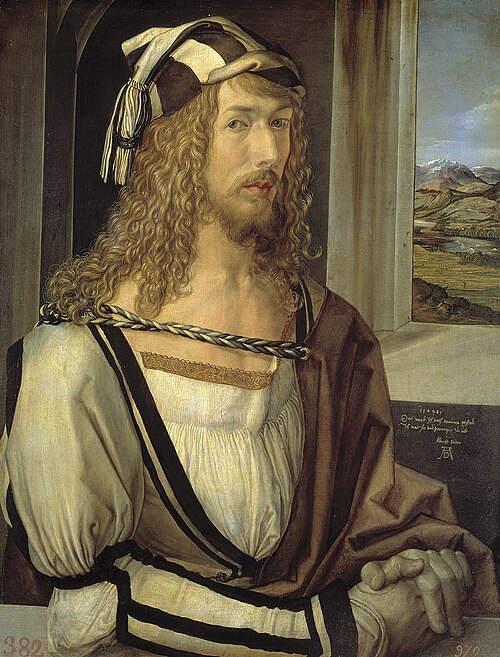
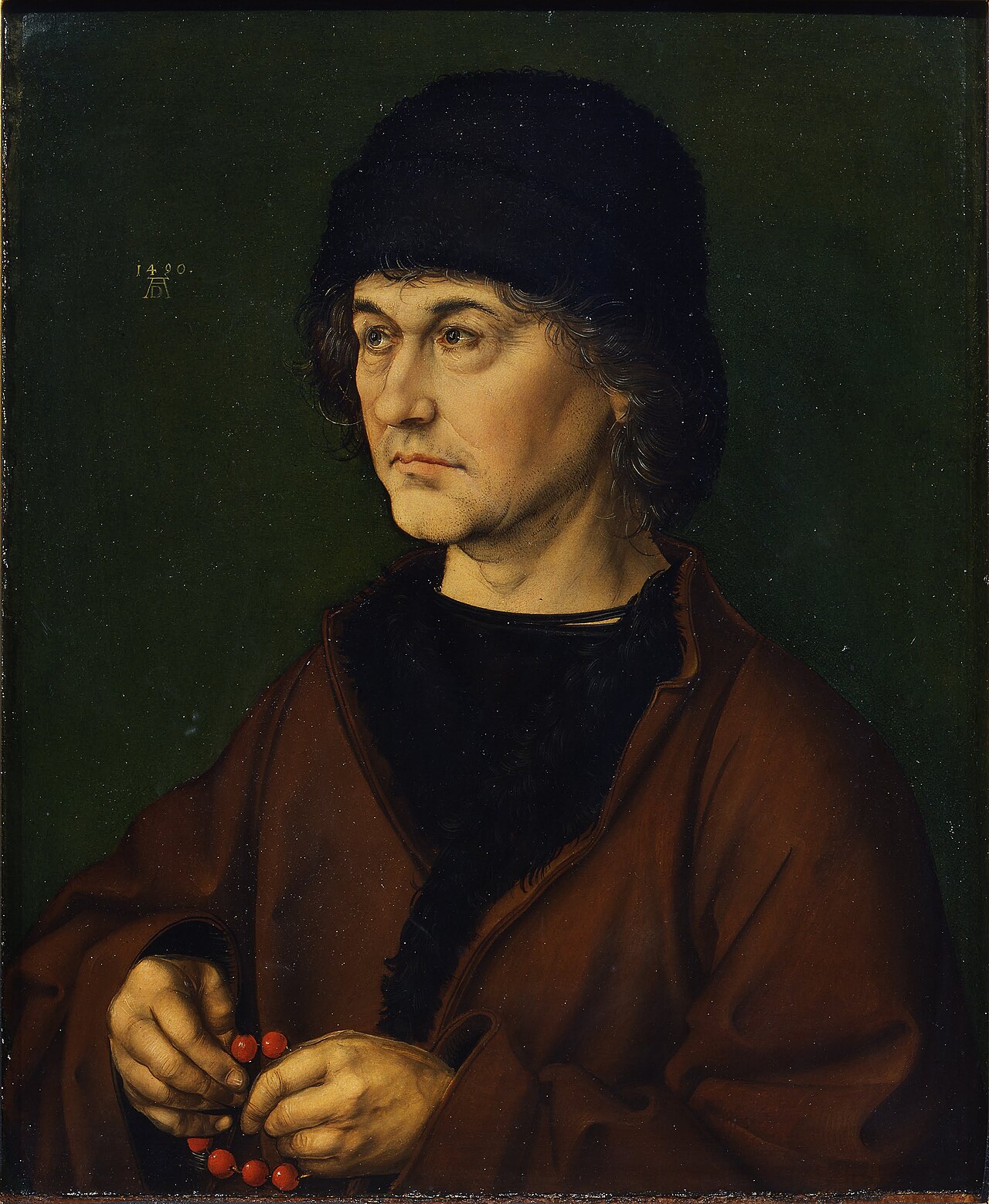
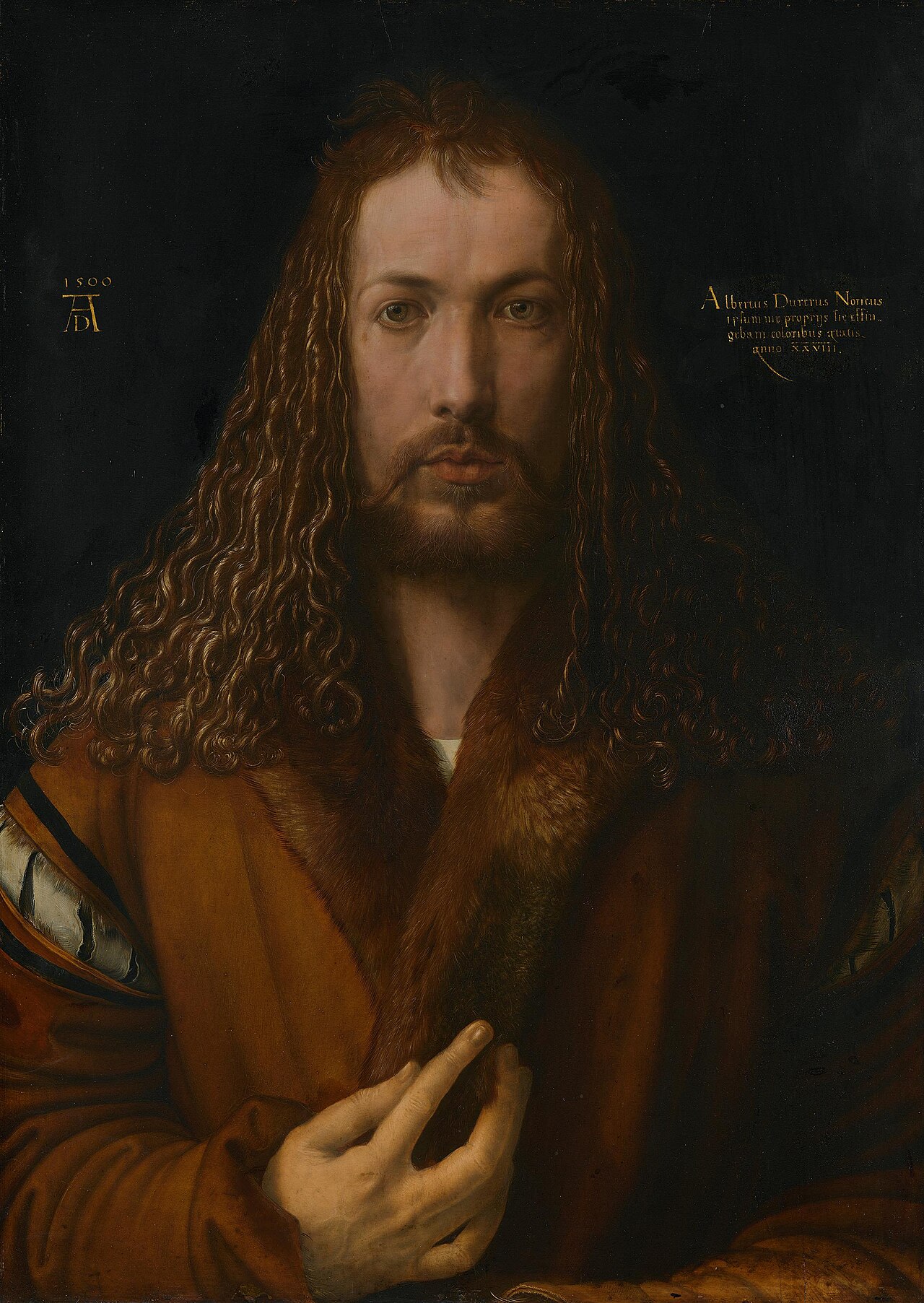
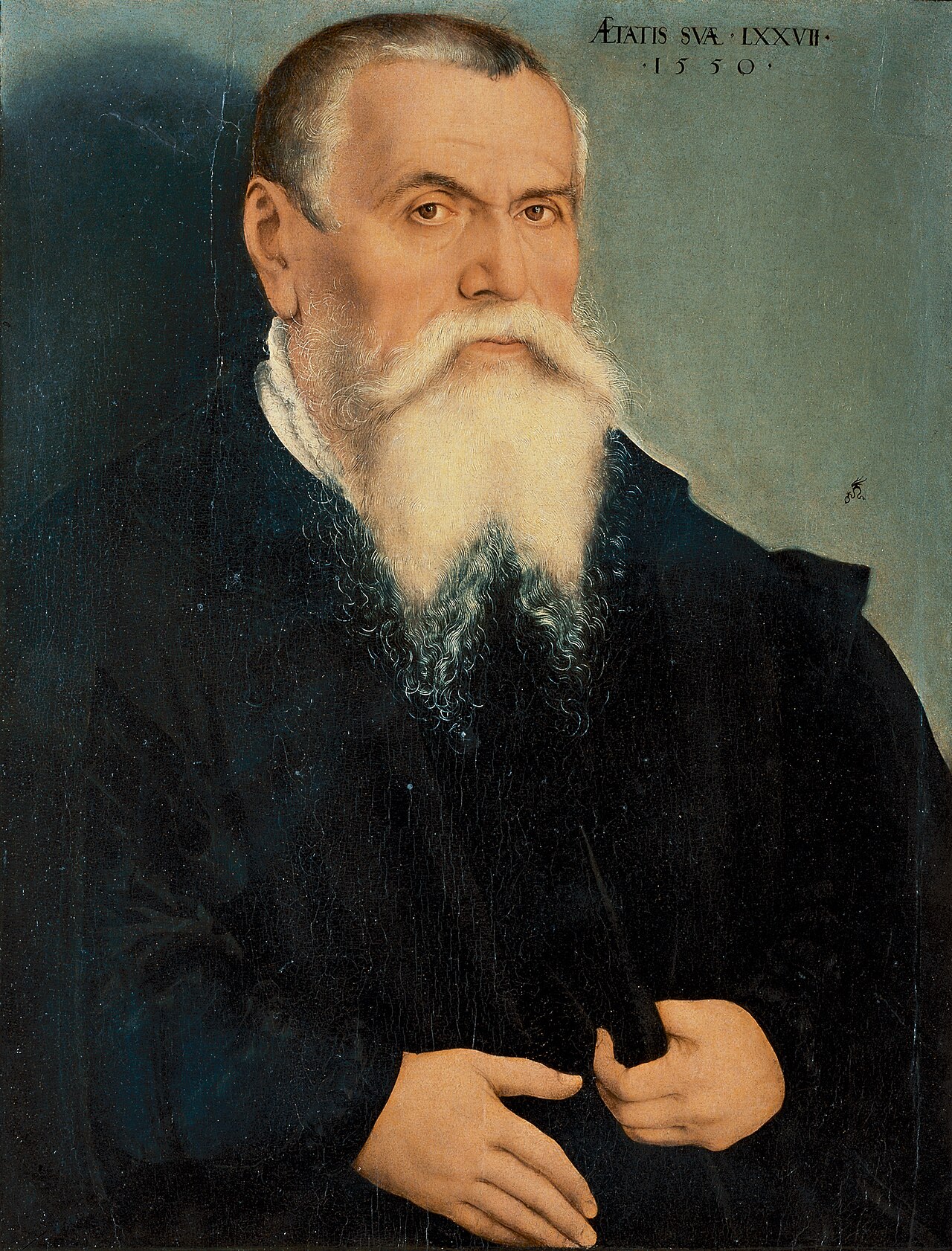
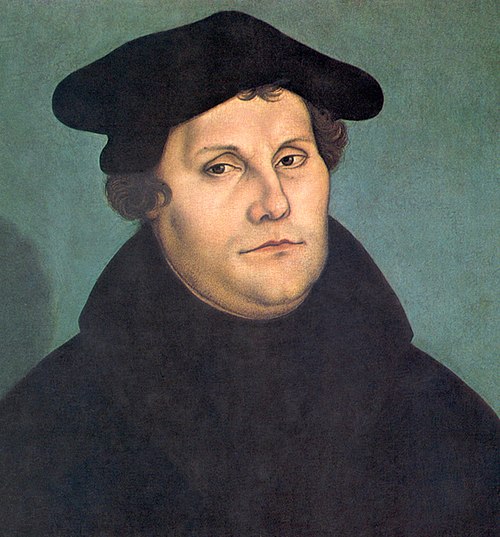
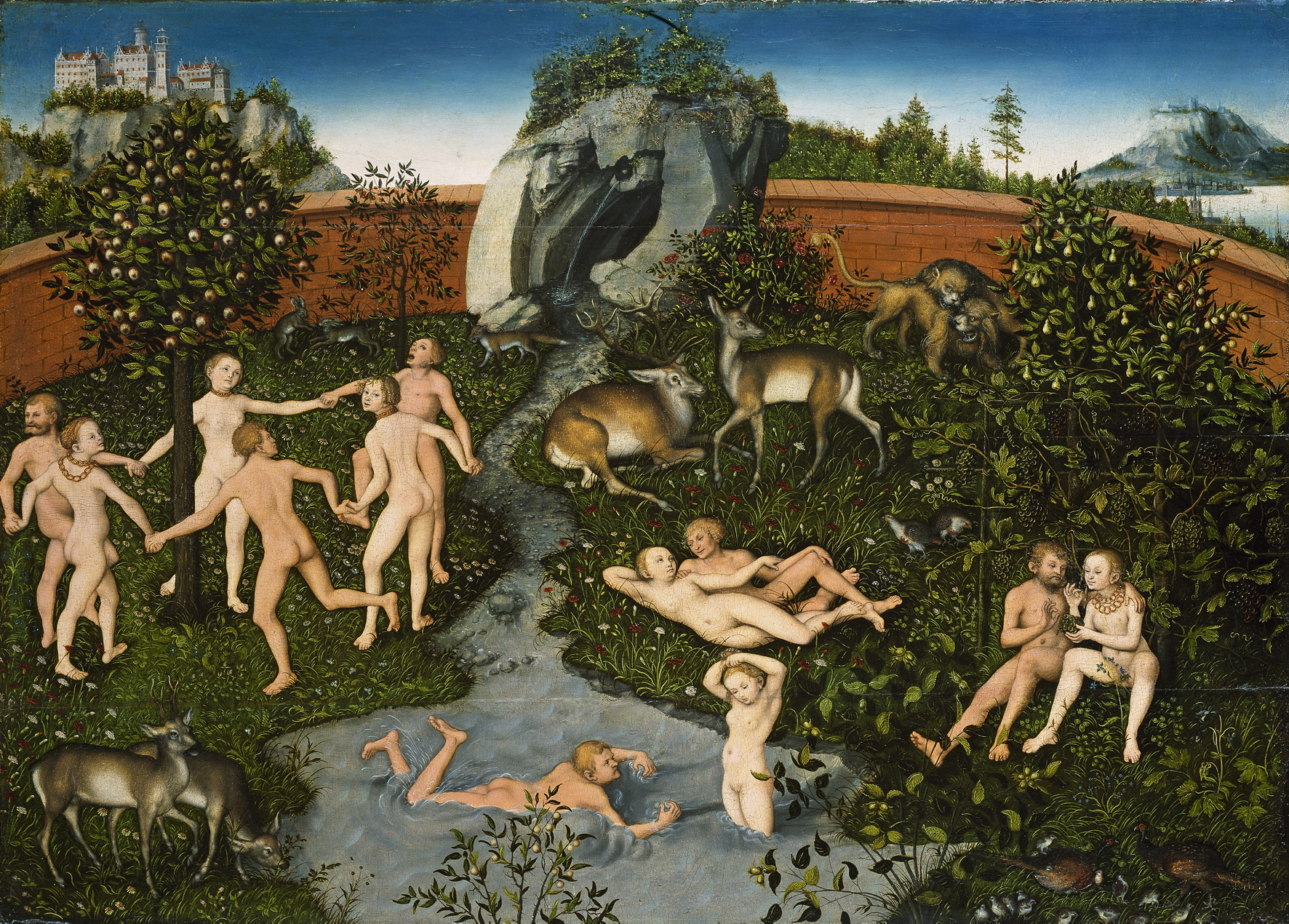
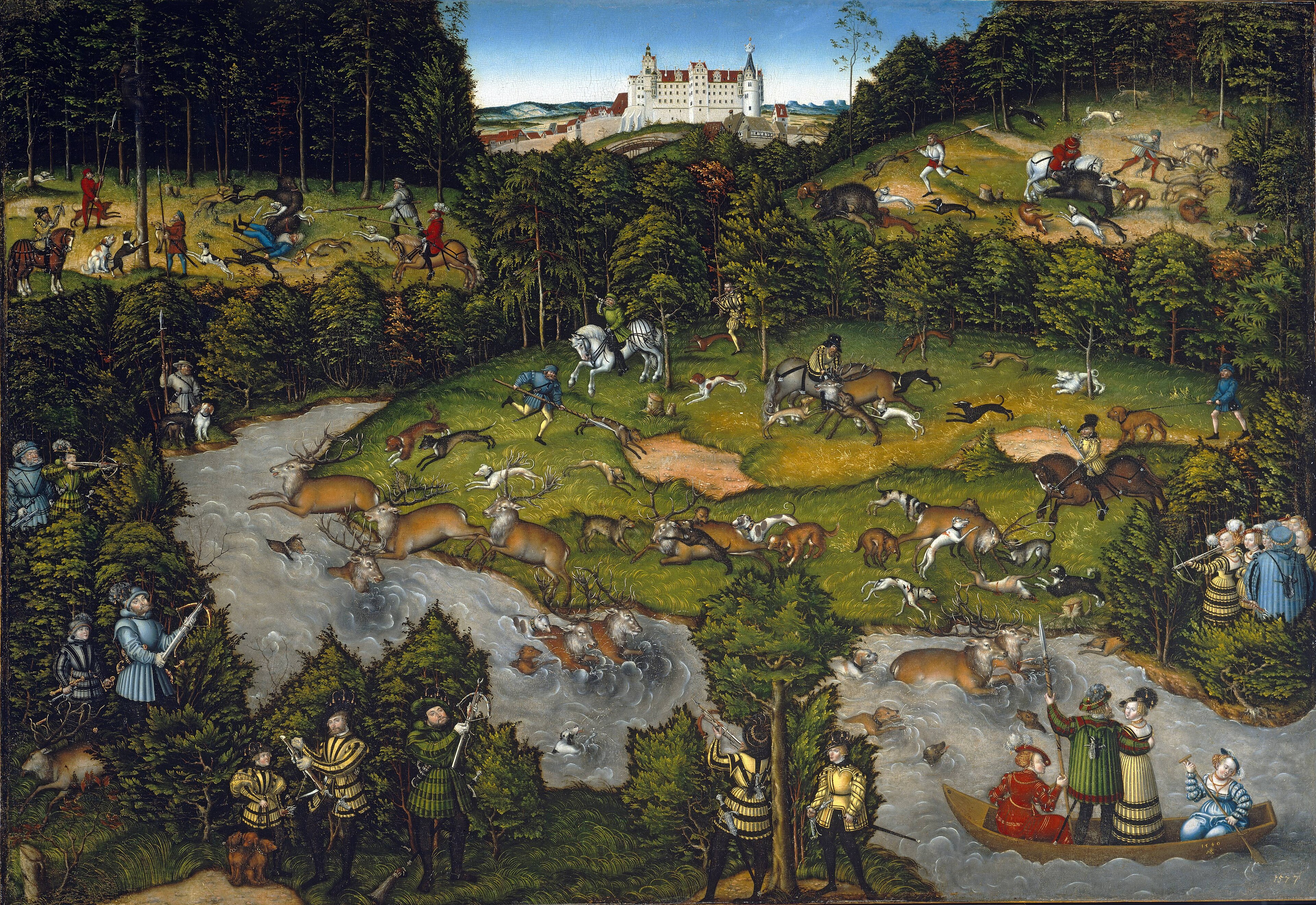
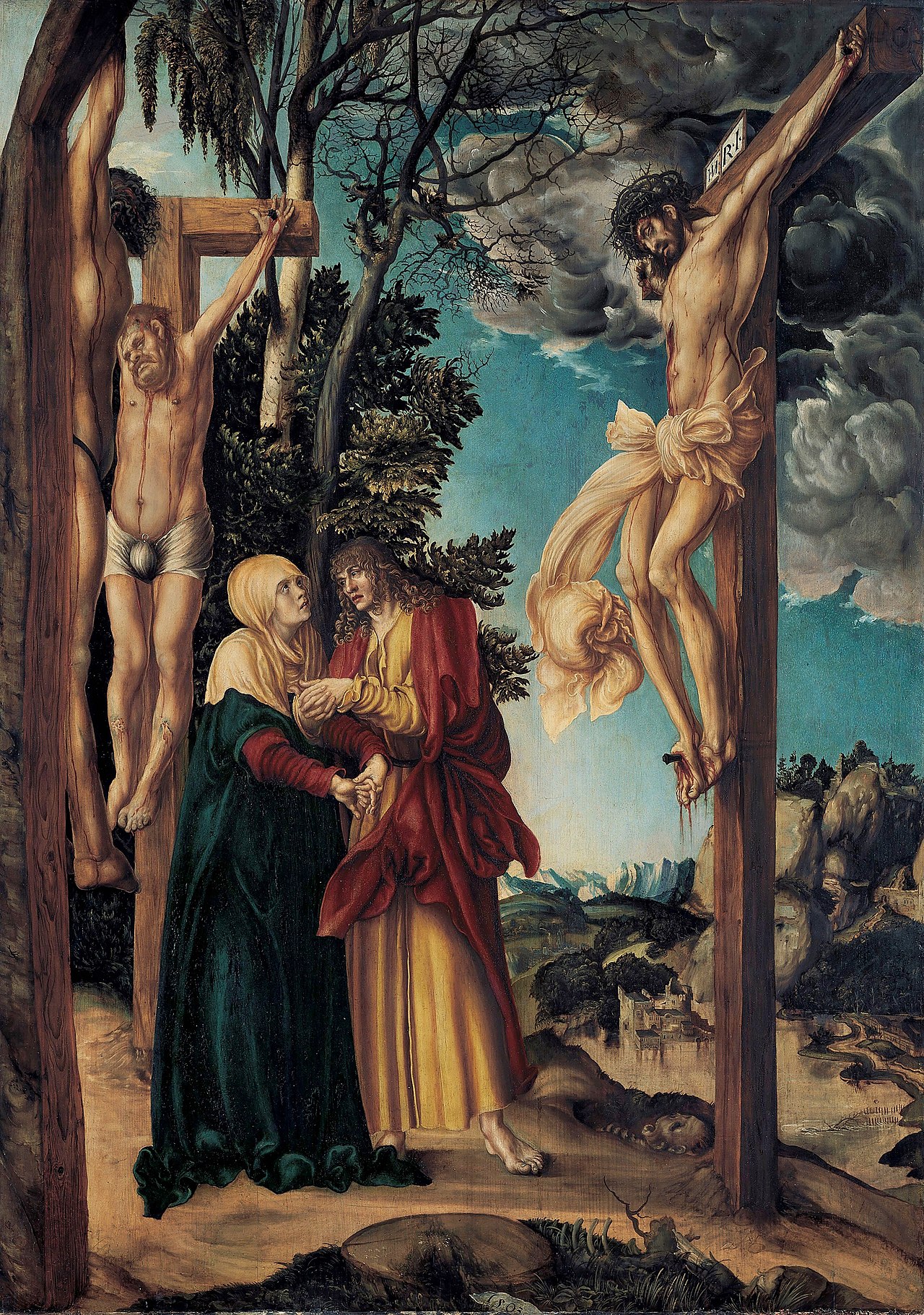
Lucas Cranach the Elder painted portraits of Protestant reformers - Luther, Melanchthon - alongside mythological nudes, all with a distinctive sharpness of line and a slightly cooler palette.
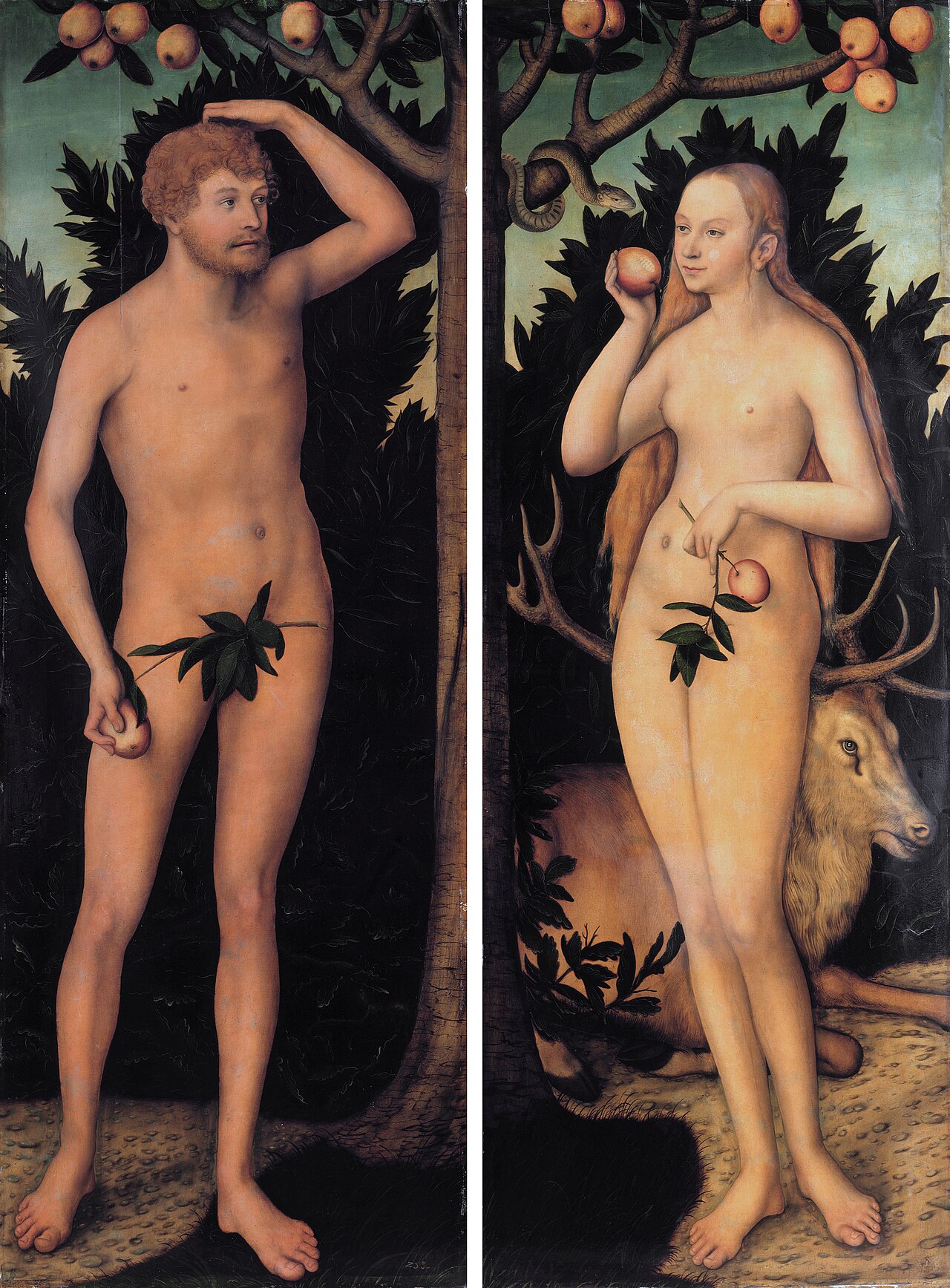
His son, Lucas Cranach the Younger, continued his father's style so faithfully that their works are often hard to tell apart - the Uffizi's Adam and Eve panels are among the finest examples in the room.
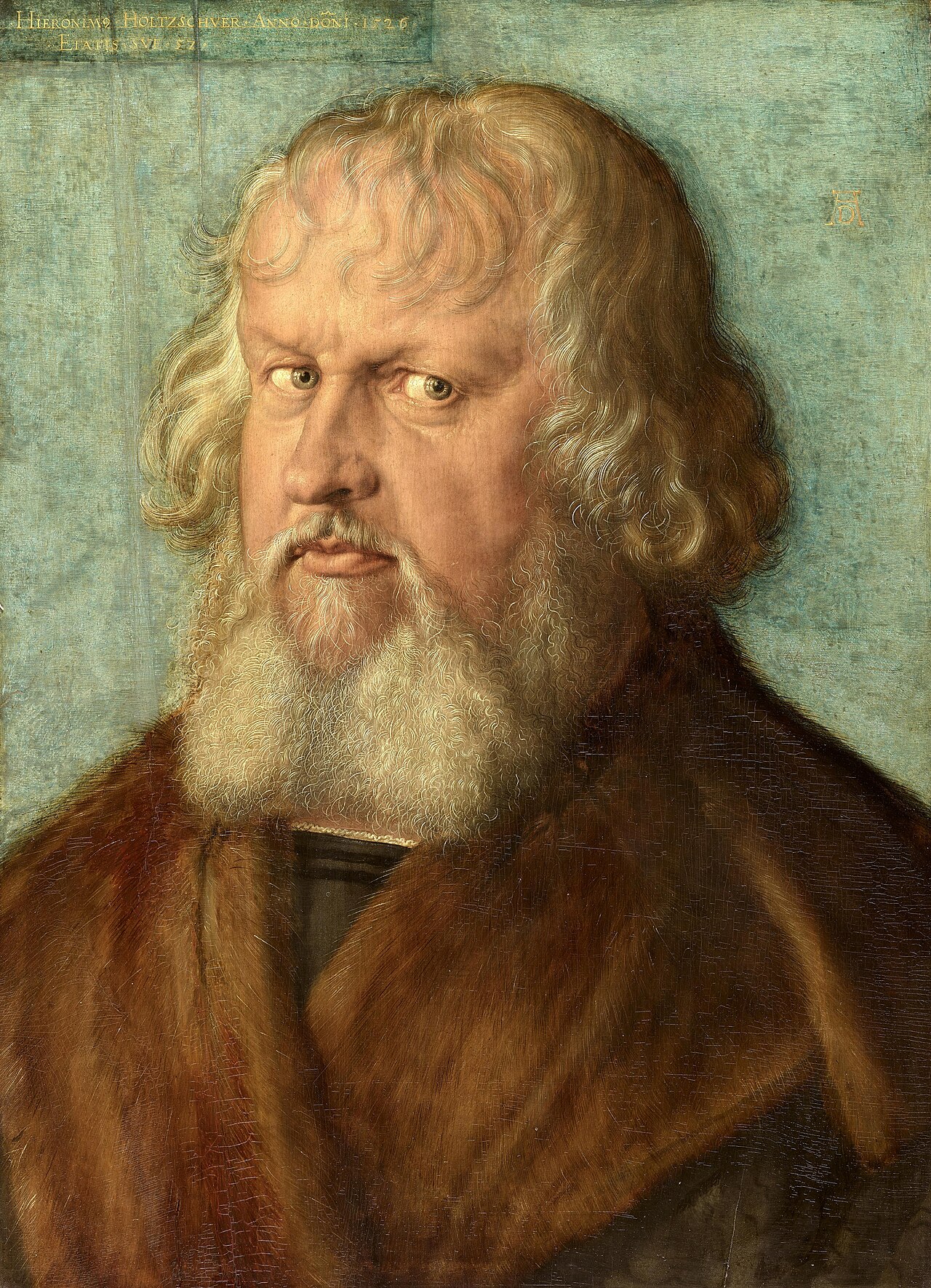
Albrecht Dürer's works bring the Northern obsession with precision and self-examination: real faces, real aging, real expressions.
These are people, not ideals.
The Reformation is happening somewhere just off the edge of these canvases.
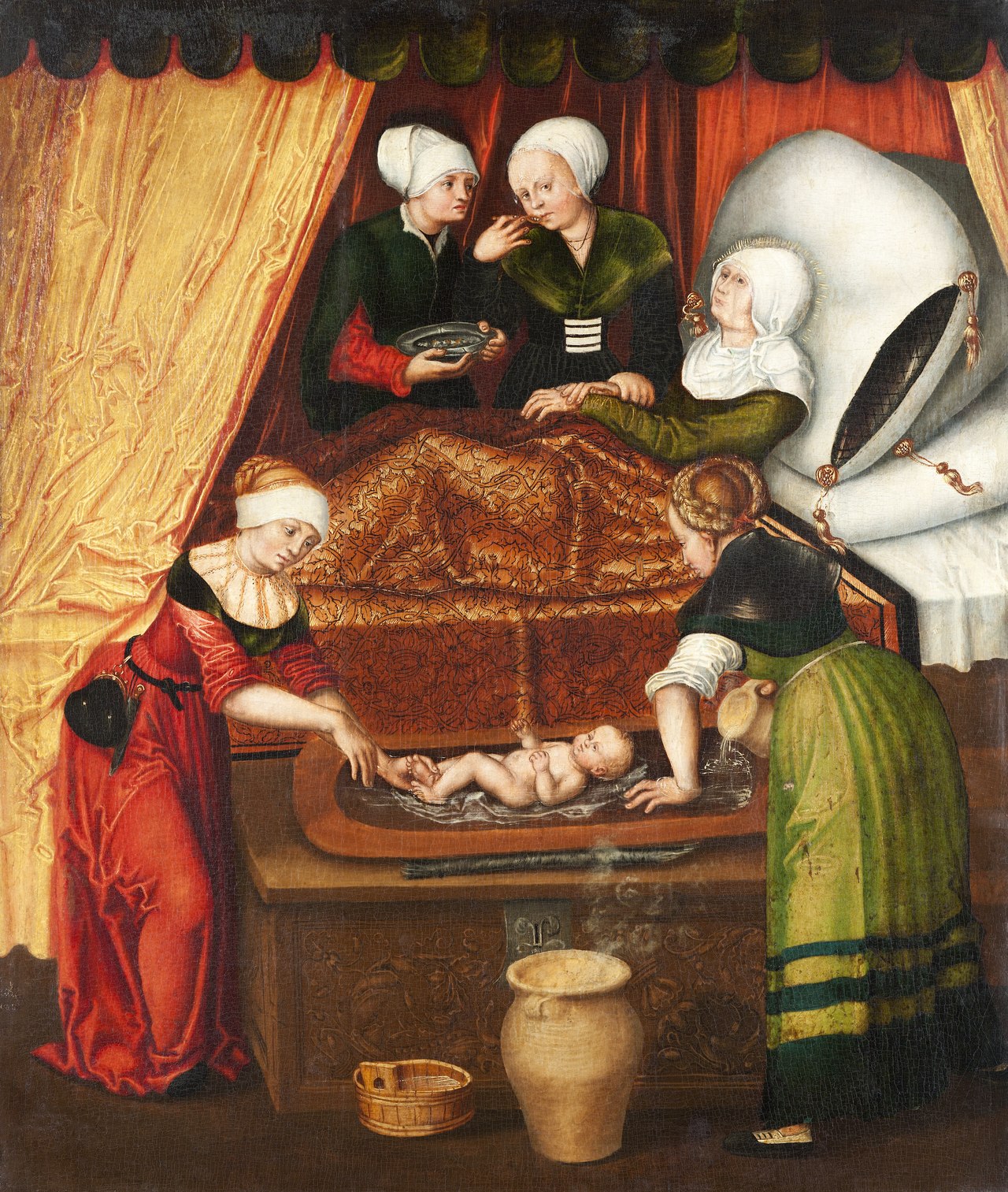
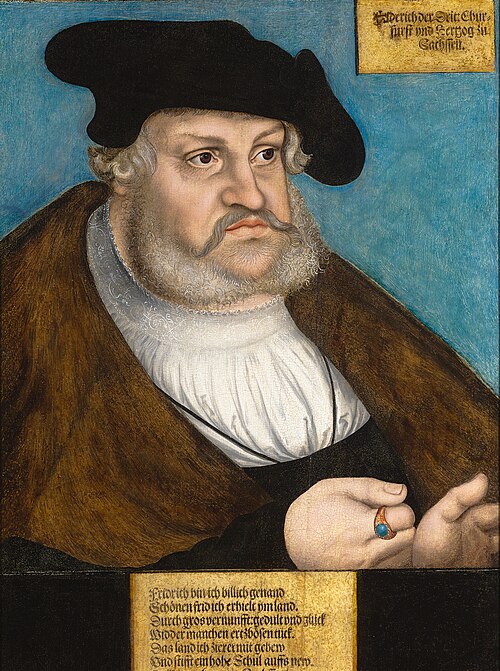
The contrast with Botticelli, a few rooms back, is striking.
Different colours, different light, different conception of what painting is for.
The Italian Renaissance and the Northern Renaissance were in conversation across the Alps, but they arrived at very different answers.
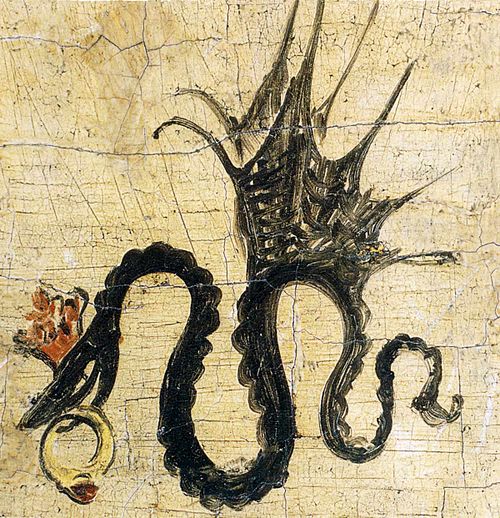
Fun fact: Cranach's signature was not a name but an emblem - a small winged serpent with a ruby ring, which appears in the corner of his paintings from 1508 onwards.
Once you know to look for it, you'll spot it.
Comments
Loading comments...