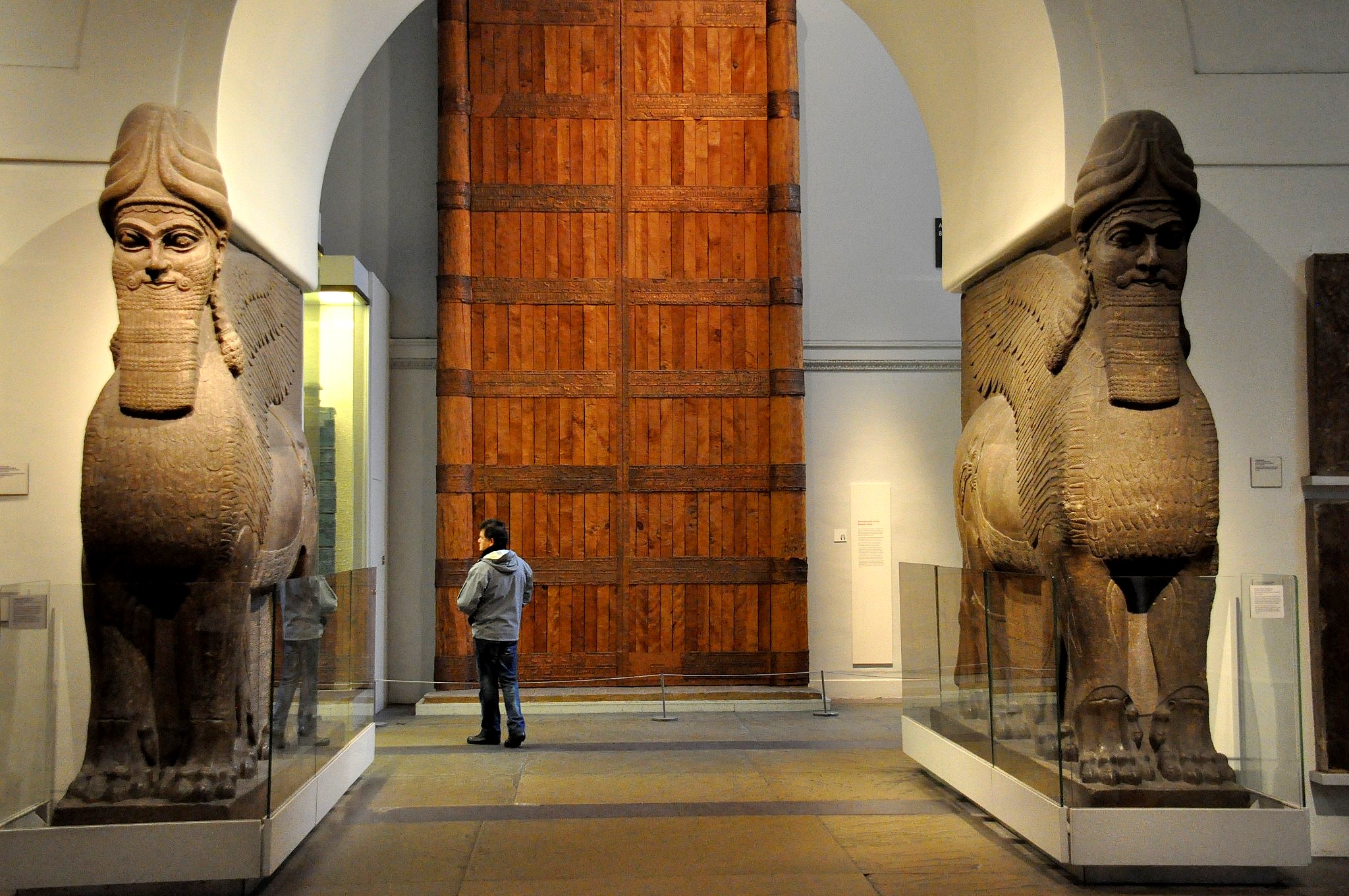


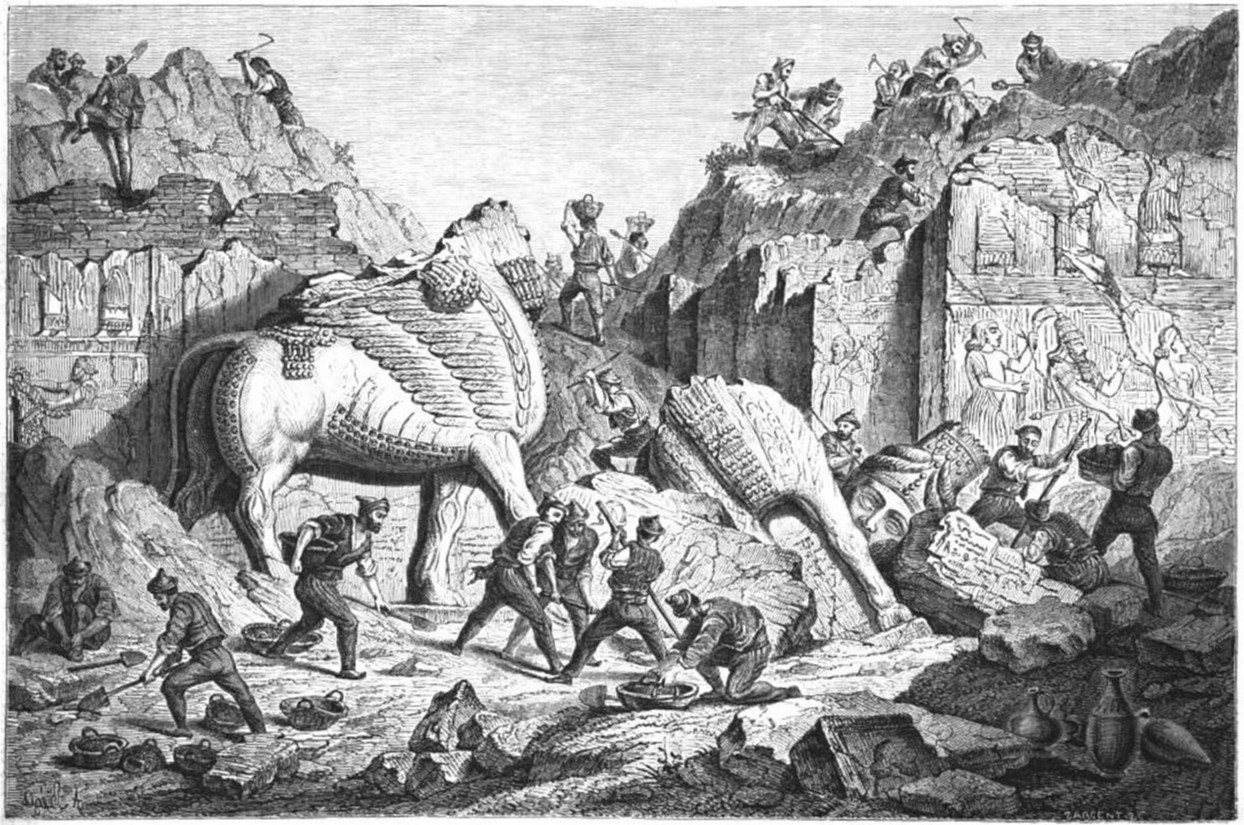
This massive Assyrian door and these Lamassu statues are some of the first objects you see as you enter the British Museum.
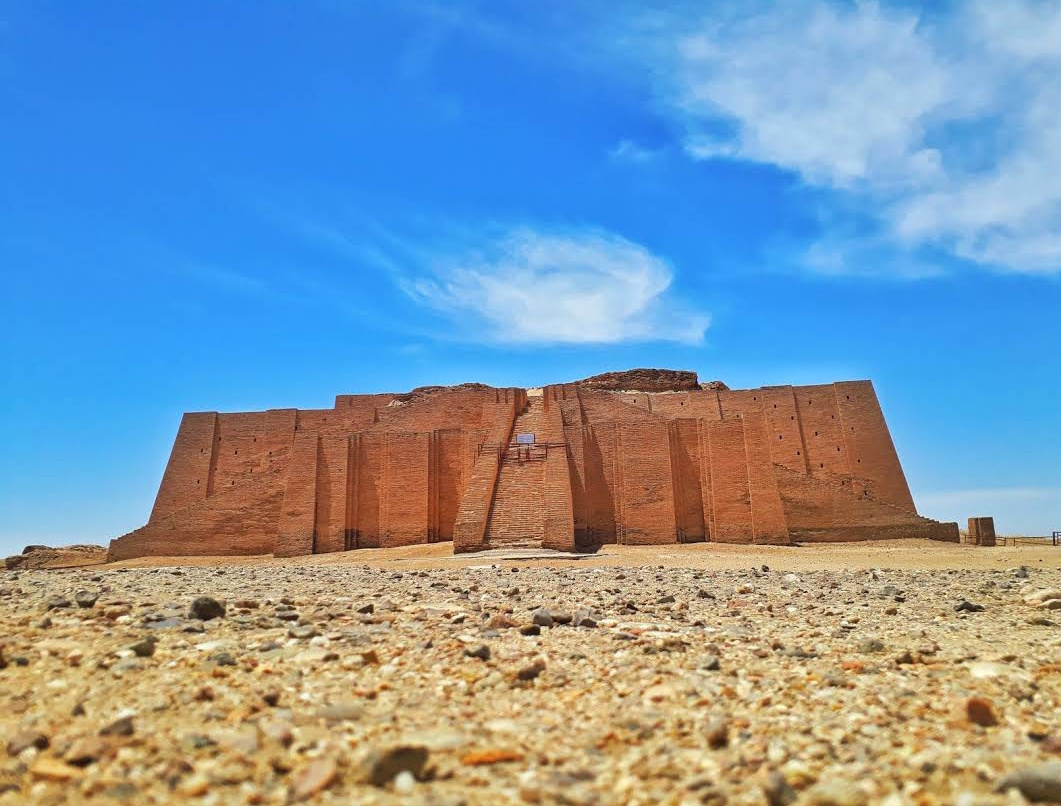
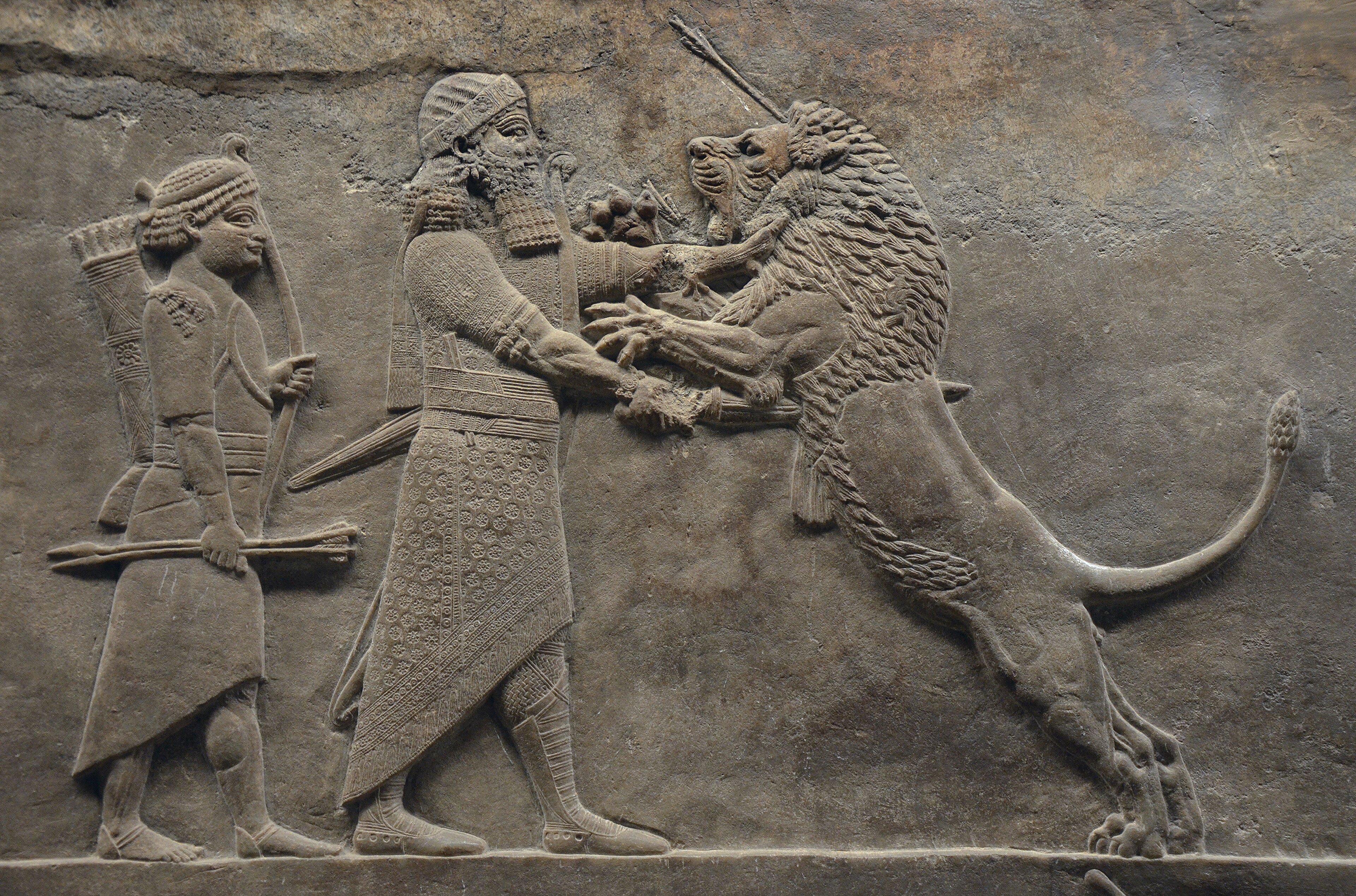
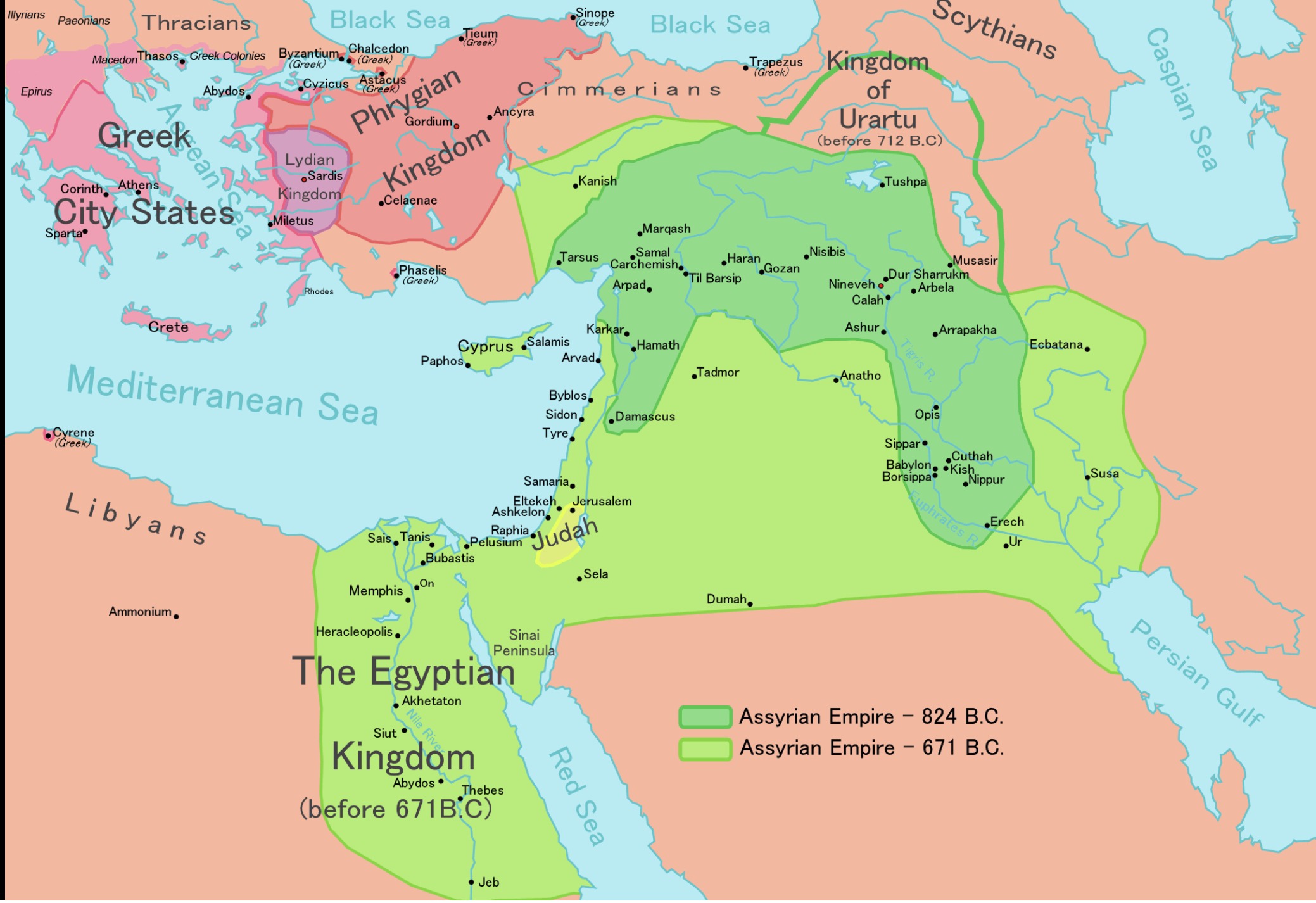
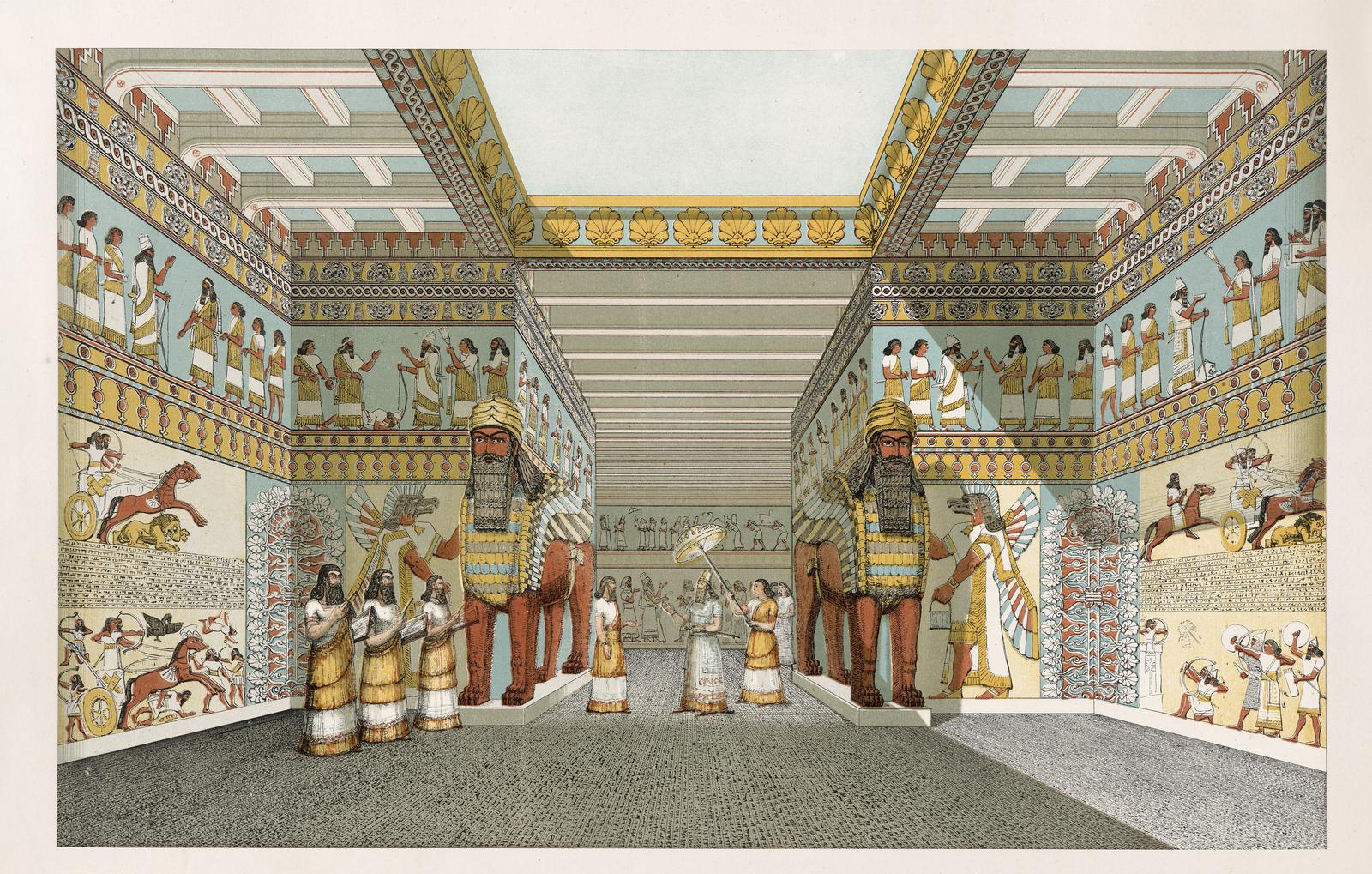
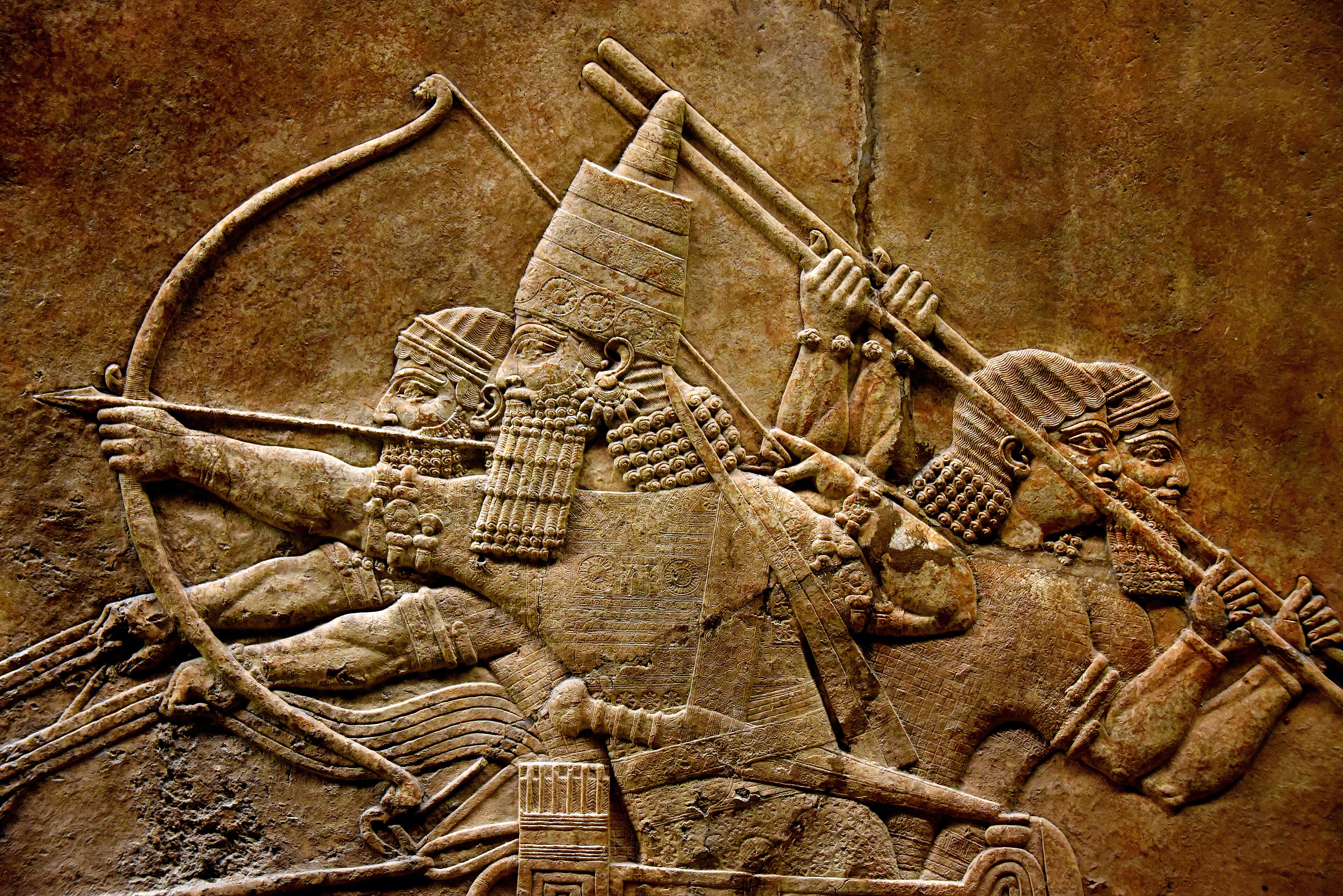
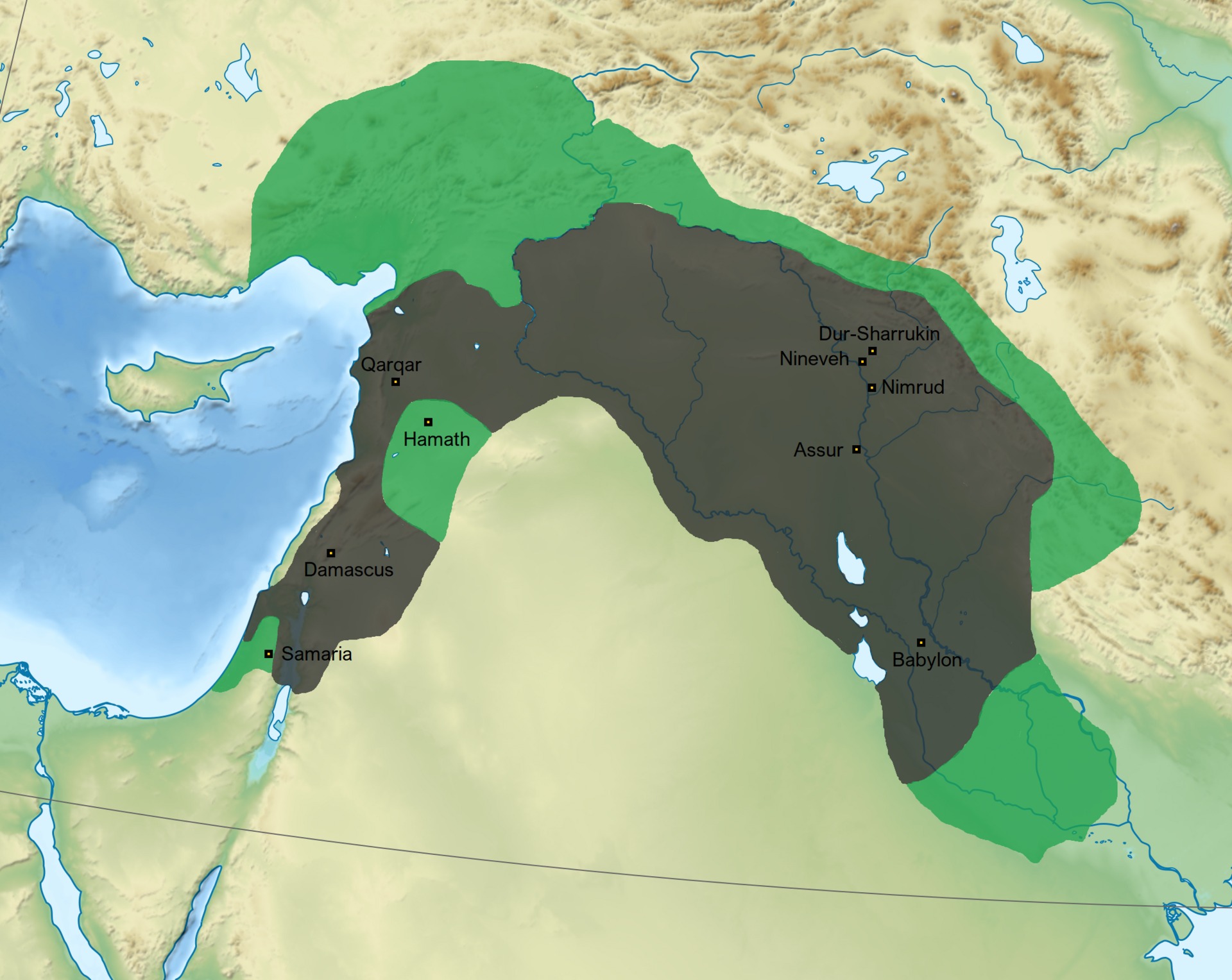
The Assyrians were the dominant power of the ancient Middle East from around 900 to 600 BC - a vast military empire stretching from Egypt to Persia, and feared across the known world.
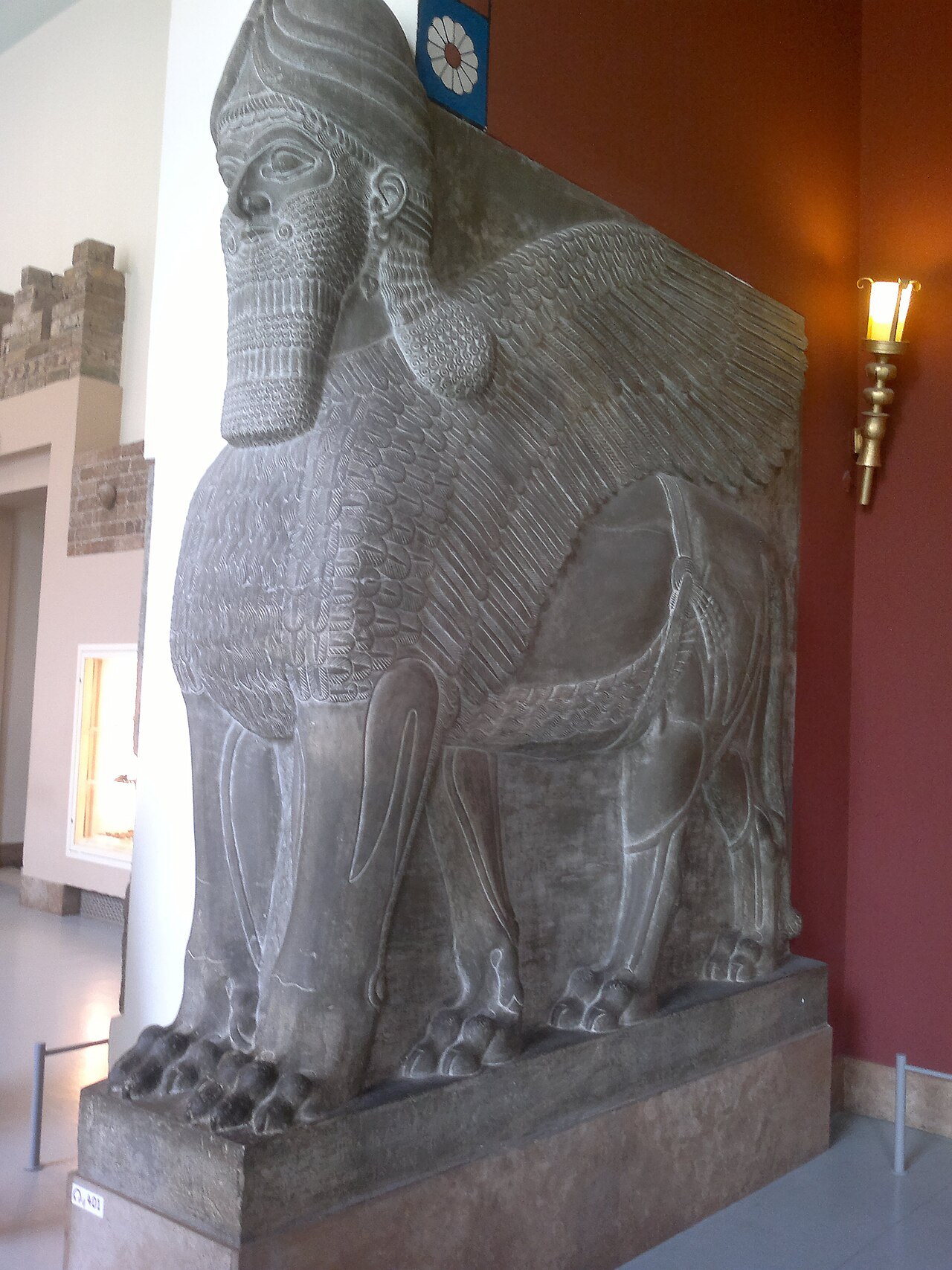
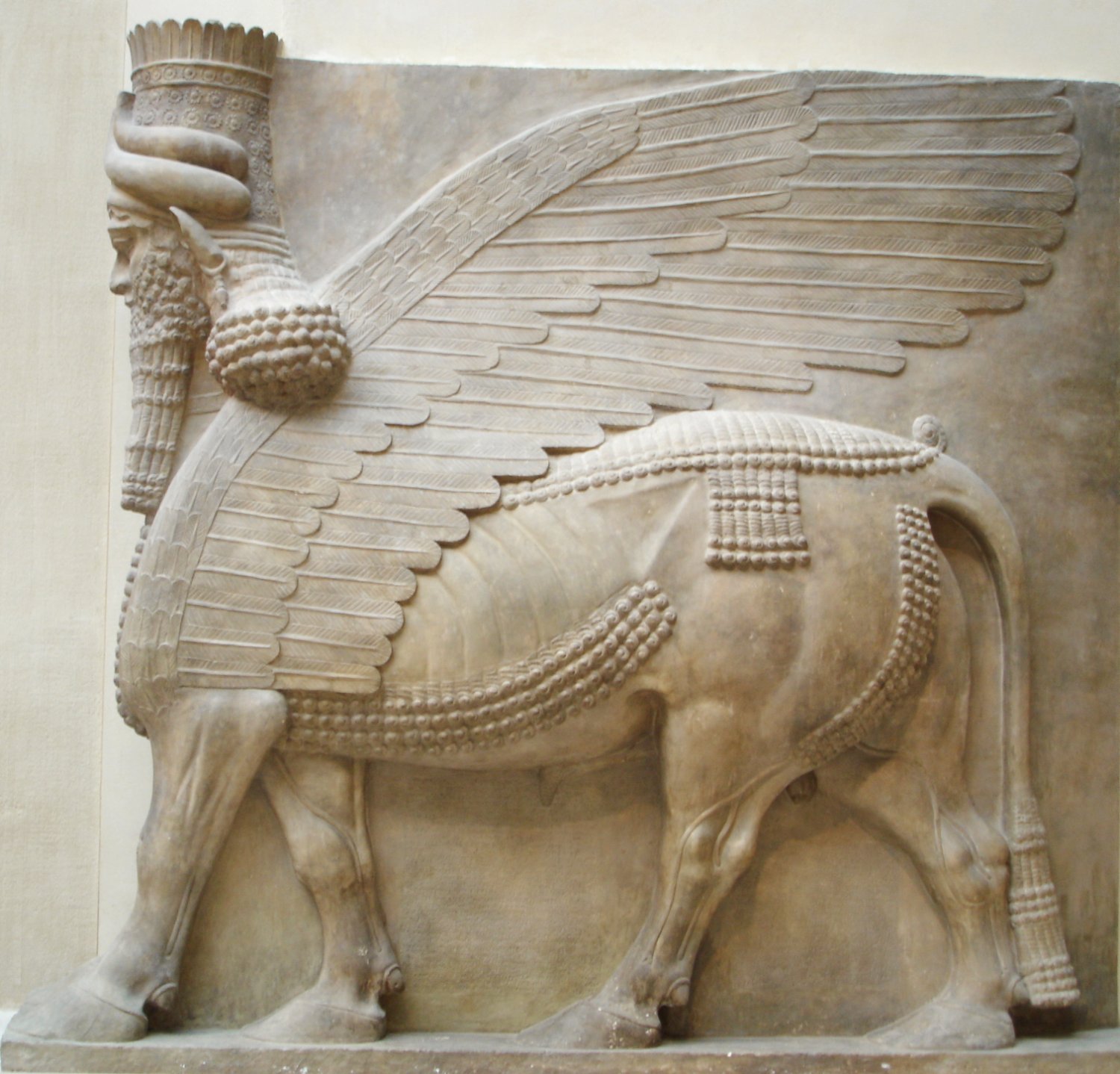
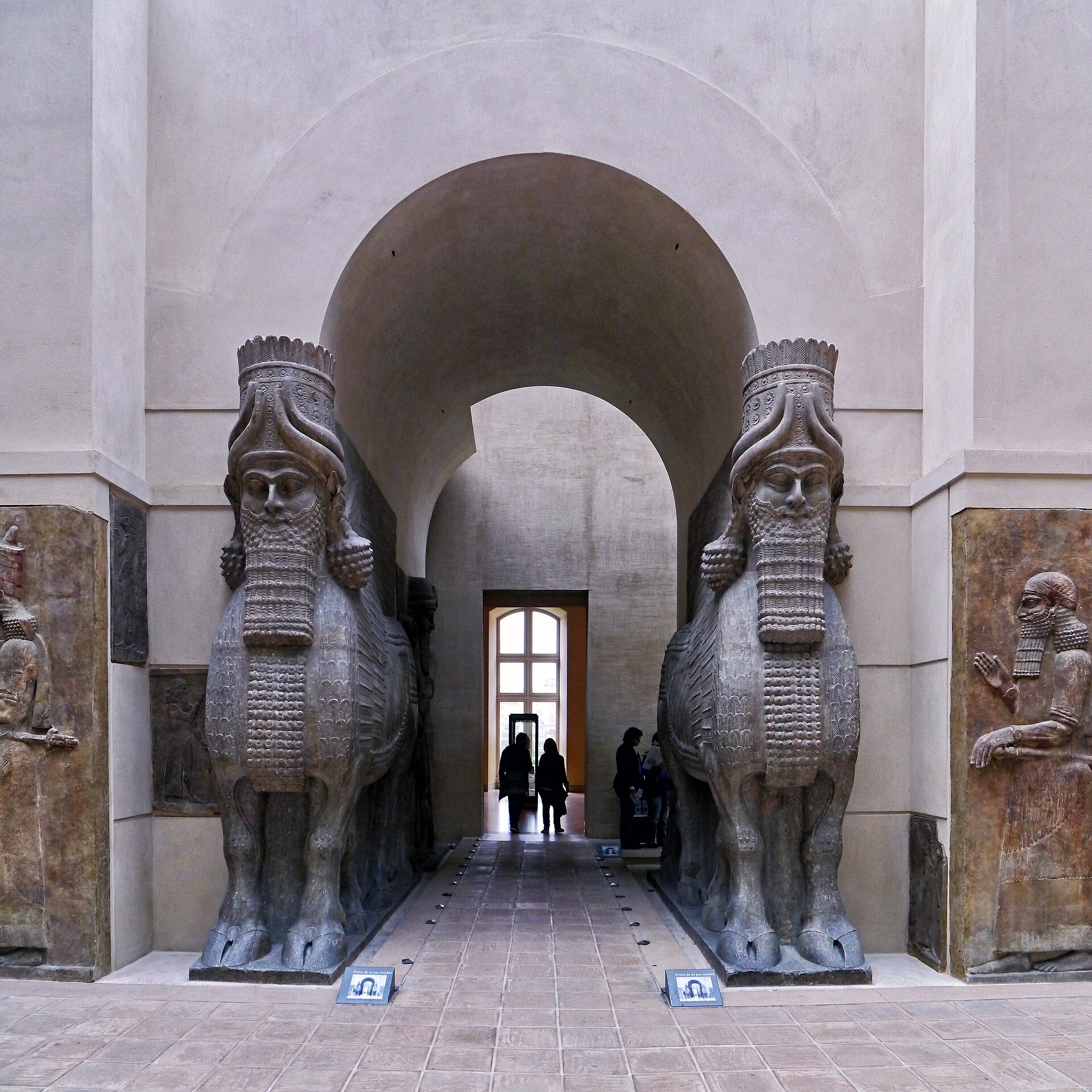
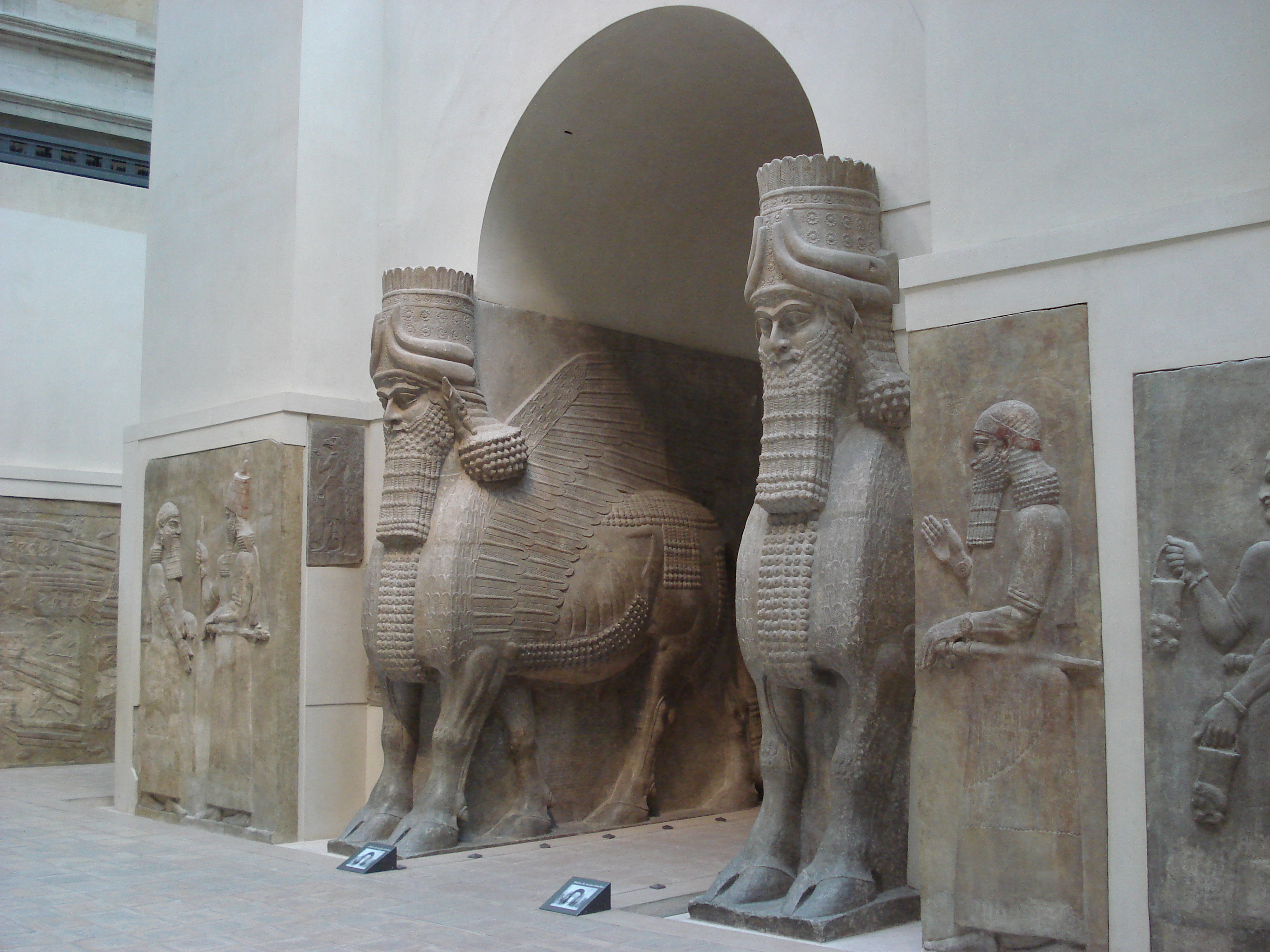
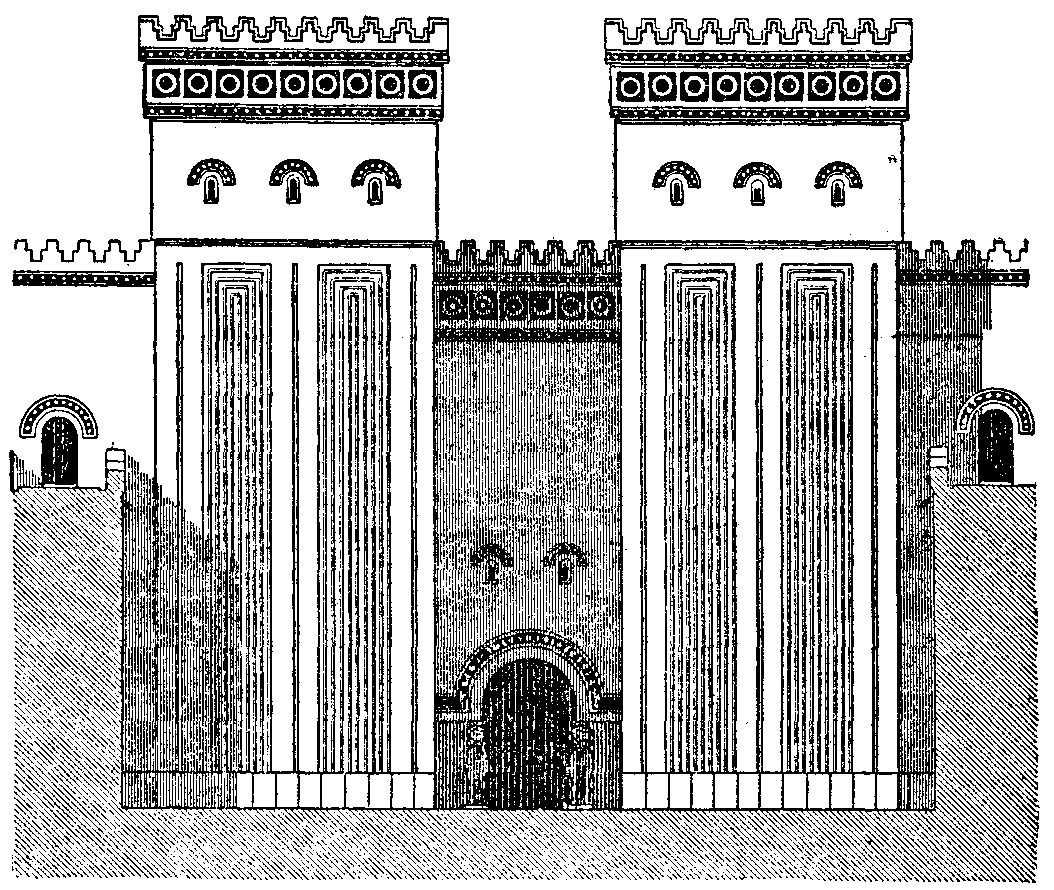
Lamassu statues existed across the Assyrian Empire. These are about 4m tall and weigh 16 tons and stood guard at the palace gates of the capital city of Khorsabad, in what is now northern Iraq. They are considered mythical figures - combining a human head (representing royal intelligence), wings (divine speed) and a bull or a lion (physical strength).
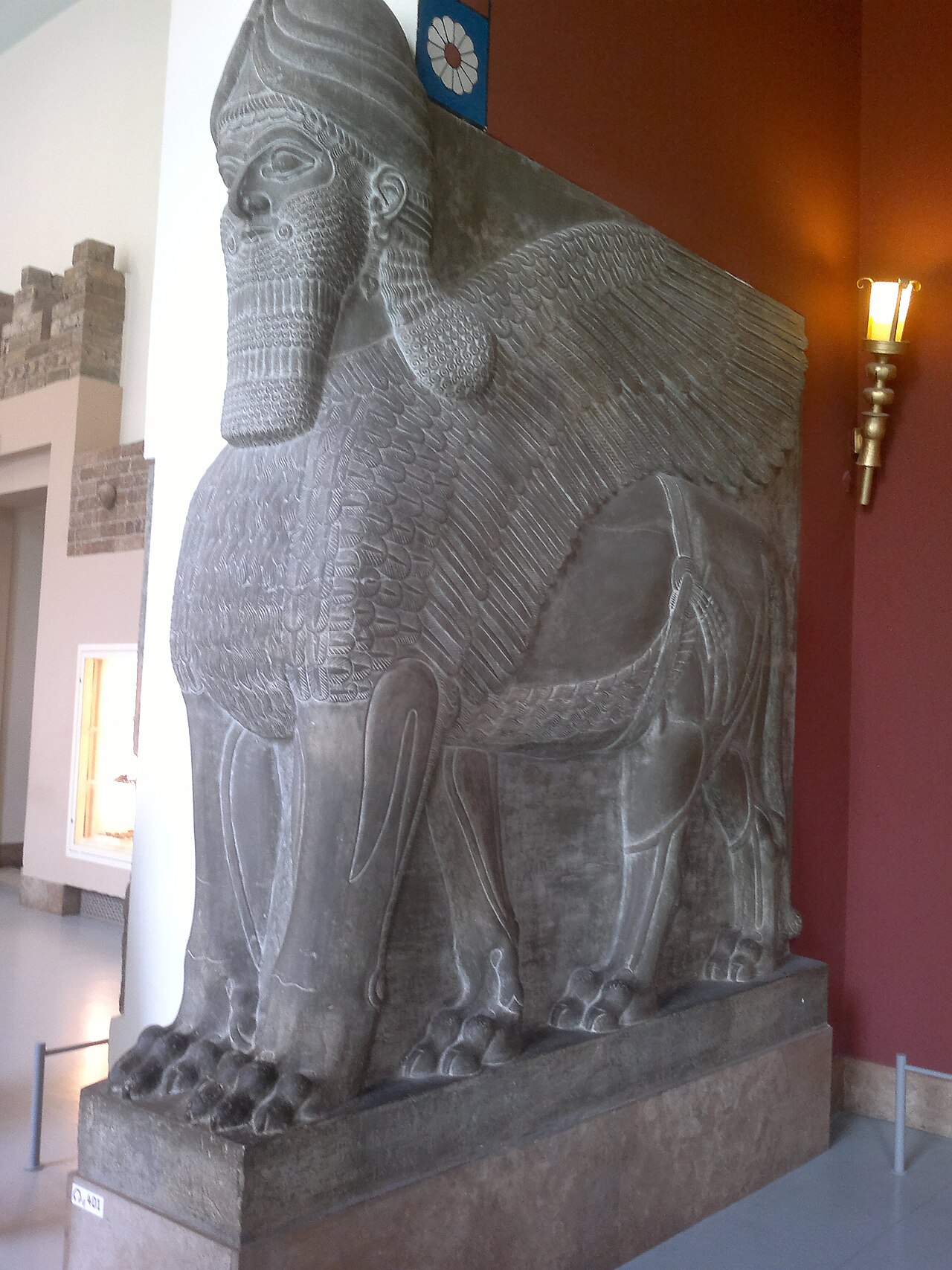
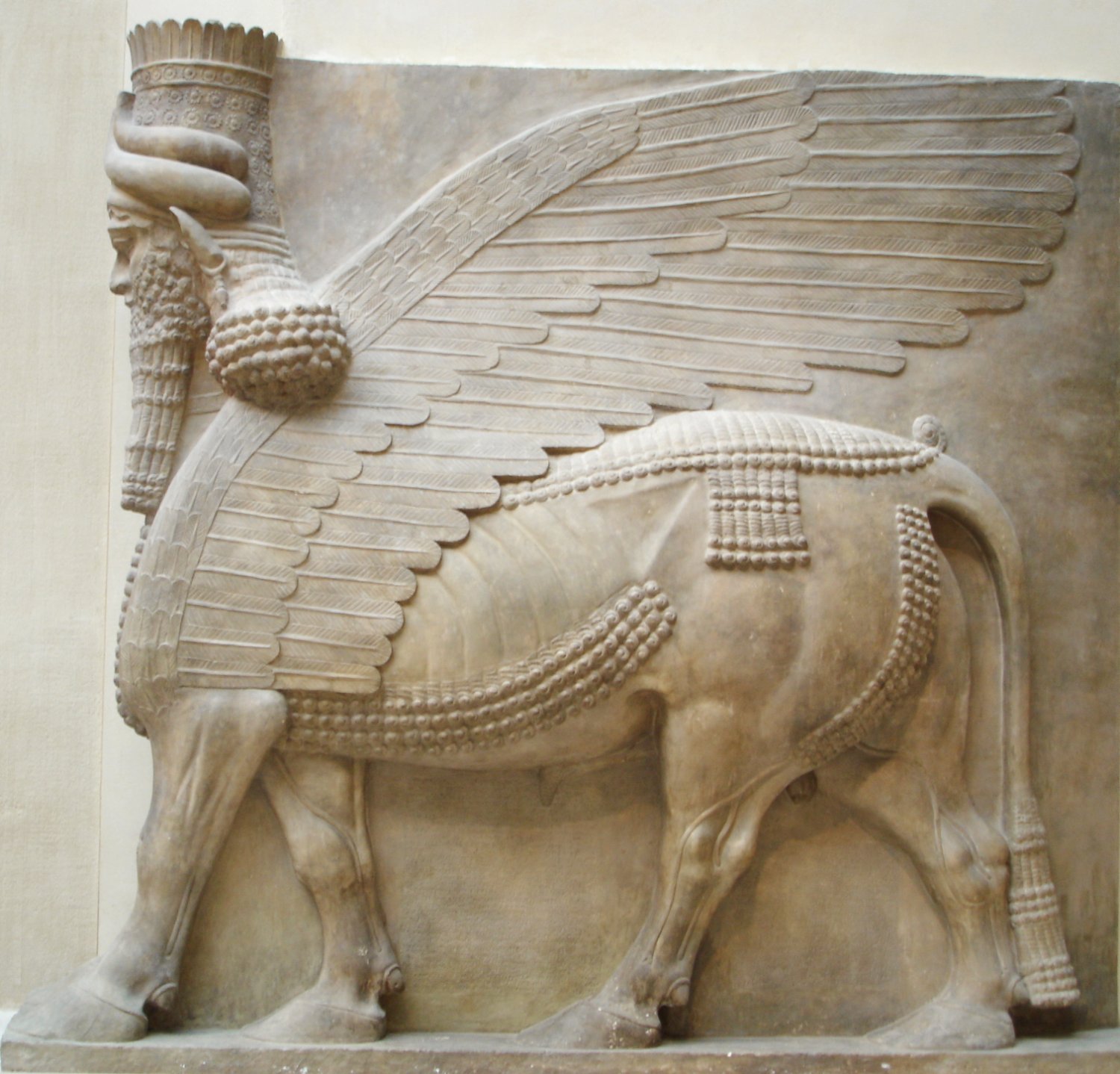
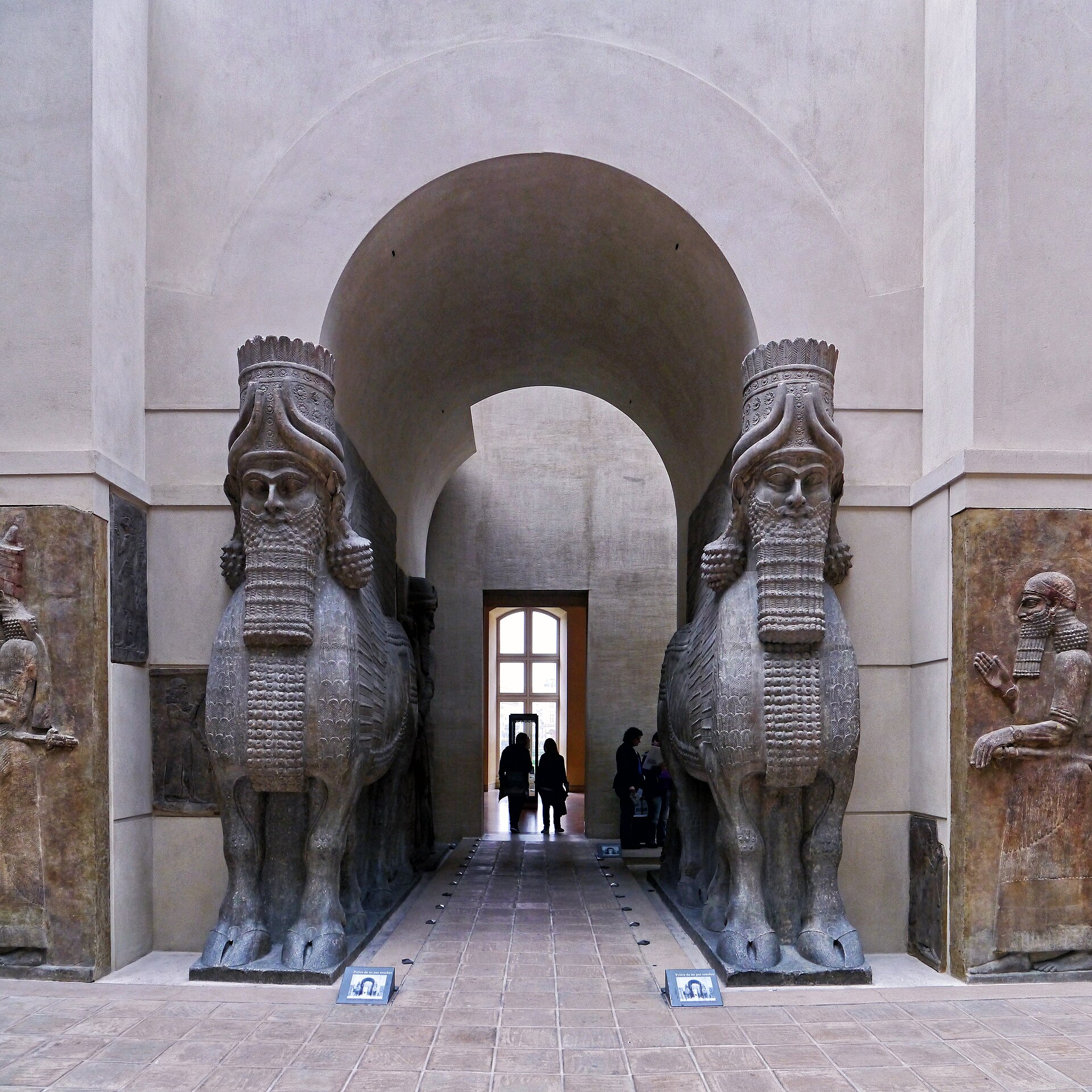
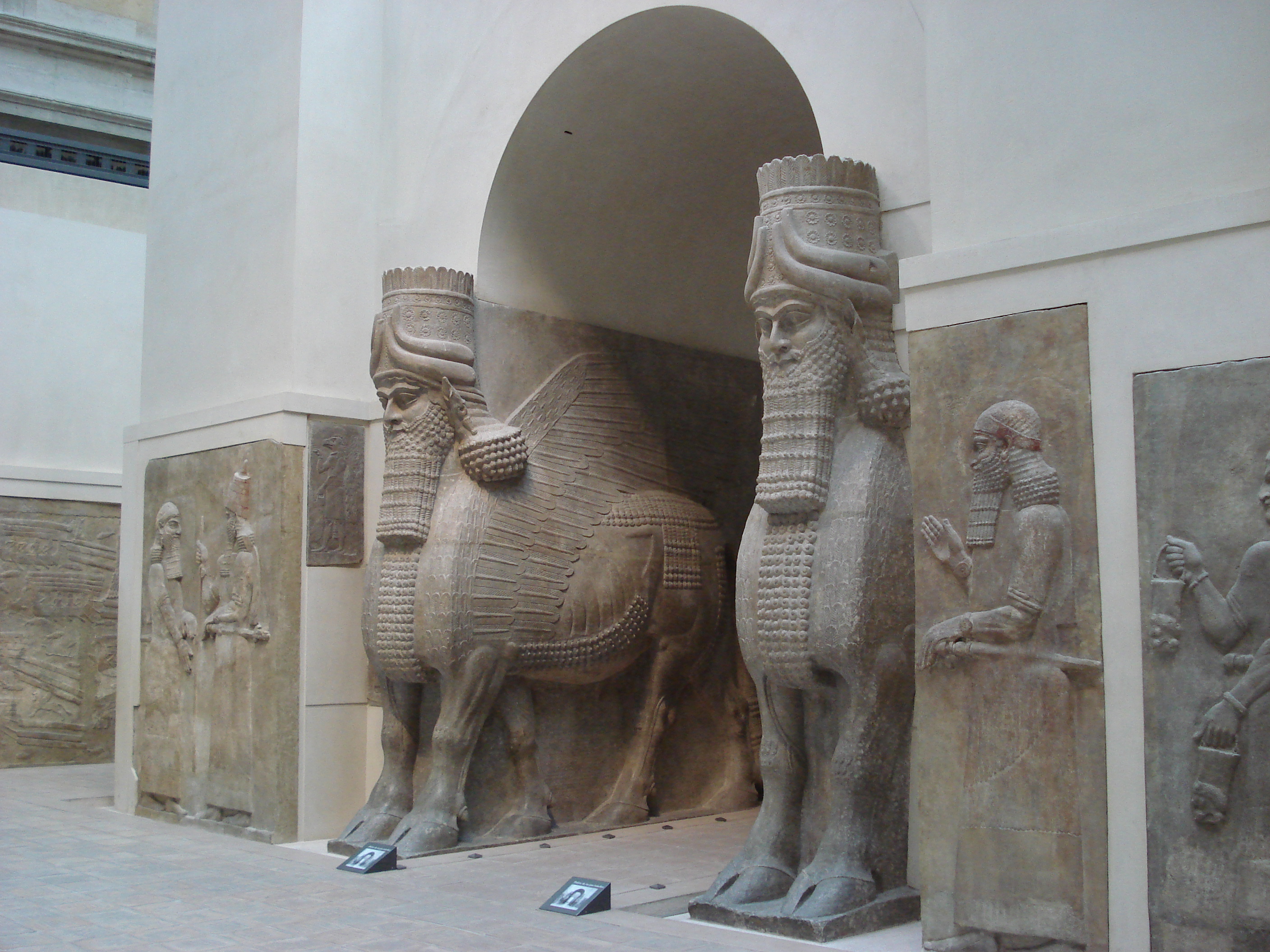
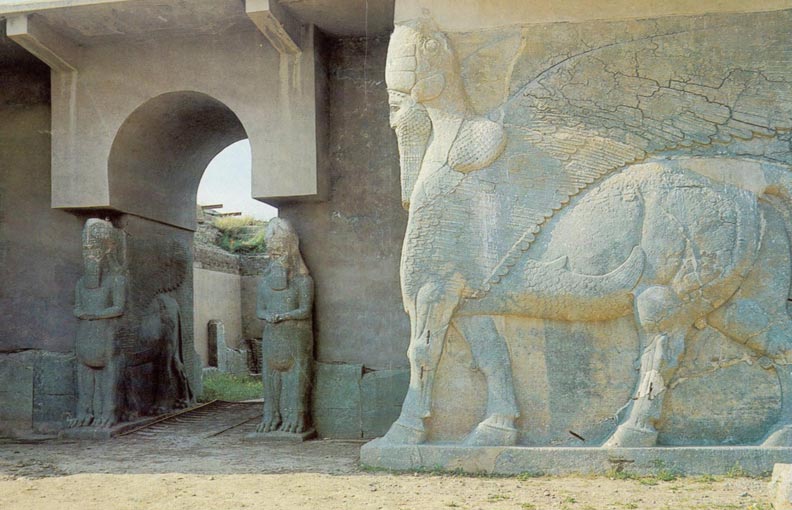
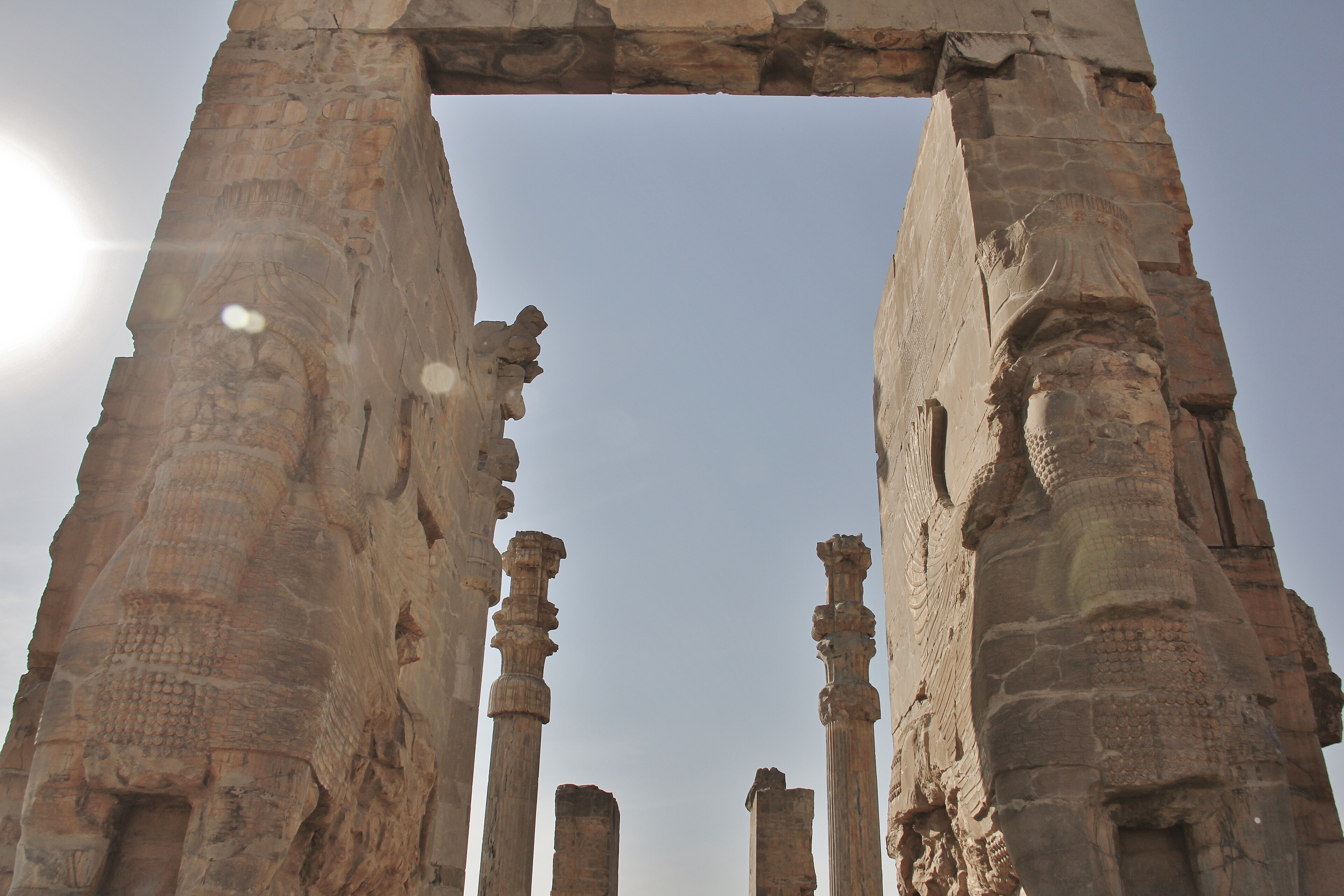
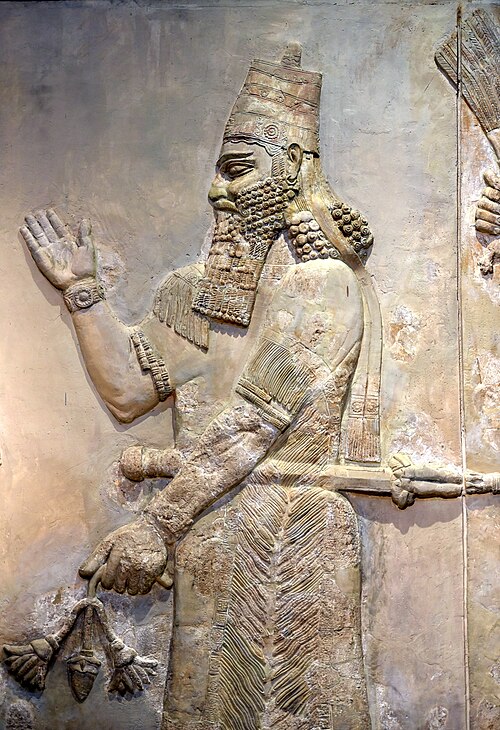
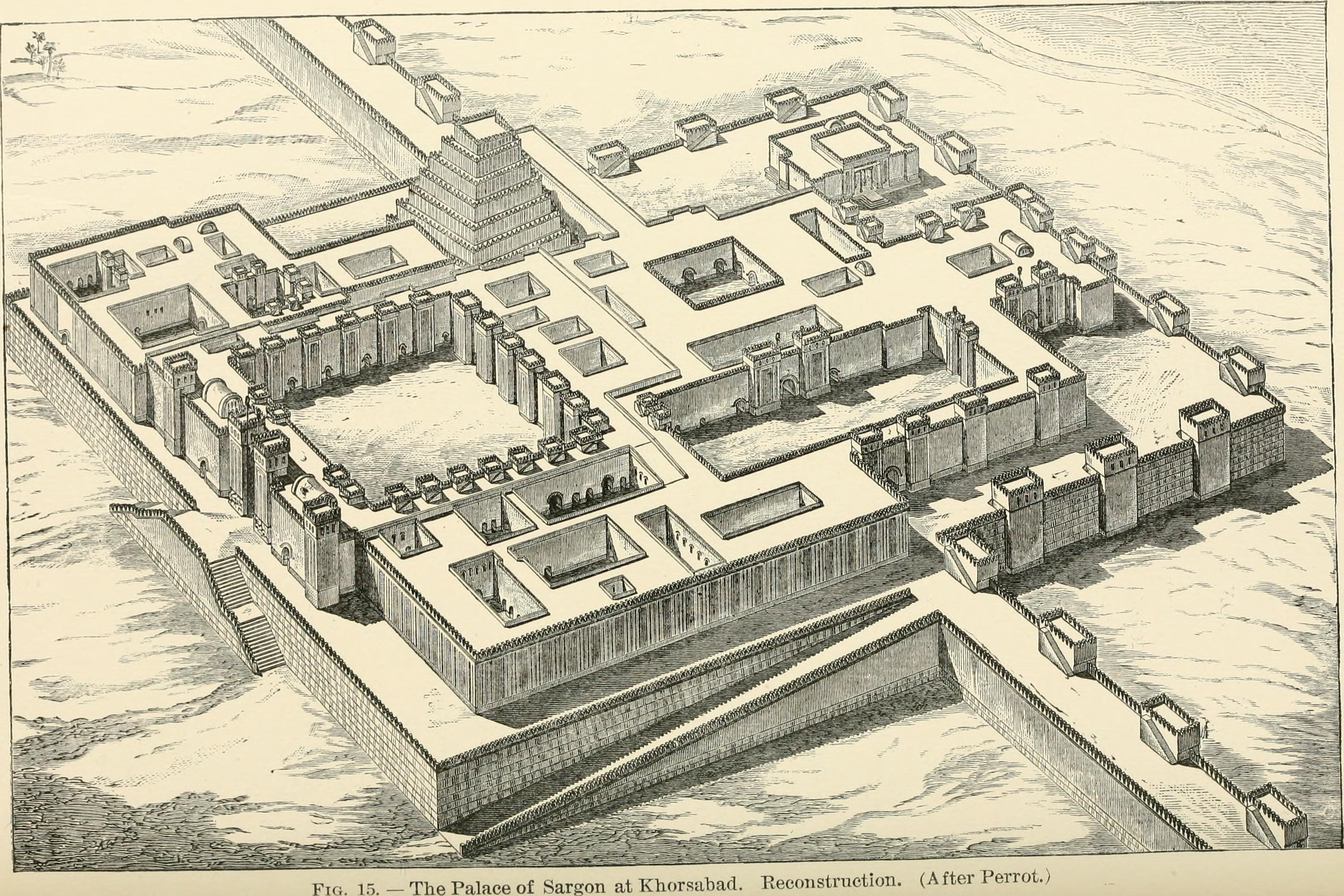
They were considered a protective spirit - actively guarding the palace of Sargon II here, an usurper who built his capital - Khorsabad or Dur-Sharrukin, the 'Fortress of Sargon' - in under 10 years and used these massive objects to cement his rule and legitimacy. Fun fact : the Lamassu have 5 instead of 4 legs. Indeed from the front, the bulls stand still - two legs visible, planted and solid. From the side, they walk - four legs in motion.
Cedar was the most prized building material in the ancient world - so scarce that Sargon had it imported from Lebanon, in logs floated on ships and then hauled overland for the construction site.
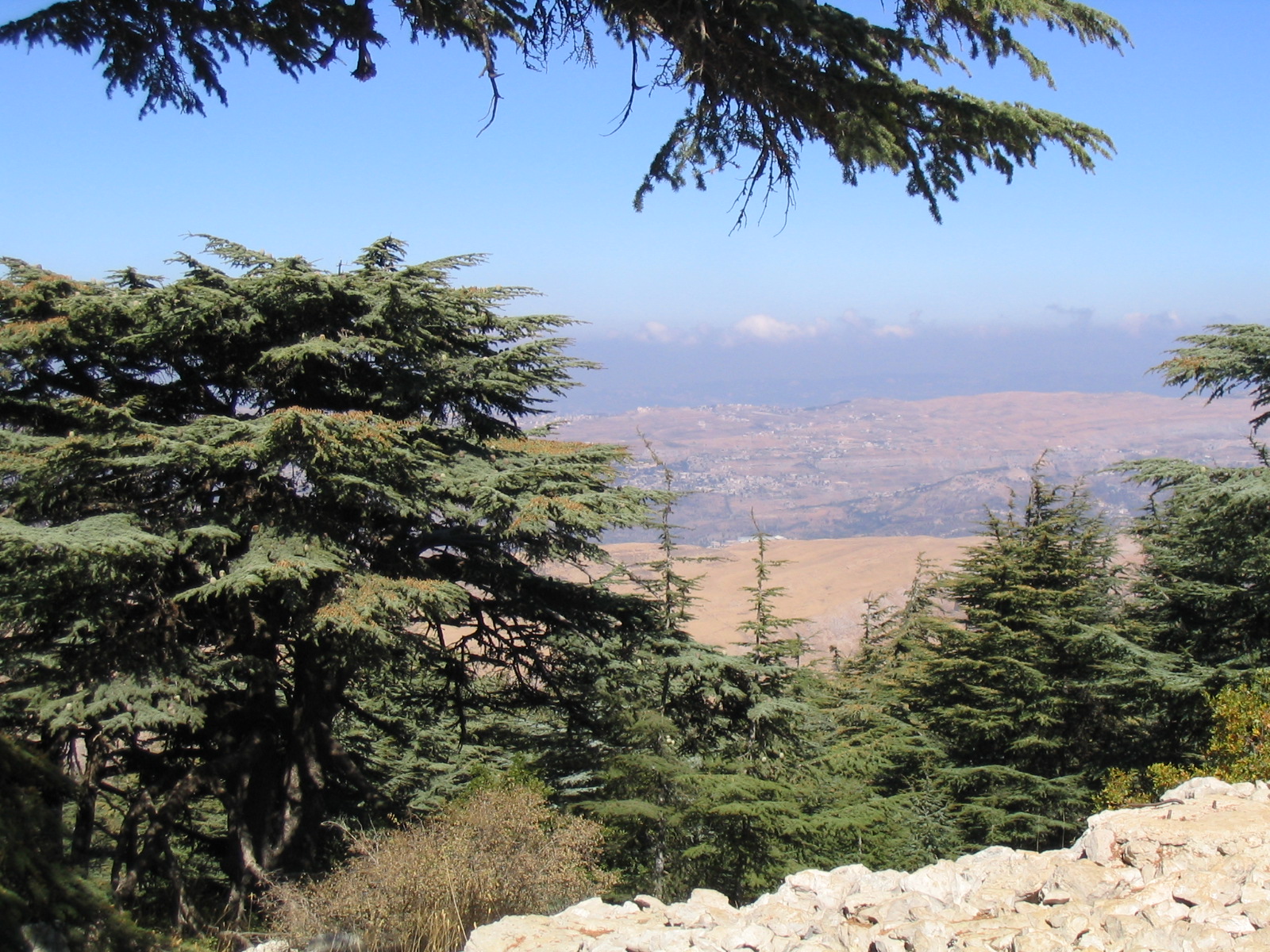
The door is thus a statement of reach and resource : this king could source the finest timber in the world and bring it into the middle of the desert. Every foreign ambassador and every tributary king who passed between these figures would have felt the power emanating from this new ruler, passing through a physical as well as spiritual threshold and into the palace.
Comments
Loading comments...