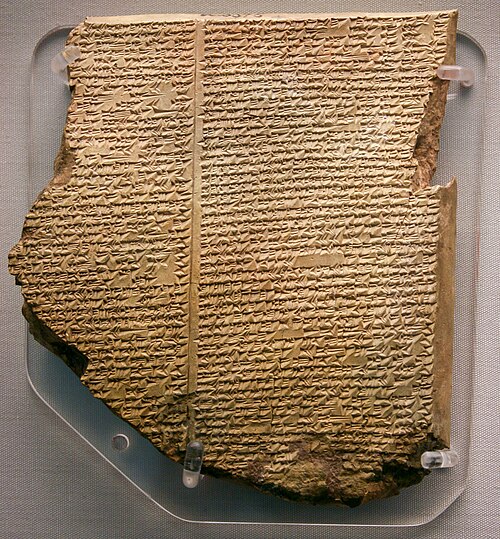


This small clay tablet — palm-sized, covered in cuneiform script — contains one of the most important texts ever discovered.
It is Tablet XI of the Epic of Gilgamesh, and it describes a great flood sent by the gods, a single man chosen to survive it, a boat built to carry the animals of the earth, and a dove released to find dry land.
The story predates the biblical account of Noah by at least a thousand years.
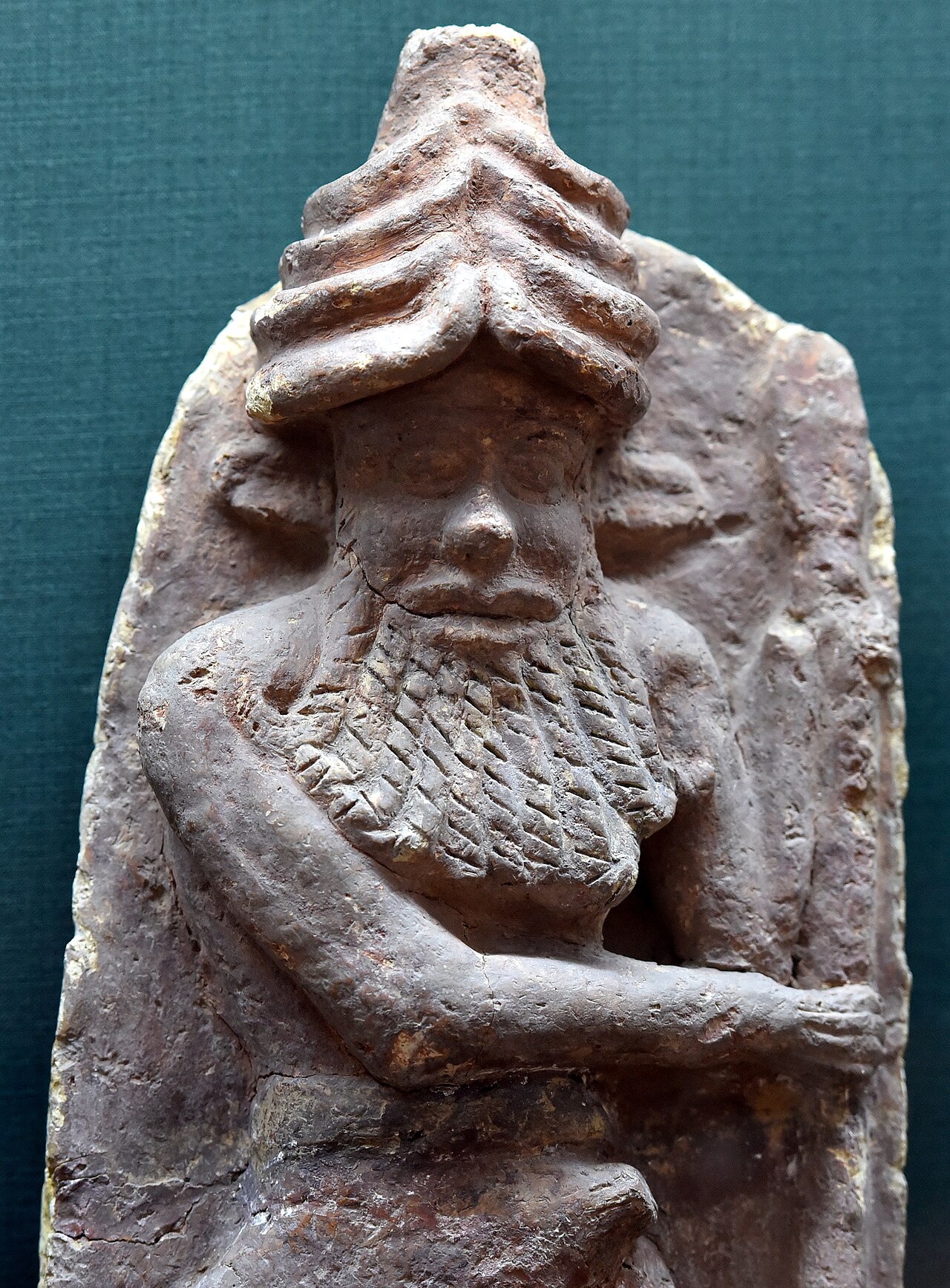
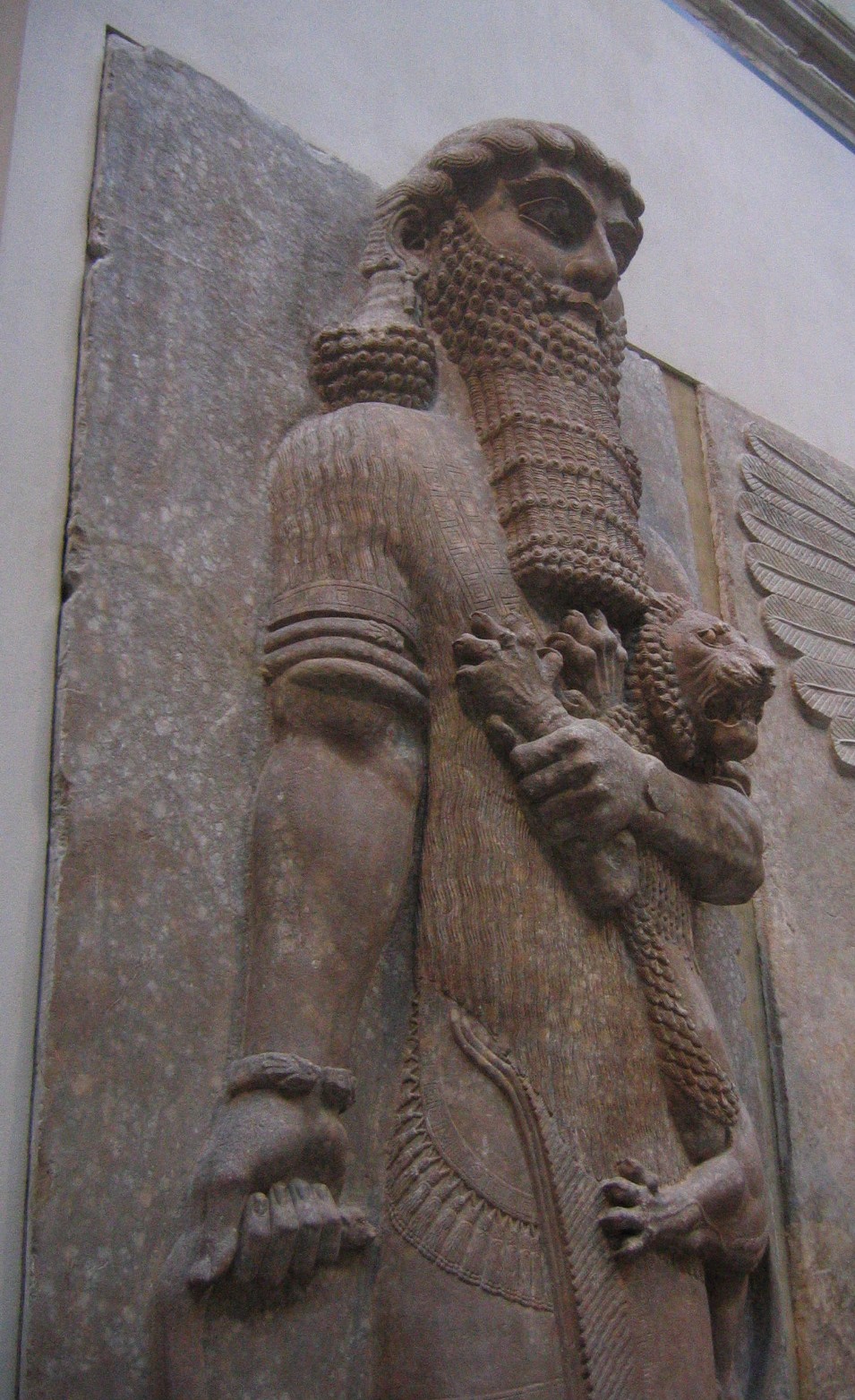
It was found in the ruins of Nineveh in modern Iraq and decoded in 1872 by George Smith, a self-taught scholar who had worked his way up from bank-note engraver to the British Museum's cuneiform collection.
When he understood what he was reading — and what it meant for the biblical tradition — he was so overwhelmed that he reportedly ran around the room pulling off his clothes.
Convinced there were missing sections still to be found, Smith persuaded the Daily Telegraph to fund an expedition to Nineveh — and located the fragments within days of arriving.
He mounted two more expeditions before dying of dysentery in Syria in 1876, aged 36.