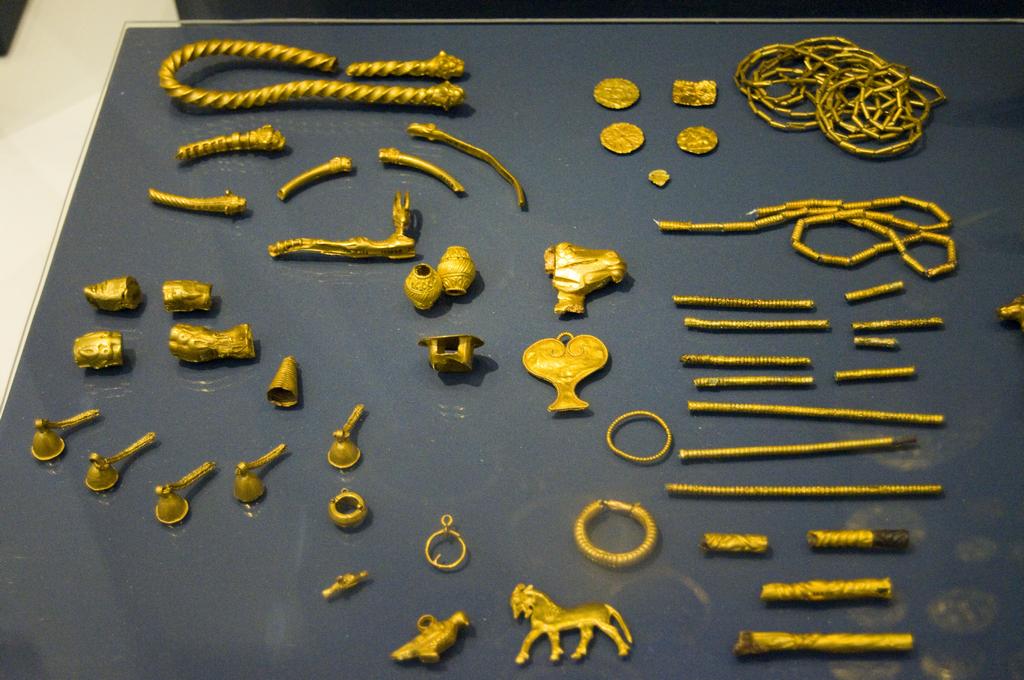


In the 1870s, a hoard of Persian gold and silver was found near the Oxus River — the ancient border between modern Tajikistan and Afghanistan.
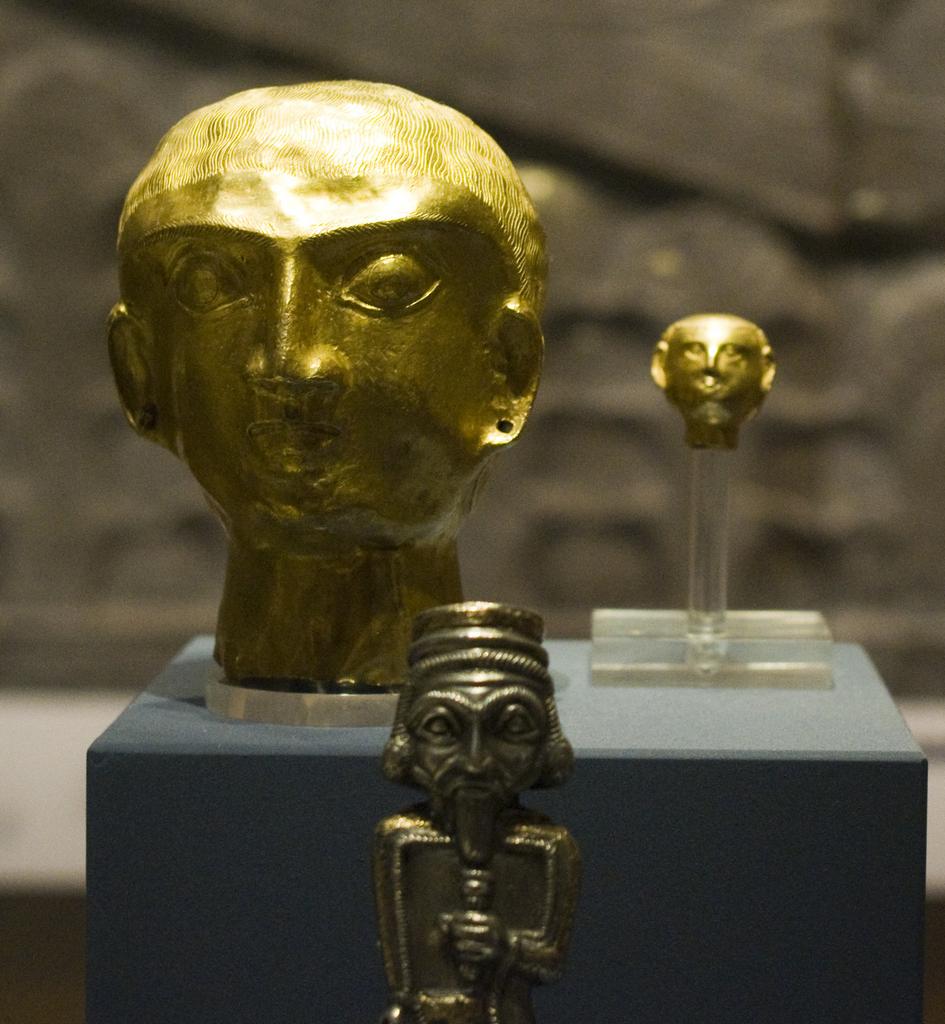
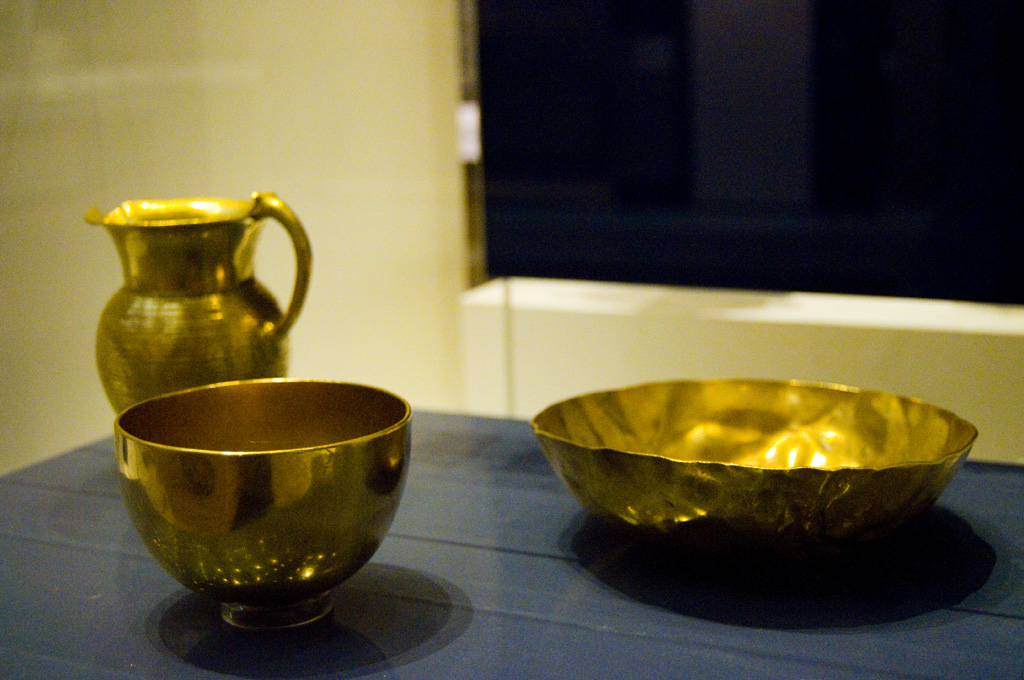
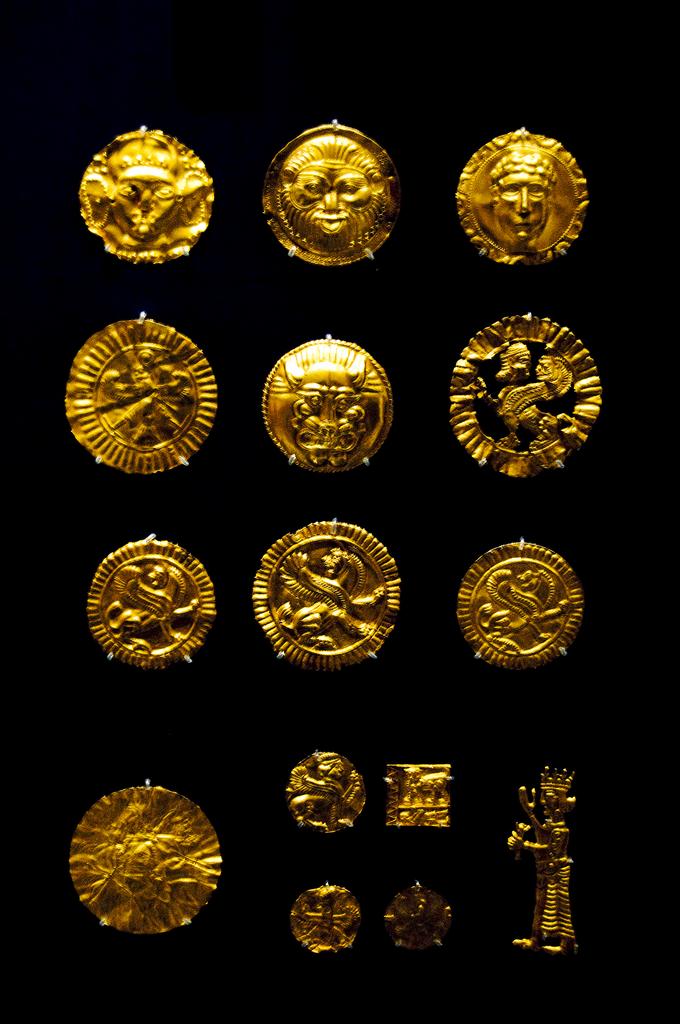
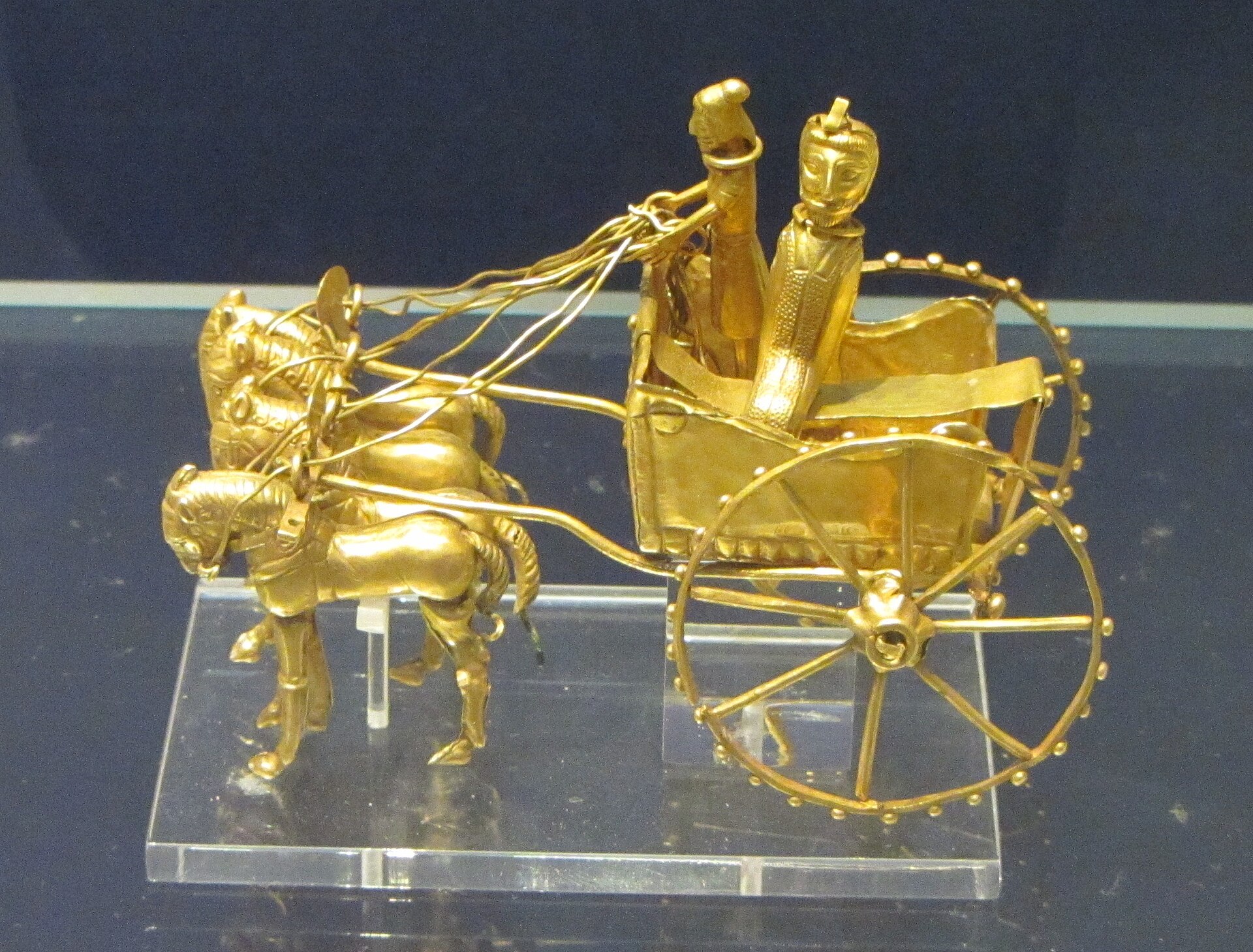
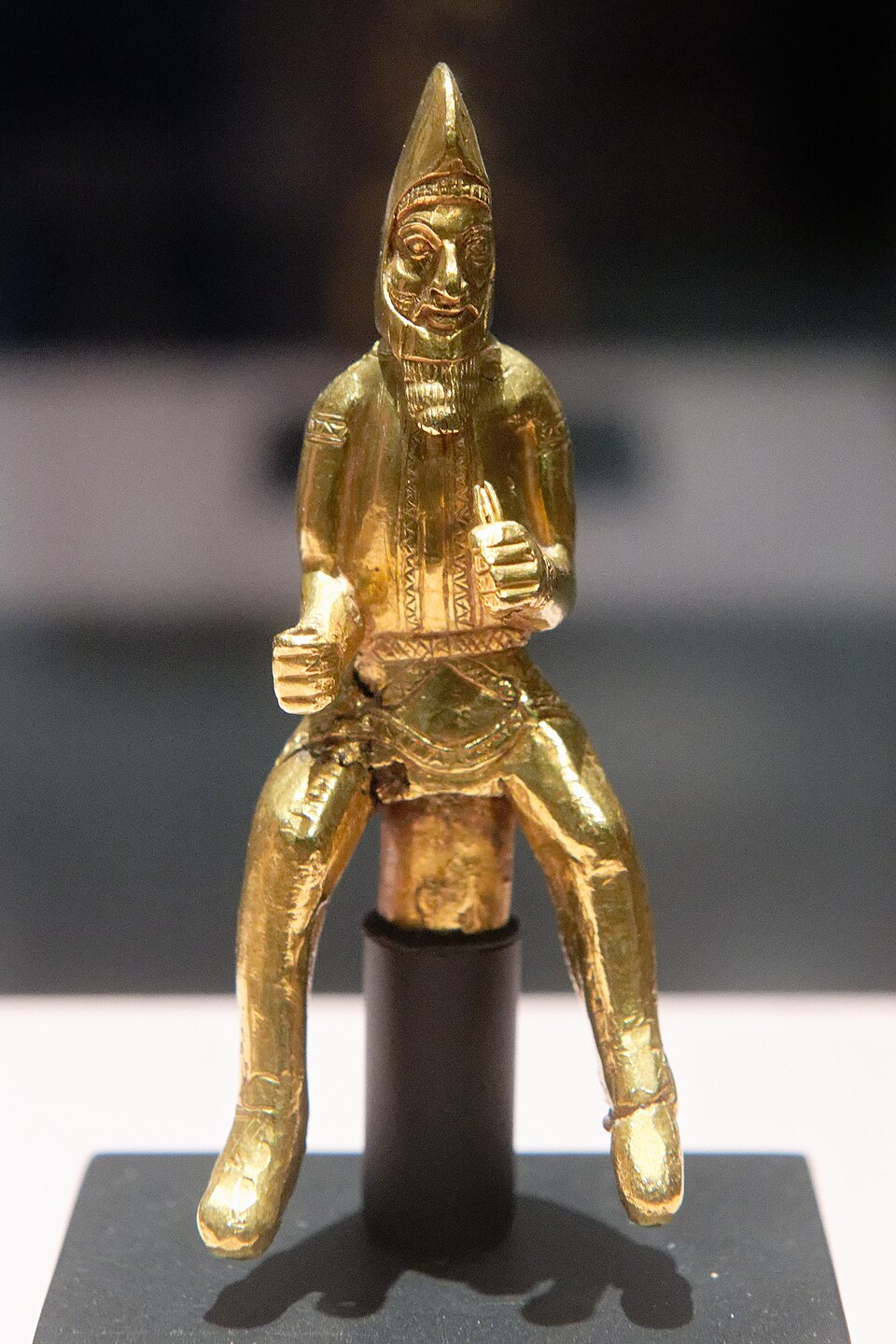
It is the largest surviving collection of Achaemenid Persian metalwork in the world: votive plaques, armlets, vessels, and a tiny gold chariot with miniature horses and driver, no bigger than your hand.
It nearly did not make it.
The merchants carrying it were robbed by bandits near Peshawar.
A British officer, Captain F.C. Burton, negotiated the merchants' release — and in gratitude, they showed him the treasure.
He recognised its importance and ensured it reached safety.
Without him, it would almost certainly have been melted down.
Fun fact: nobody knows exactly where it was buried or by whom.
It may have been a temple hoard, or a local ruler's treasury, or the accumulated offerings of centuries.
The Persian empire that made these objects stretched from Greece to India.
This gold outlasted all of it.