

It would be impossible to cover all the collections of the British Museum - and we'll develop more dedicated walks to delve deeper into other aspects of the collection.


The current tour barely scratched the surface - weaving its way through the ancient civilisations of the Middle East, Egypt, Greece and Europe. As a final stop, this is meant as a deliberate rupture - and a way to convey how rich and wide the collection is.

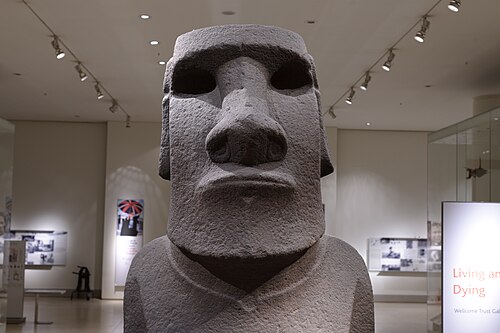
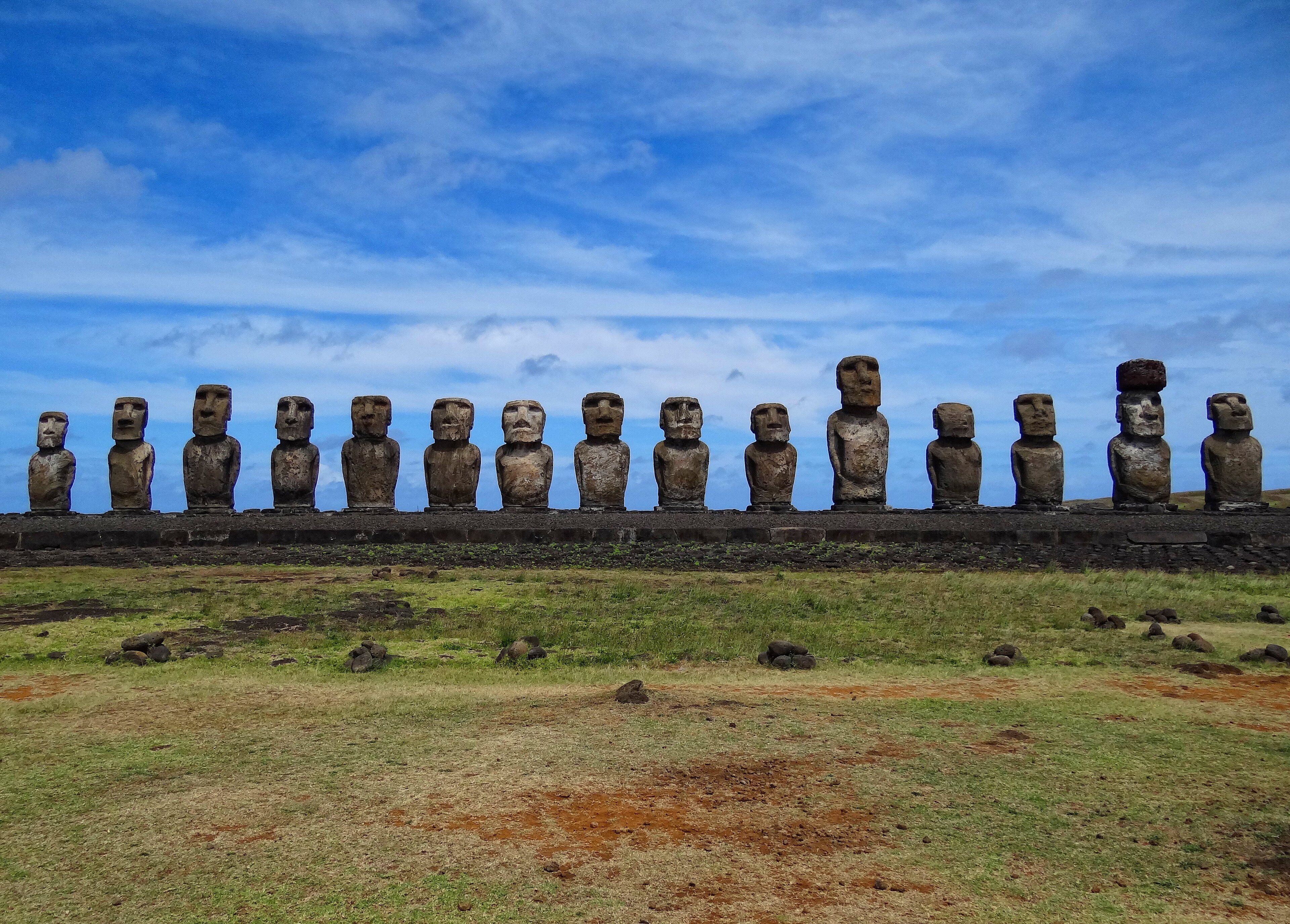
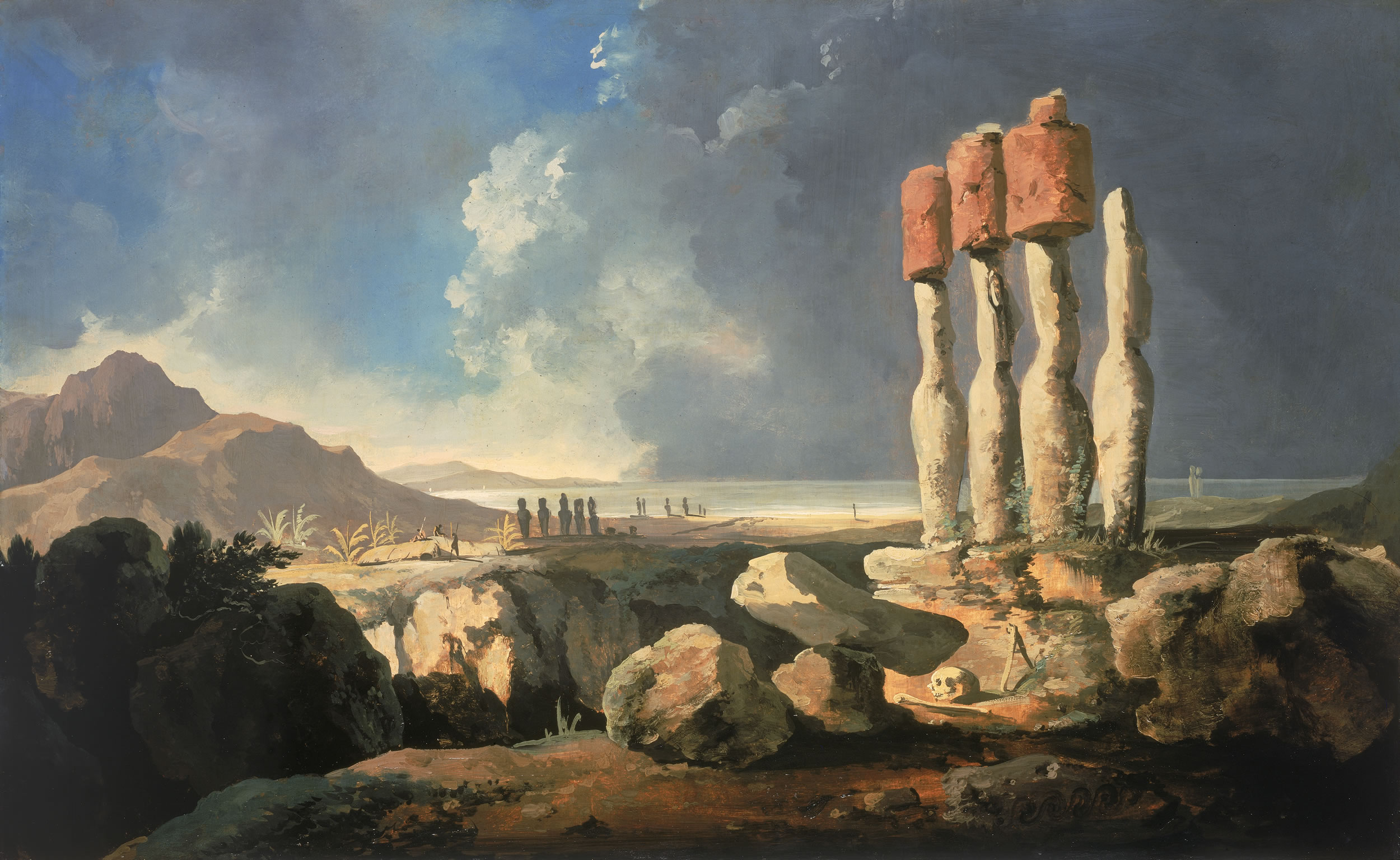
Easter Island - or Rapa Nui - in Polynesia, is one of the most remote inhabited places on Earth. It was settled by Polynesian navigators around 1000 AD - and had no contact with any of the civilisations we have looked at today, developing entirely independently with their own language, own religion and artistic tradition.

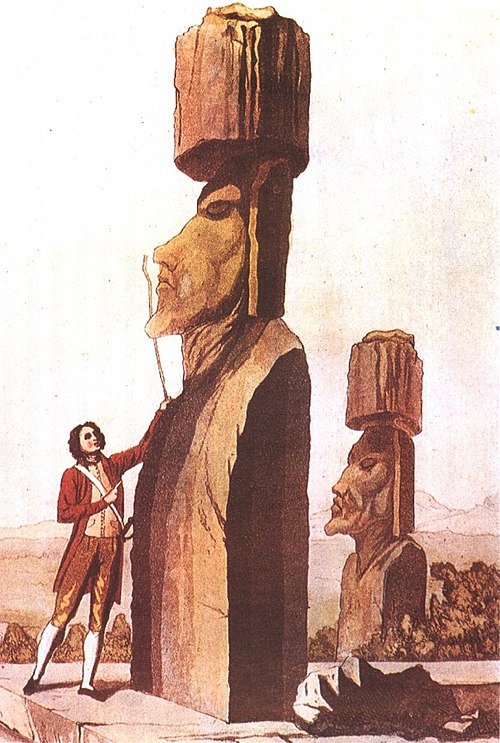
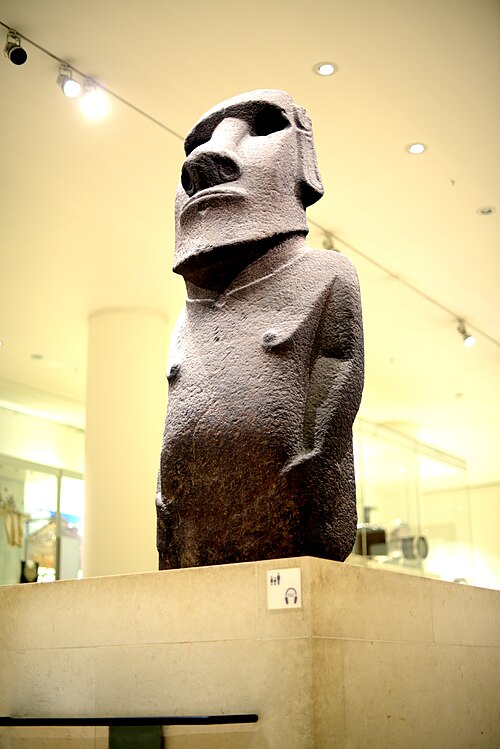
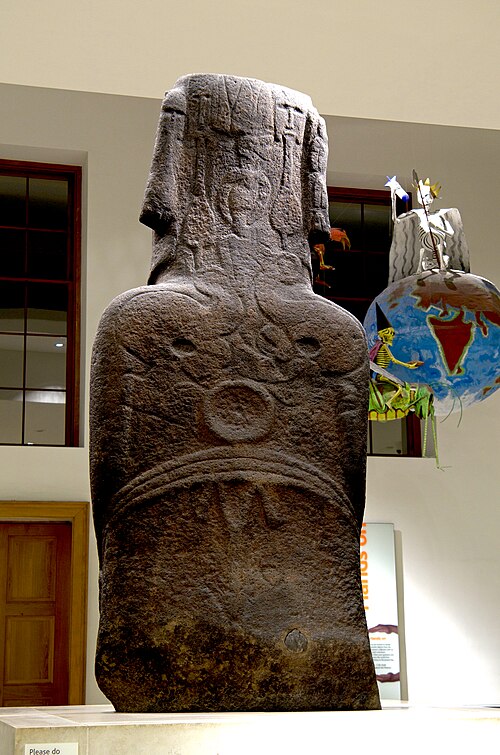
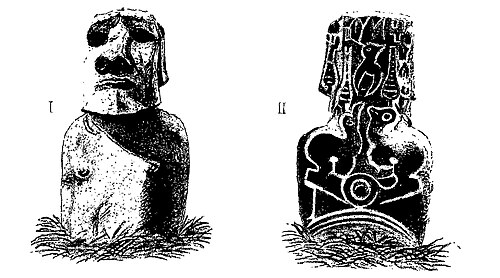
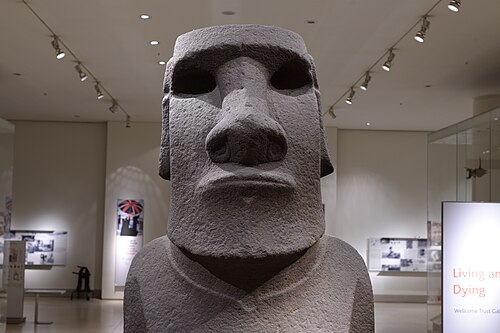
This statue - a moai - is carved from basalt and dates from around 1000 AD. Its name means lost, hidden, or stolen friend. Moai statues represent the living faces of the ancestors, and were placed on ceremonial platforms to watch over the living. There were nearly a thousand of them on the island.

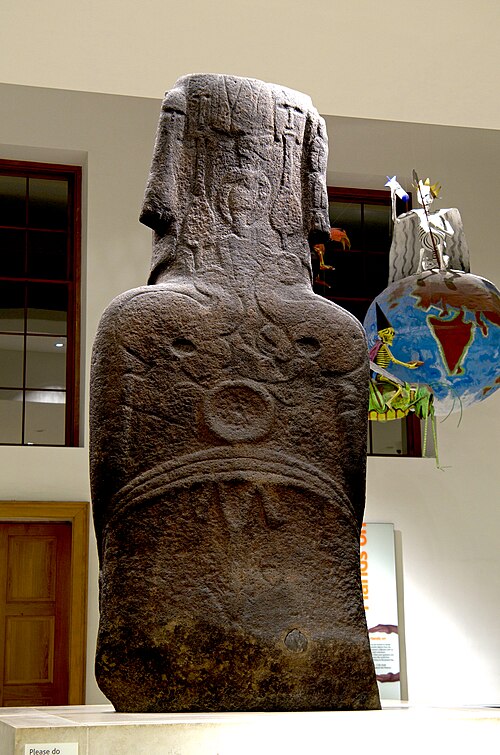
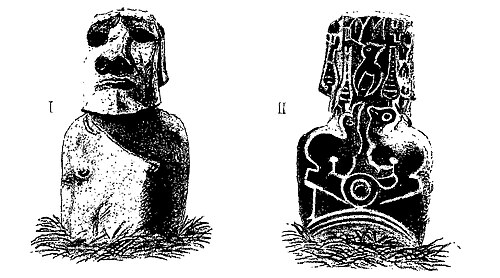
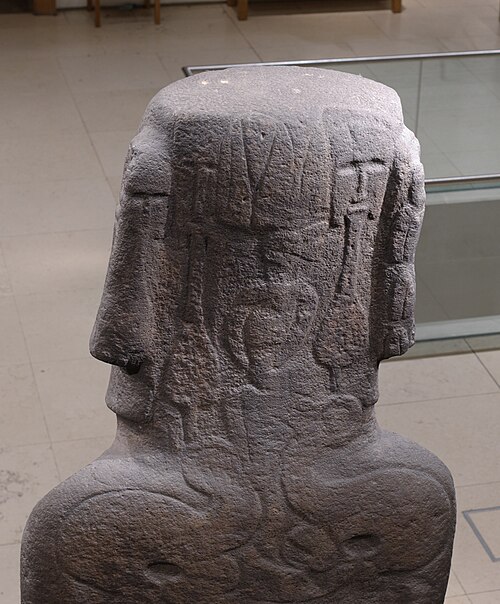
The stone would originally have been painted in bright colours. At the back, carved into the basalt are a bird, 2 birdmen, ceremonial paddles, and other symbols. These were associated with the birdman religion that developed around 1400 AD - a new cult that replaced the old ancestor worship.
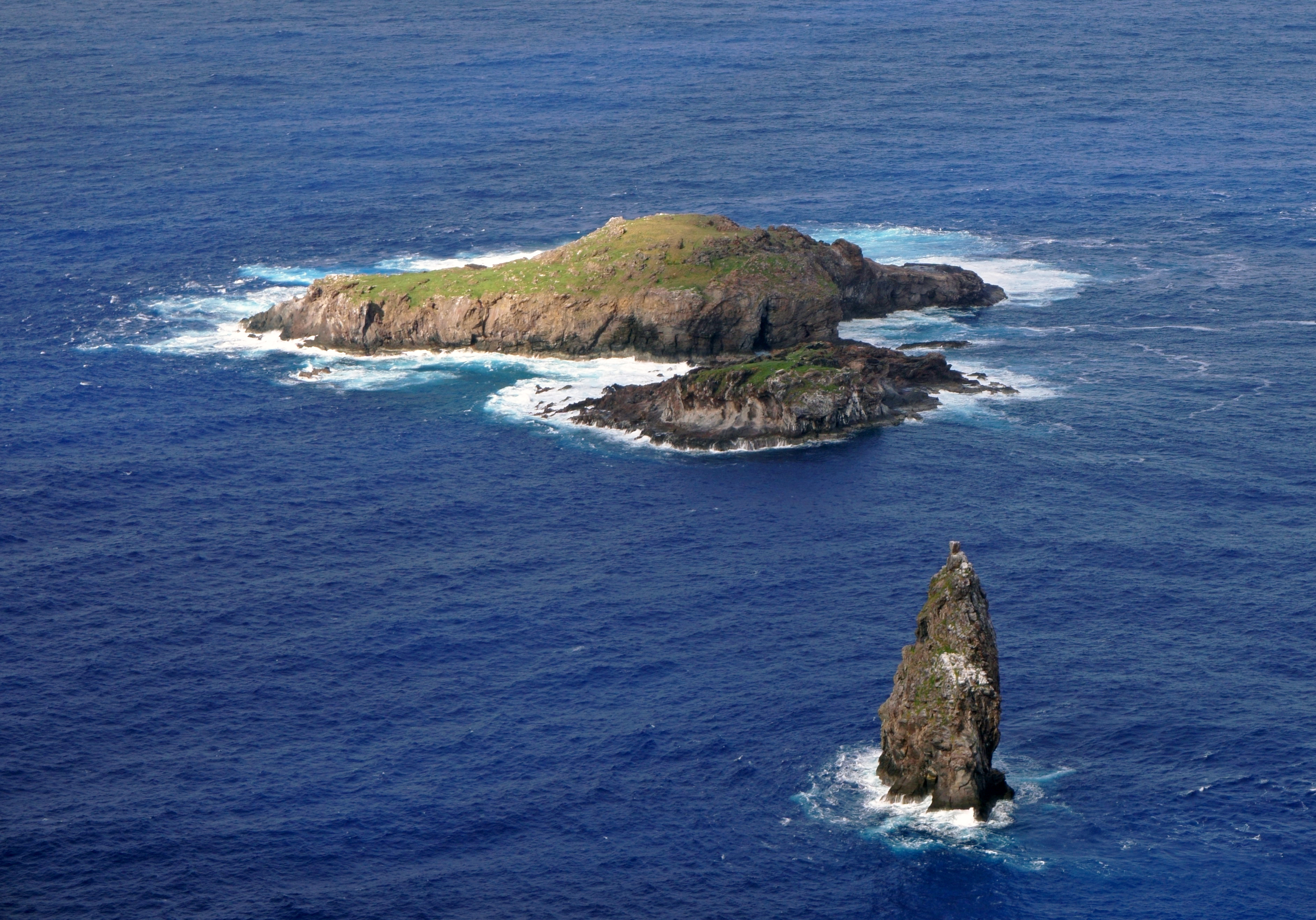
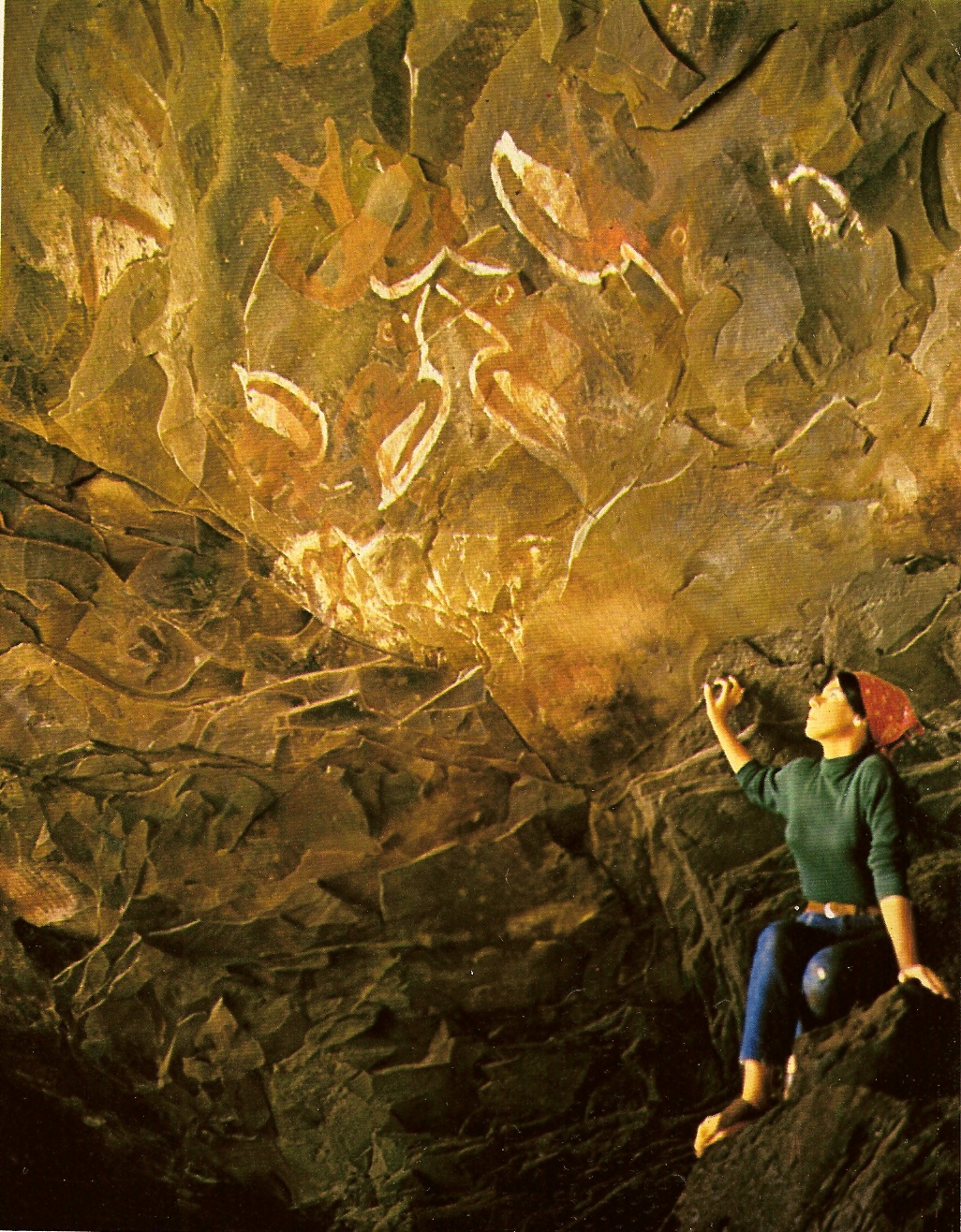
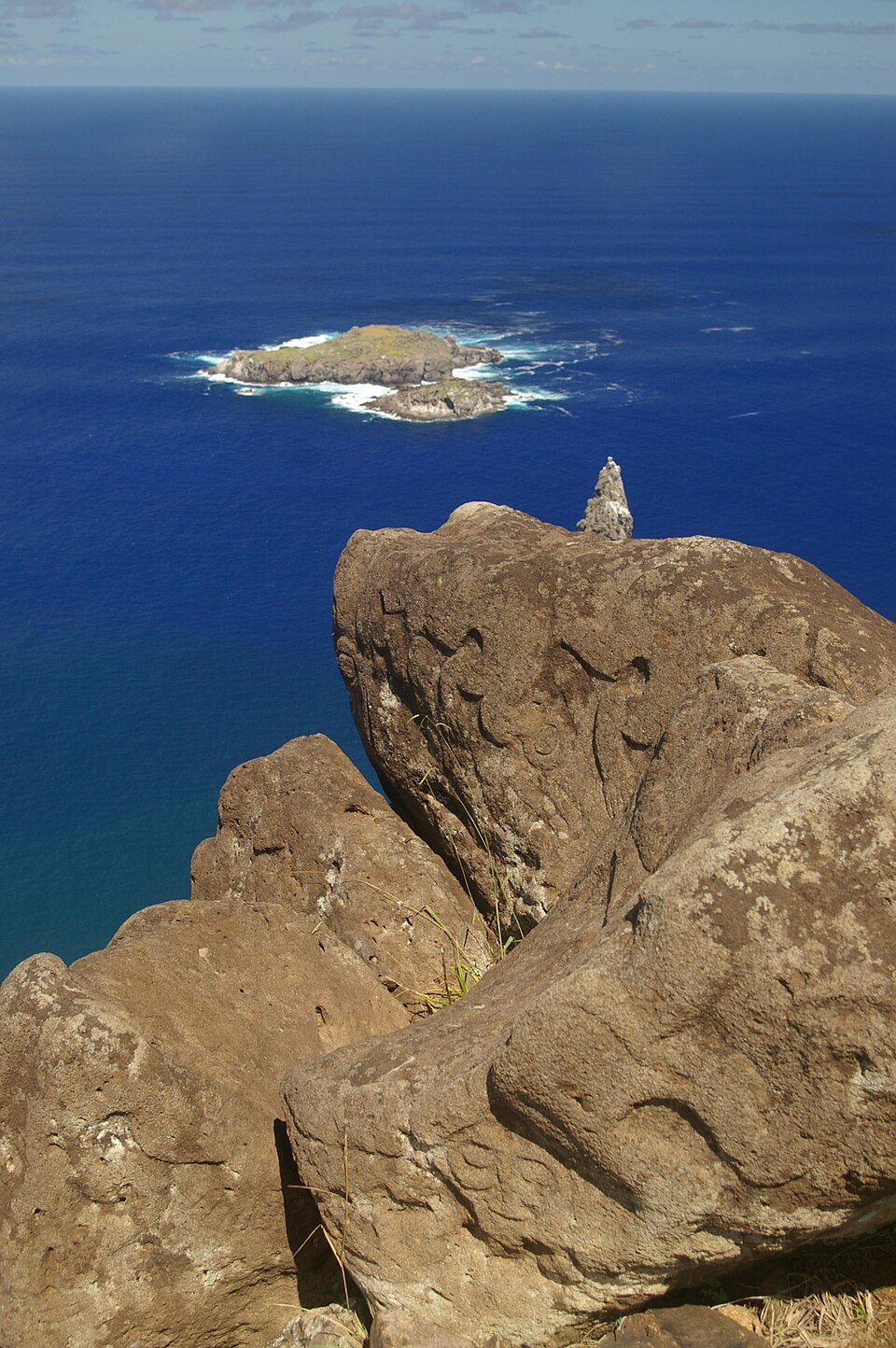
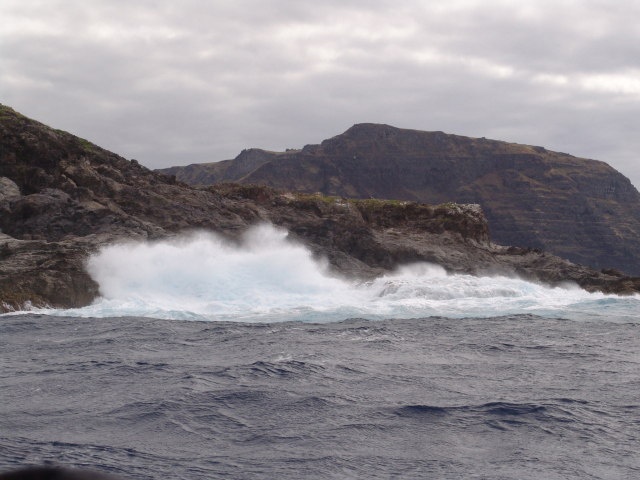
The annual birdman competition involved a representative of each clan swimming through shark-infested waters to a nearby island to retrieve the first egg of the season laid by migrating sooty terns. The winner became the representative of the god Makemake for the following year.
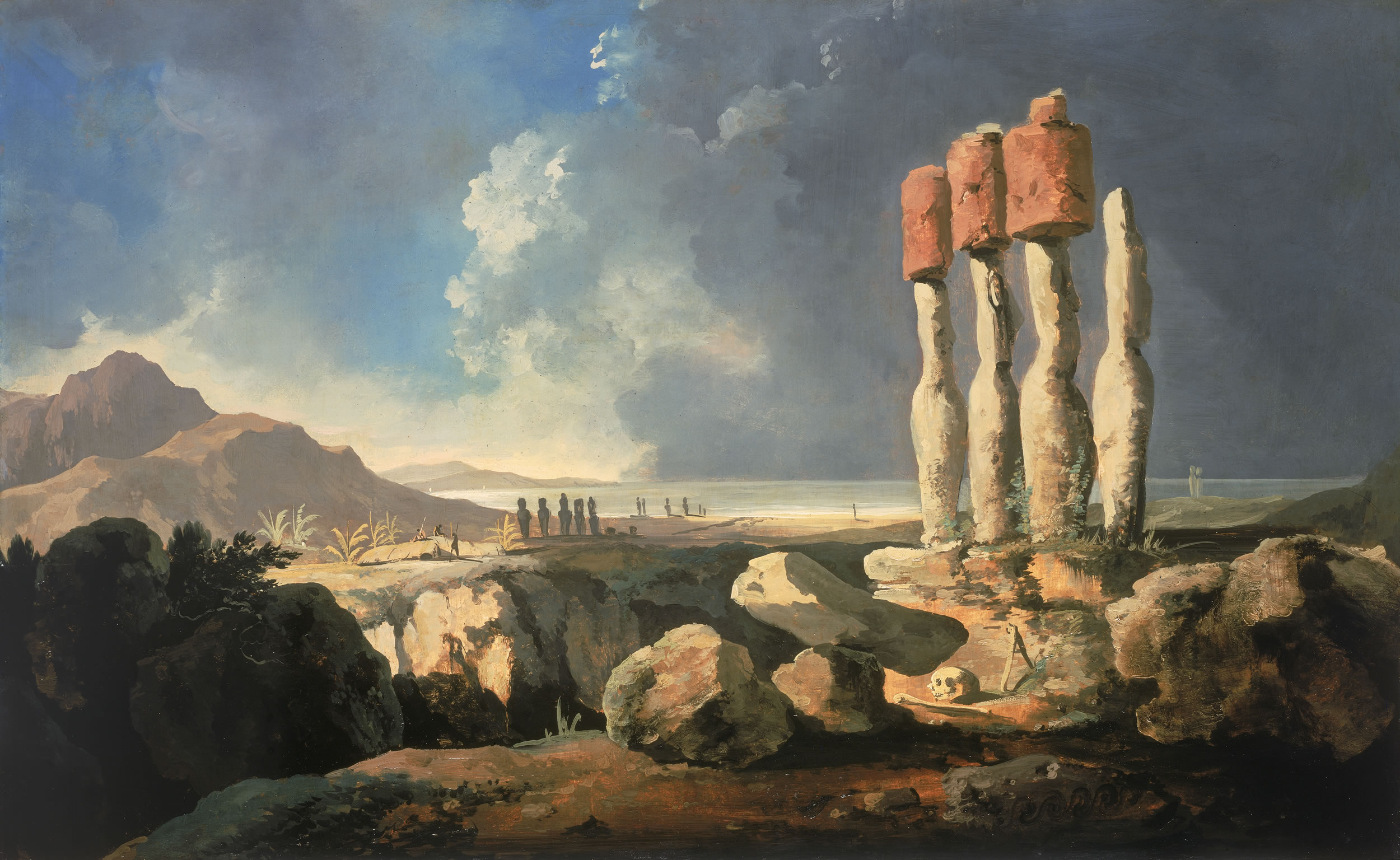
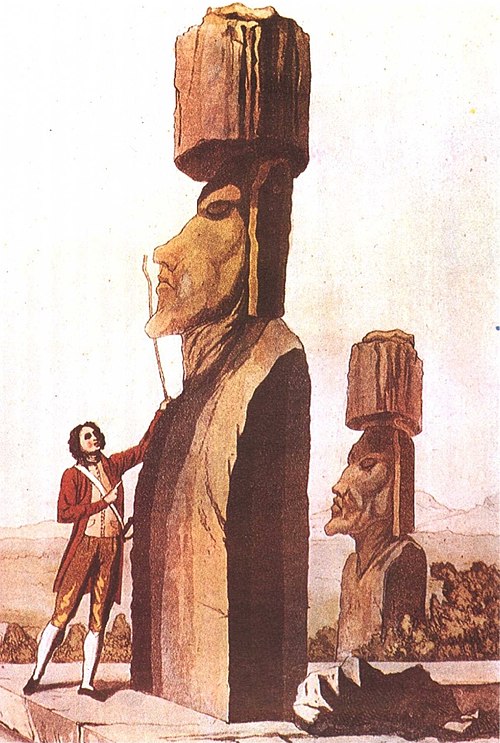
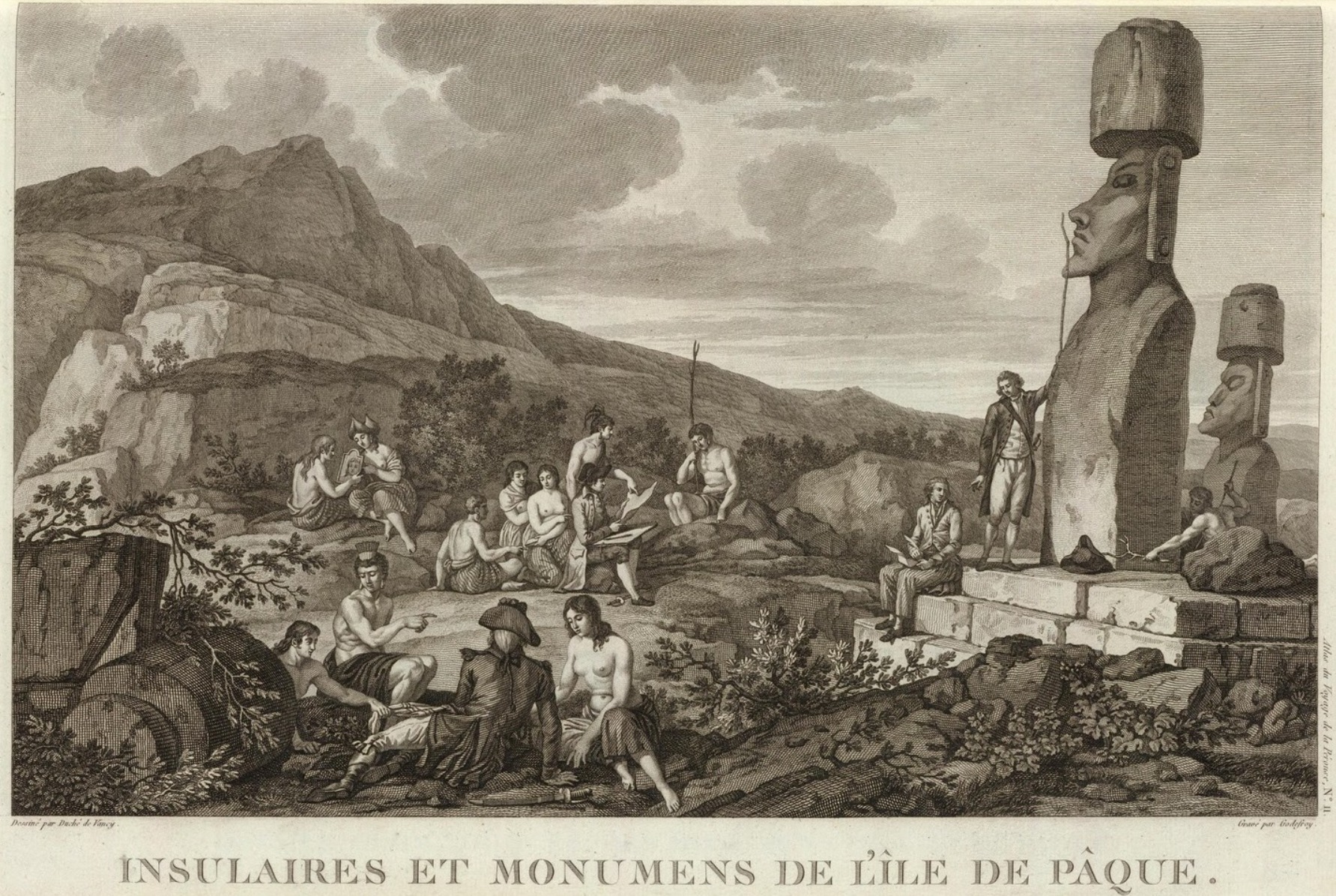
The statue was removed by the crew of the British HMS Topaze and presented to Queen Victoria in 1868. The Rapa Nui people have formally asked for his return. 'We are just a body', the Governor of Easter Island told the British Museum in 2018, 'you, the British people, have our soul'.
★ End of walk
That's the end of this walk, we hope you enjoyed it - if you have thoughts or feedback, we'd love to hear from you!
Comments
Loading comments...