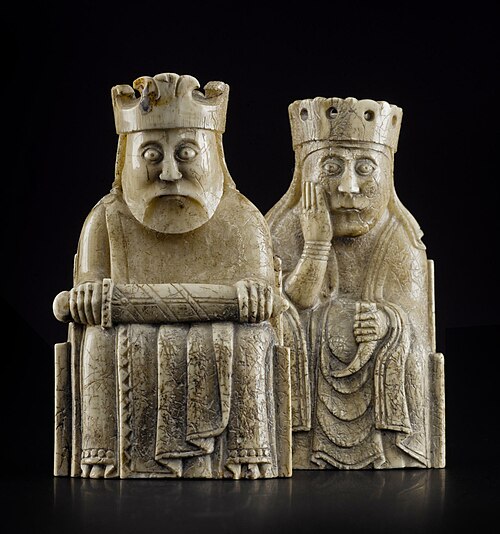


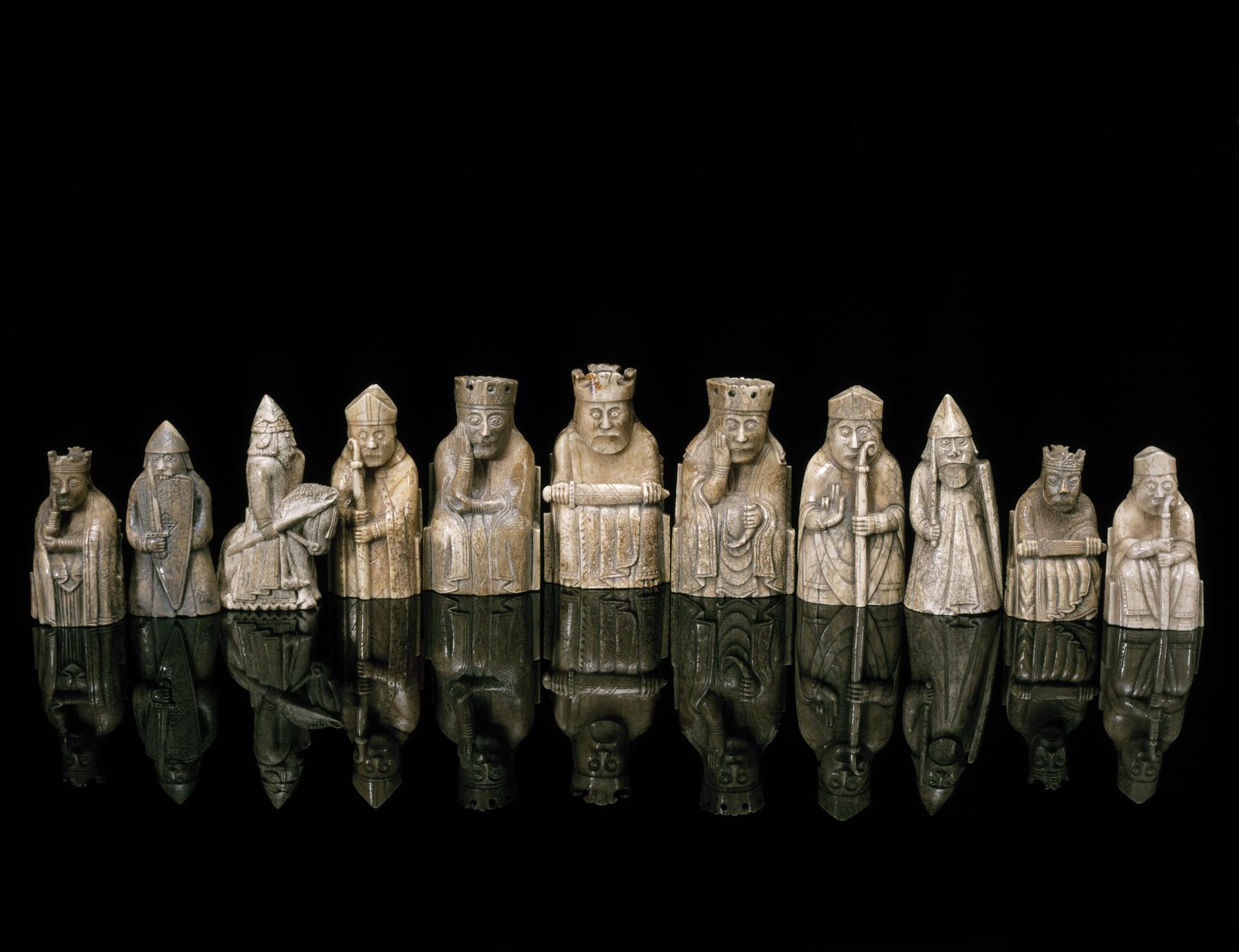
These chess pieces are about 900 years old - and among the finest medieval objects in existence.
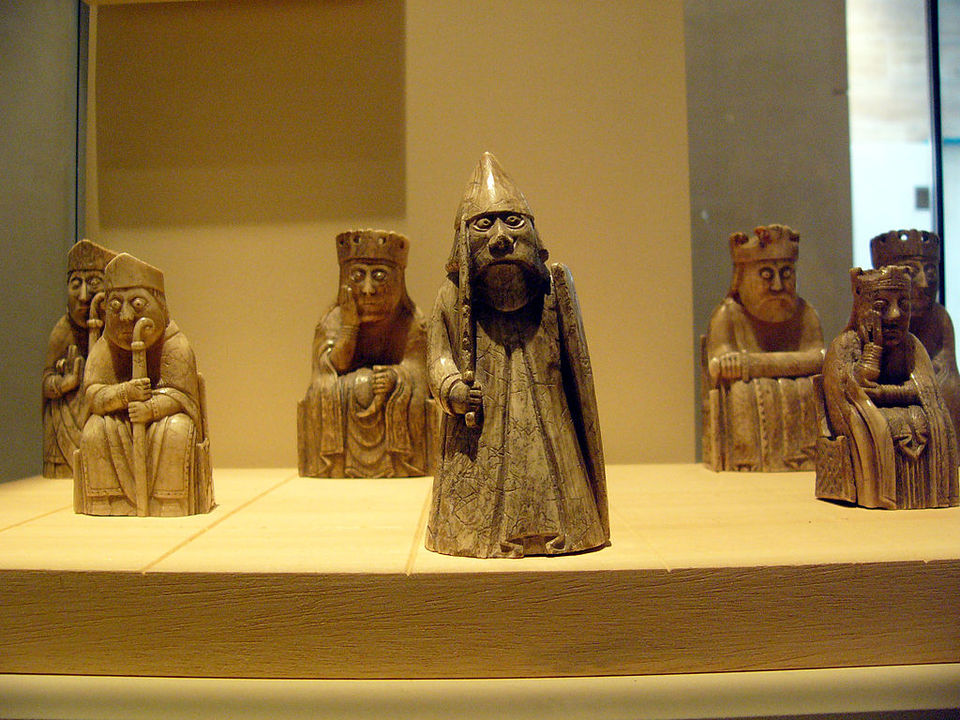
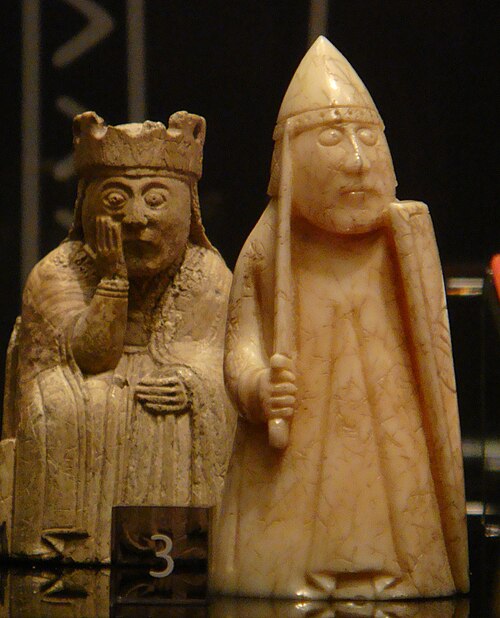
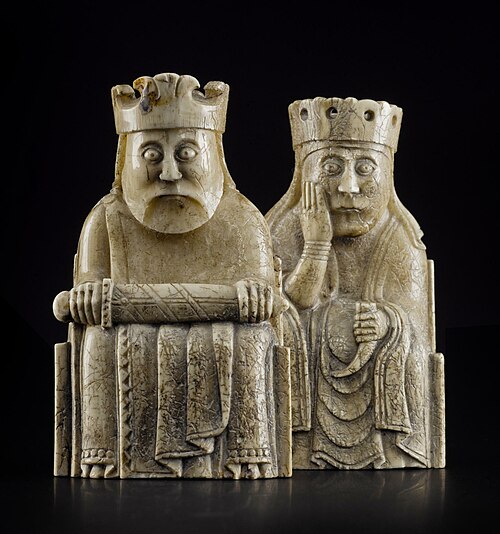
They were discovered in 1831, on the Isle of Lewis in the Scottish Hebrides. Local crofter Malcolm MacLeod was tending his cattle when one of his animals wandered onto the sands of Uig Bay. Following it onto the beach, he noticed a small stone chamber - and inside, a wooden box containing 78 walrus ivory carved chess pieces.
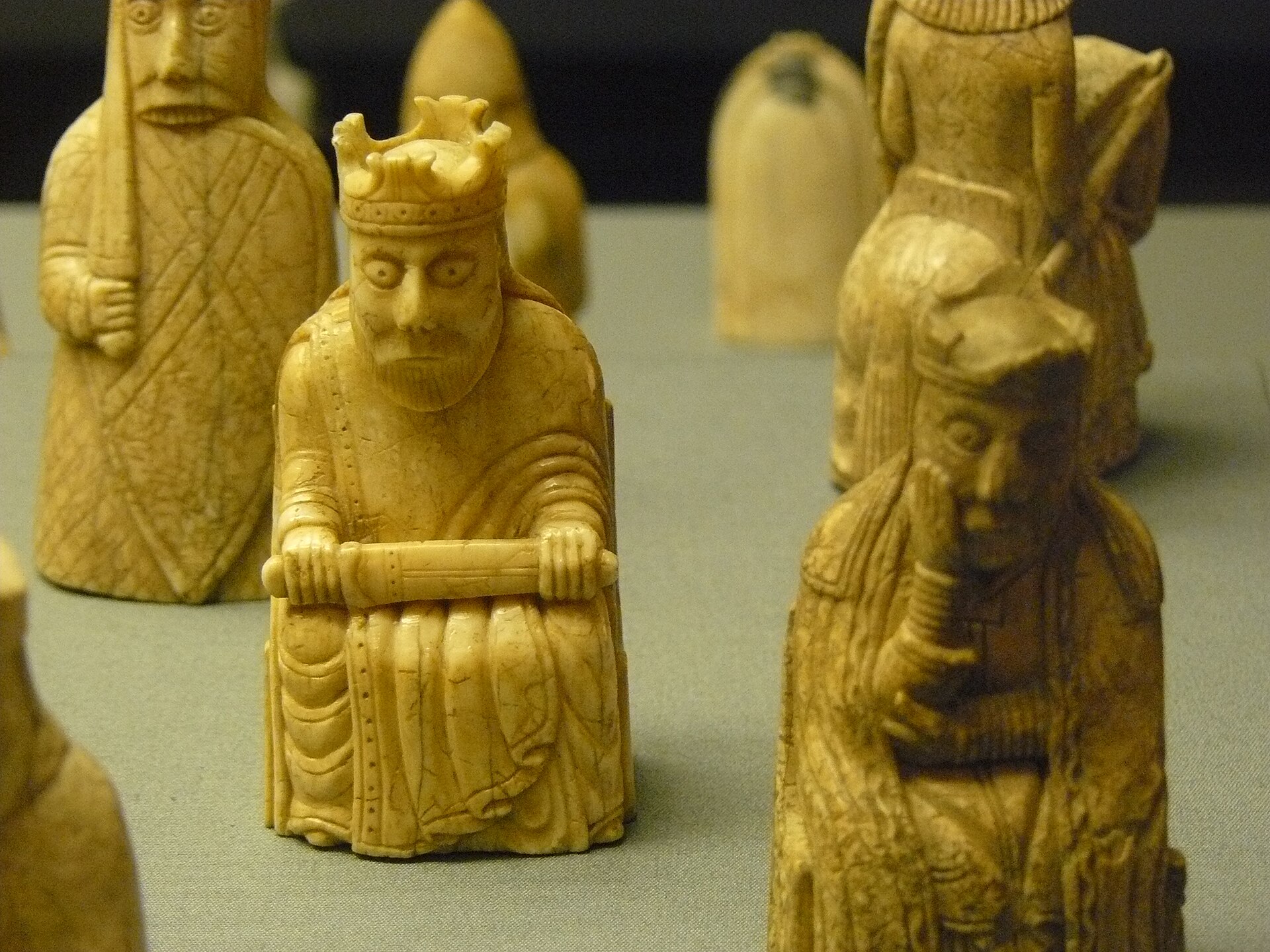
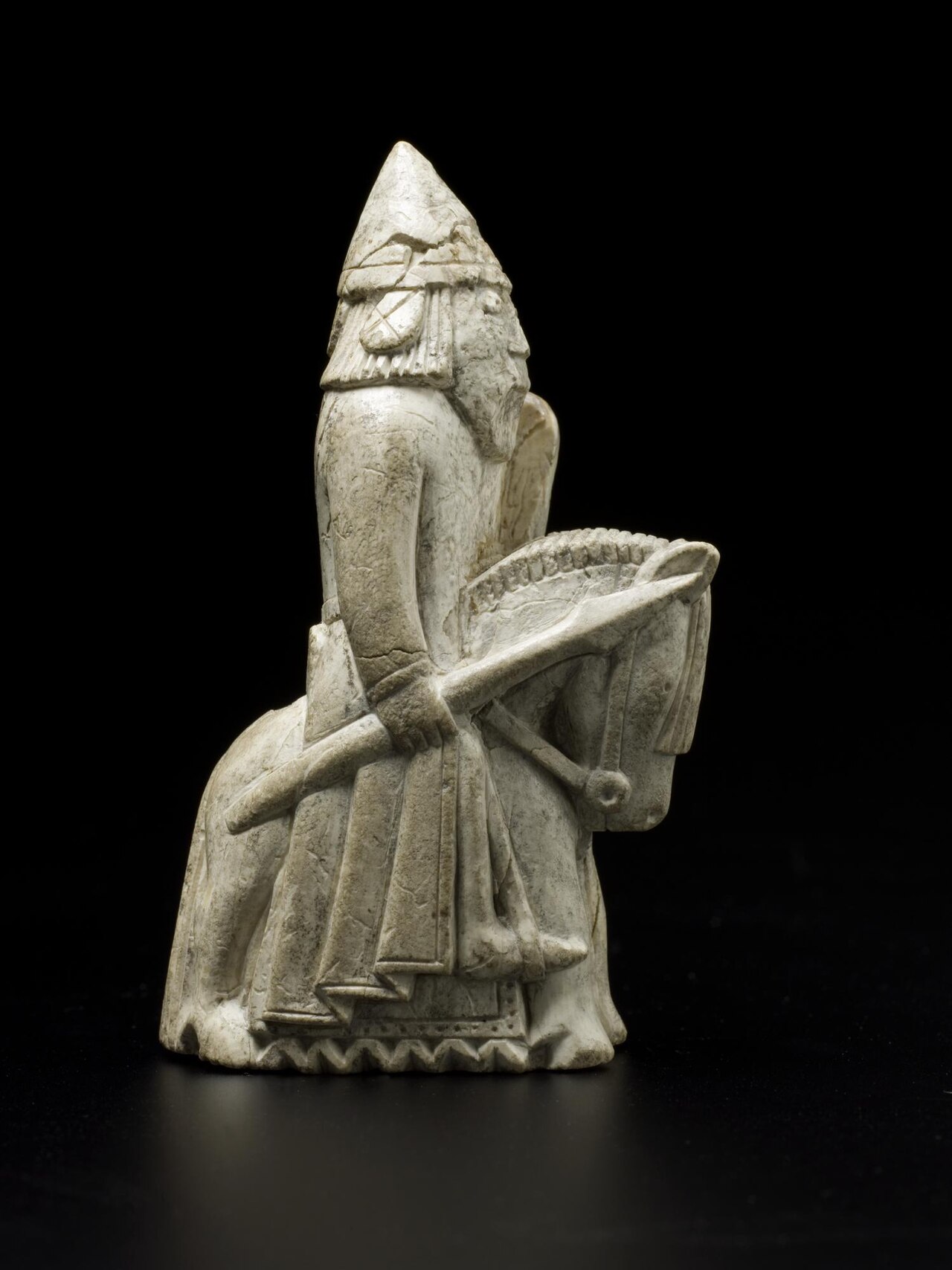
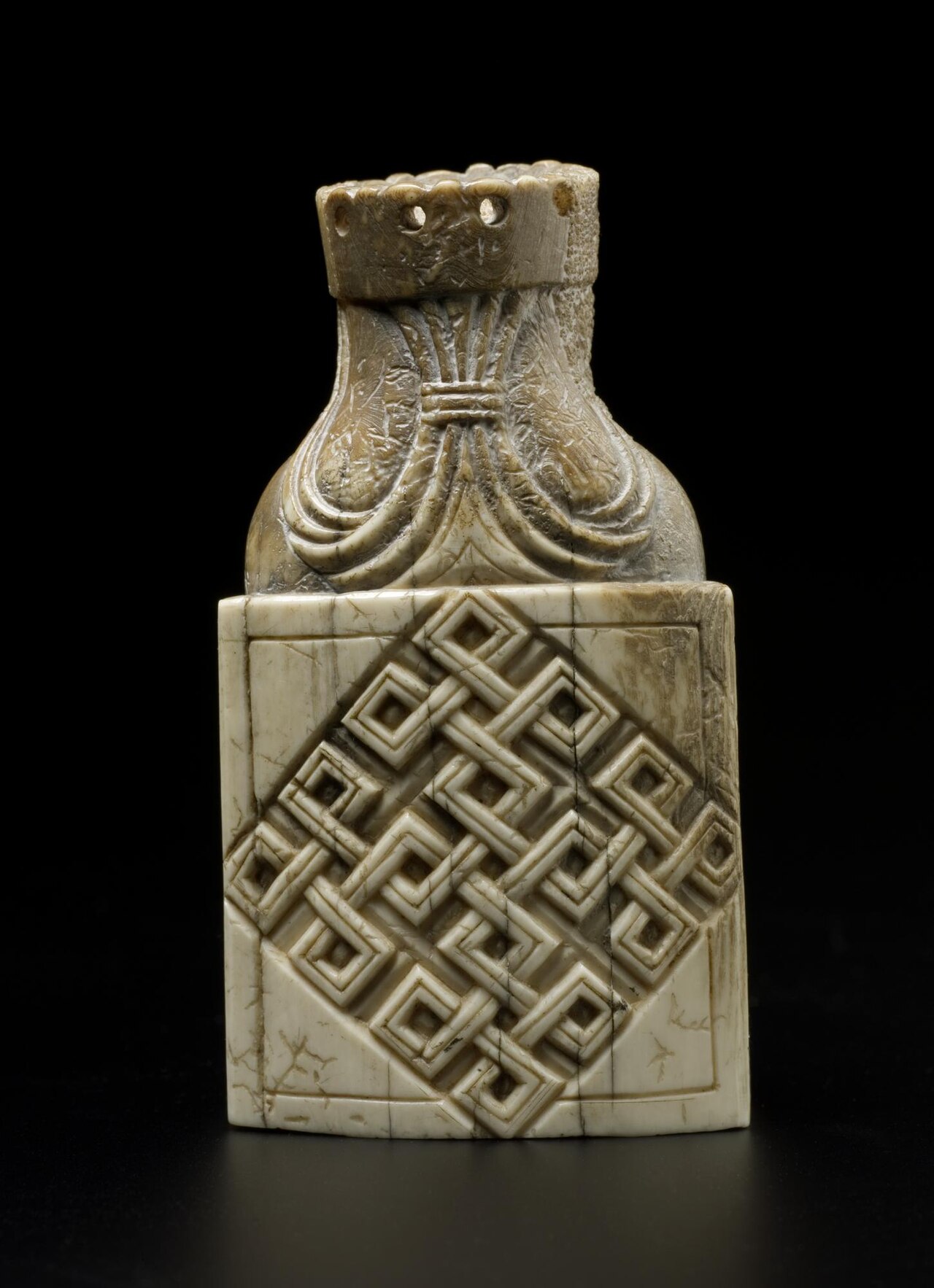

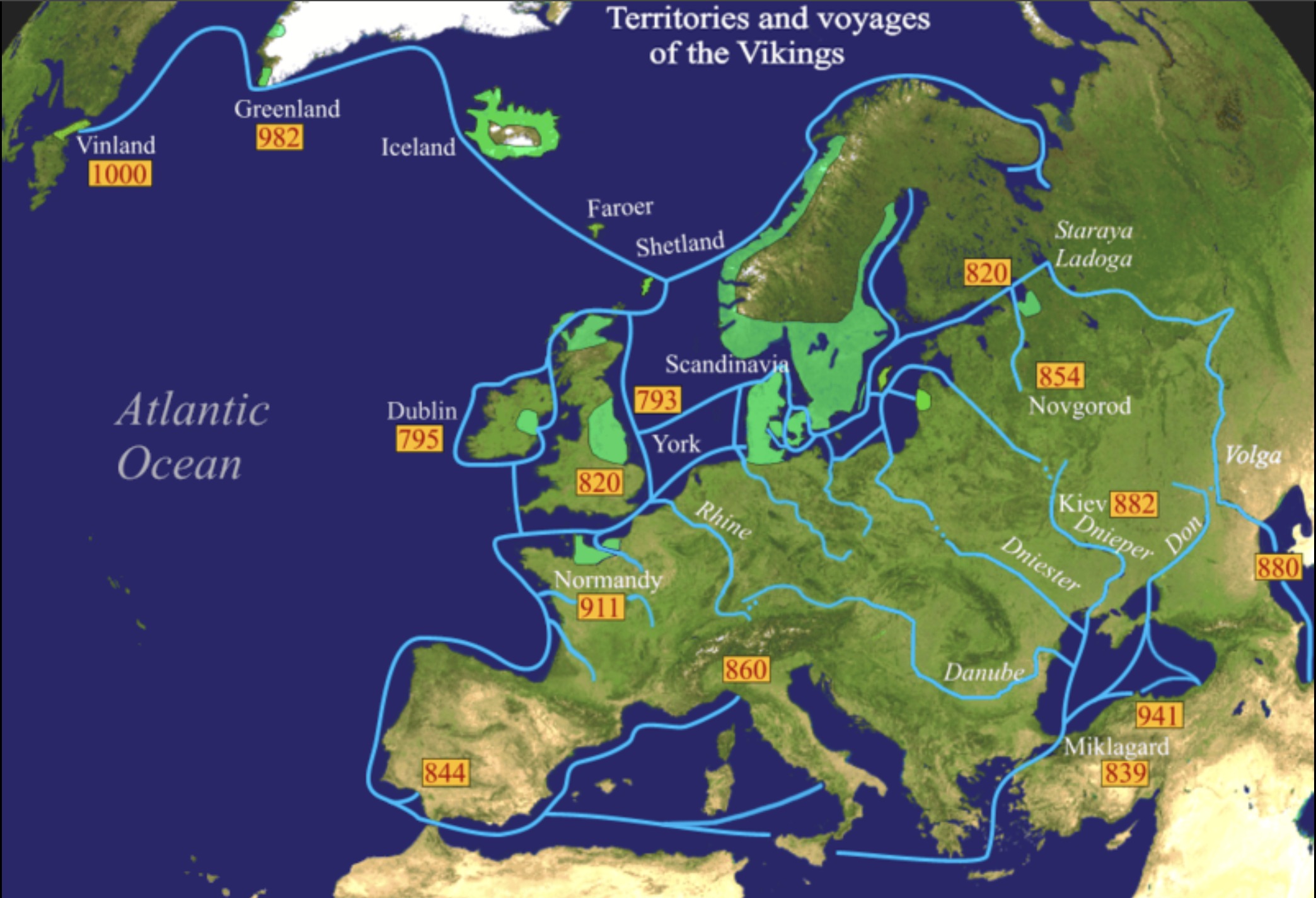

It is now thought that the ivory for the chess pieces was sourced in Greenland and then the pieces crafted in Trondheim, Norway, in the 12th century. Indeed Trondheim was a centre for walrus ivory carving in the Middle Ages.
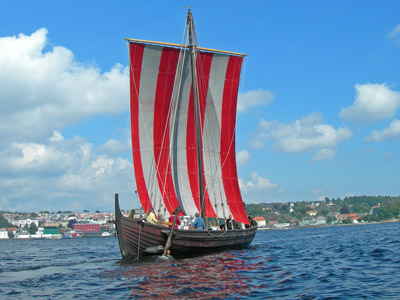
At the time the Island of Lewis belonged to the Kingdom of Norway. The chess pieces would have been shipped with a merchant traveling the shipping lanes from Norway to Ireland.
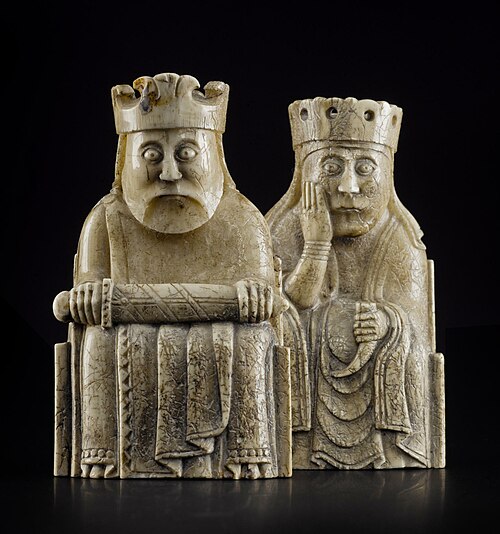
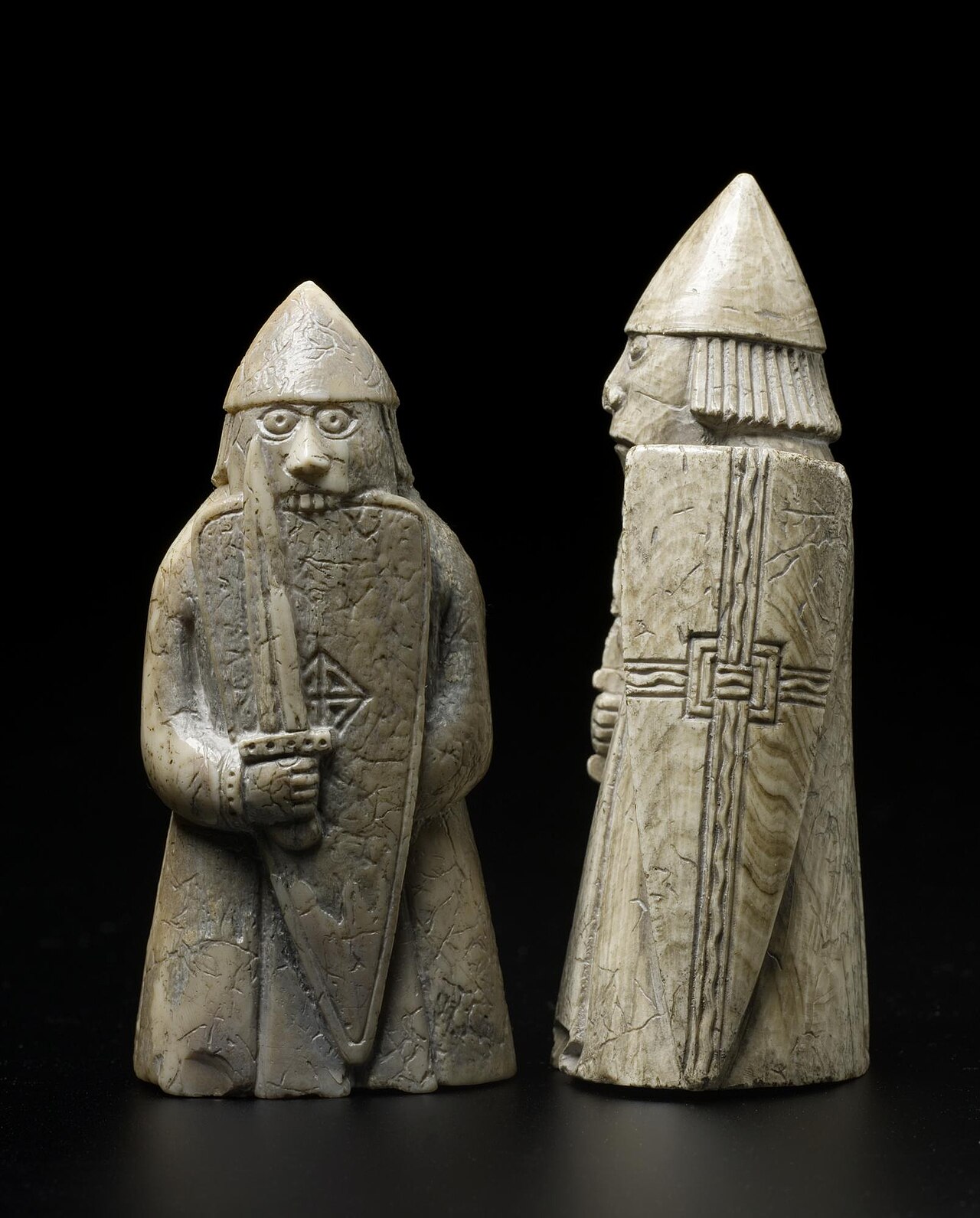
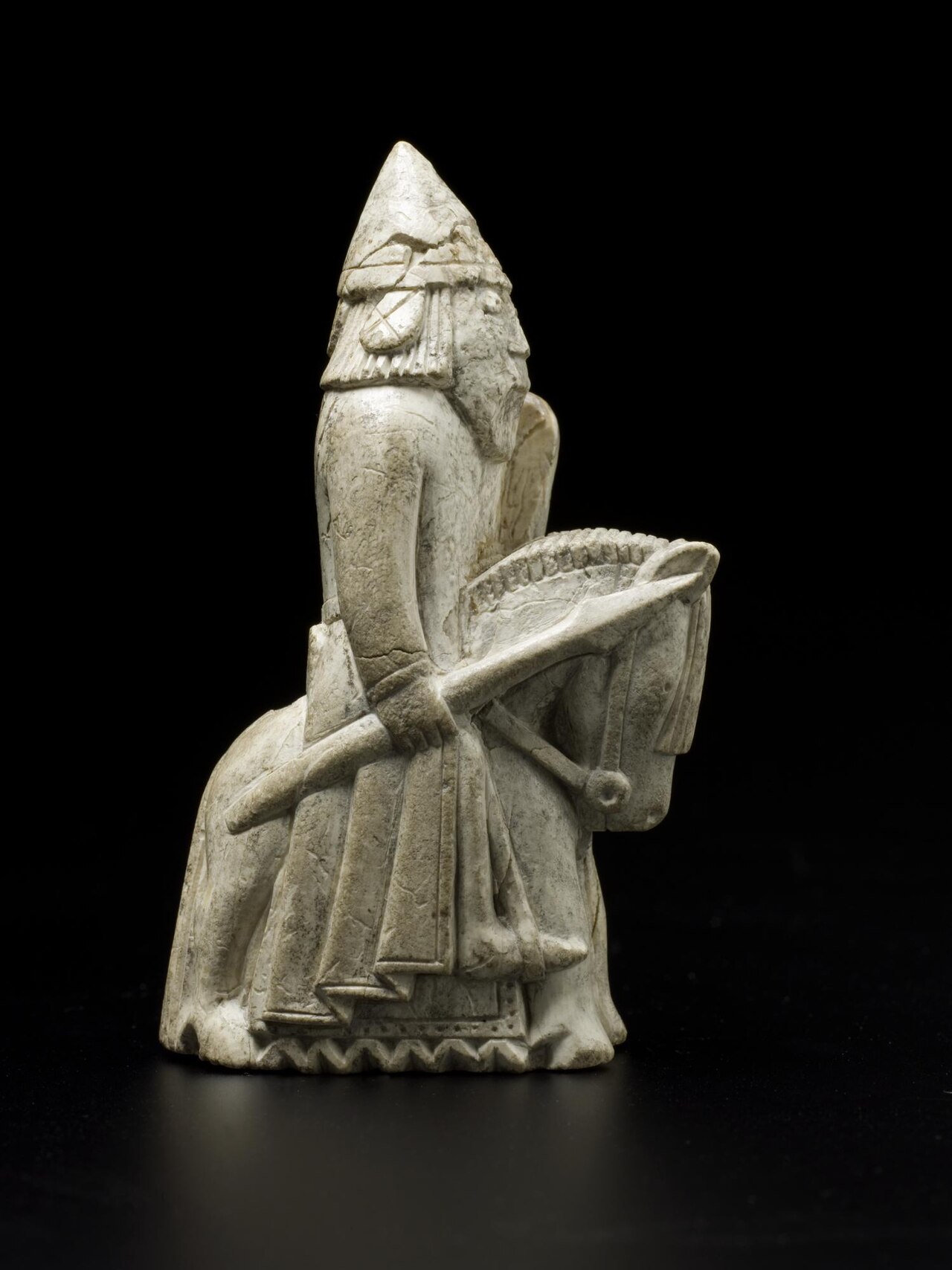
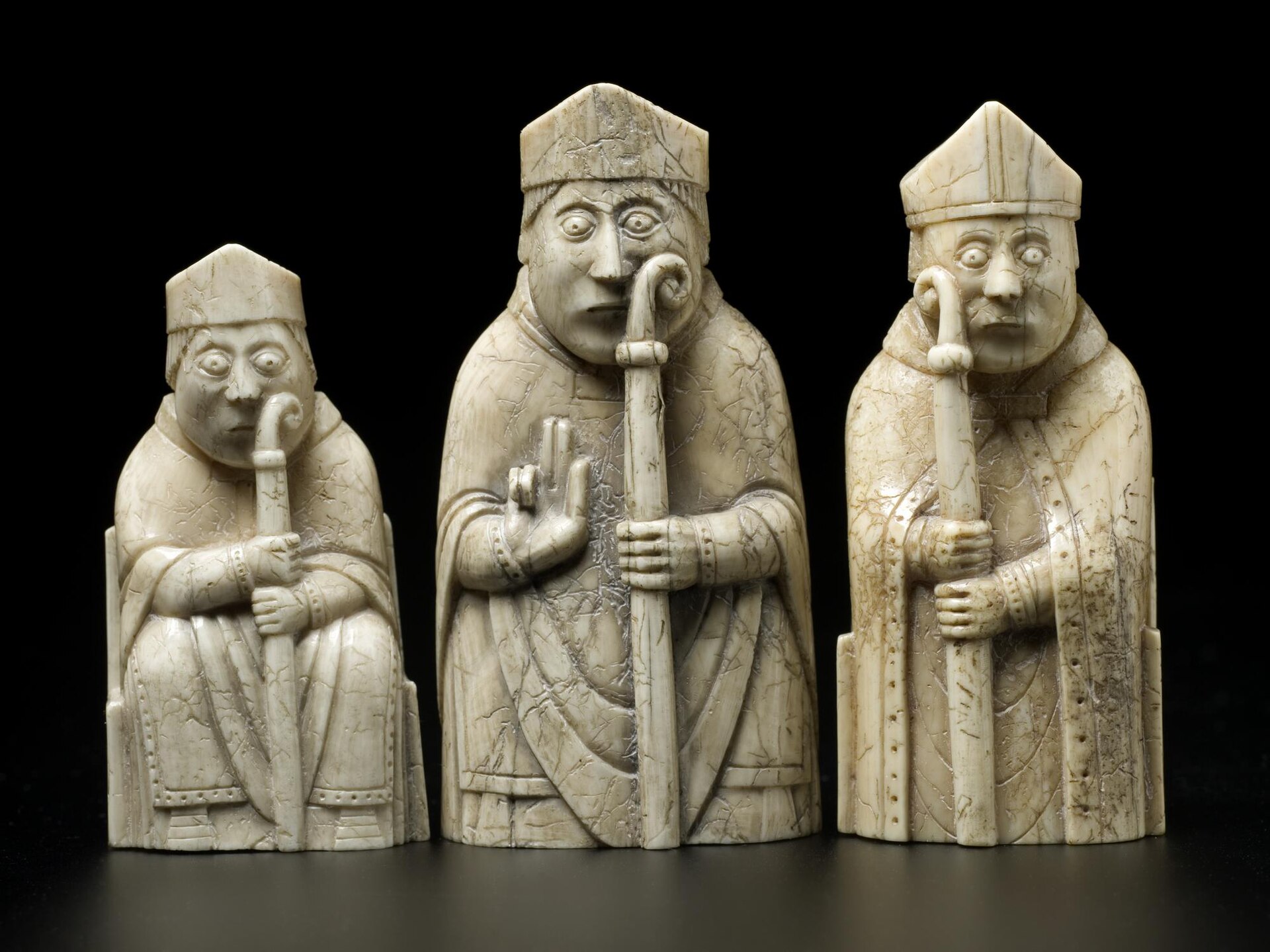
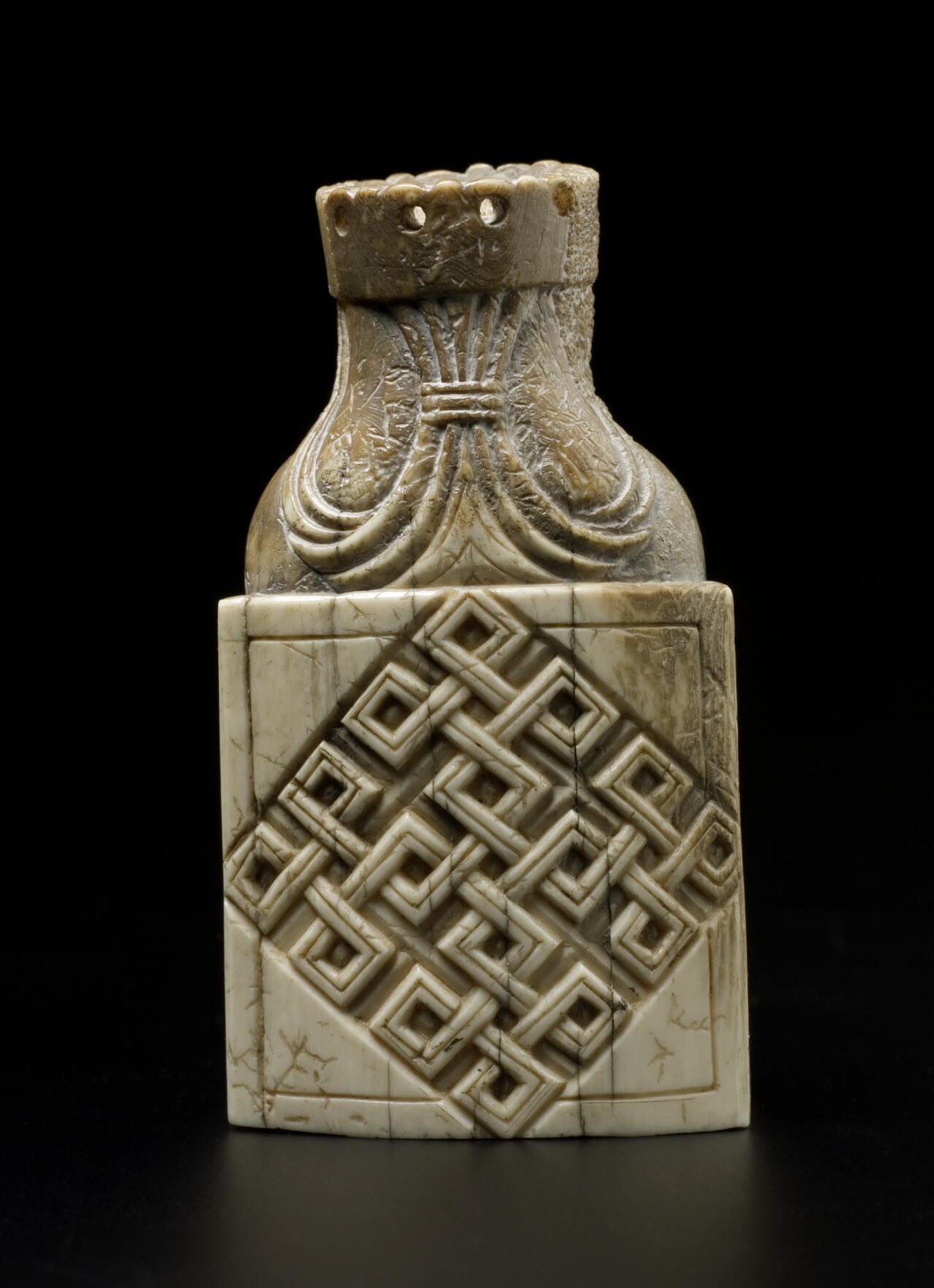
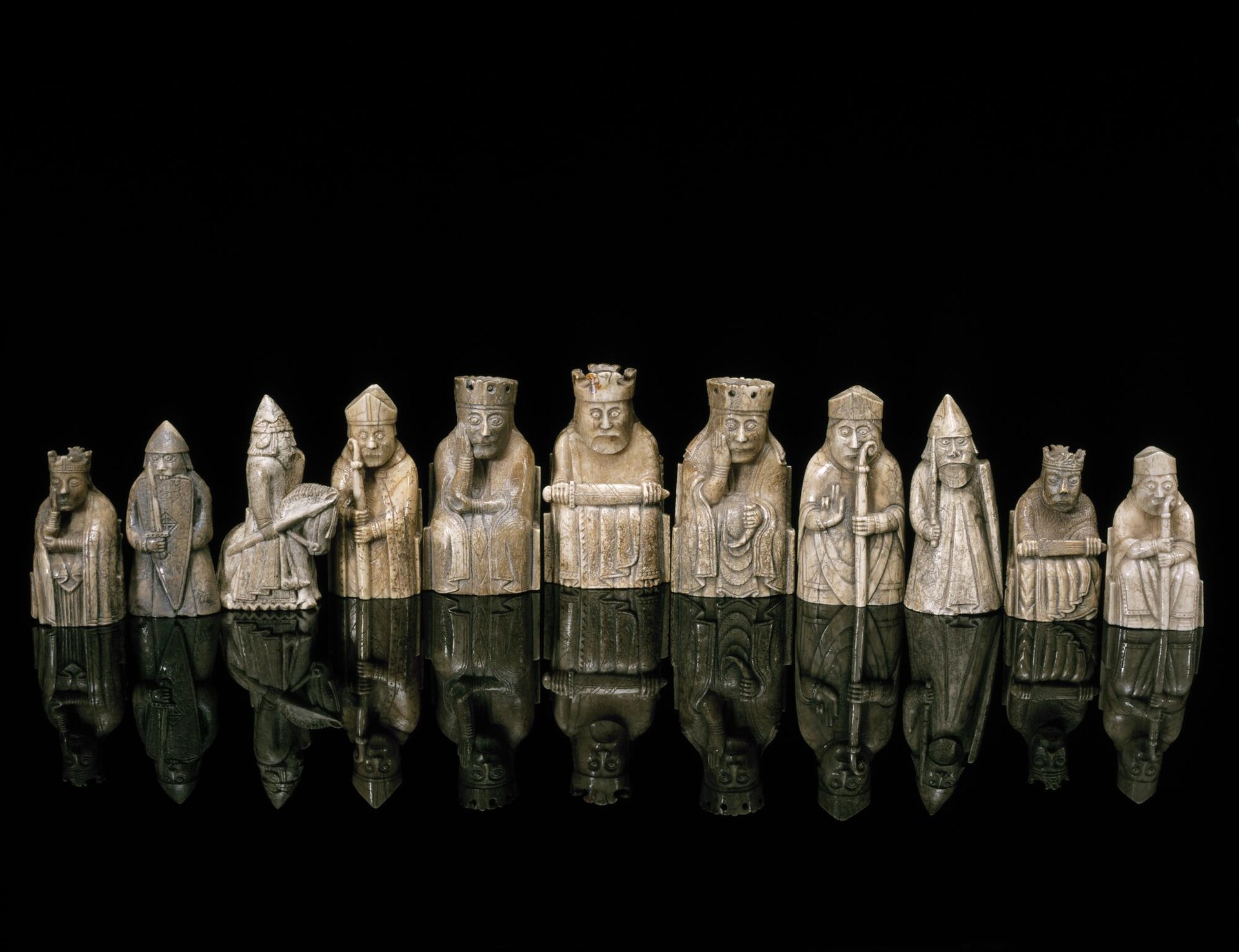
They would have been extraordinarily valuable objects, destined for a wealthy buyer's table. The pieces show almost no sign of wear, suggesting they were never played with. They were then buried for safekeeping, but never retrieved. Nobody knows why.
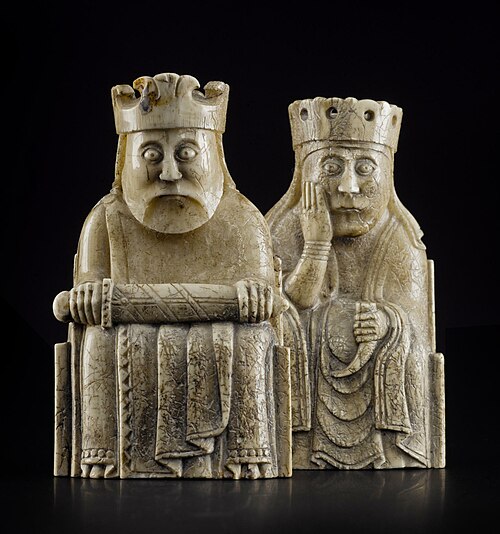
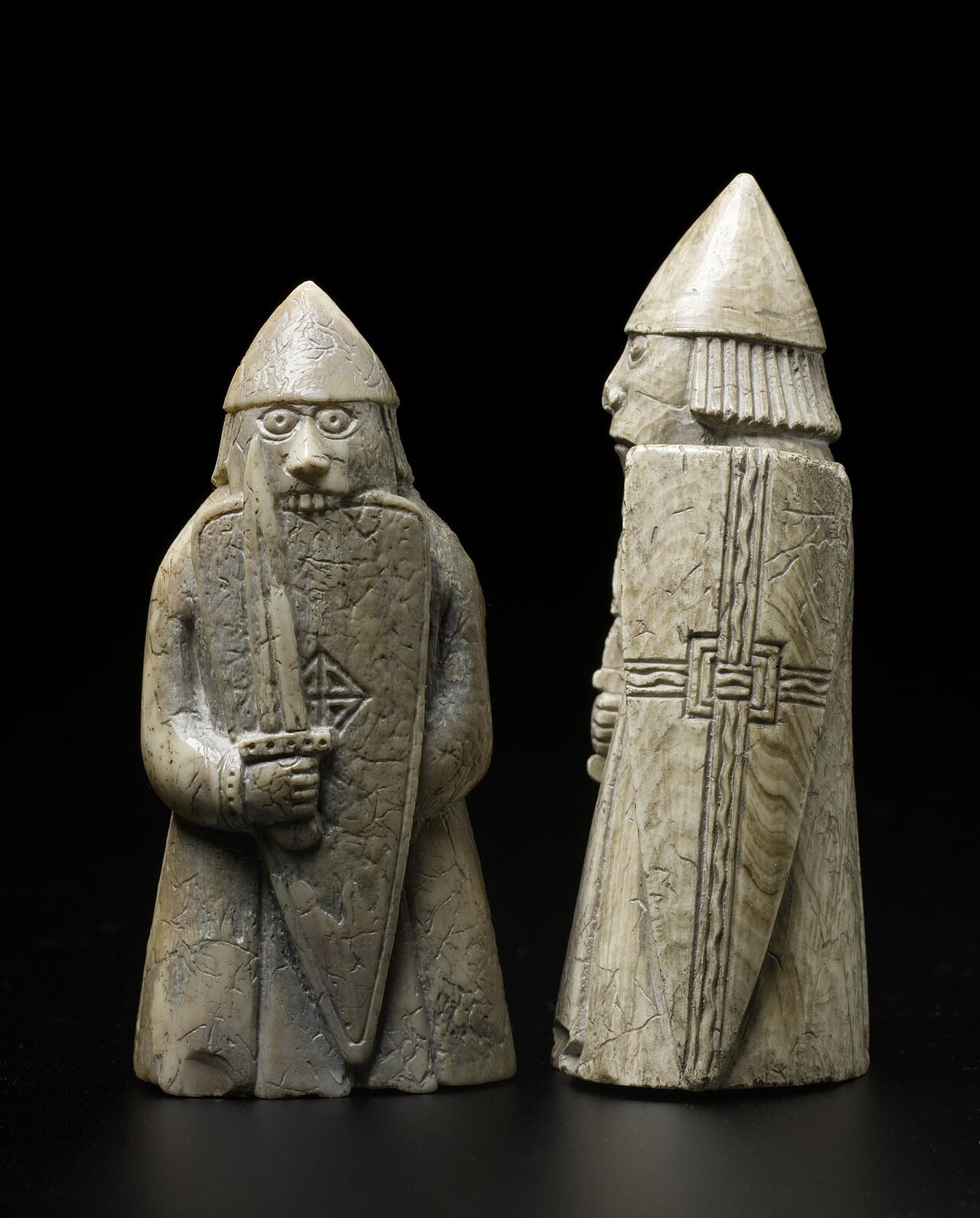
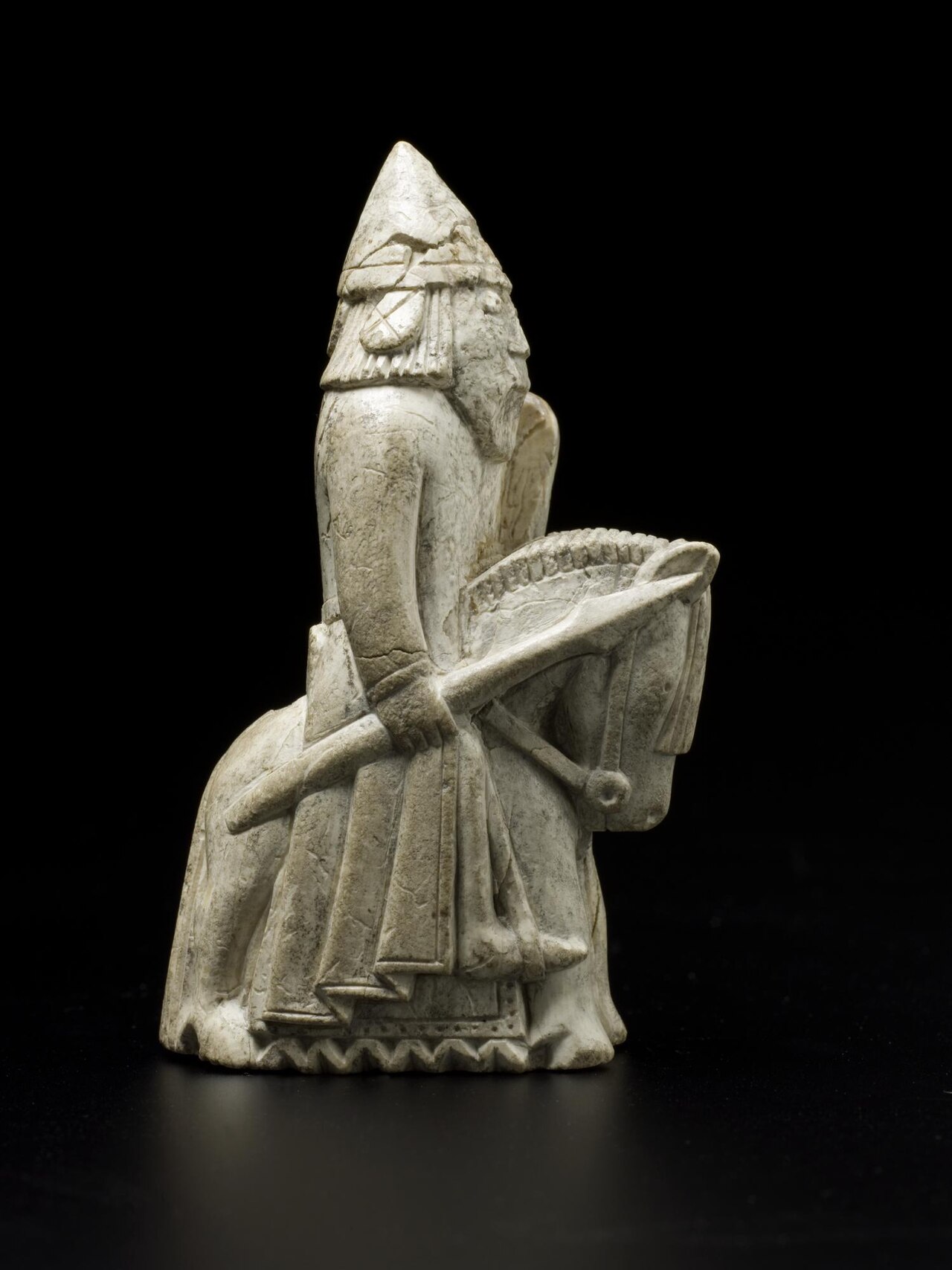
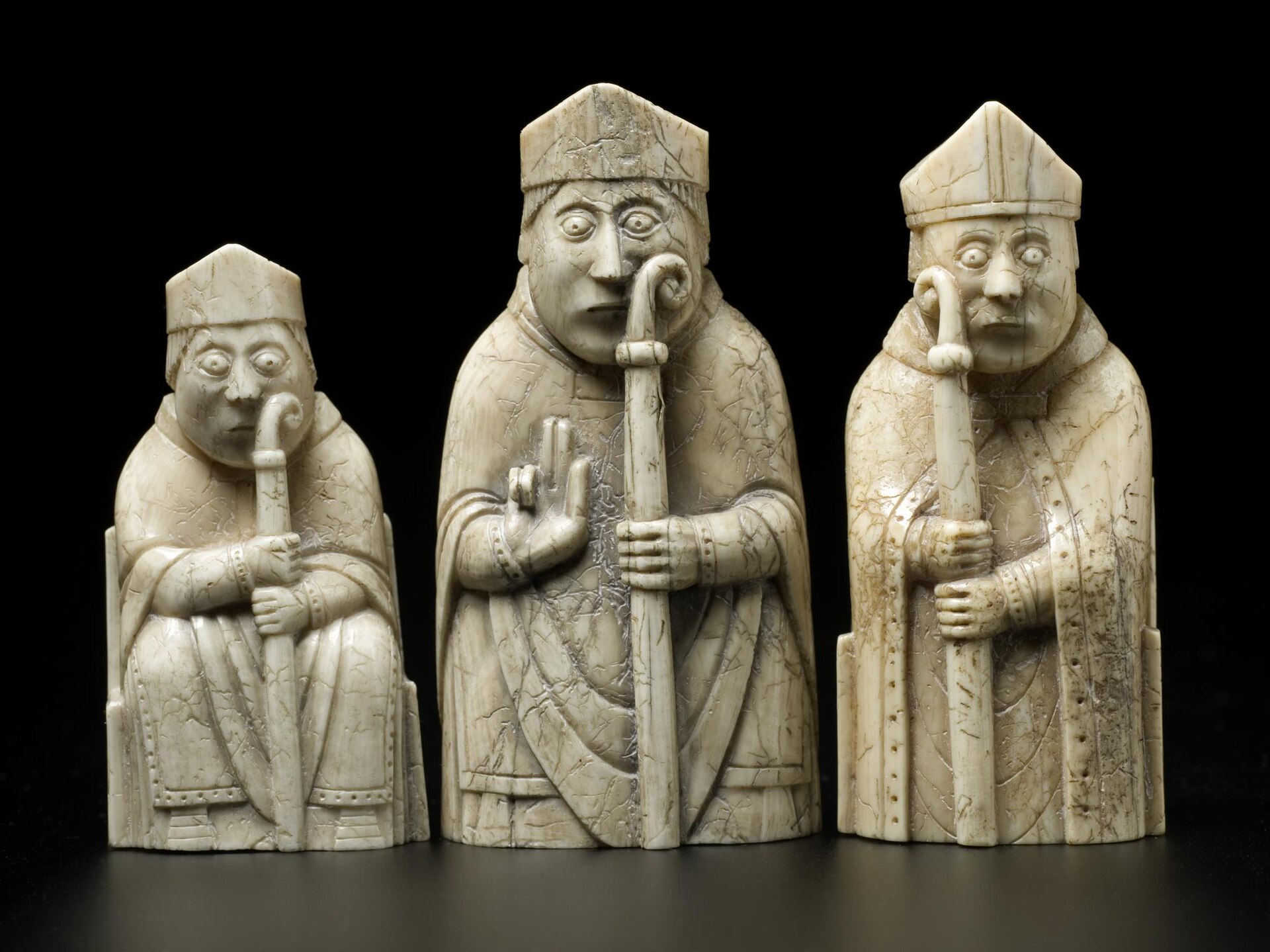
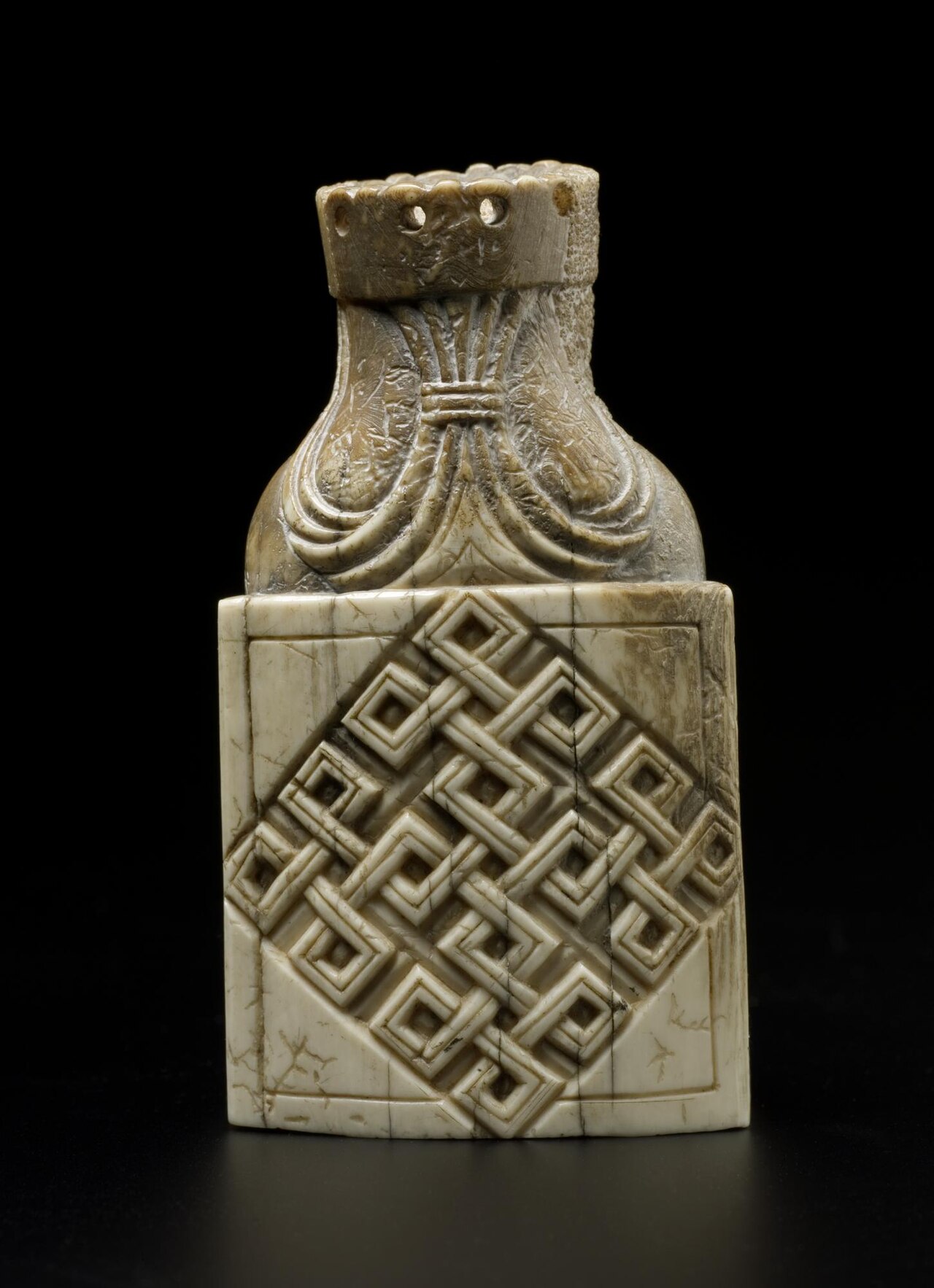
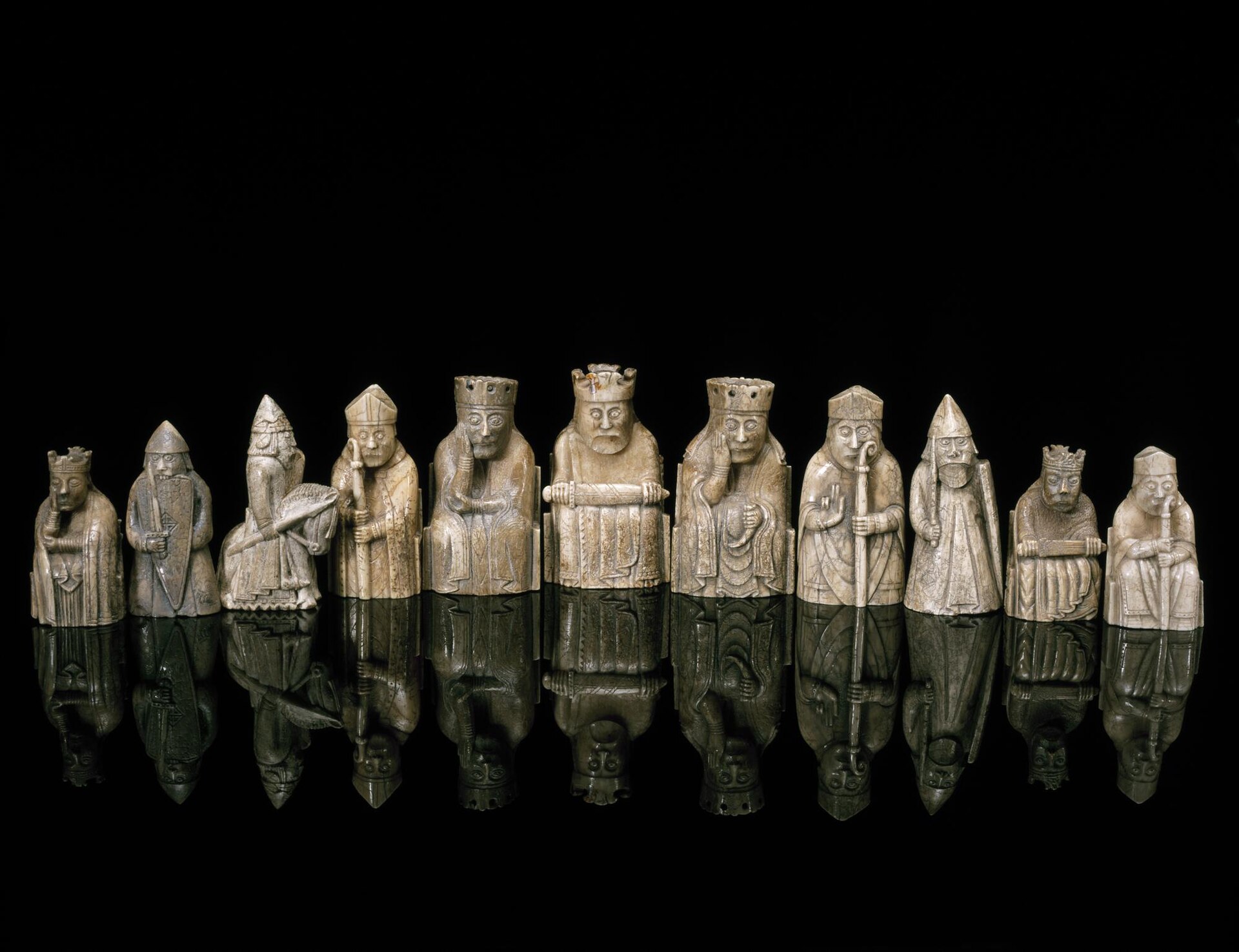
One of the things that make them so extraordinary is their faces - the bishops serene, the knights determined, the queens resting their heads on their hands with an expression of quiet worry.
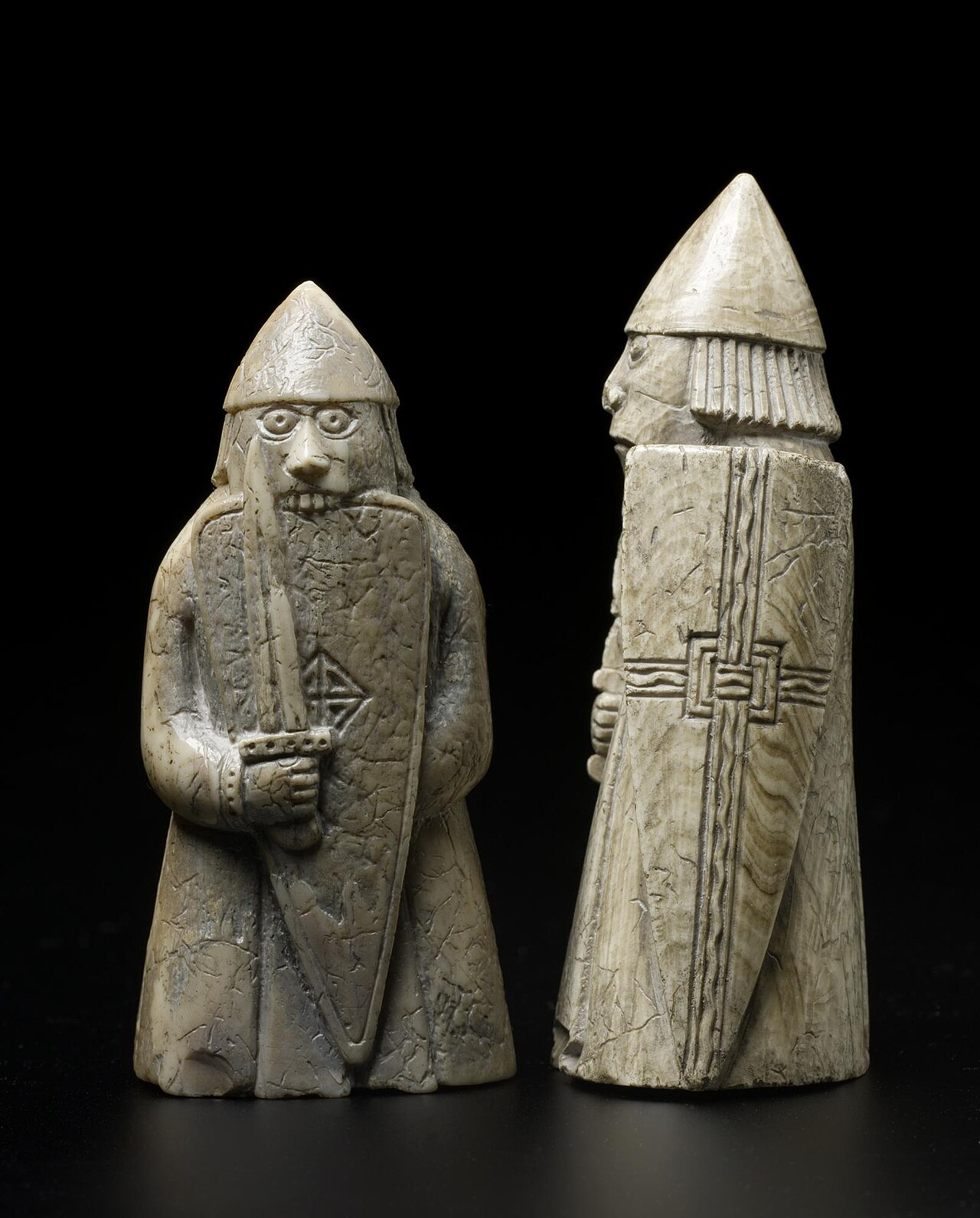
The warders (rooks) are biting their shields, a reference to the Norse tradition of berserkers, the warriors of Odin, who worked themselves into a fury before battle. These are real medieval people, caught in ivory.
Of the 93 pieces found, 82 are now in the British Museum and 11 in the National Museum of Scotland in Edinburgh.
Comments
Loading comments...