The Parthenon Sculptures


You are now standing in front of what many consider the greatest surviving achievement of ancient Greek art - and one of the most prized possessions of the British Museum.
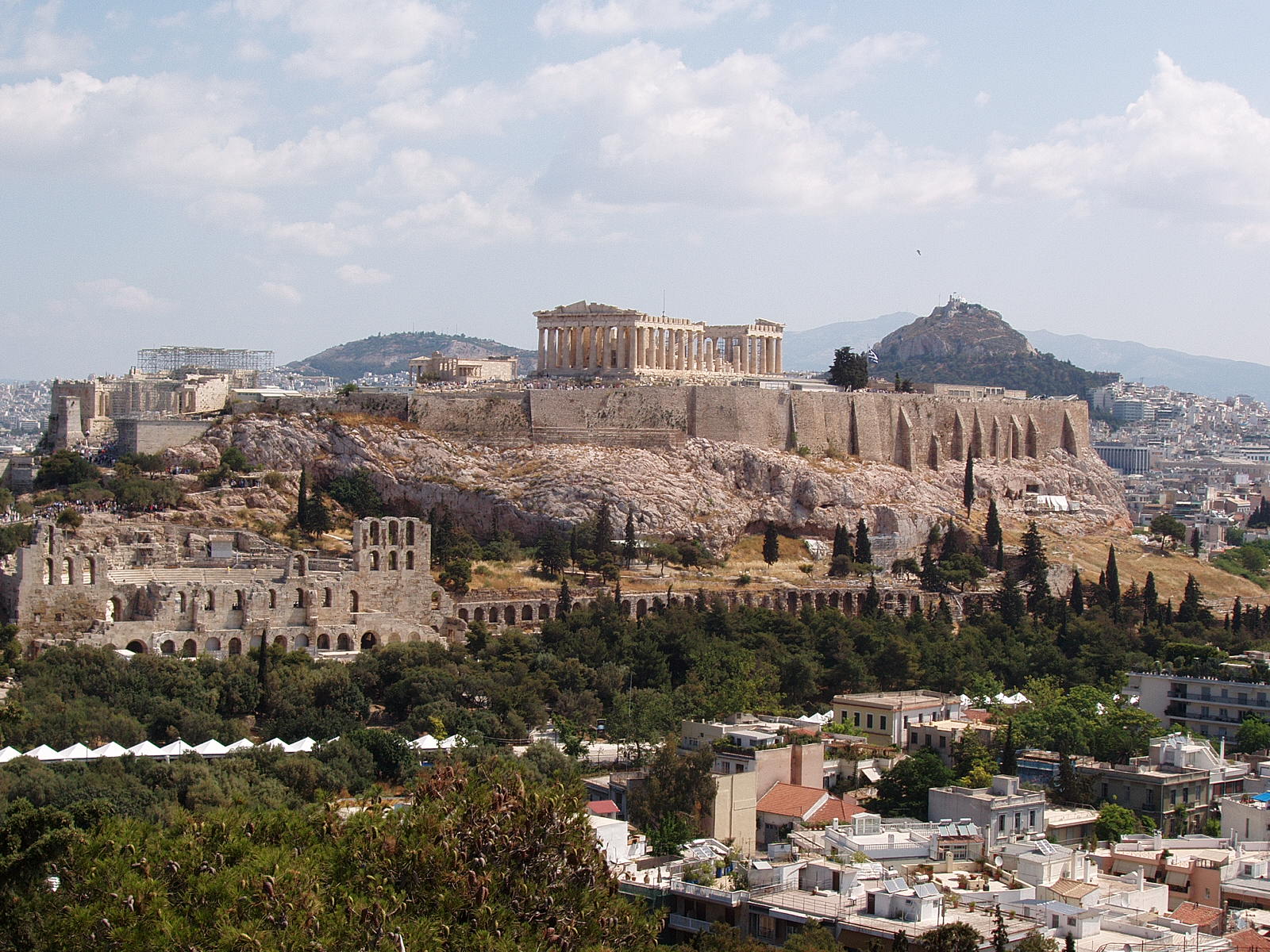
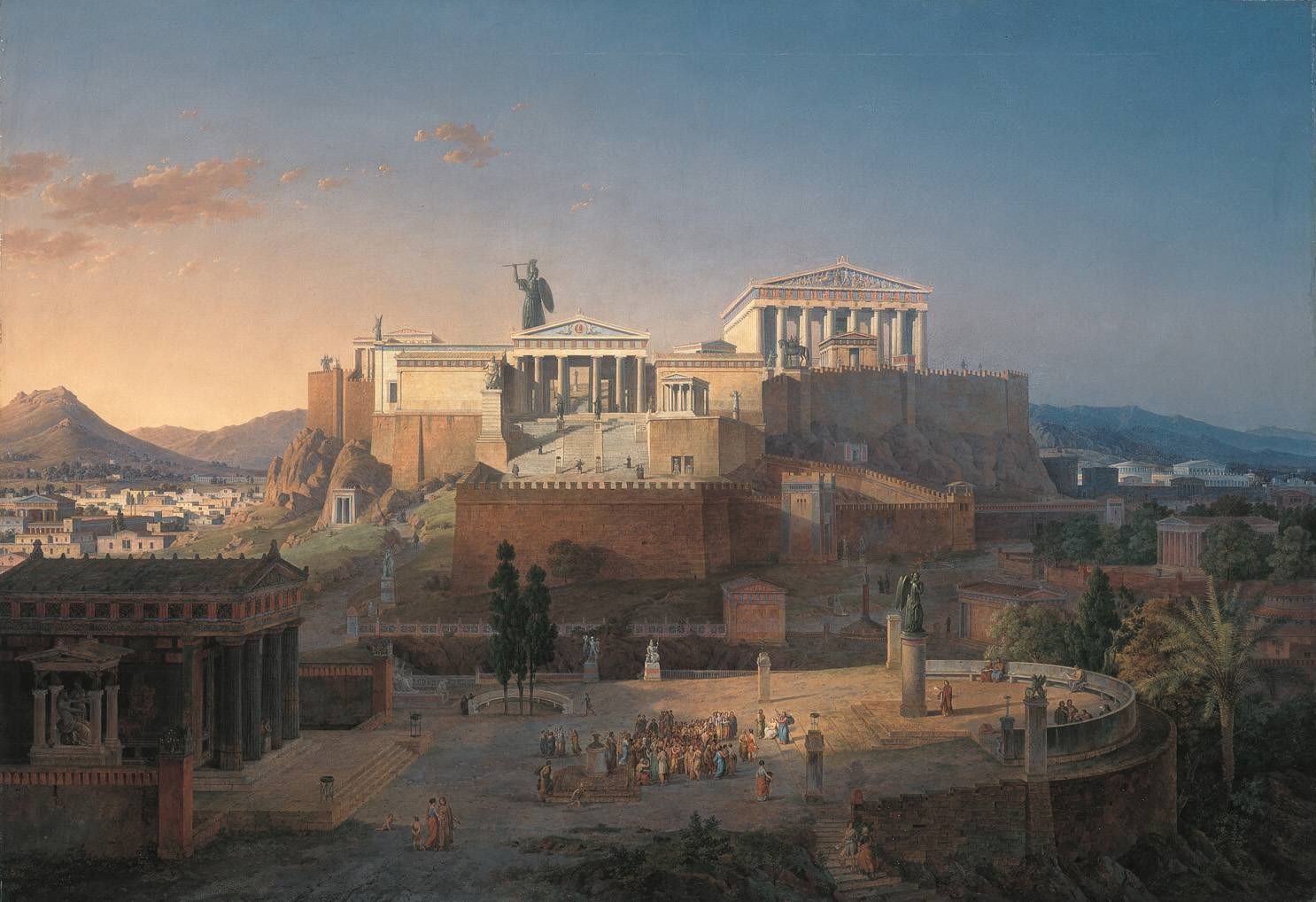
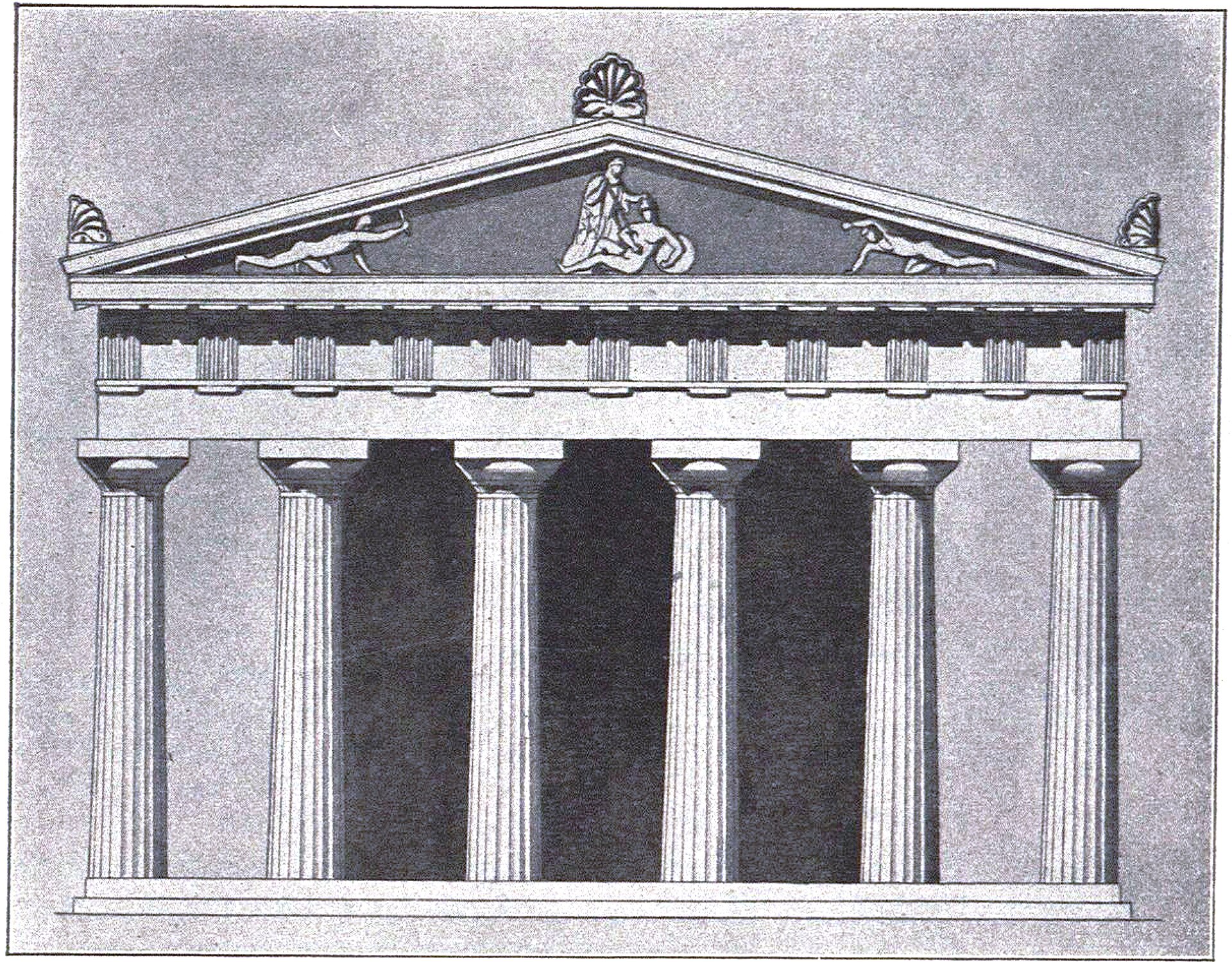
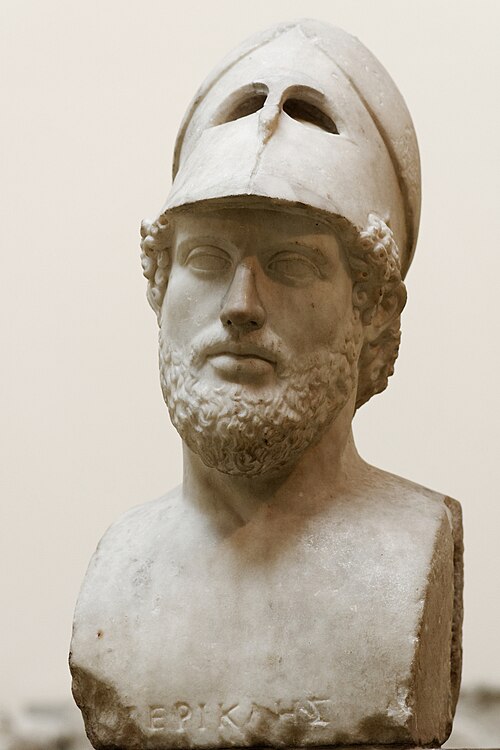
The Parthenon was built around 450 BC - and was dedicated to the goddess Athena, patron of Athens. Its great size and lavish use of white marble was intended to show off the city's power and wealth at the height of its empire, under the statesman Pericles.
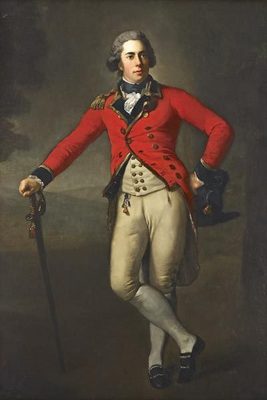
It was also built for a very specific reason. Indeed in 480 BC, the Persian Empire had attacked Athens and destroyed the Acropolis. The Parthenon was Pericles's answer - built 33 years later as a defiant statement of everything Athens had become.
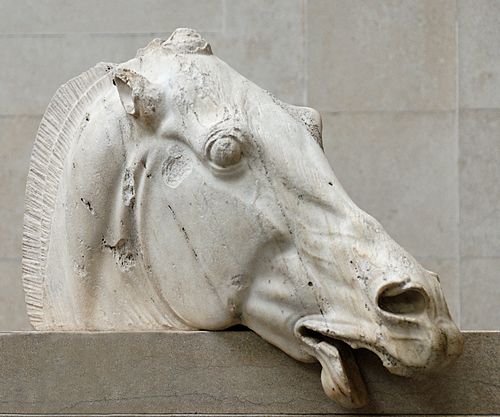
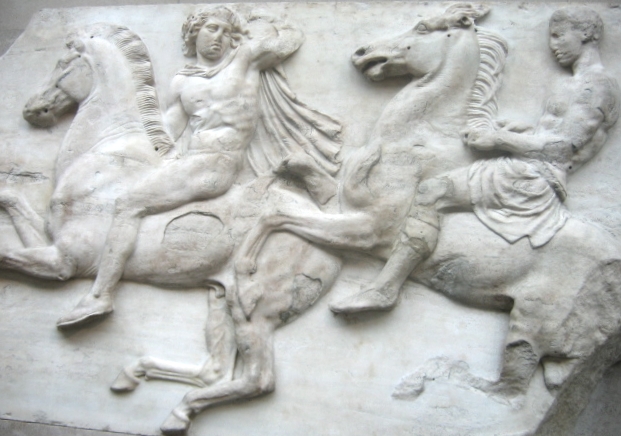
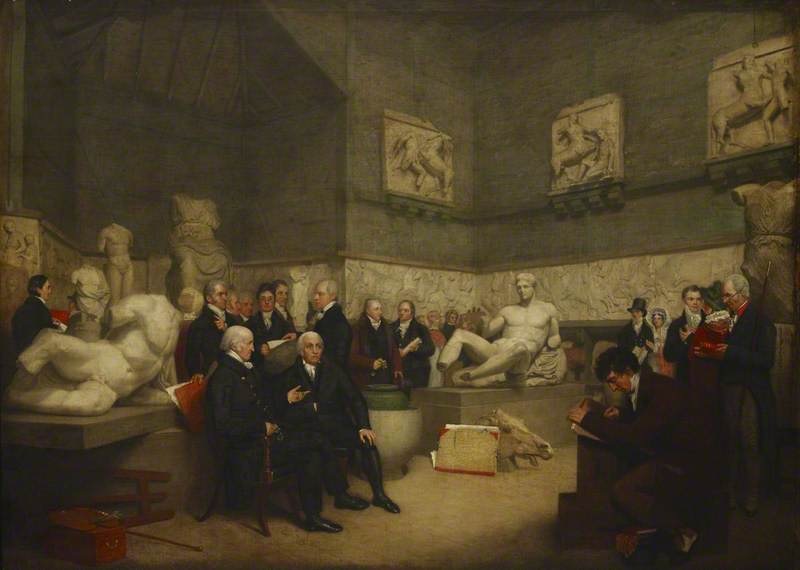
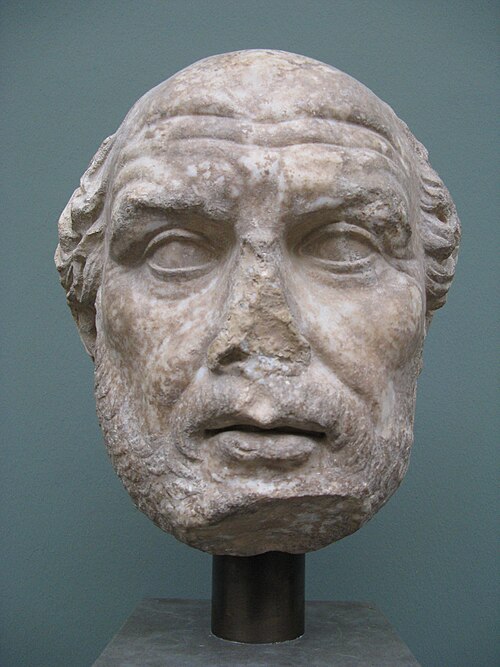
Pericles himself claimed that Athens was the school of Greece and the Acropolis was a symbol of this effort to promote Athens as the greatest of all Greek cities. The sculptures were made under the supervision of the sculptor Pheidias. They are organised in 3 layers, each telling a different story.
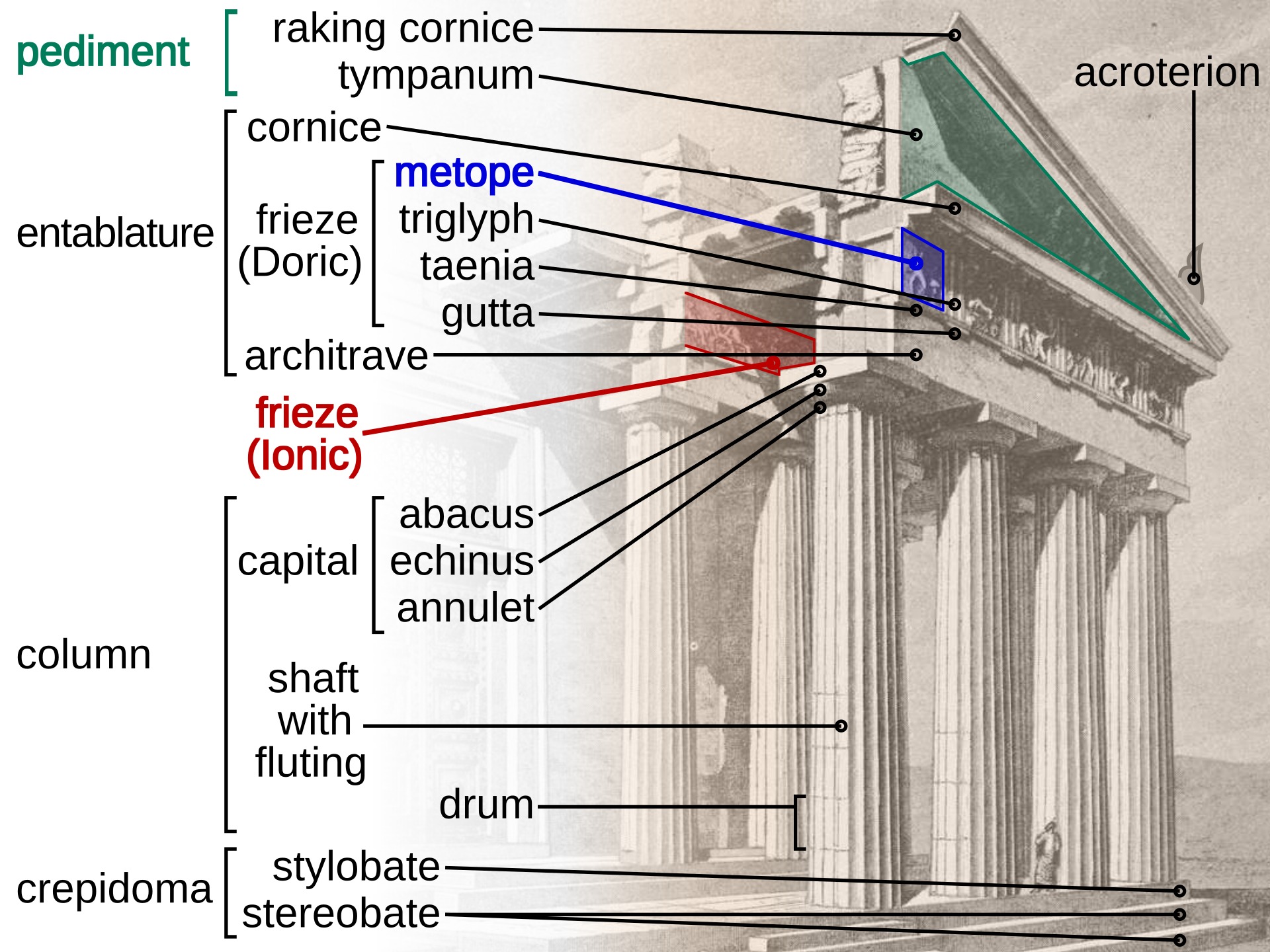
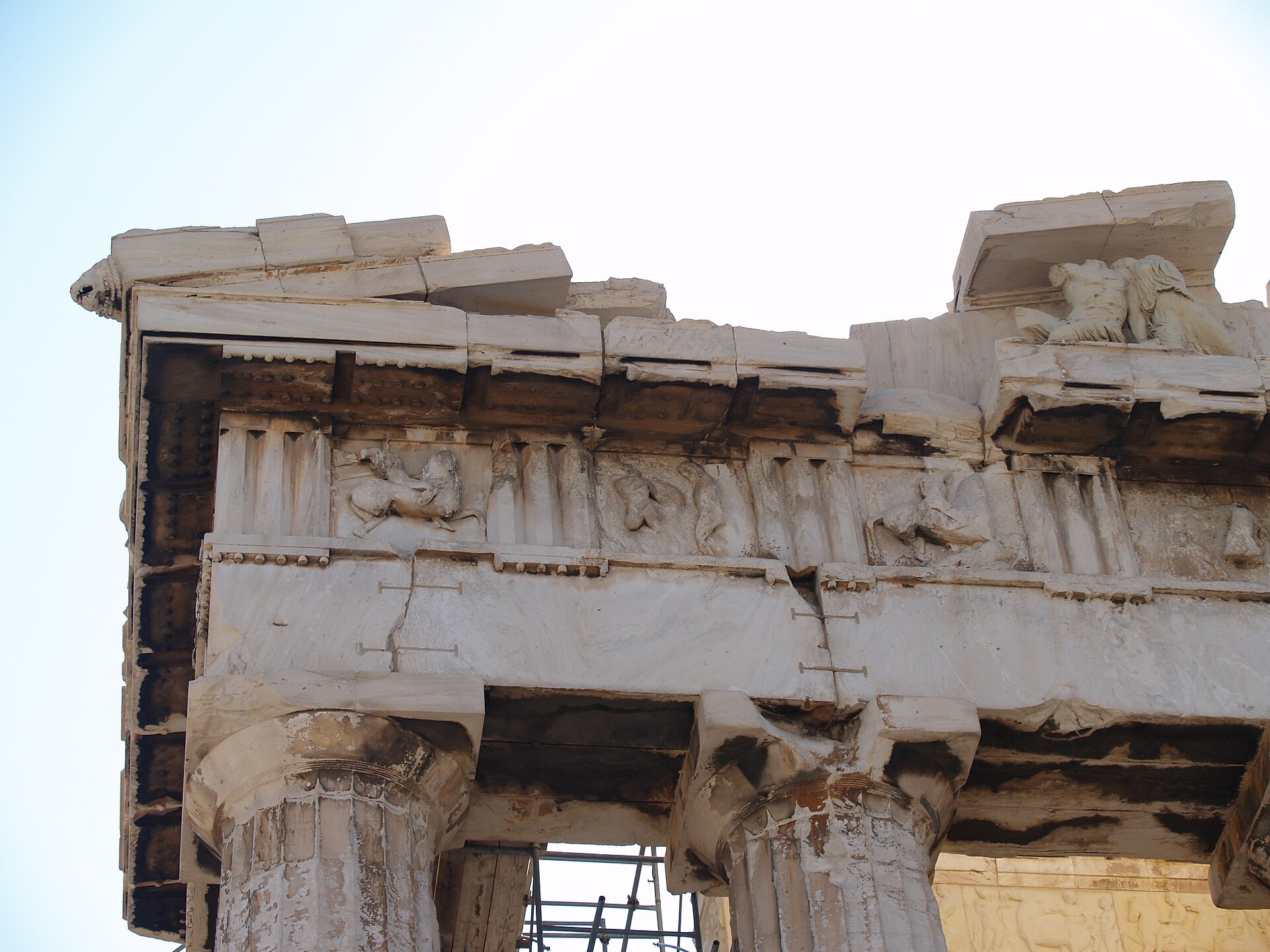
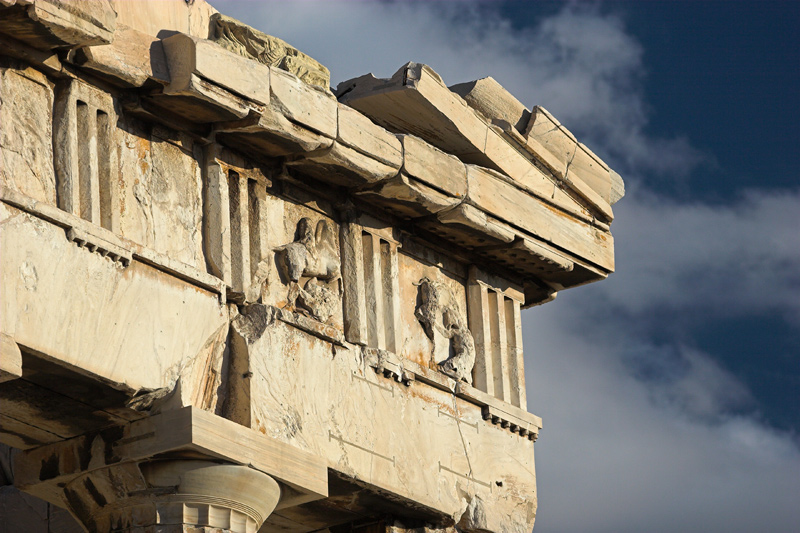
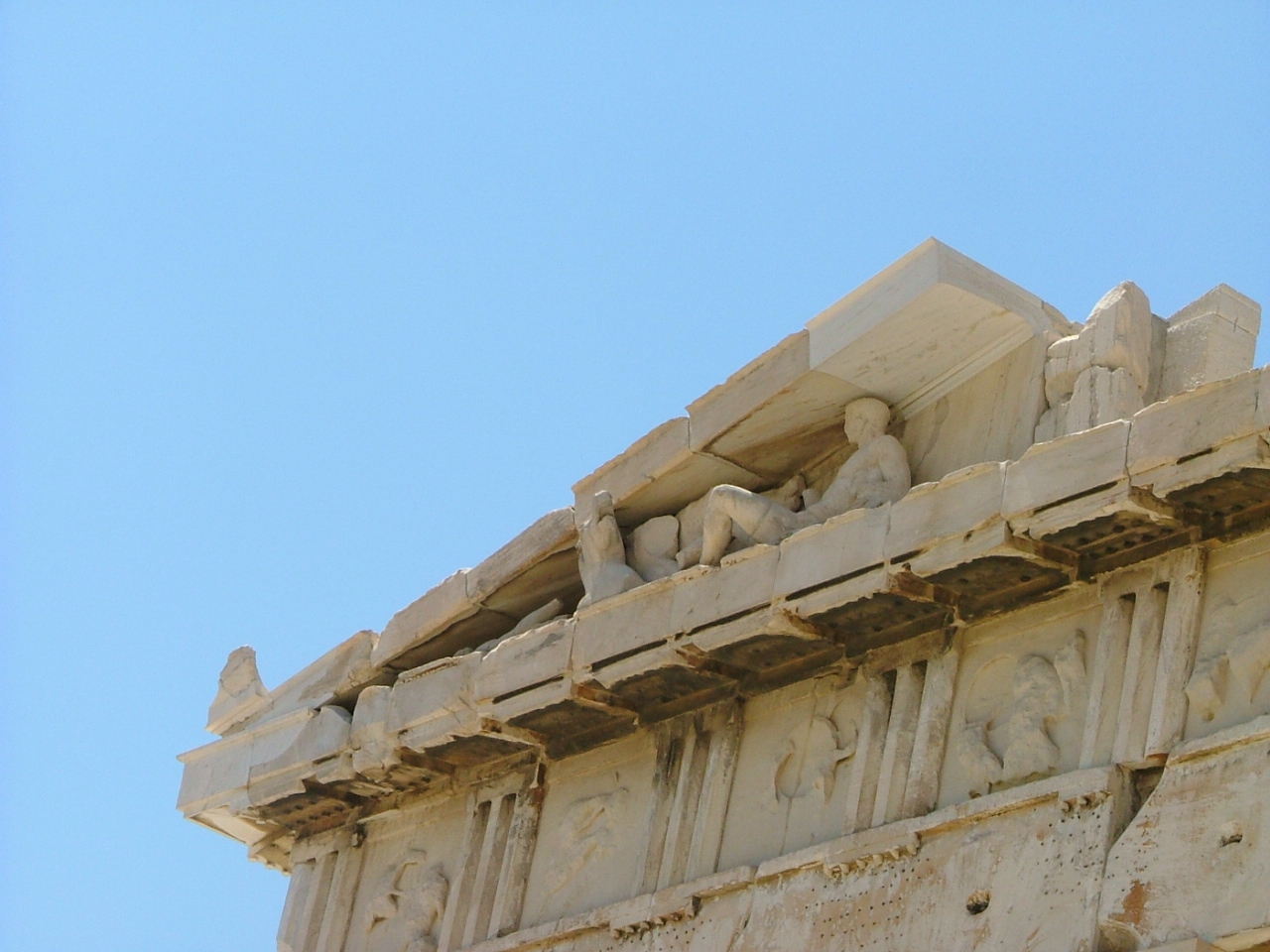
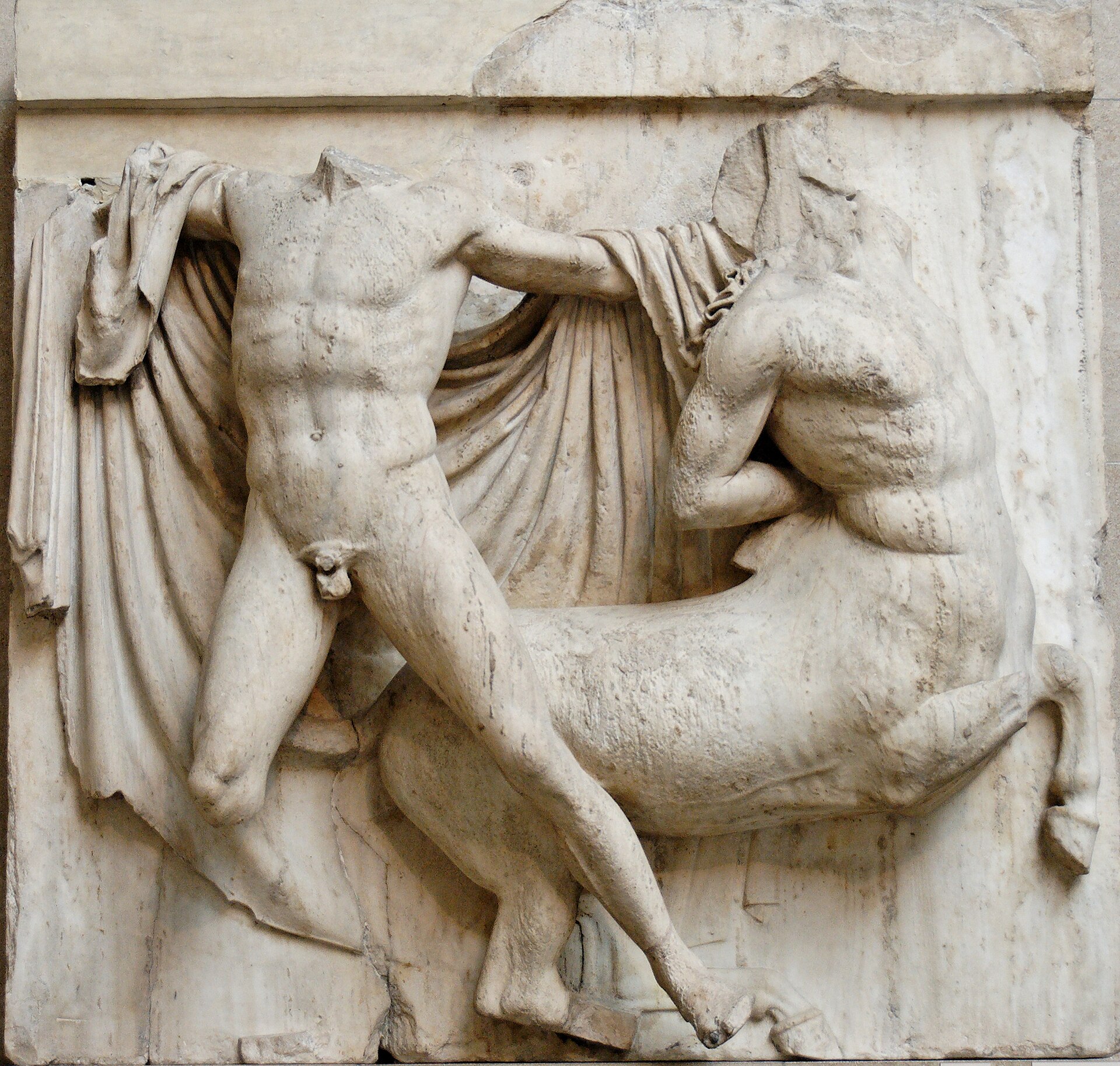
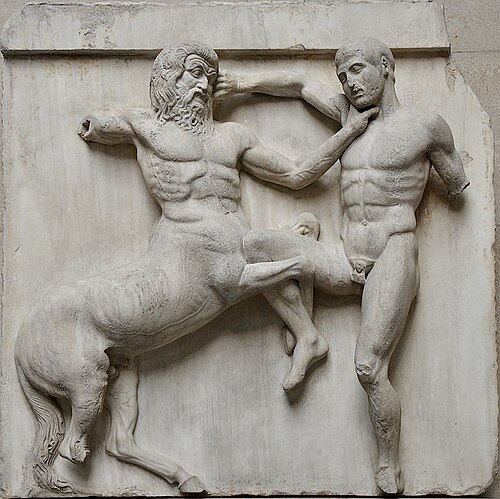
First, high above the columns were the metopes - carved panels depicting mythological battles of the gods against the giants and the Greeks against the Trojans. They have also been interpreted as allegories of civilisation triumphing over chaos, order over barbarism, Athens over Persia.
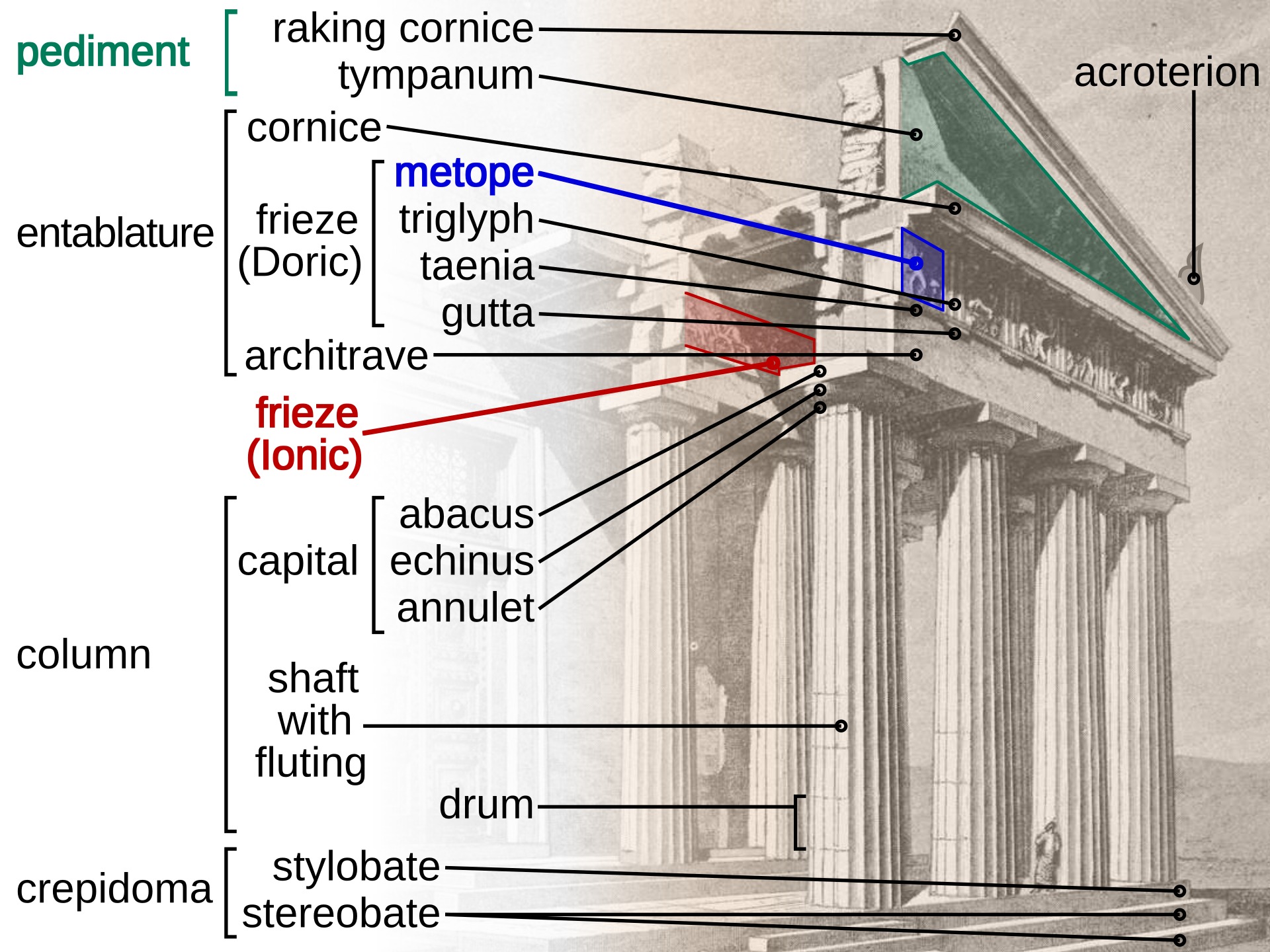
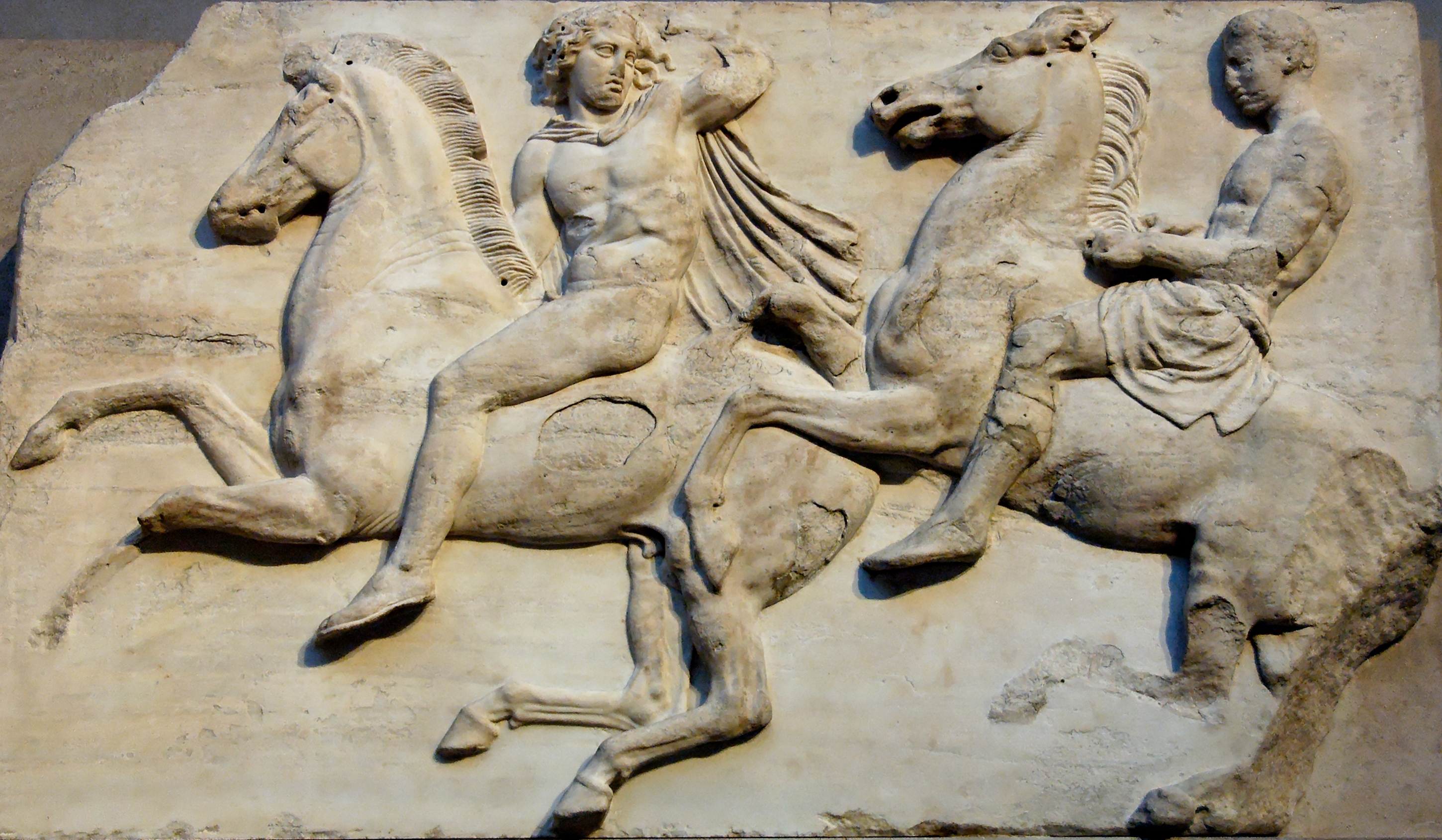
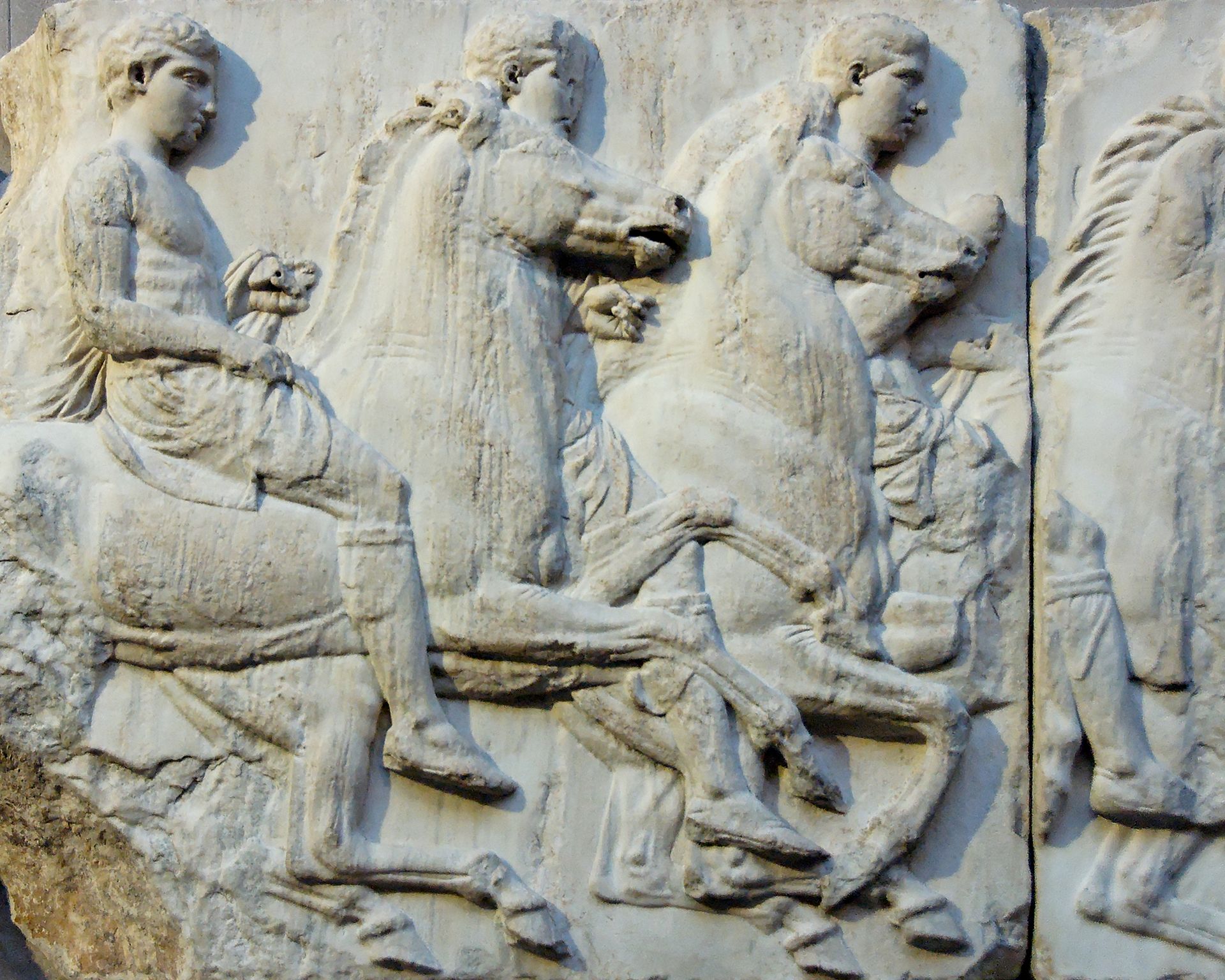
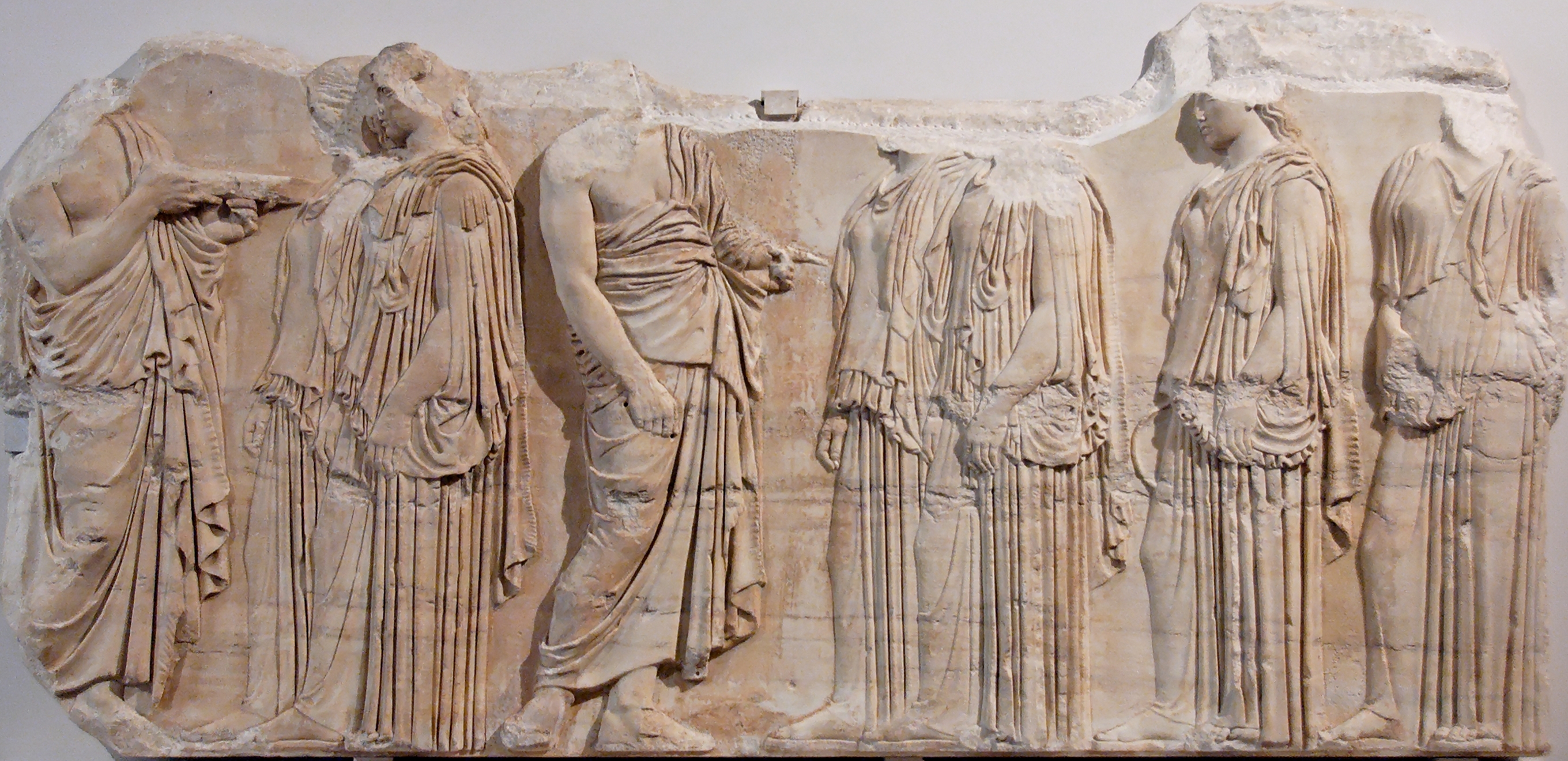
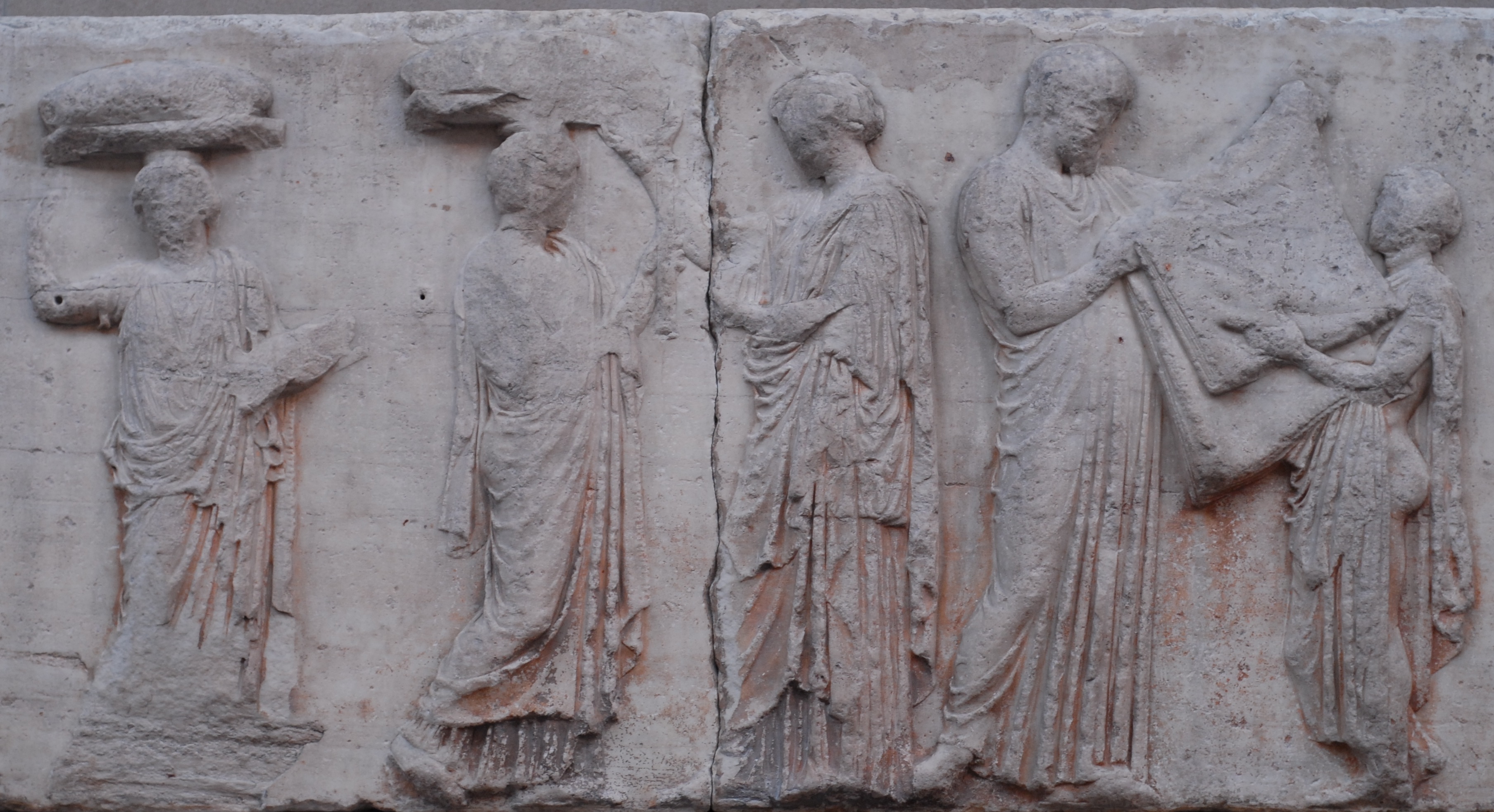
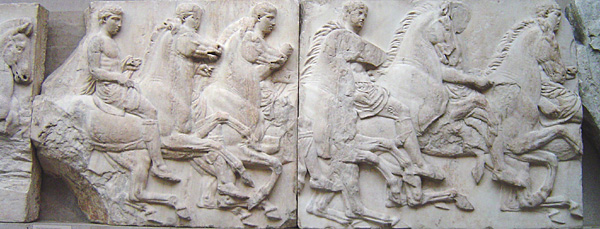
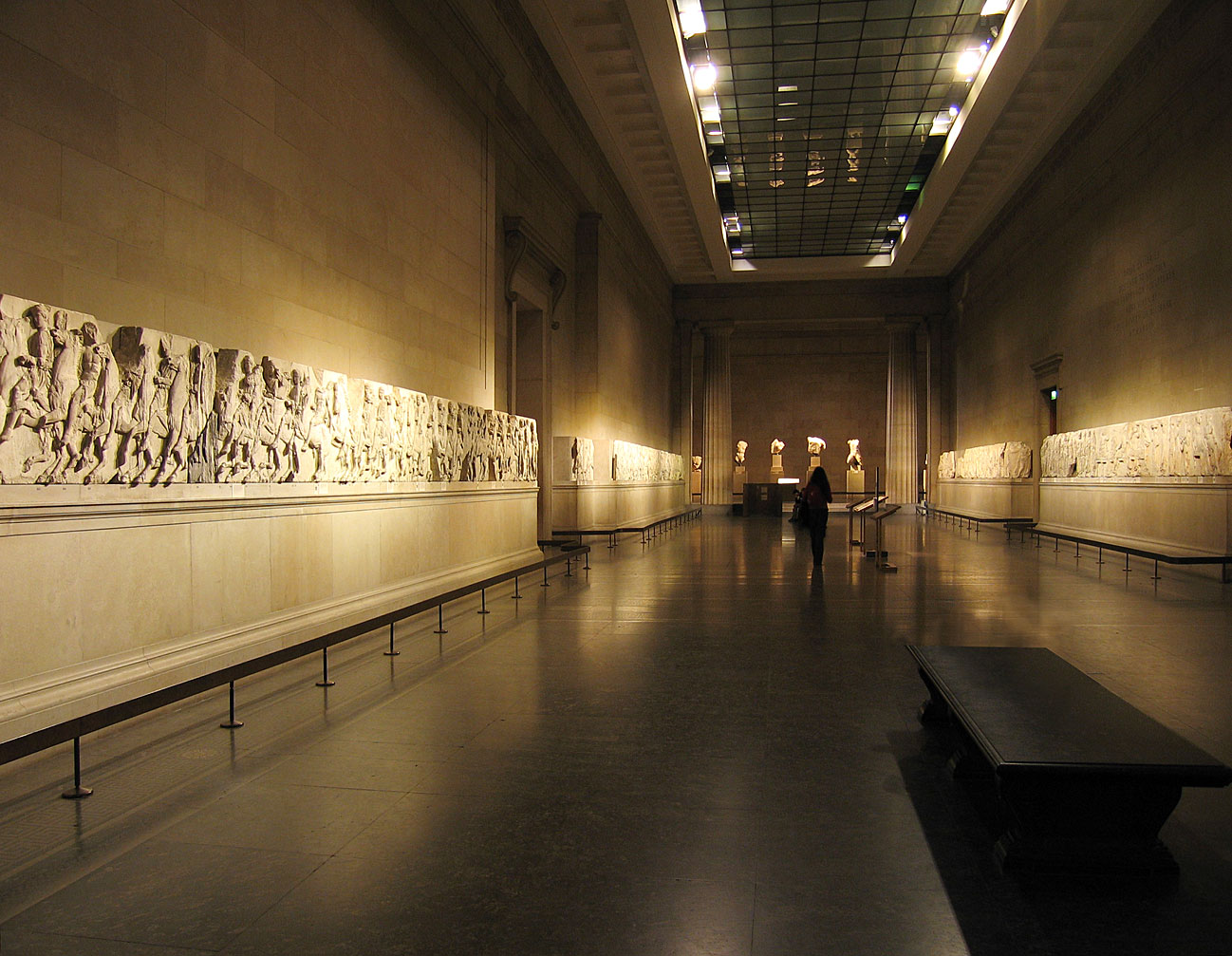
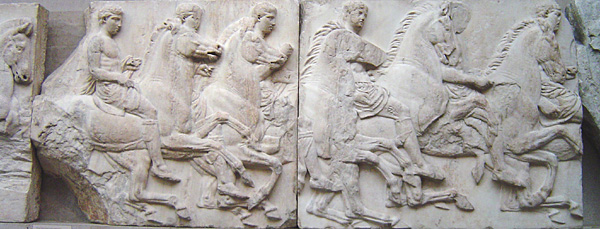
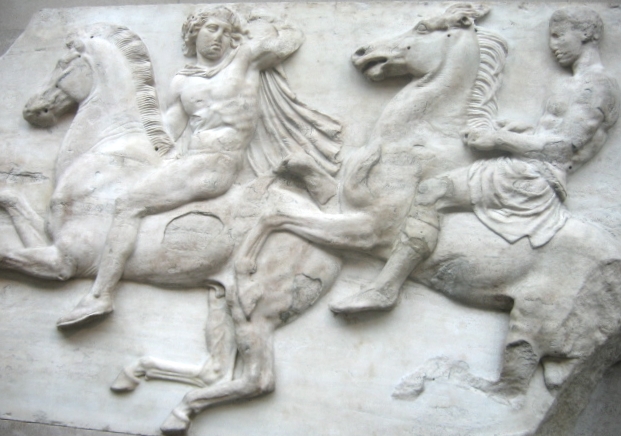
Then, running continuously around the interior of the temple, was the frieze. This depicted the Panathenaic procession - a great festival held every 4 years to celebrate the birthday of Athena. The culmination was the redraping of the great statue of Athena inside the temple, in a new cloak, woven by the citizens of Athens. What makes this extraordinary is that the frieze doesn't depict gods or heroes or myths - rather it depicts the people of Athens themselves. This is almost without precedent in ancient Greek art.
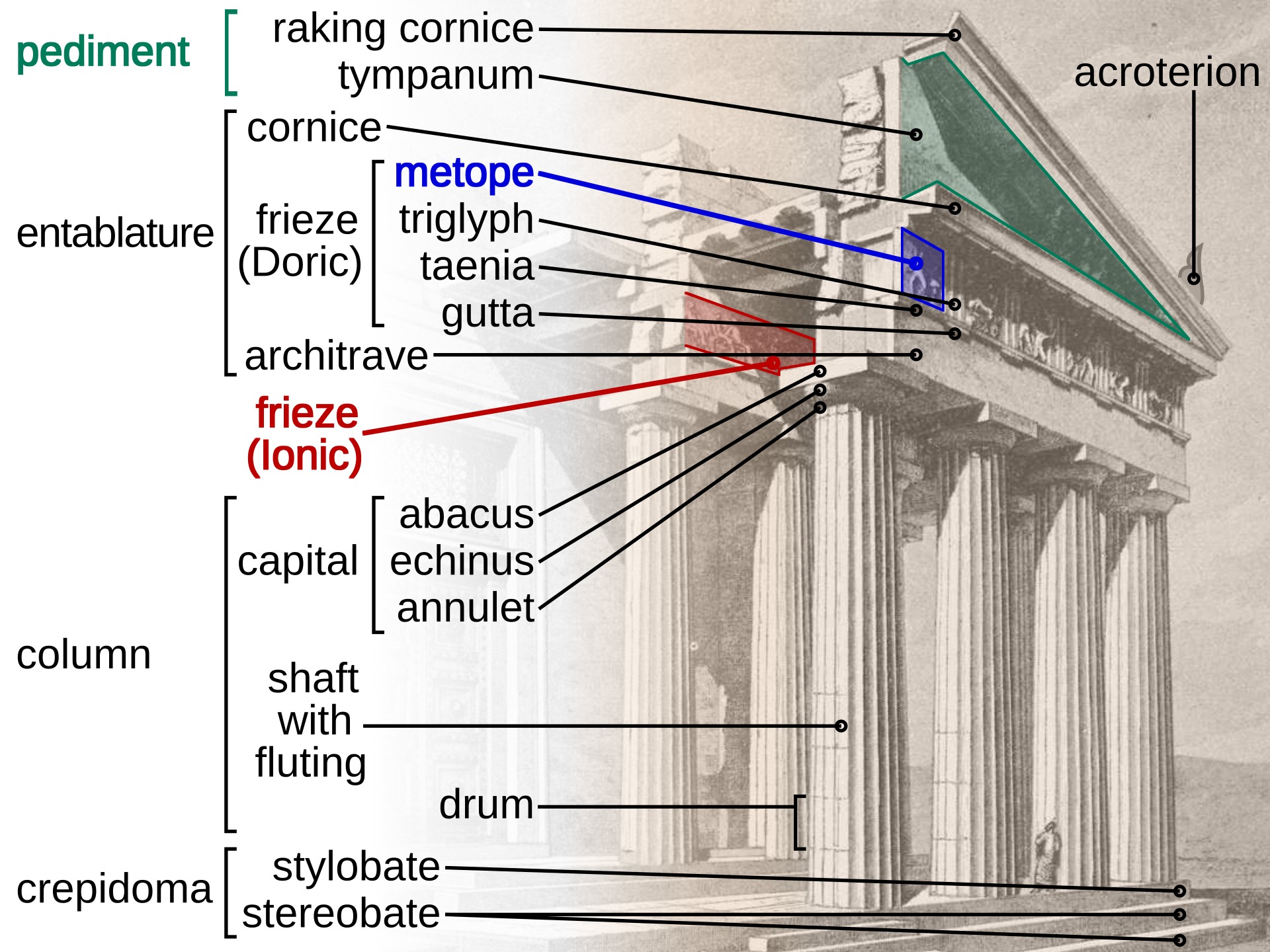
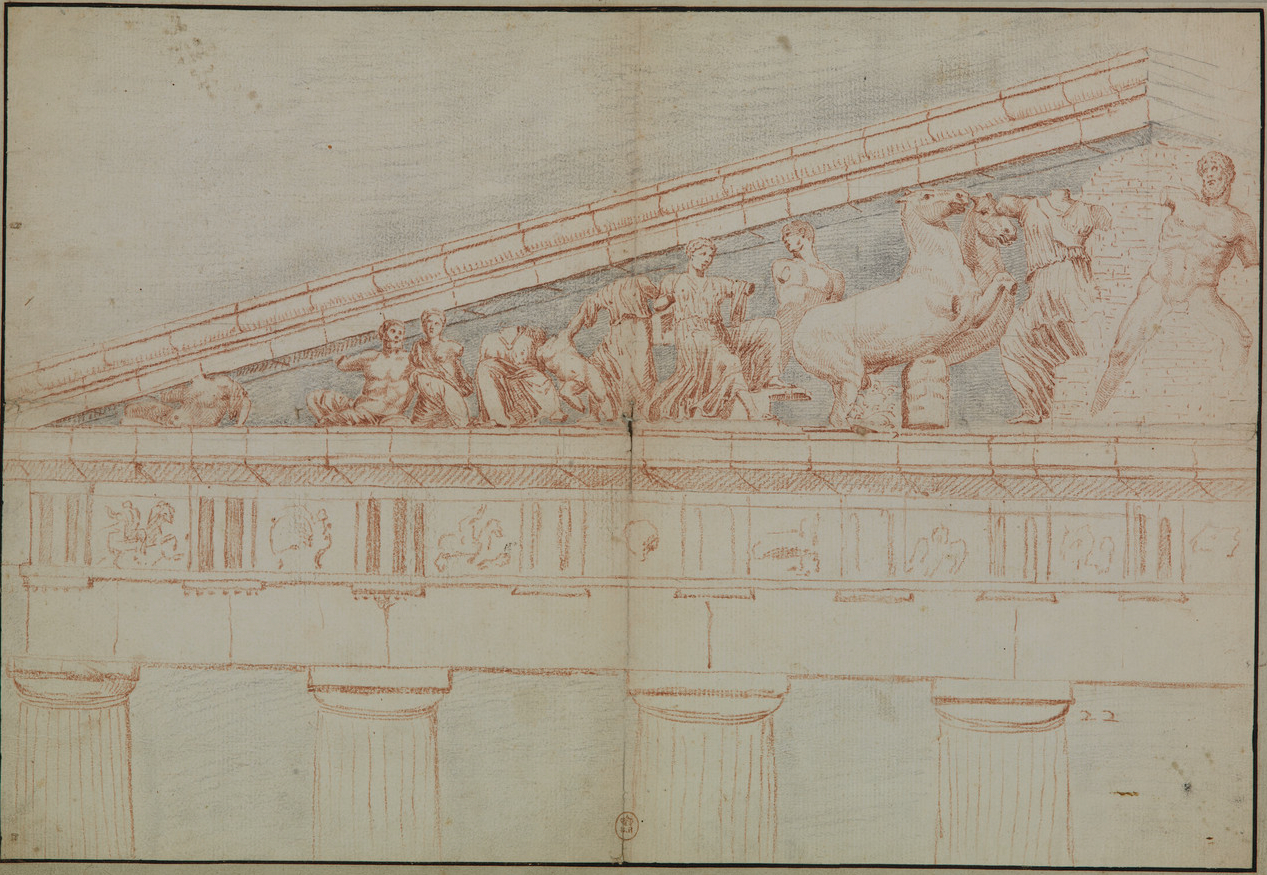

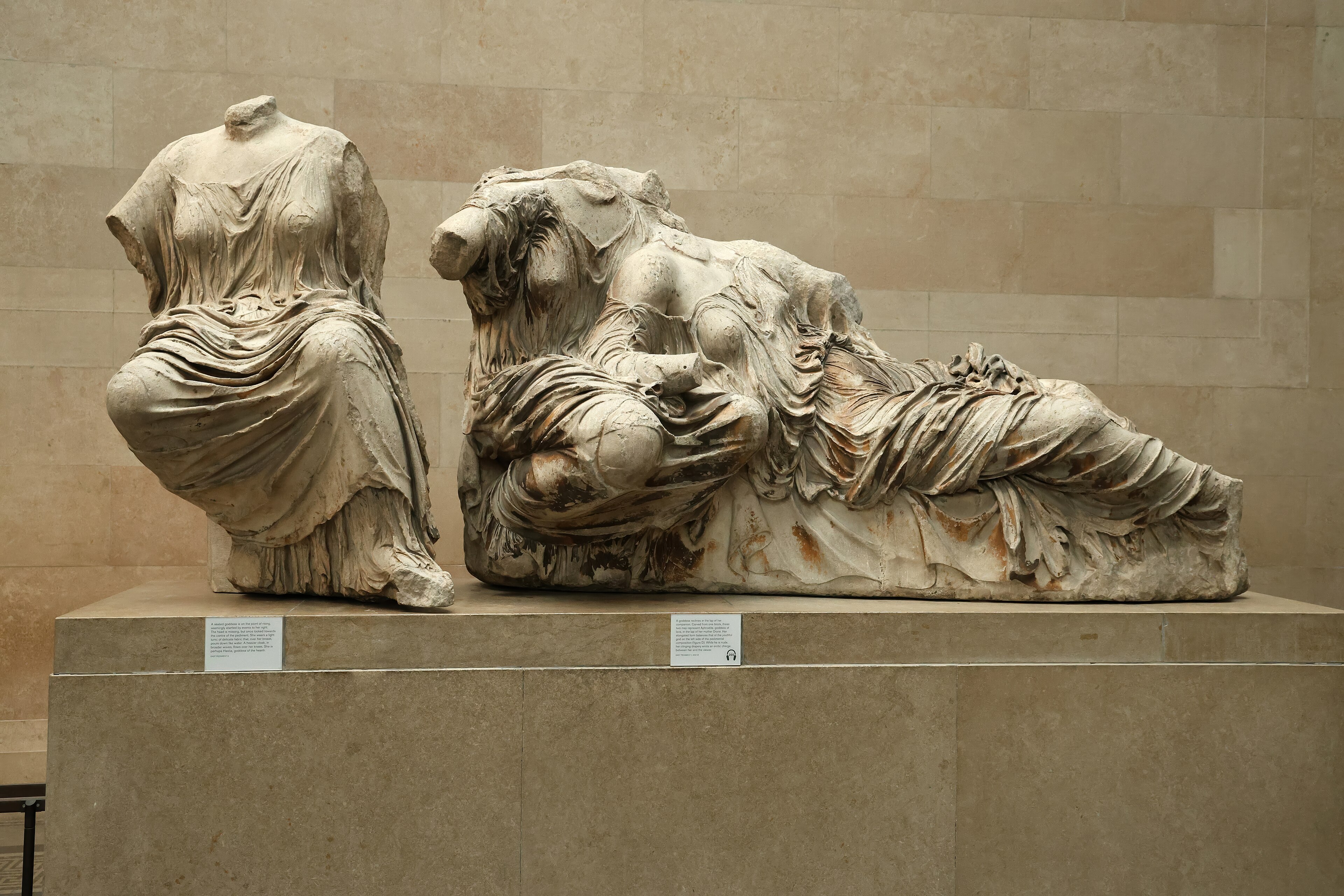
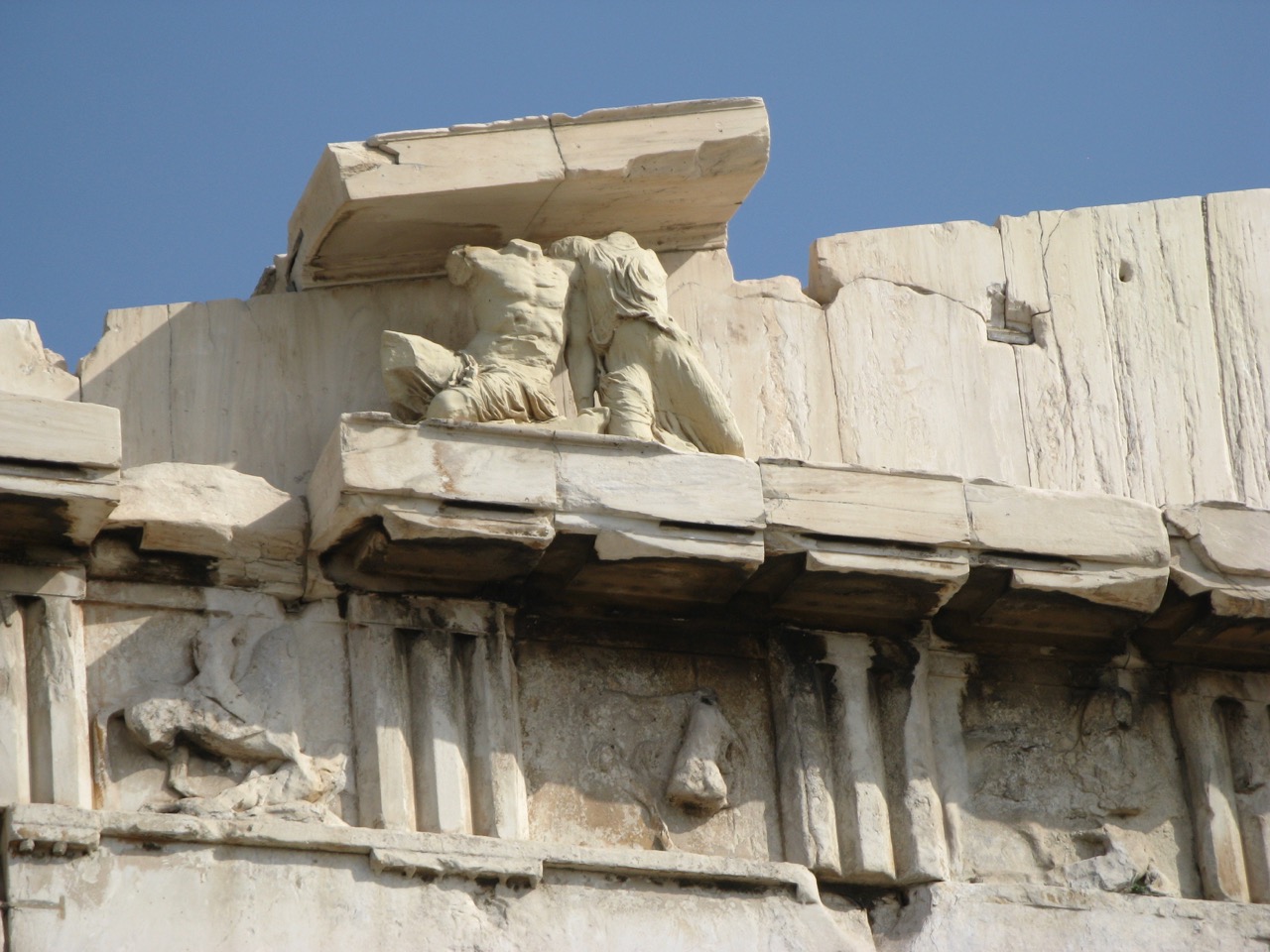
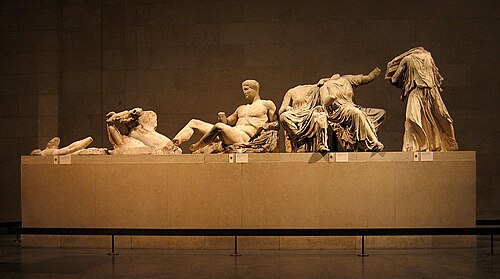
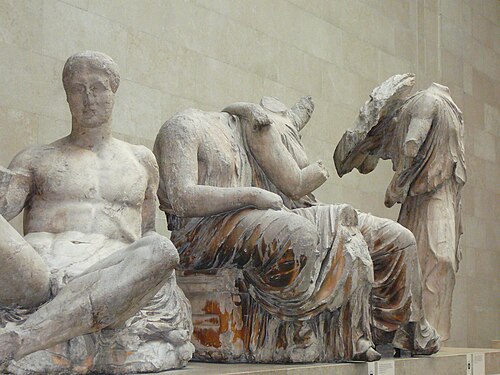
Finally, in the large triangular spaces formed by the two slopes of the temple were the pediments. These represented, on one end, the birth of Athena and, on the other, the battle between Athena and Poseidon for dominion over Athens.
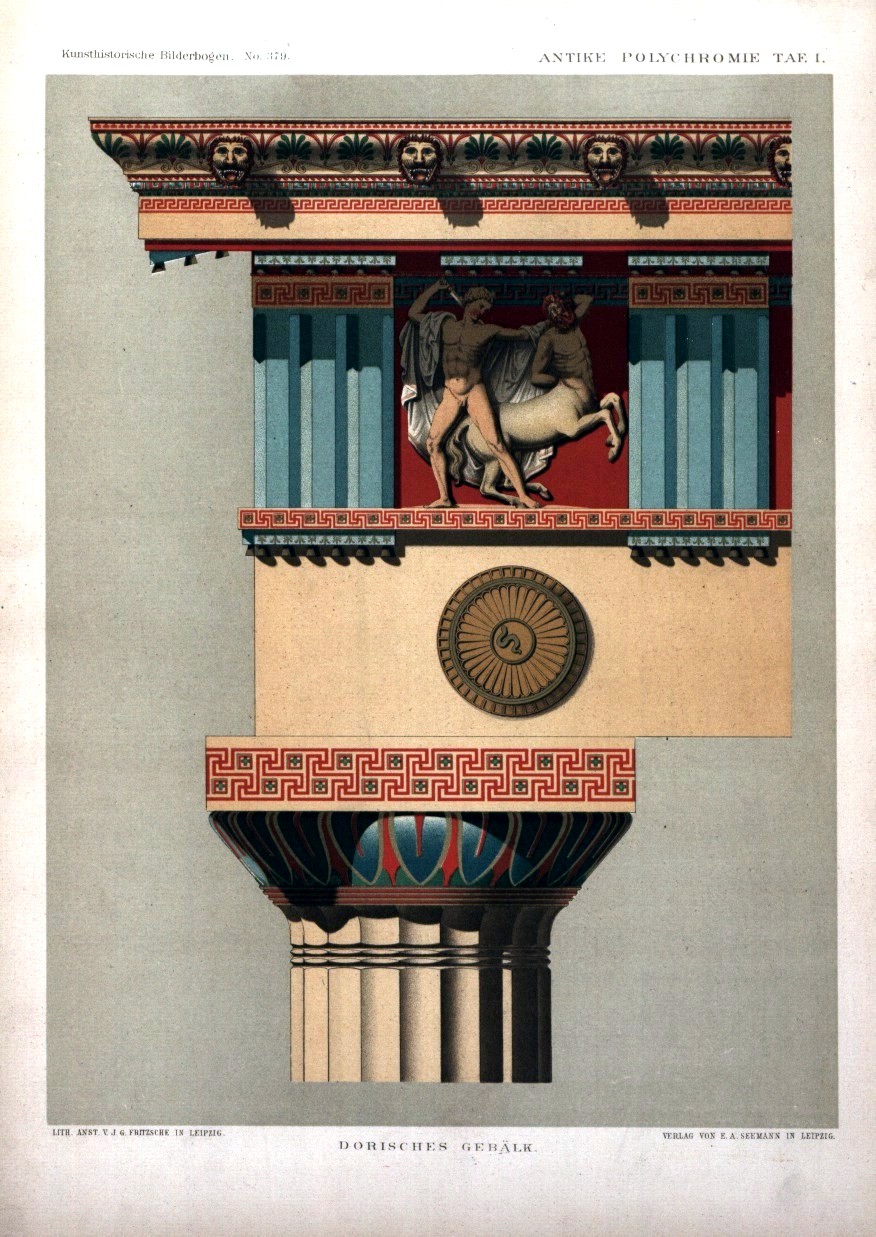
Fun fact : although the marbles look white today, they were at the time much more colorful. Indeed recent scientific analysis has found traces of Egyptian blue, purple and white - showing that the sculptures were once brightly coloured.
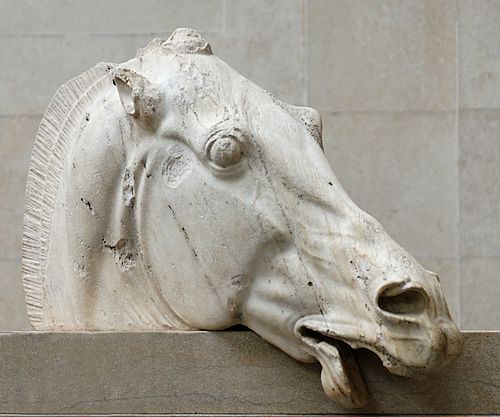
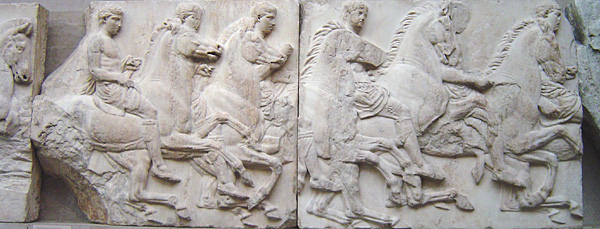
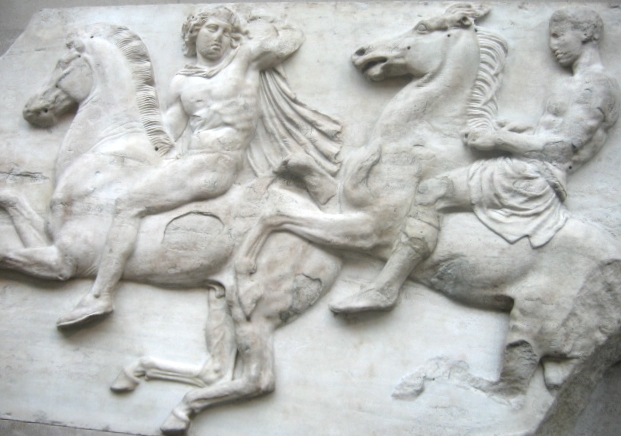
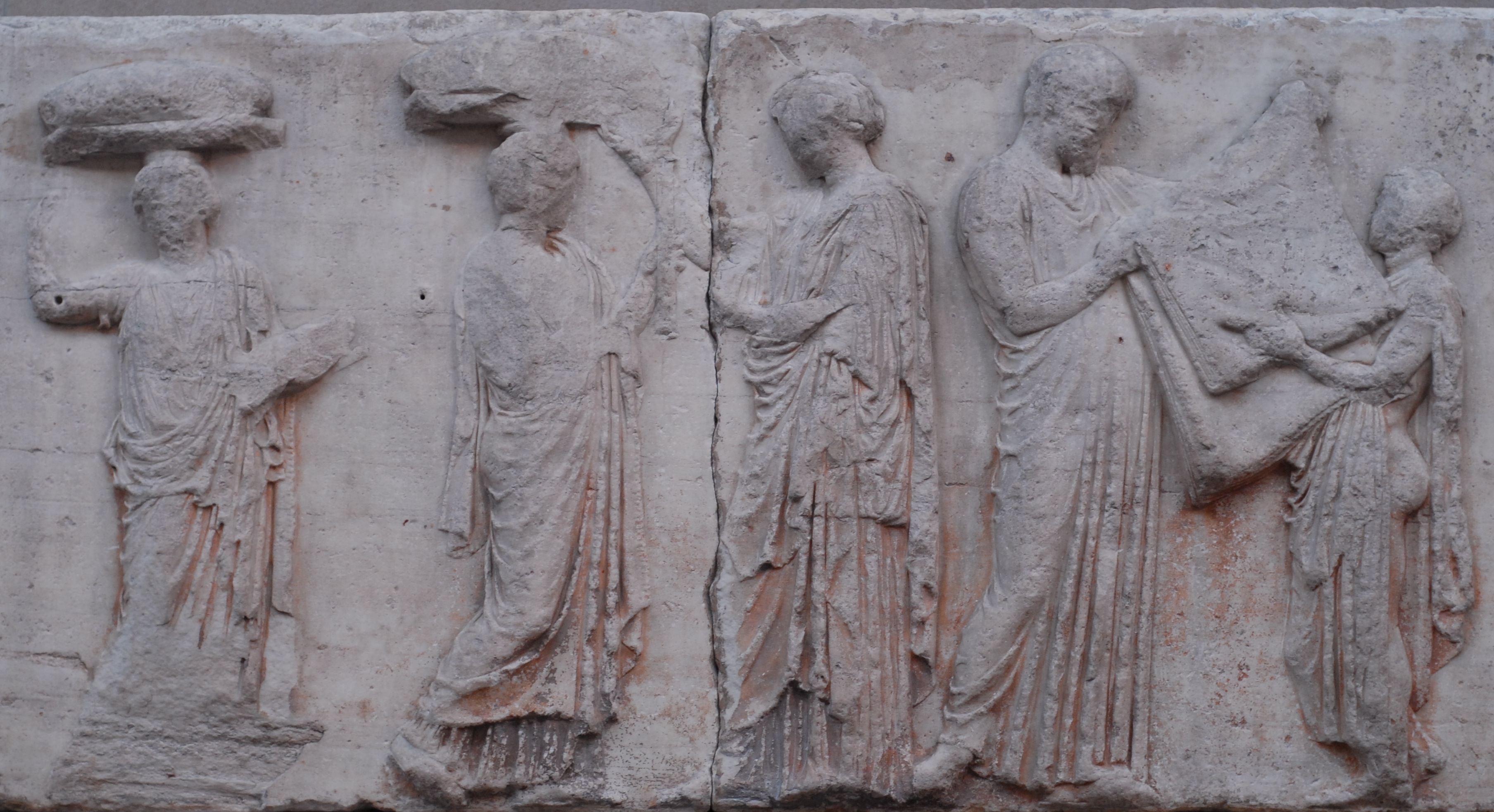
The British Museum holds 15 metopes, 17 pedimental figures and 75 metres of the original frieze. The other half of the surviving sculptures are in the Acropolis Museum in Athens. Greece has been formally requesting their reunification since 1983. It is the most contested ownership dispute in the museum world.
Comments
Loading comments...