The Sutton Hoo Helmet


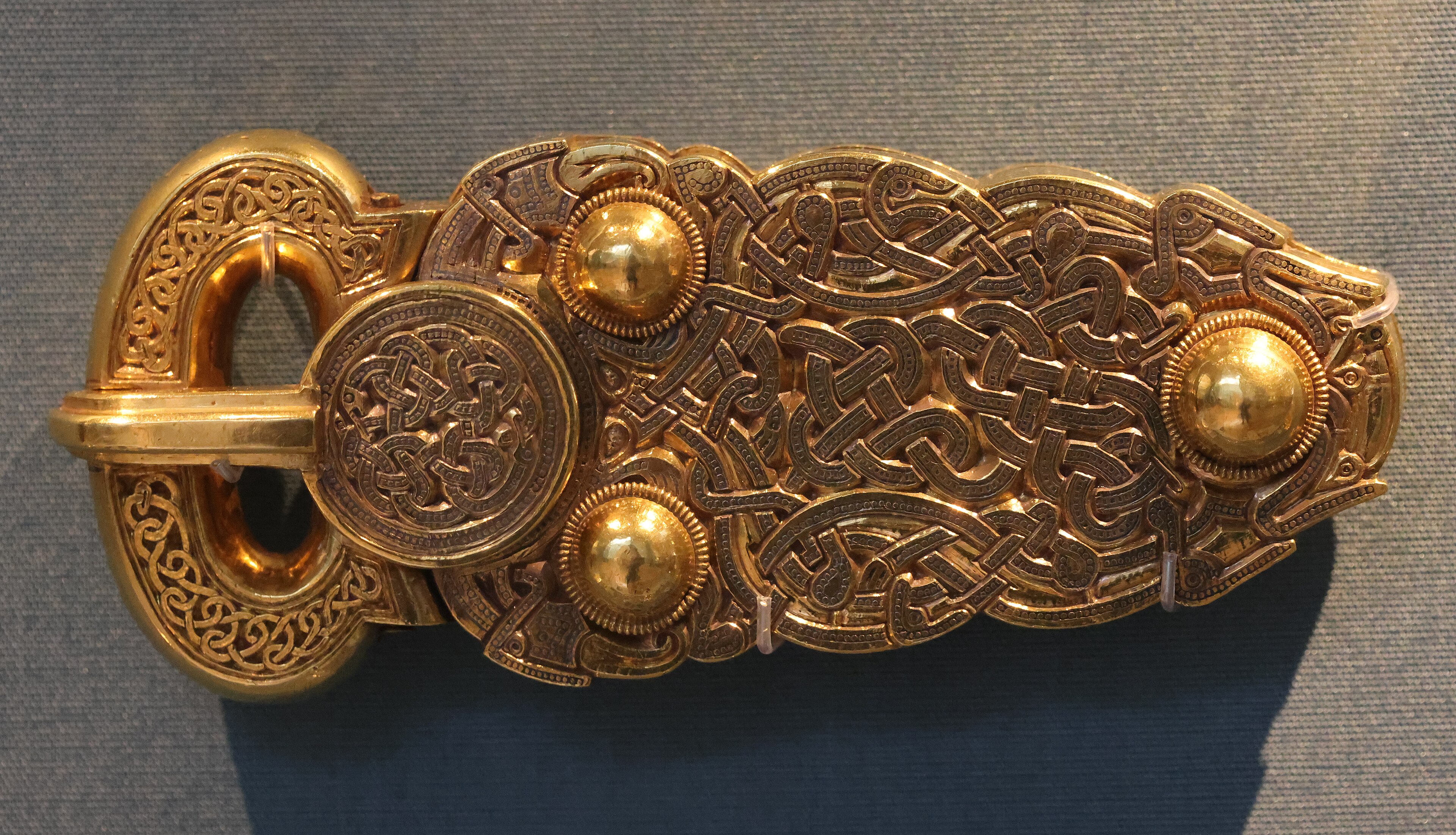
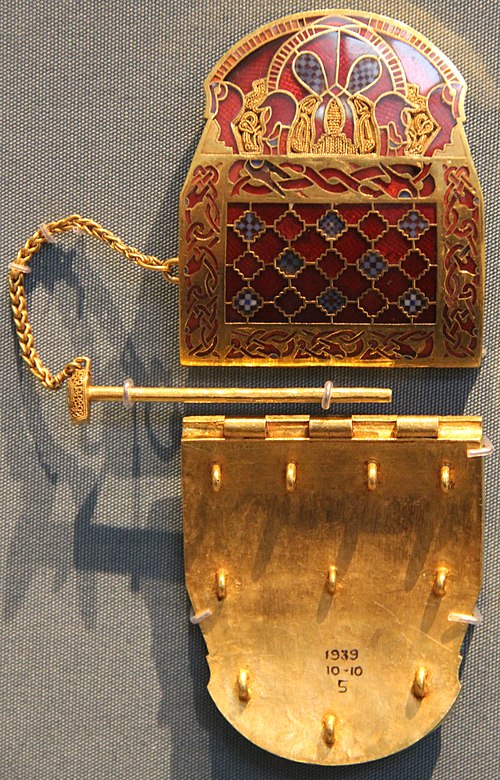
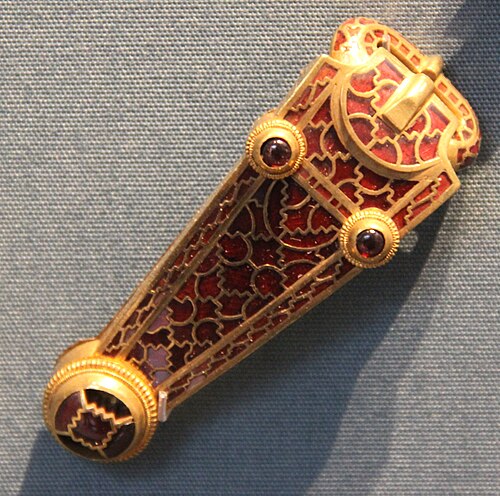
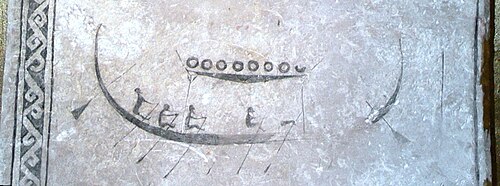
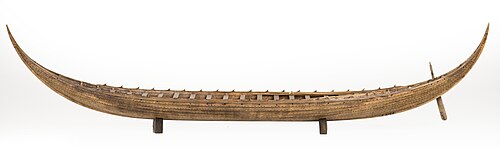
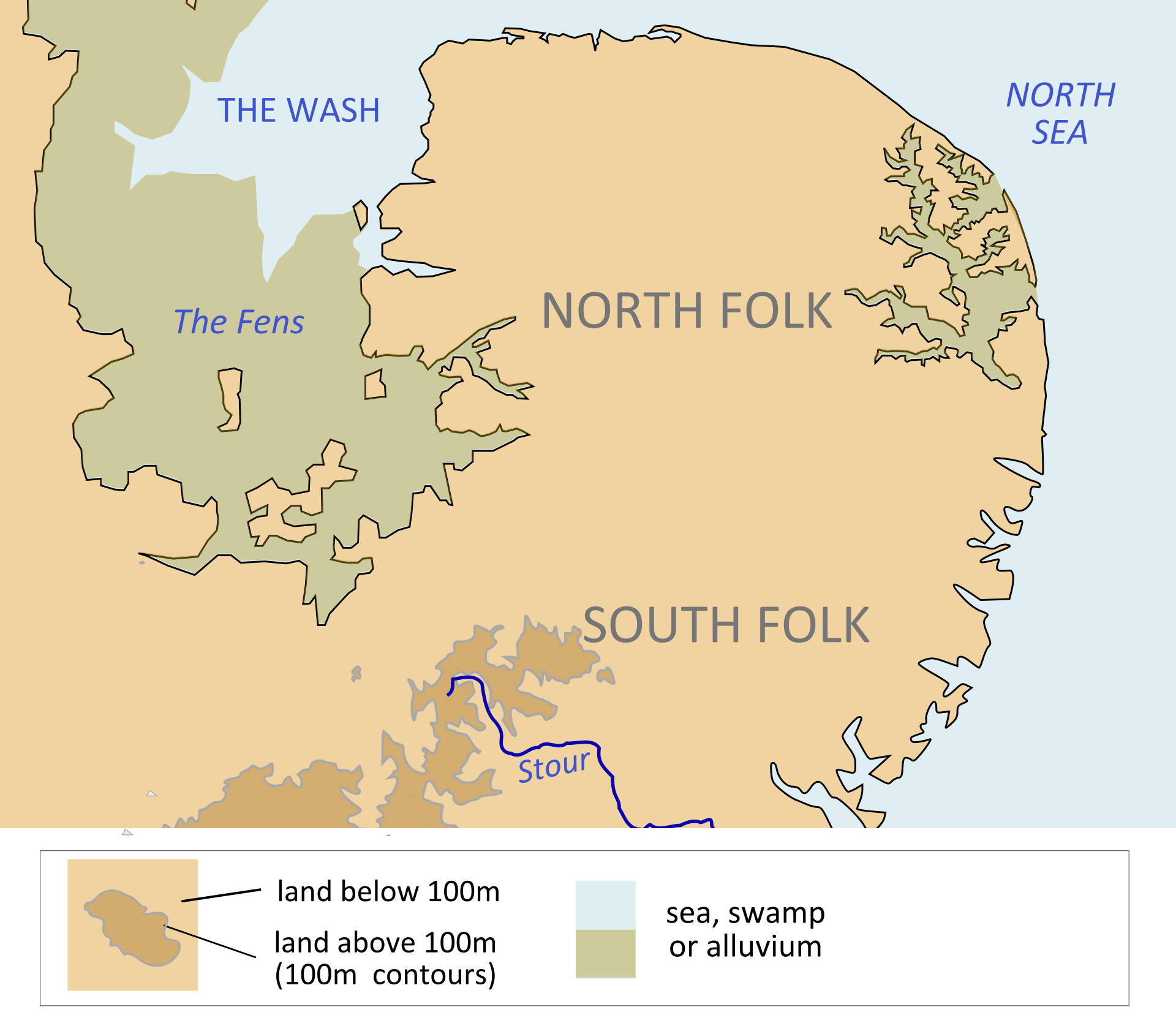
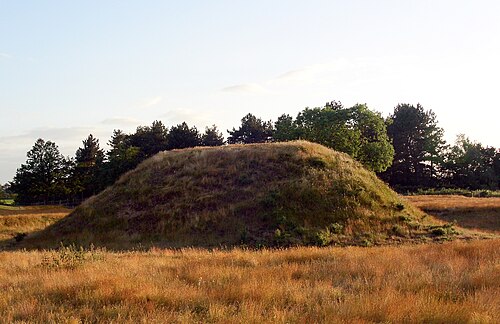
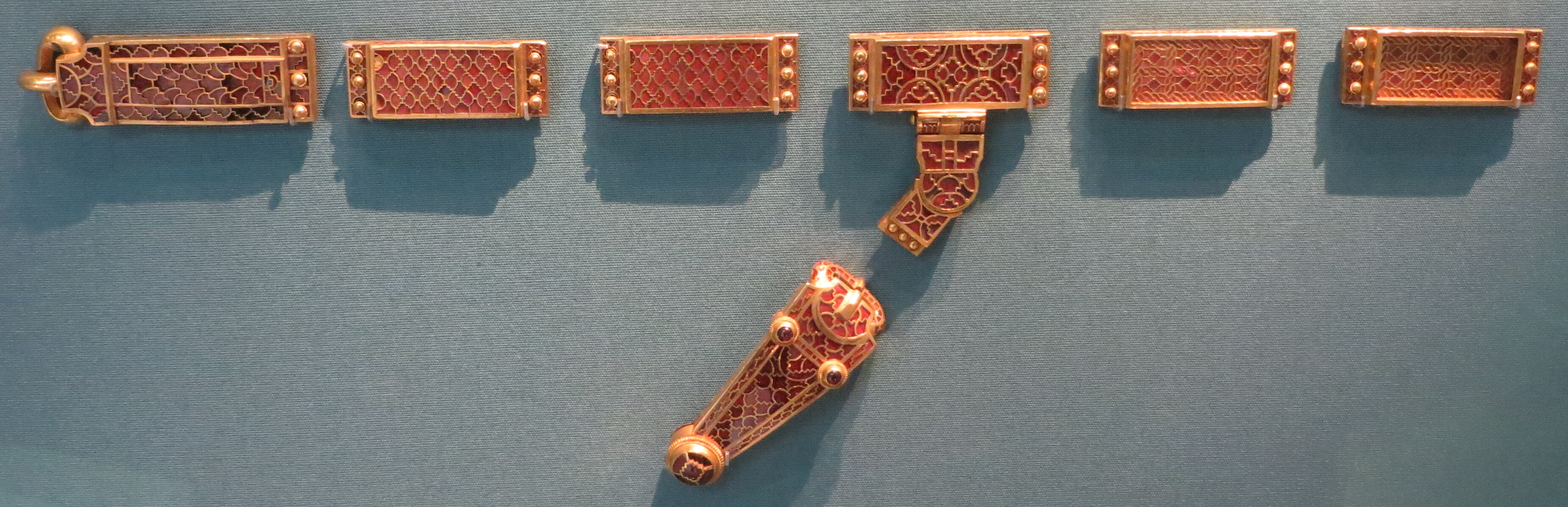
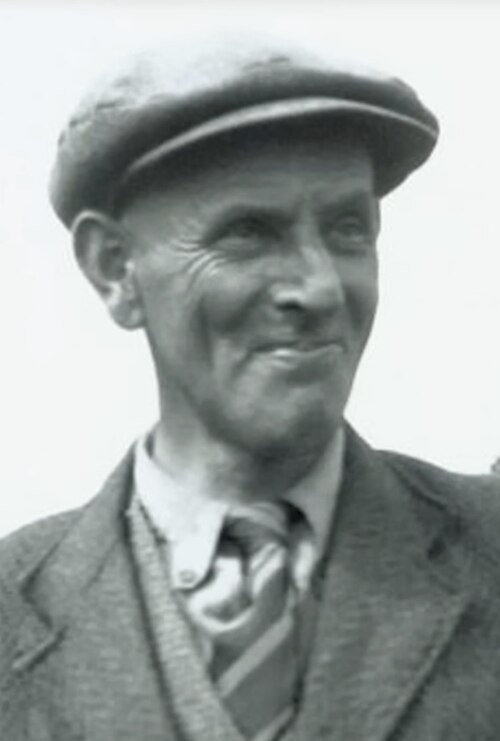
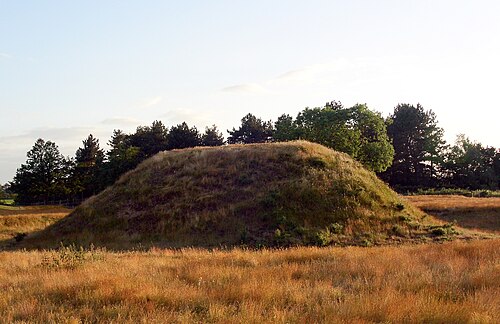
In 1939, archaeologists excavating a burial mound in Suffolk uncovered something extraordinary : the imprint of a 27-metre-long ship, buried underground, with at its center, a burial chamber packed with the richest treasure ever found in Britain. Silverware from Byzantium, gold dress accessories from Sri Lanka, an ornate iron helmet…
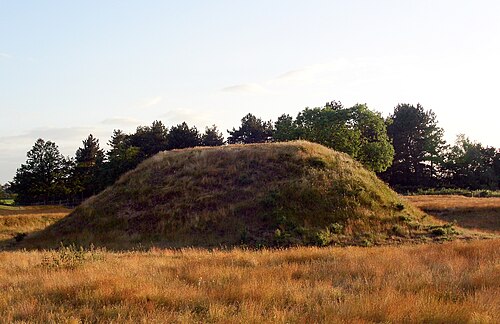
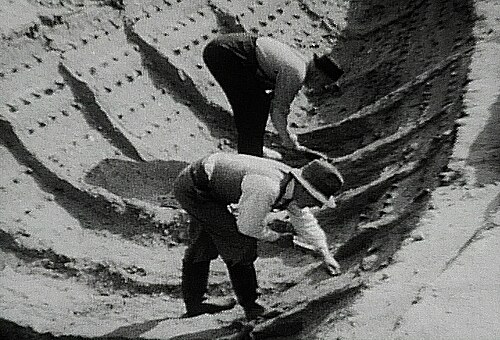
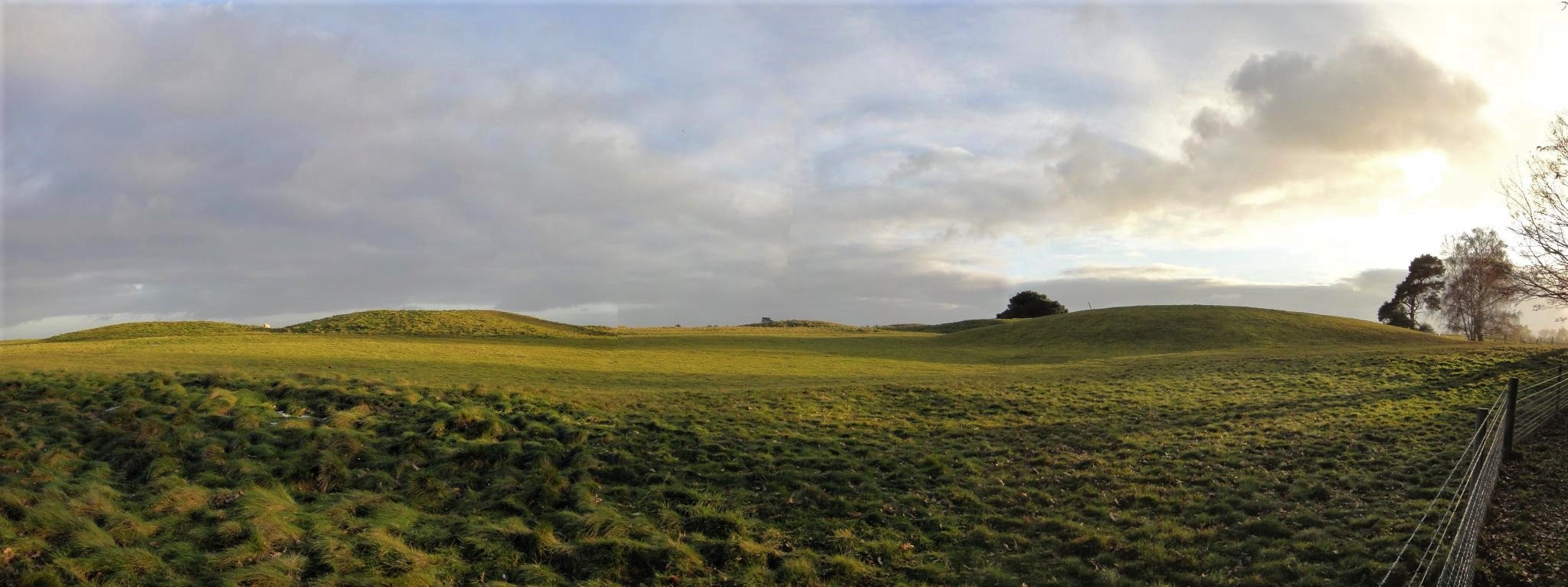
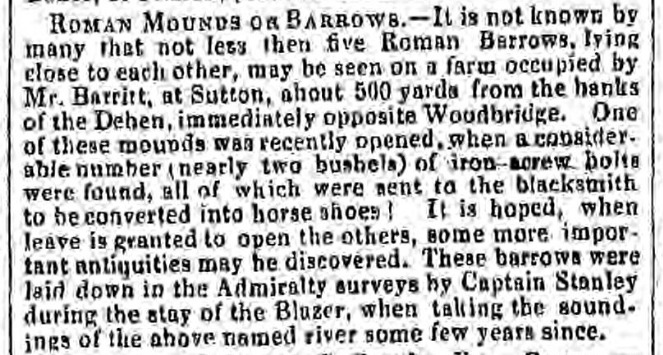
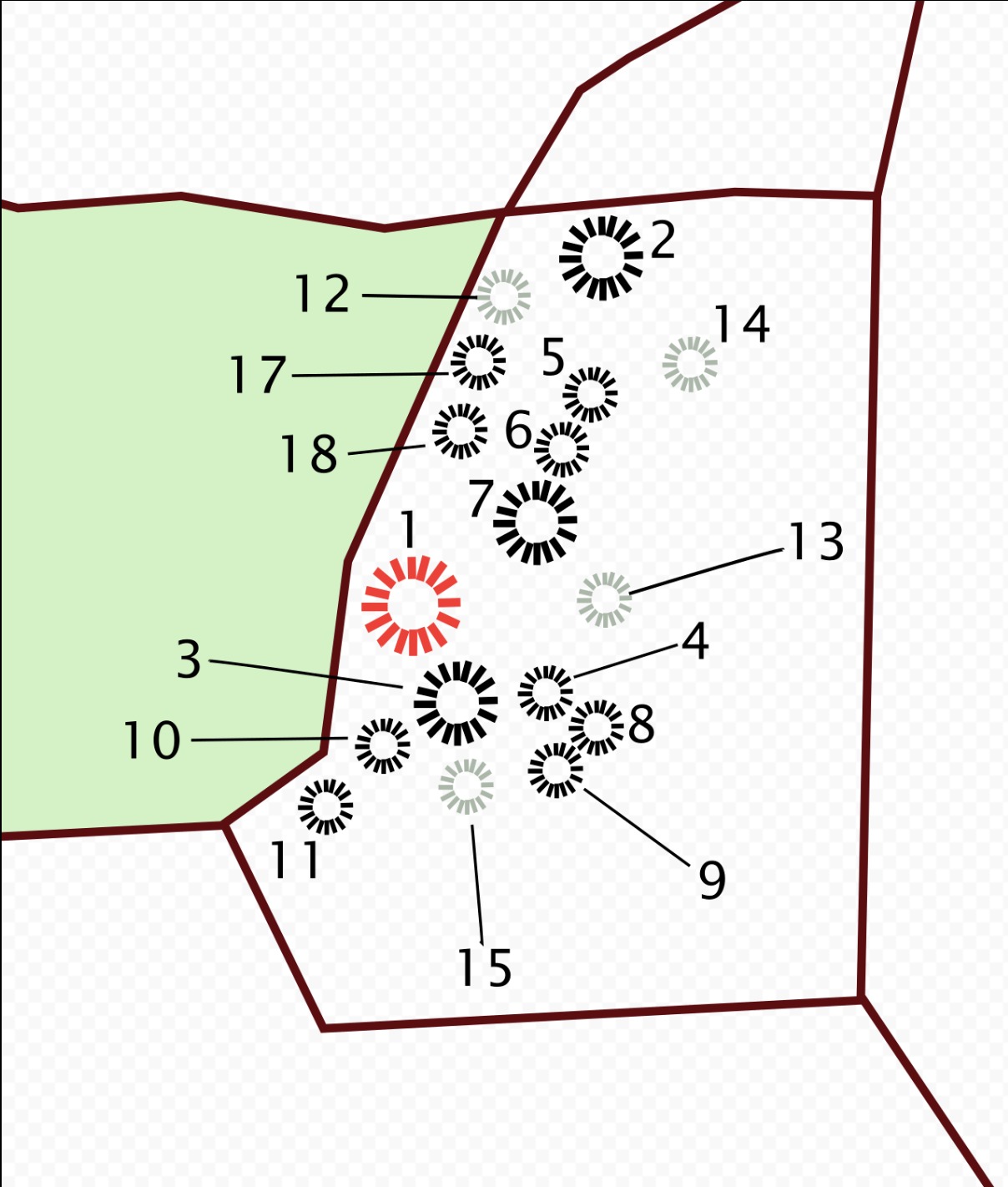
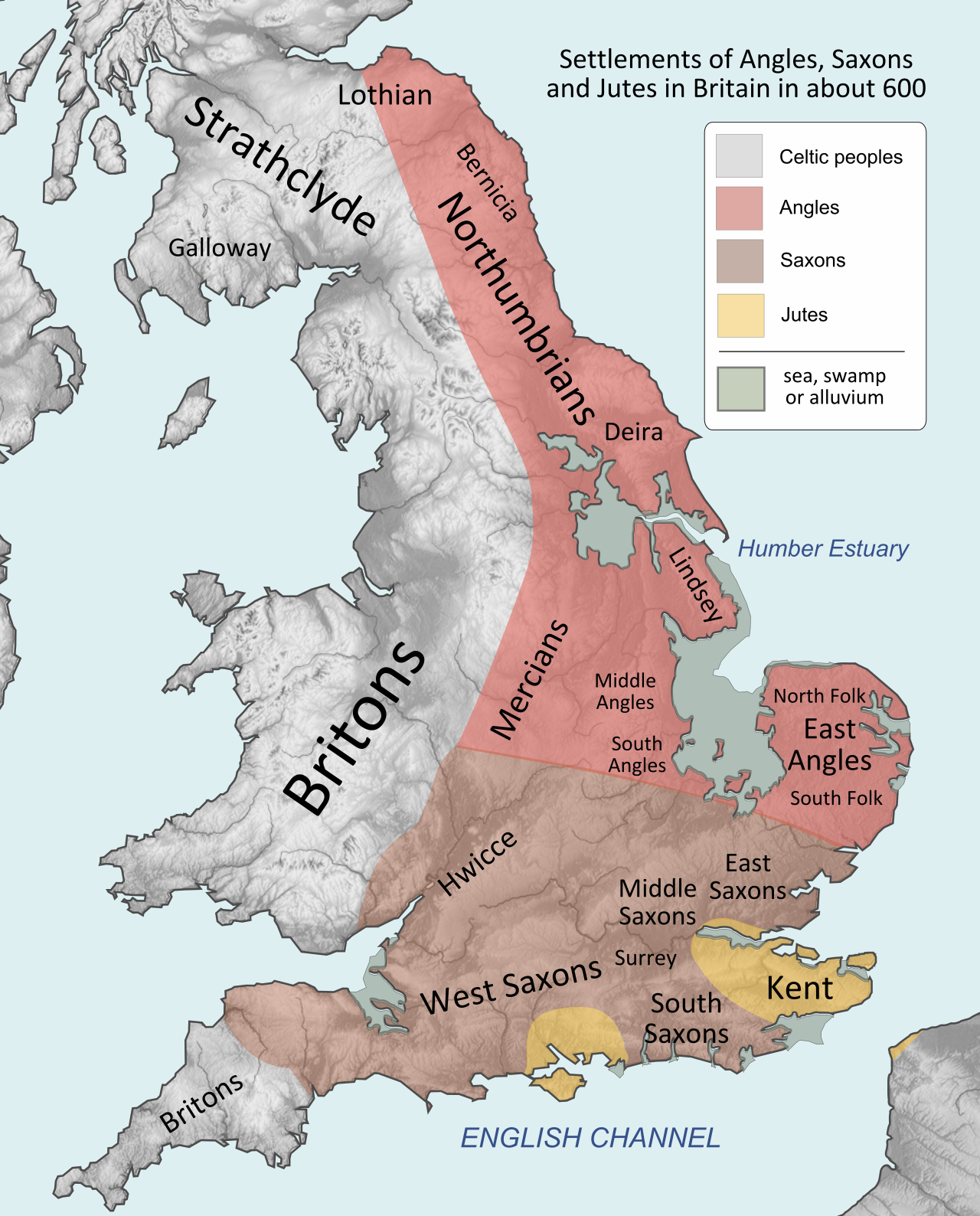
The burial dates to the early 600s AD. The most likely occupant is Raedwald, king of the East Angles, who was likely the most powerful king in England at the time. However no-one knows for sure.
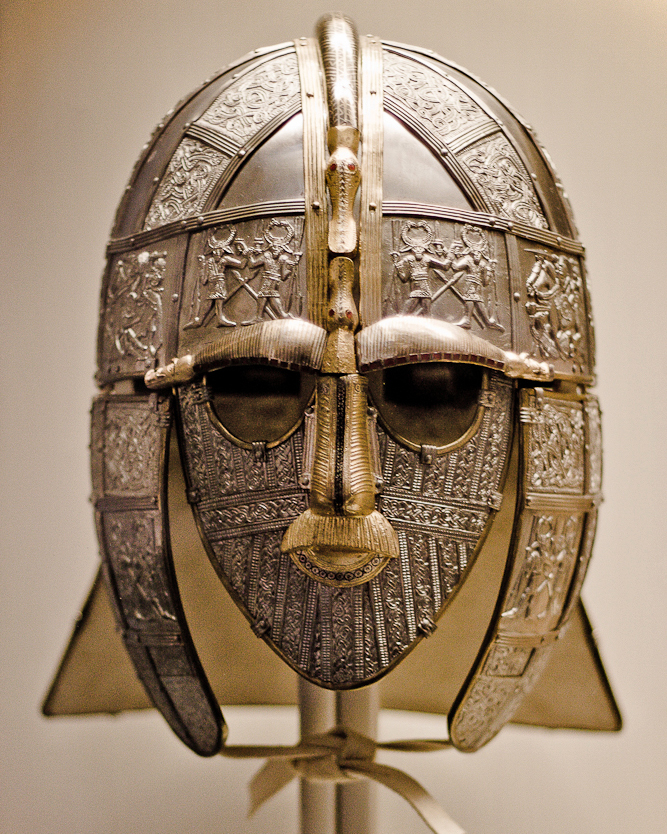
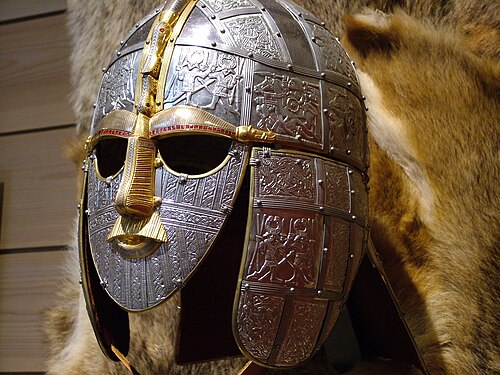
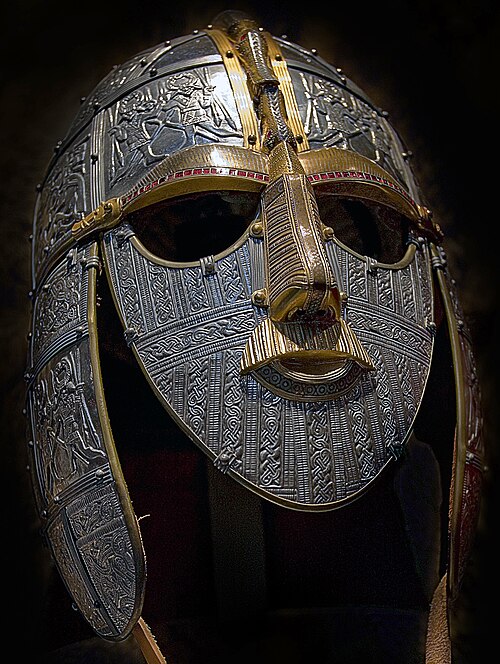
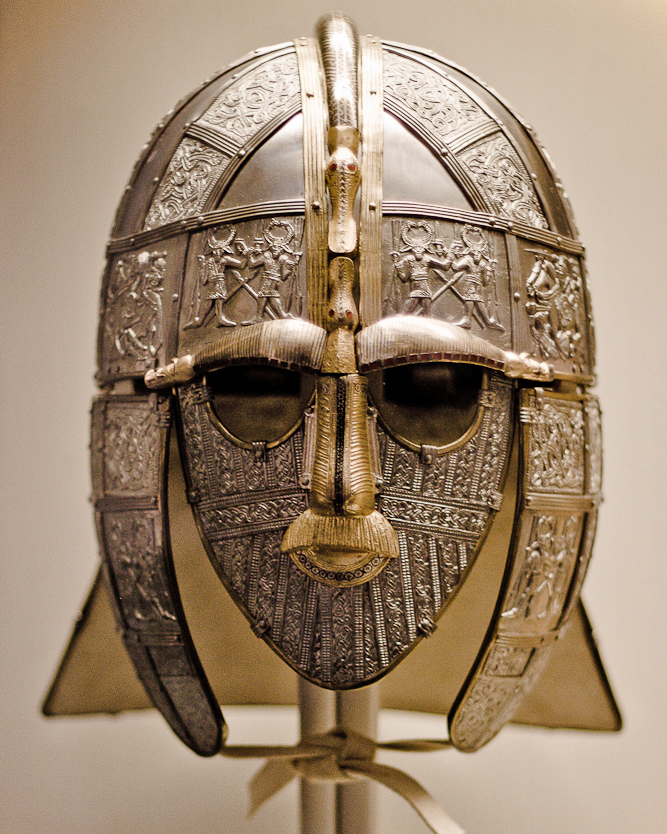
The Sutton Hoo helmet is the centrepiece of the treasure. Crushed in more than 500 fragments, it has since been painstakingly reassembled.
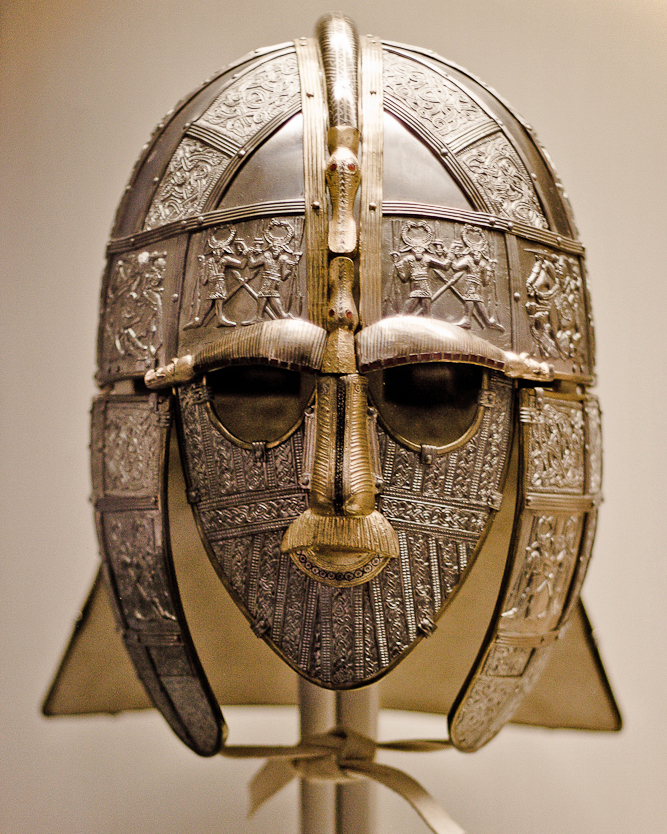
The nose, moustache and eyebrows appear to form a stern human face - but also the body and wings of a flying dragon, with the moustache as the dragon's tail and its head meeting another dragon rising from the crest of the helmet. The eyebrows are inlaid with gemstones. In firelight the whole mask would have glittered - making the king look like something supernatural.
While the Anglo-Saxon period was previously called the Dark Ages - by contrast with the High Middle Ages and Renaissance which would appear later, this term is now largely rejected by historians. Indeed the Sutton Hoo treasure is proof of the wealth and sophistication of the kingdom, at the center of a global network.
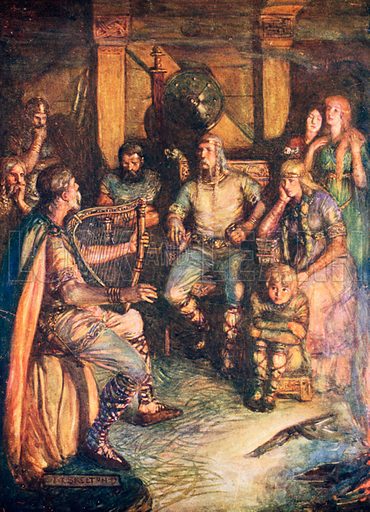
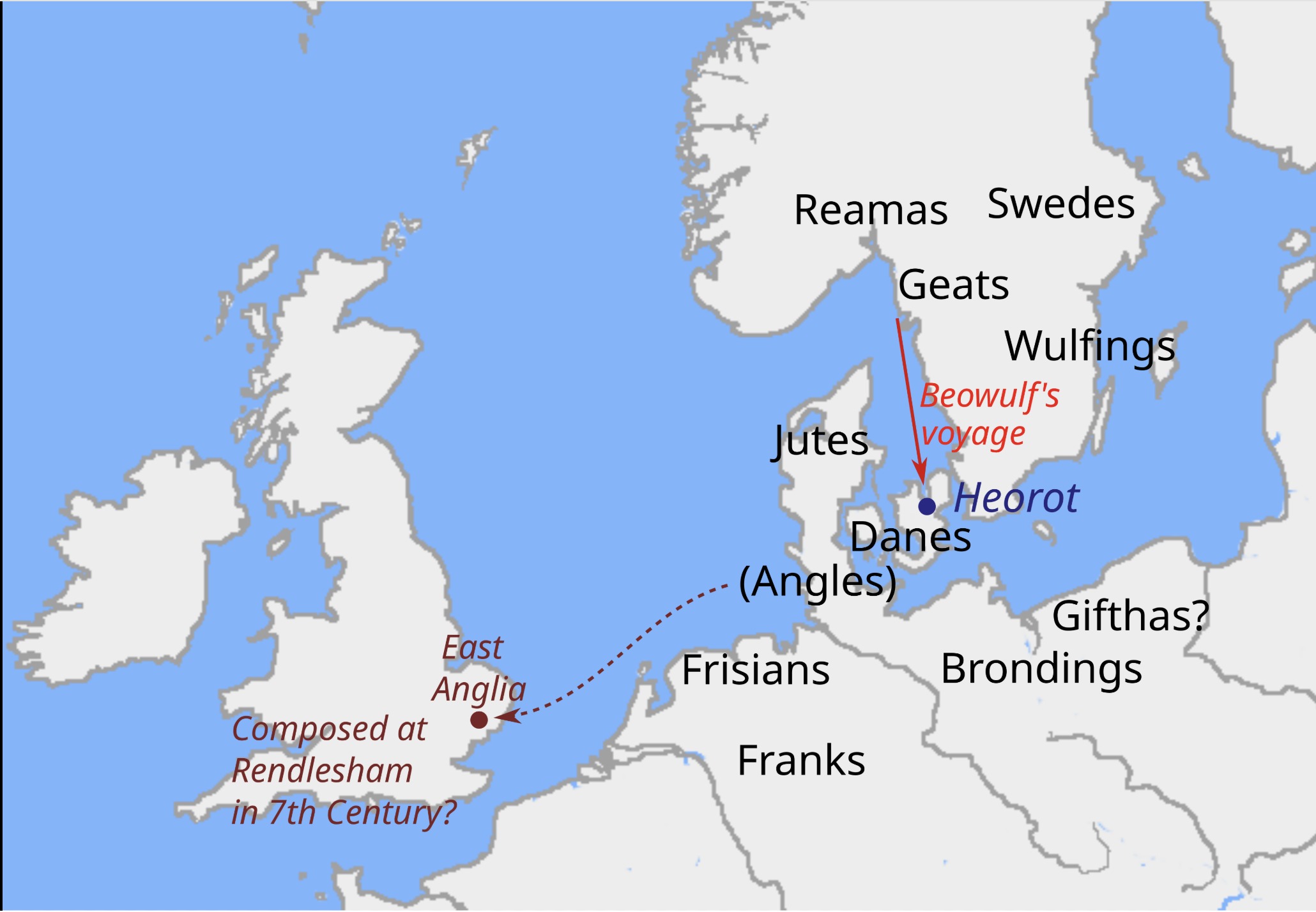
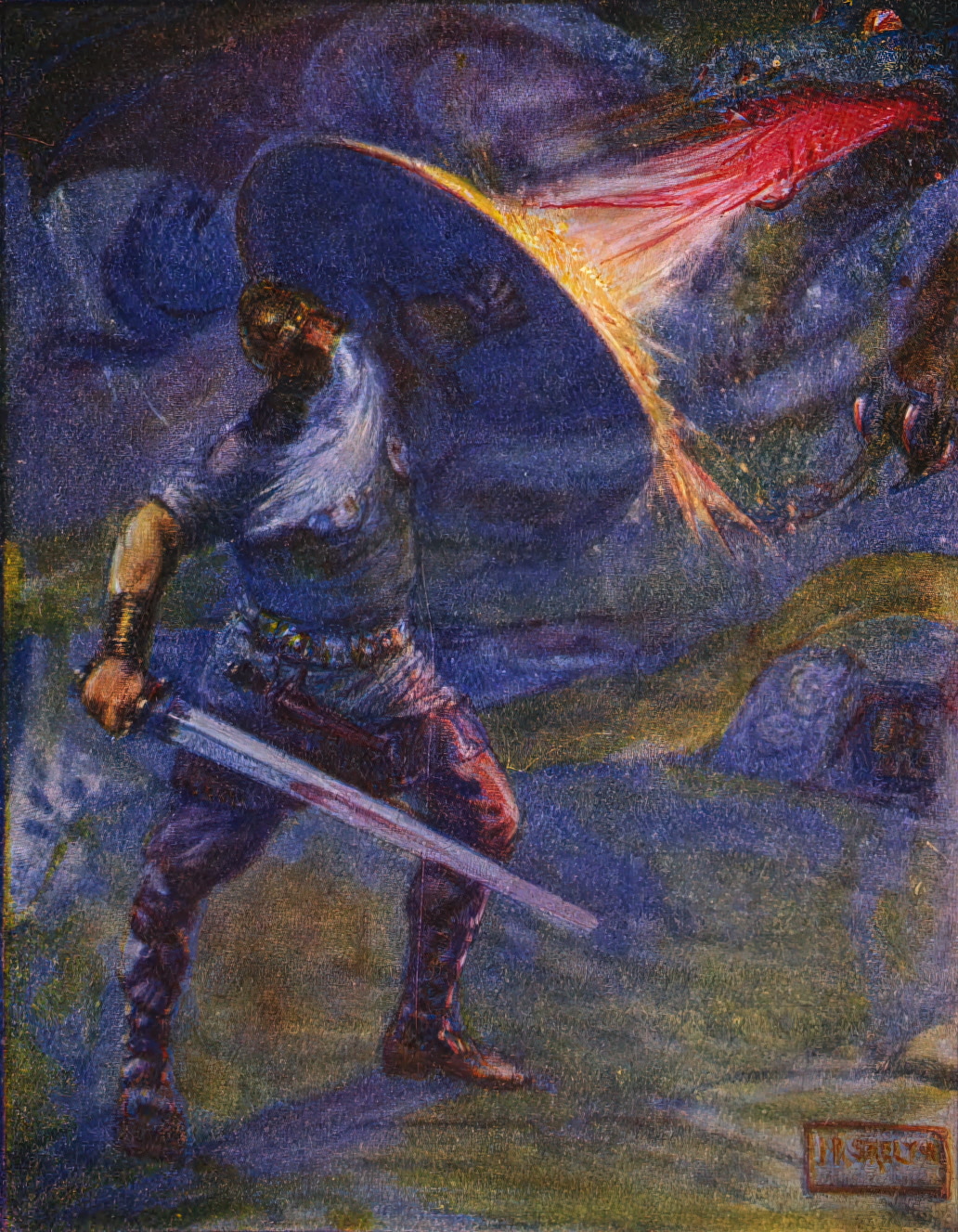
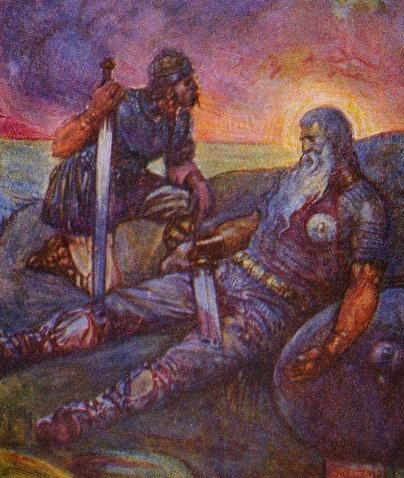
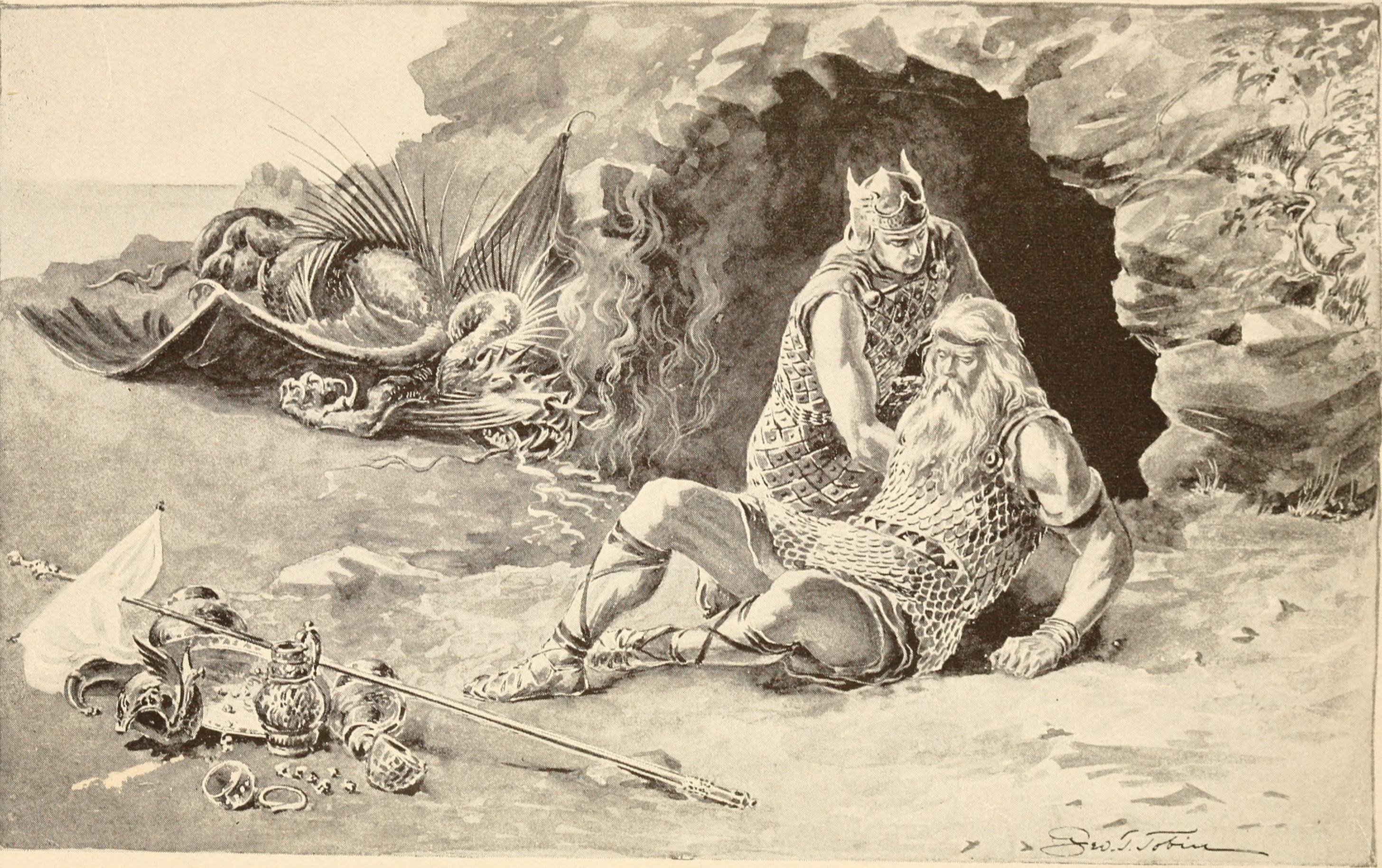
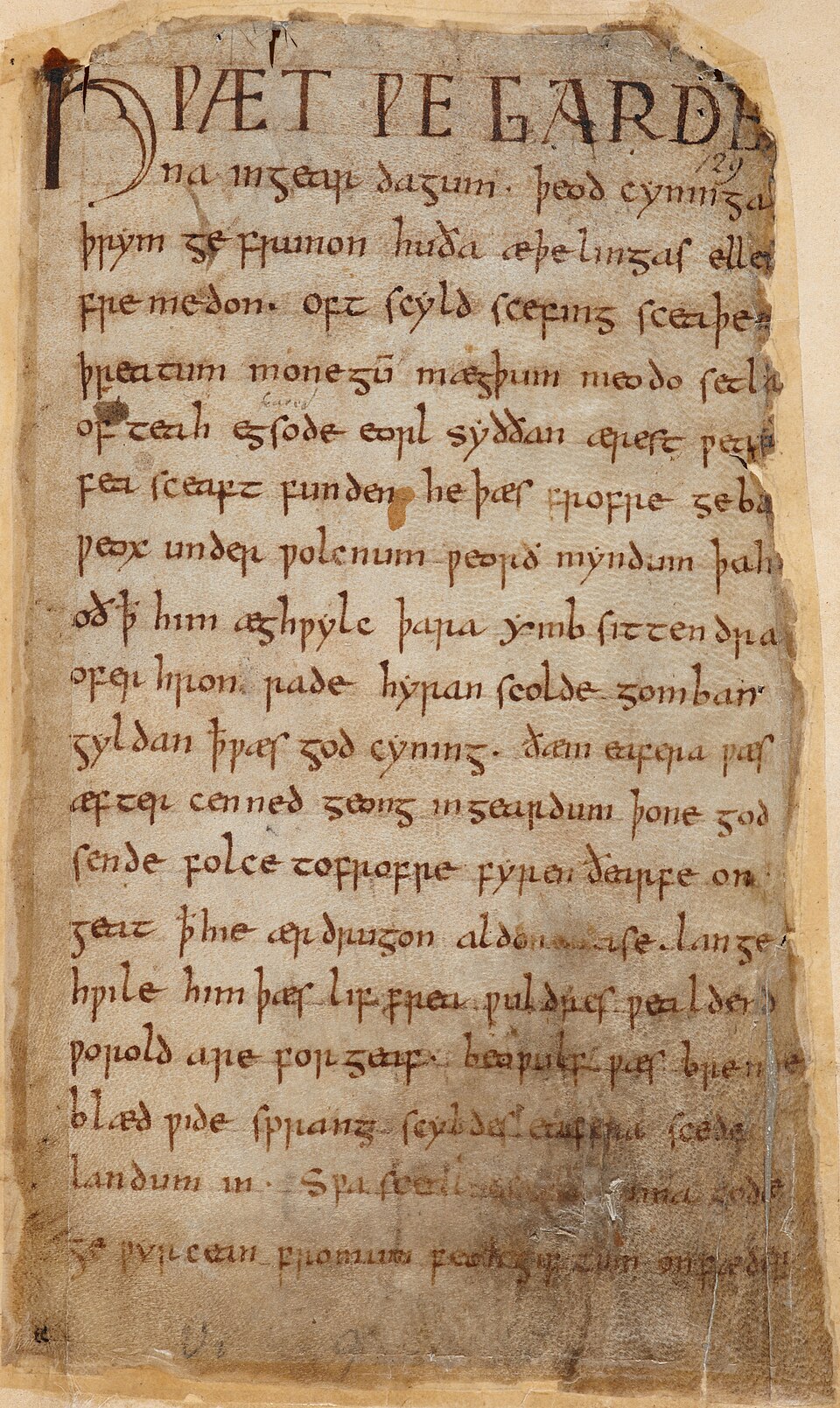
Fun fact : the Anglo-Saxon poem Beowulf, the oldest surviving long poem in the English language, was composed in roughly the same era as the Sutton Hoo burial. It is an epic about a warrior hero in a Scandinavian setting, full of kings, ship burials, dragon hoards and battle glory - exactly the world Sutton Hoo belonged to.
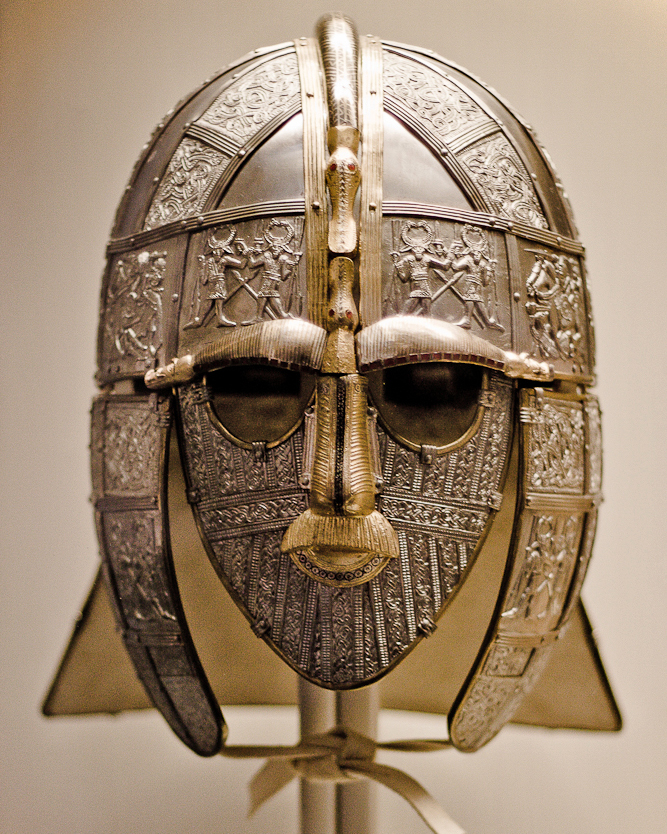
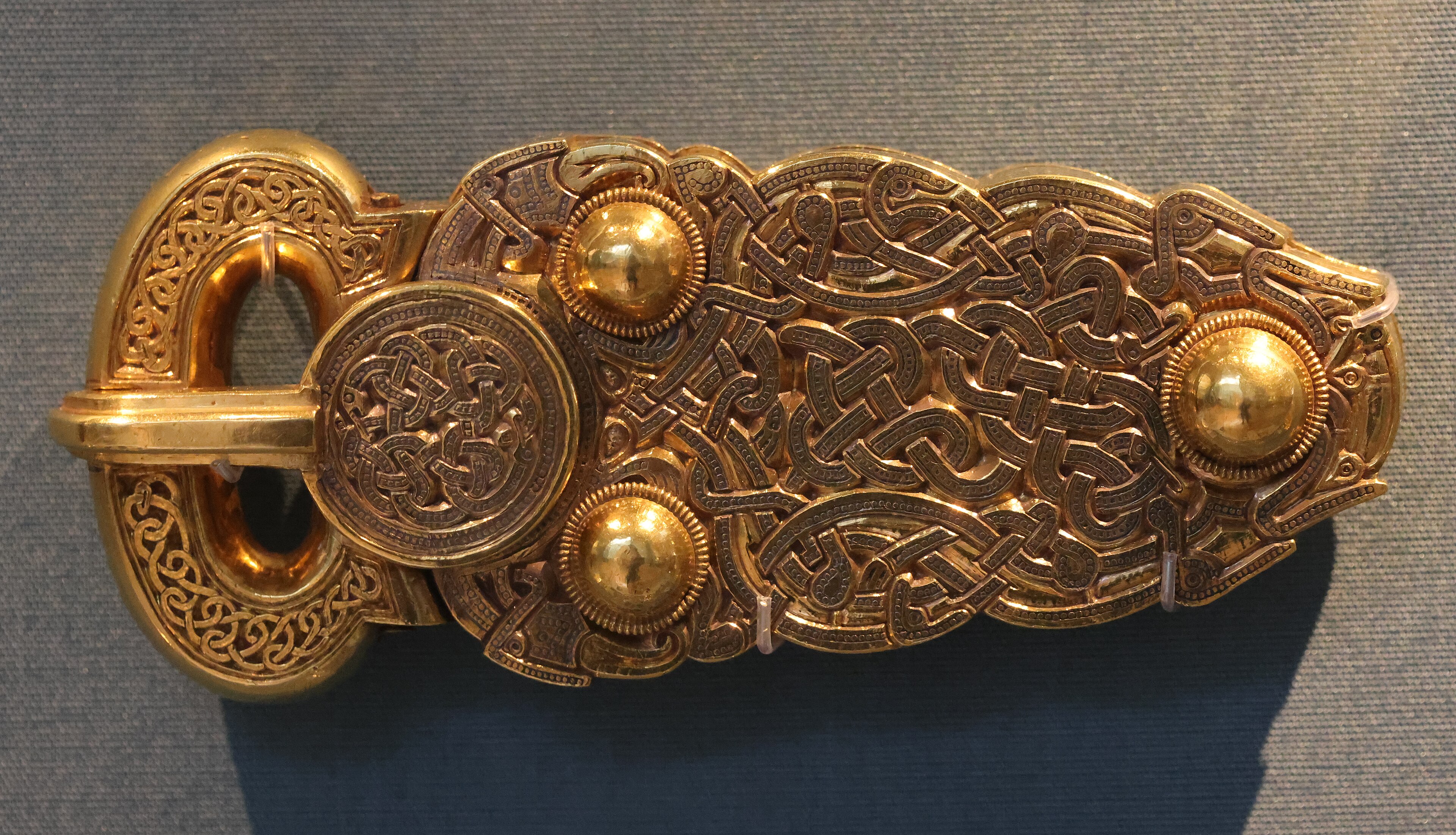
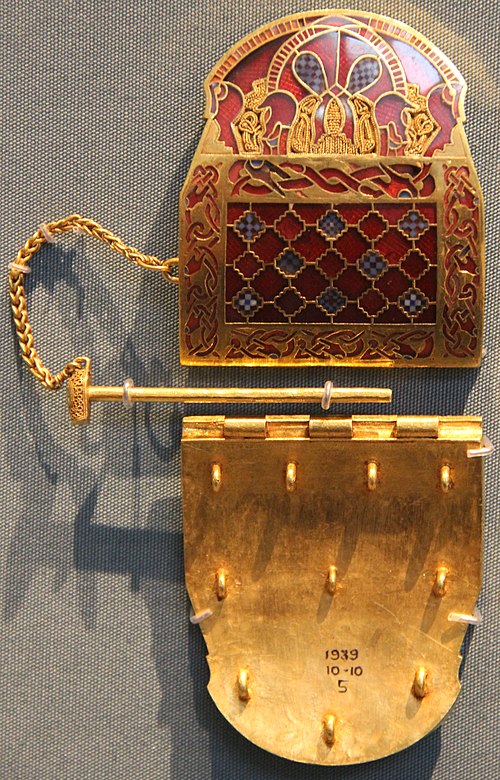
At several points in the poem, helmets are described in vivid detail - decorated with boar figures, given as precious gifts between lords and warriors. For a long time these descriptions were assumed to be poetic inventions or vague mythology. However the Sutton Hoo helmet was then excavated - and scholars realised the poet hadn't been making it up. The descriptions match almost exactly: the animal decoration, the crested ridge, the symbolic imagery of power and protection. The poet was describing real objects from a real warrior culture - possibly objects they had actually seen, or heard described in careful detail.
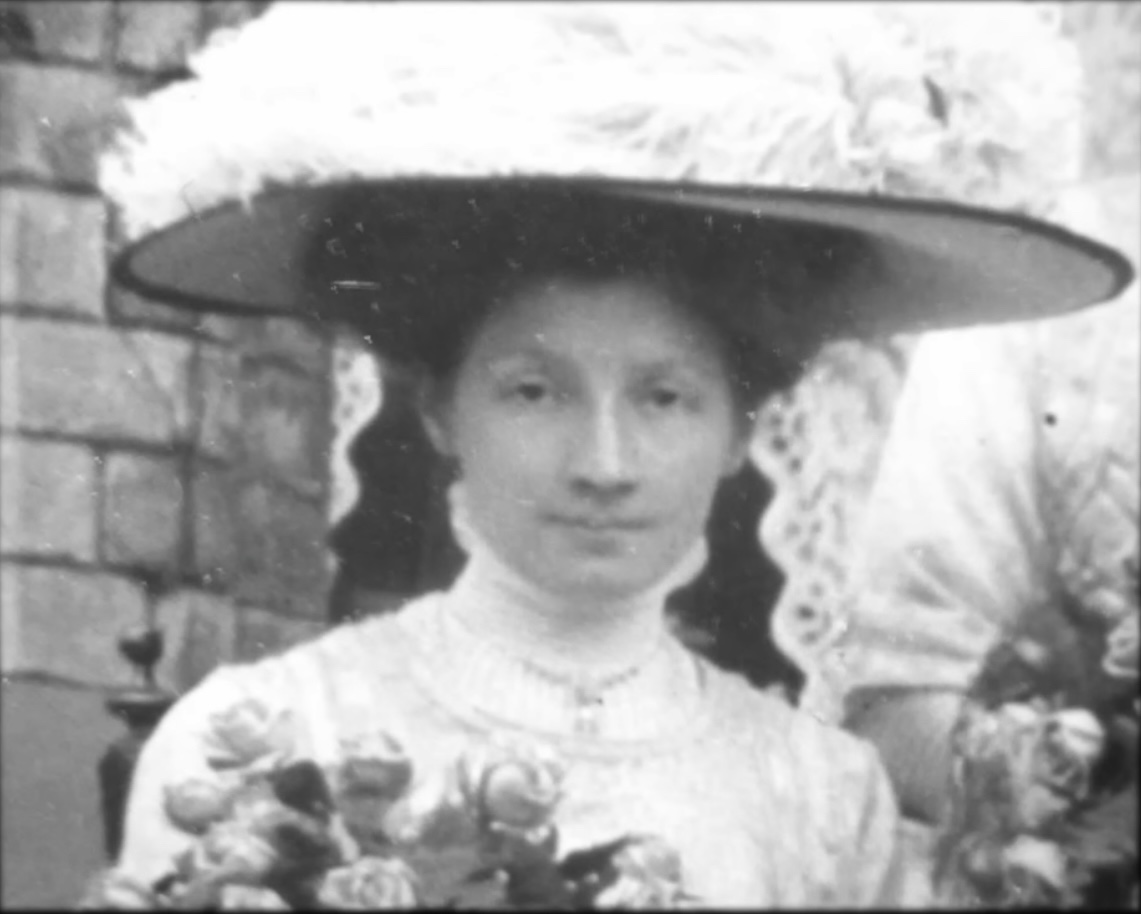
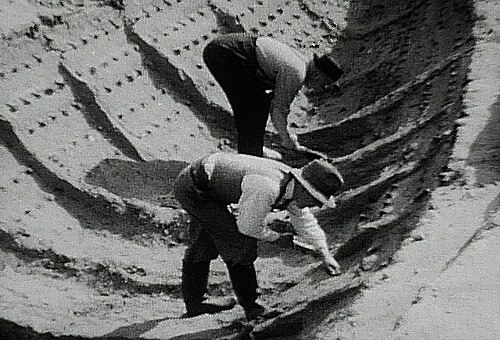
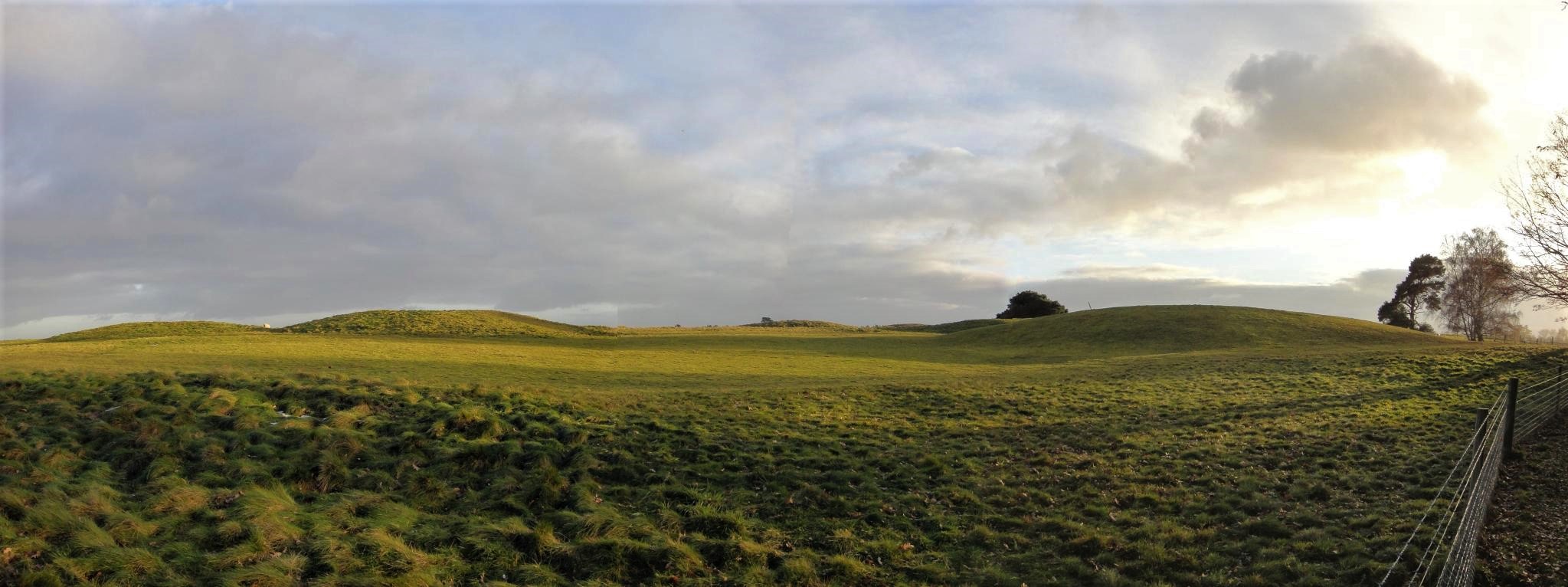
Other fun fact : the landowner, Edith Pretty, legal owner of the treasure, donated the entire hoard to the British Museum without payment - one of the most remarkable acts of private generosity in the history of British archaeology.
🕐 On your way to the next stop
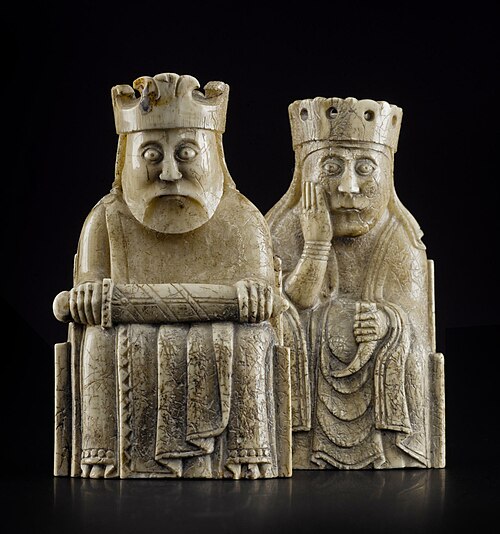
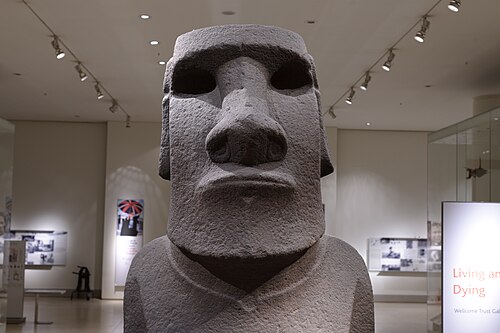
The next stop is in another side of the building and necessitates a substantial walk. We wanted to include it to illustrate the breadth of the collection. However it may be better to read about the artwork and see it on another visit - depending on time available!
Comments
Loading comments...