Medieval Knights


These objects together tell the story of what it meant to be a medieval knight in 13th-century England - the warrior on the battlefield, the baron in the council chamber, and the chivalrous lover.
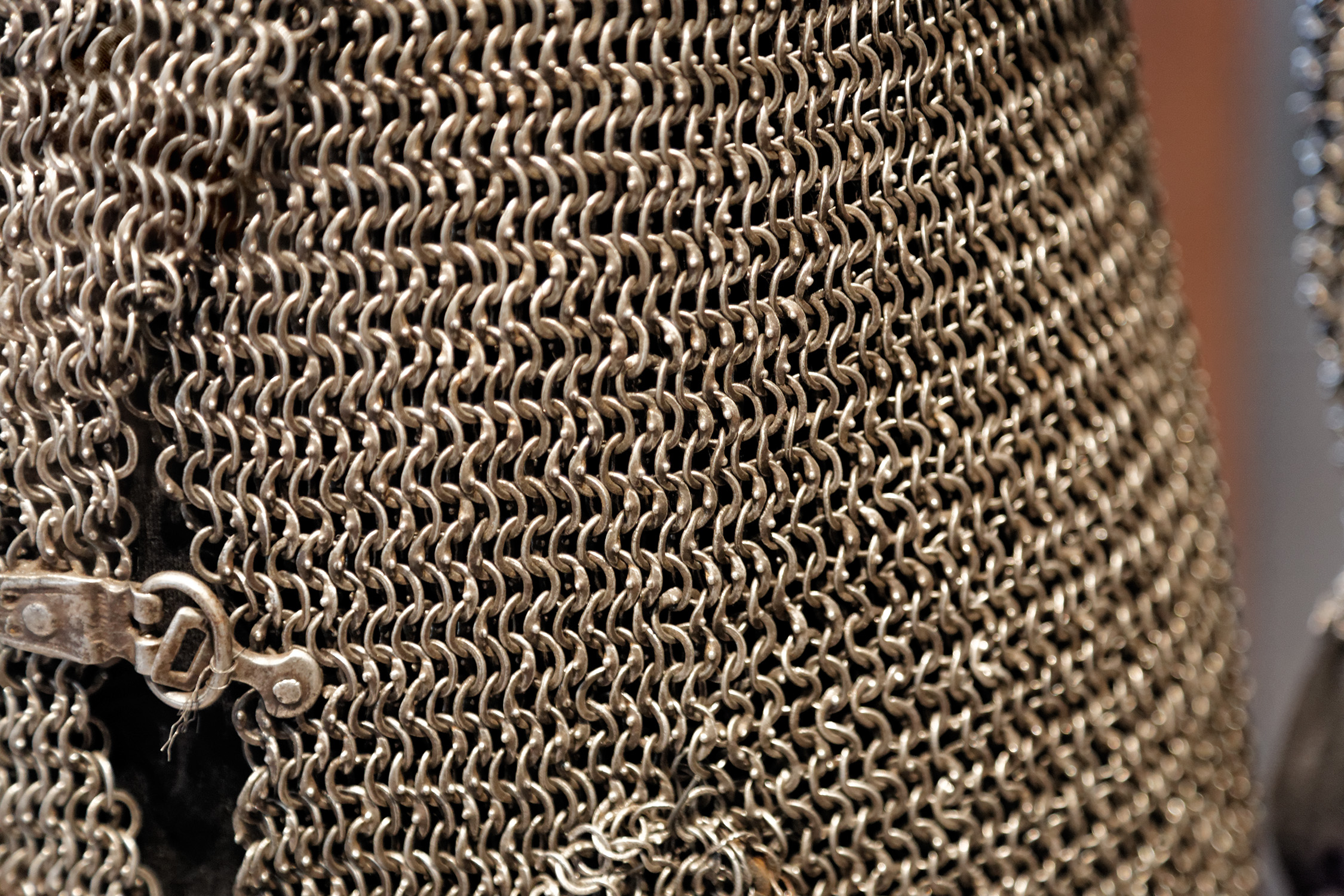
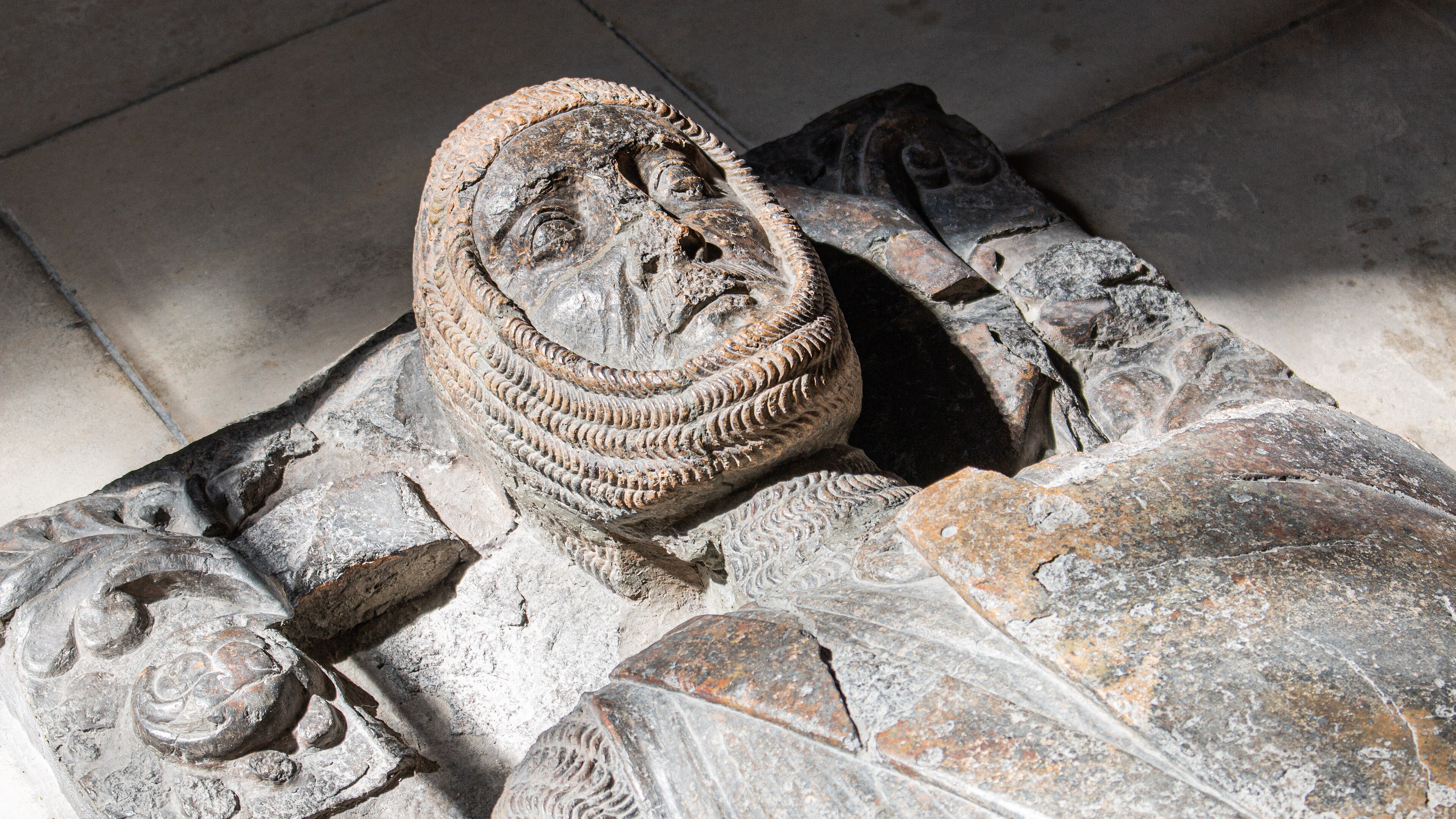
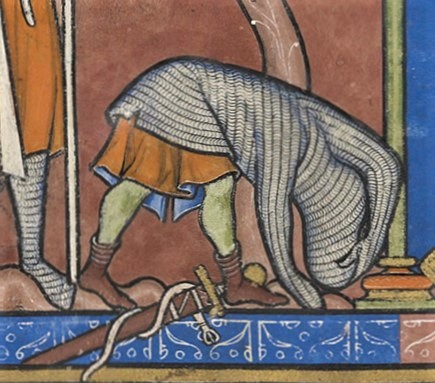
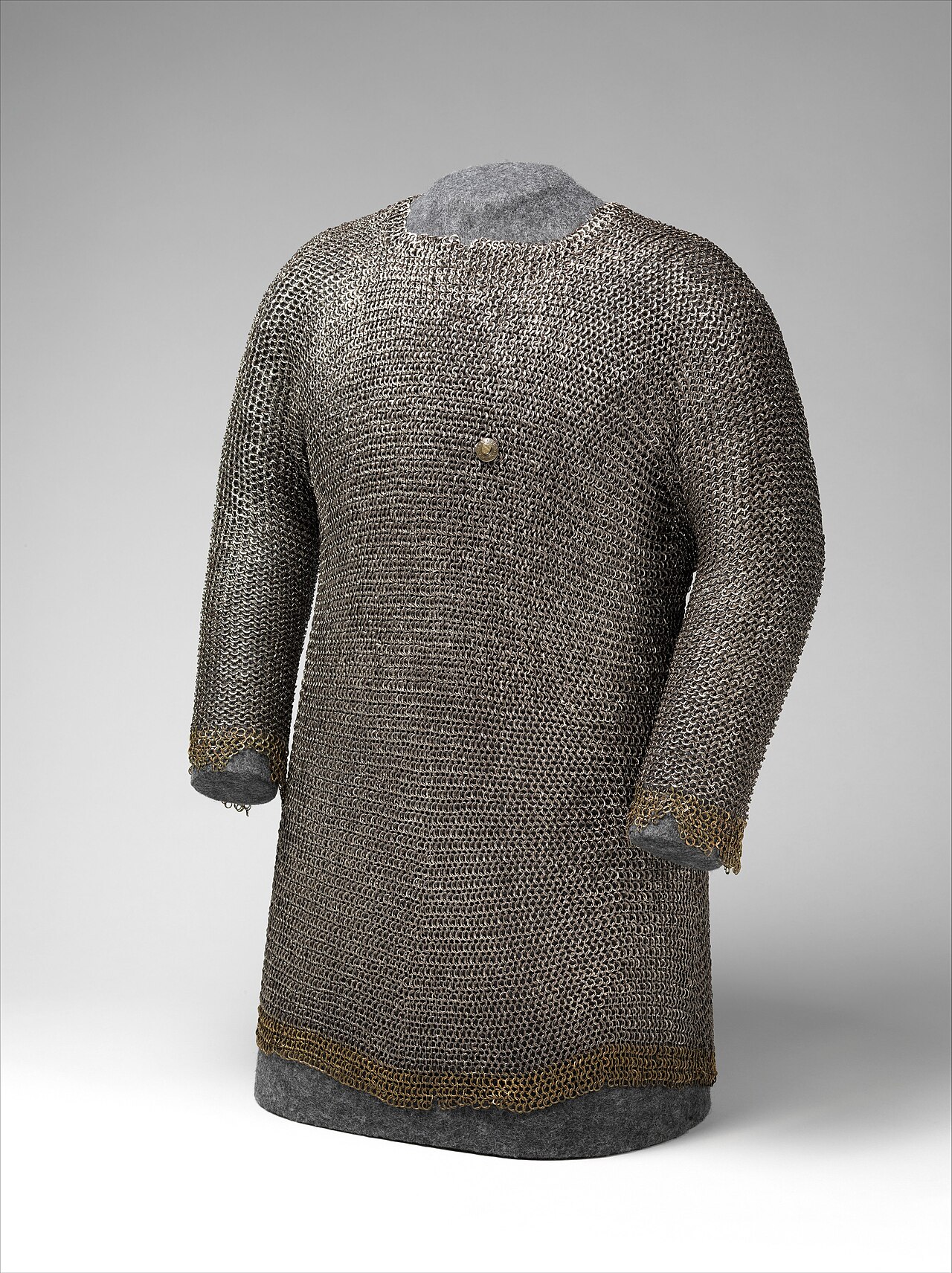
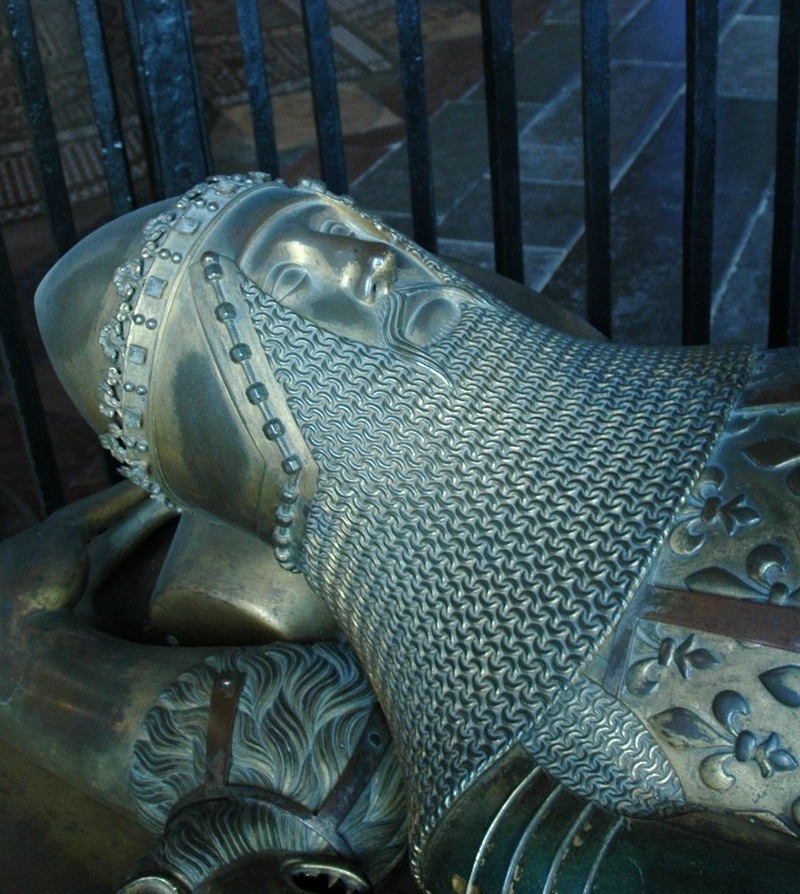
The hauberk was the defining piece of armour of the High Middle Ages - a long shirt of mail made from thousands of interlocked metal rings, which covered the arms and extended to the knees. It offered excellent defence against slashes and thrusts and would have been worn over a padded jacket (a gambeson) to absorb the shock of blows. It would have weighed upwards of 15 kilograms - a luxury only the wealthiest warriors could afford.
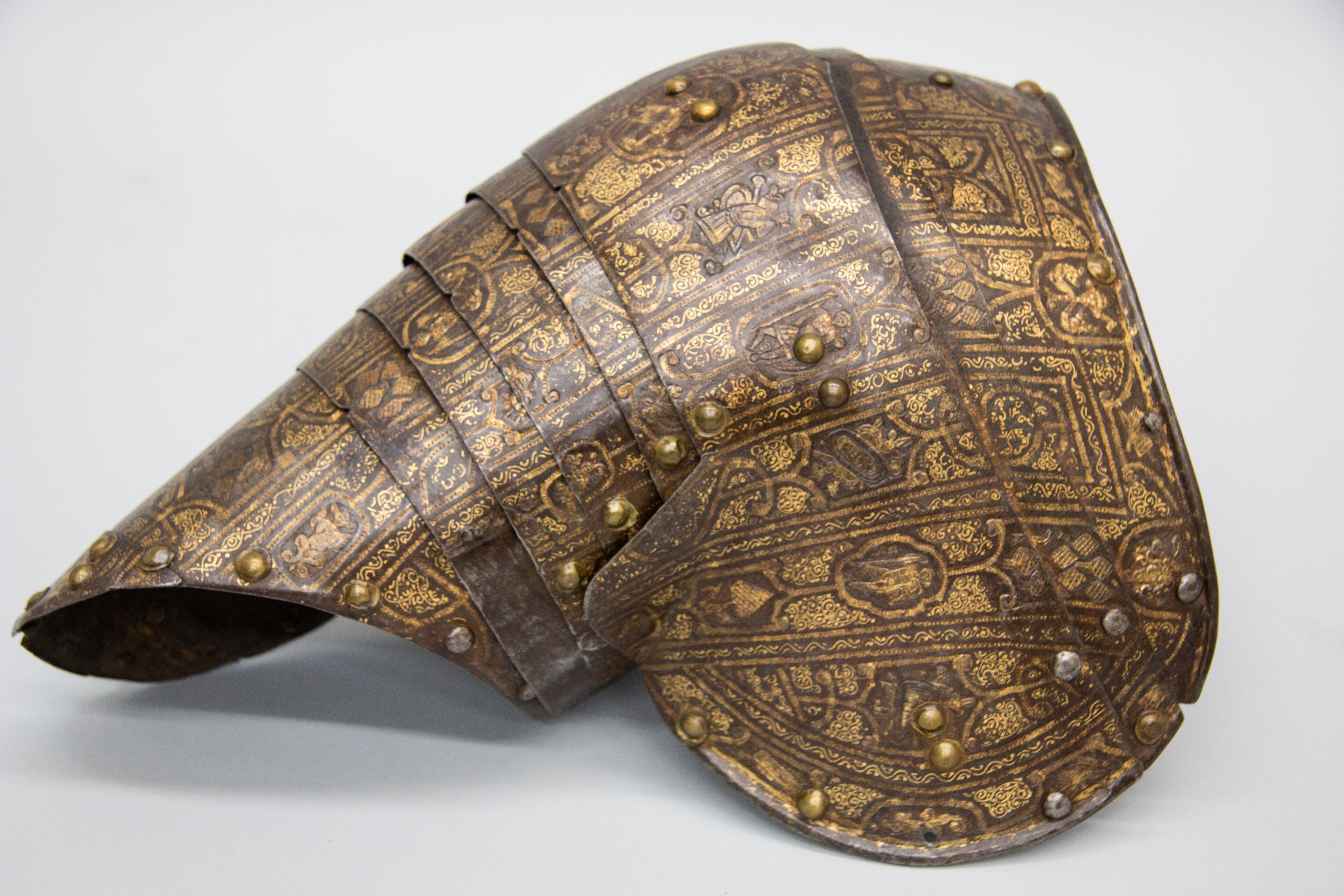
Then, the knight would also have had a mail collar, protecting the throat and neck - the gap where the helmet met body, and one of the most vulnerable points in combat. The gauntlet extended that same protection to the hands. The rerebrace was armour for the upper arm - and is here decorated, incised with a design of foliage, birds and mythical two-legged beasts. Even in armour designed to kill, the medieval craftsman found room for beauty.
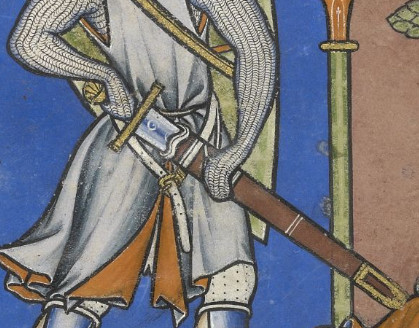
Then there is the sword. Found at the bottom of the River Witham in Lincolnshire in 1825, it dates to the 13th century and is thought to be of German origin - Germany being the blade-making centre of medieval Europe. On one side of the blade, an inscription is inlaid in gold wire. After 800 years, scholars still cannot agree on what it means.
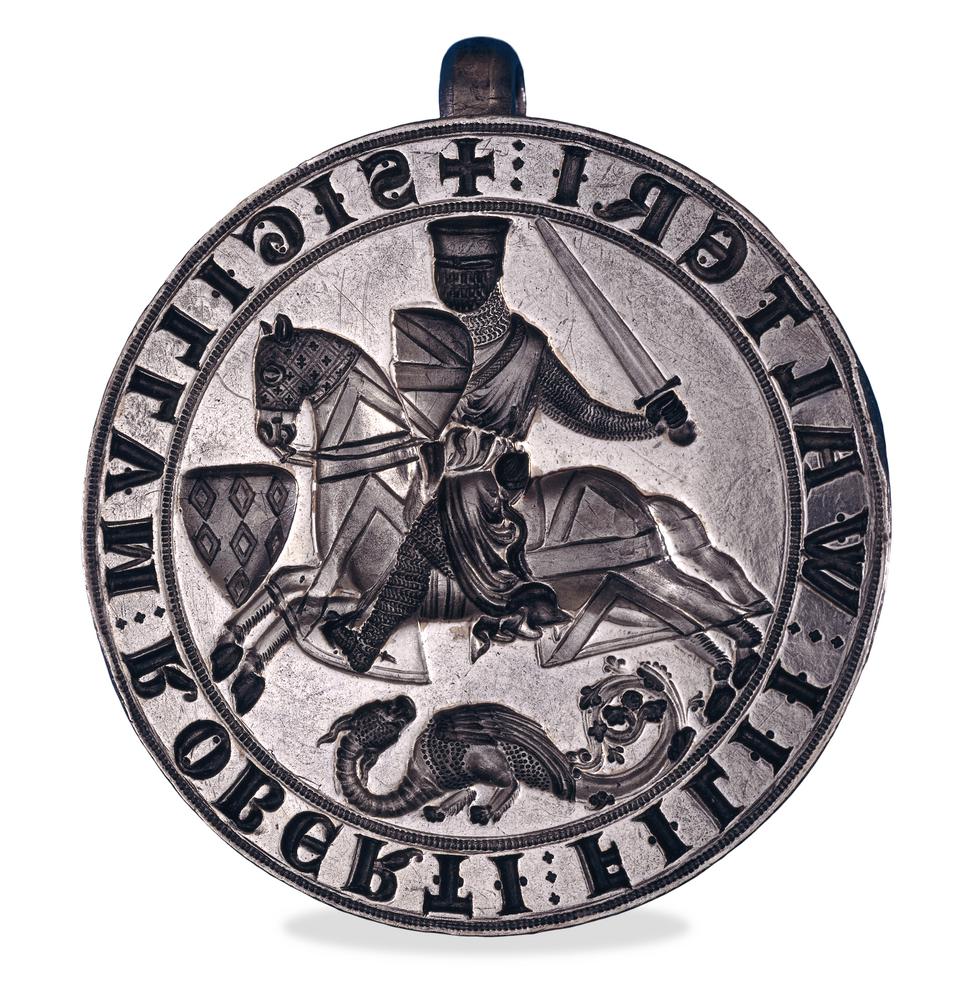
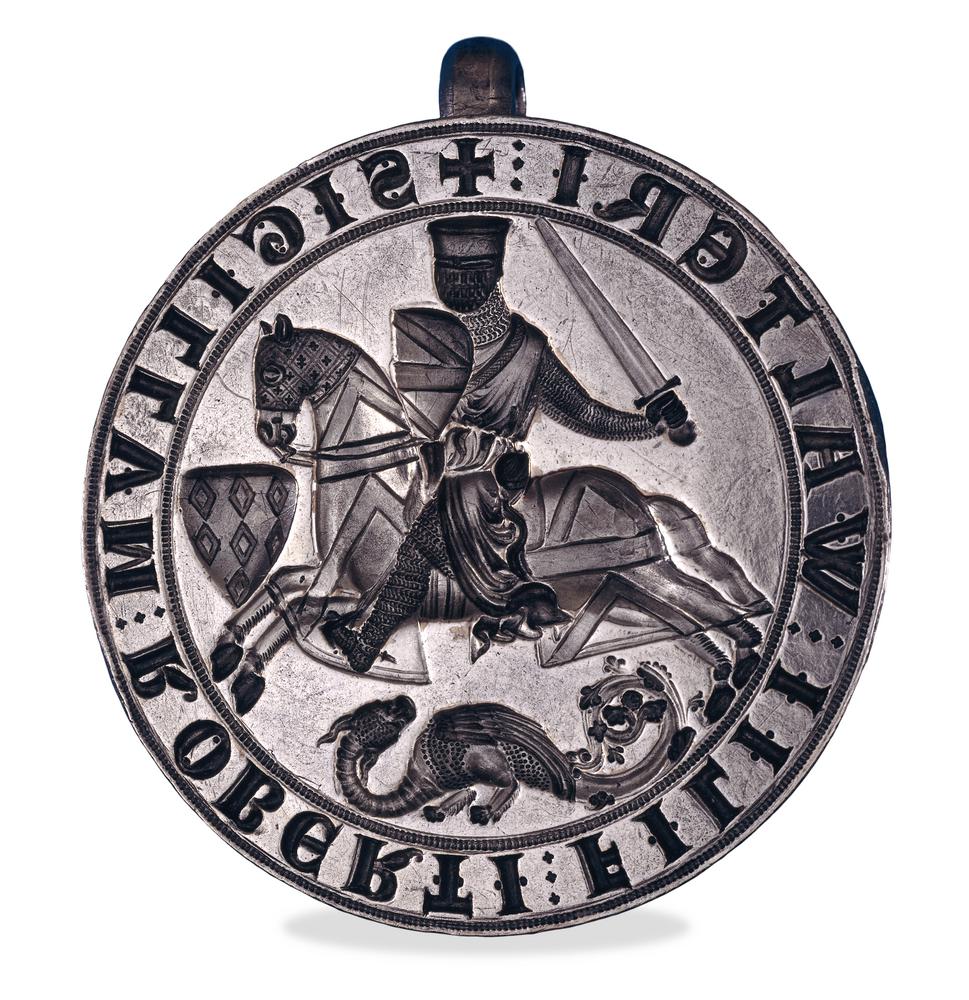
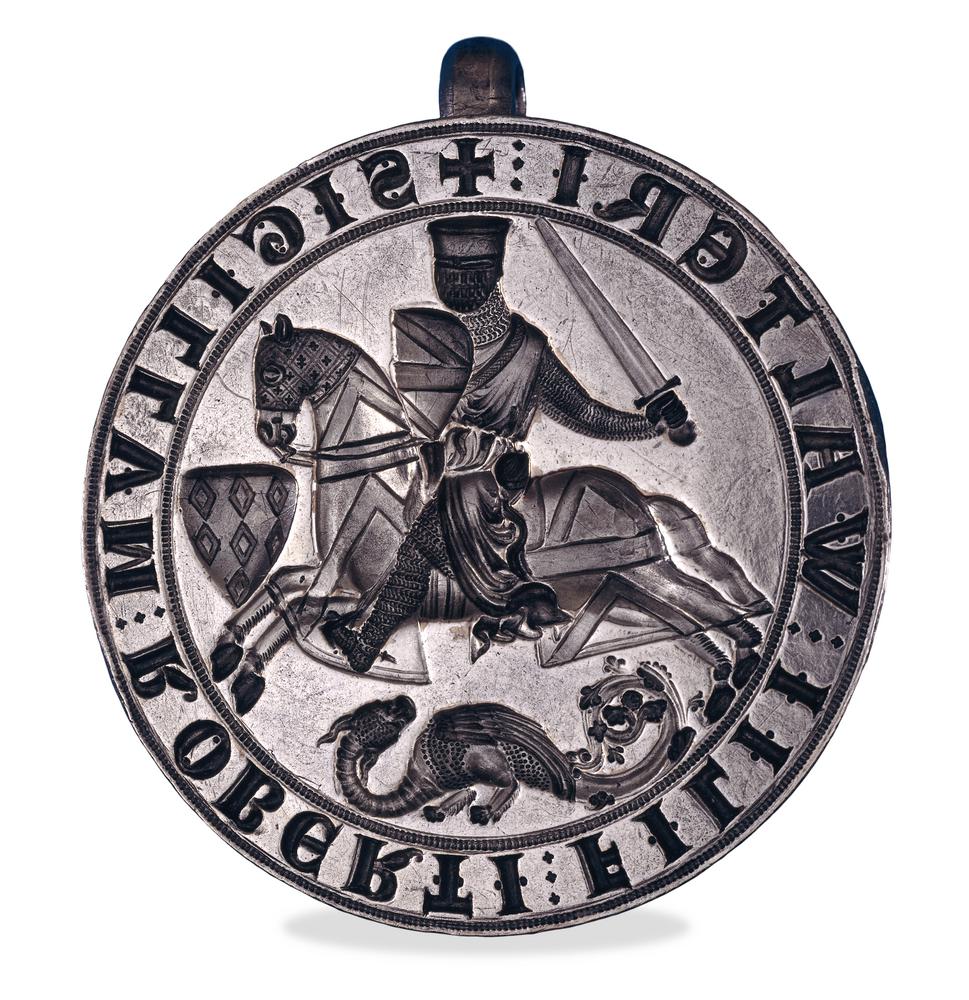
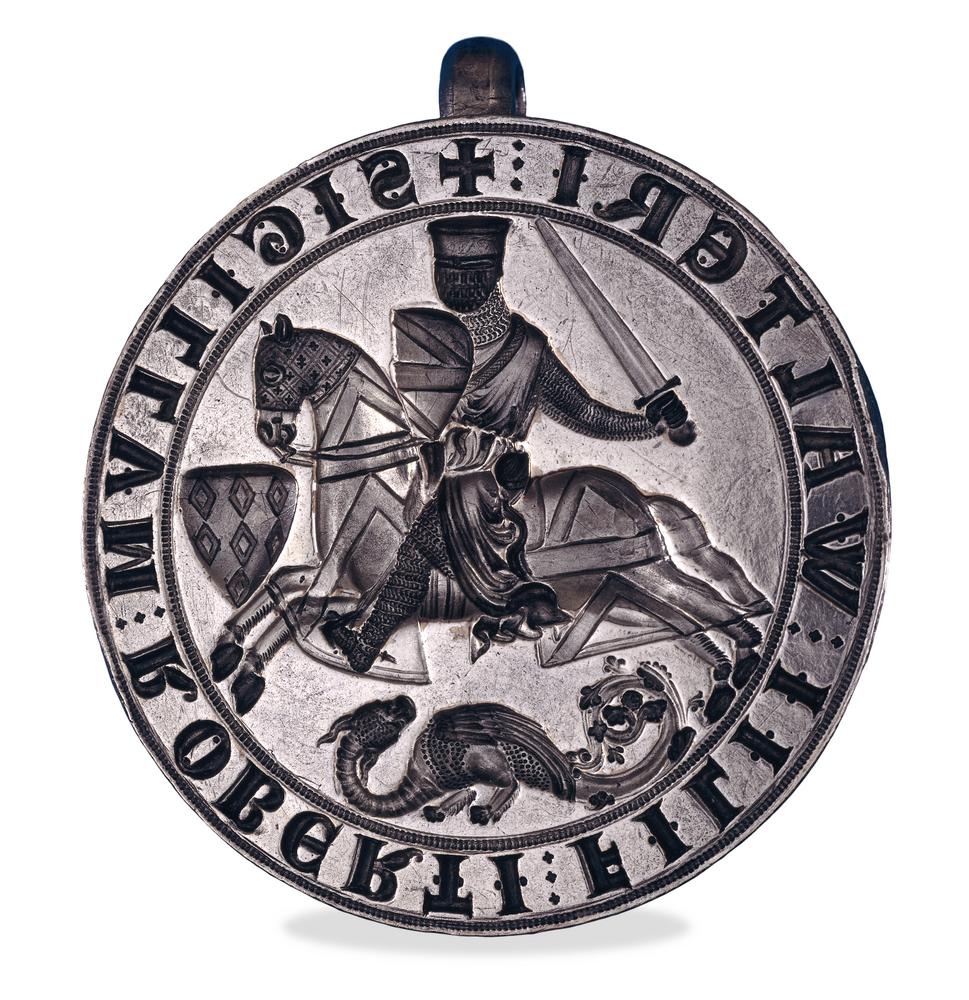
The seal of Robert Fitzwalter, showing him on horseback, in combat with a dragon, illustrates how this equipment would have looked like on a medieval knight. It is one of the finest silver seals to have survived from the Middle Ages.
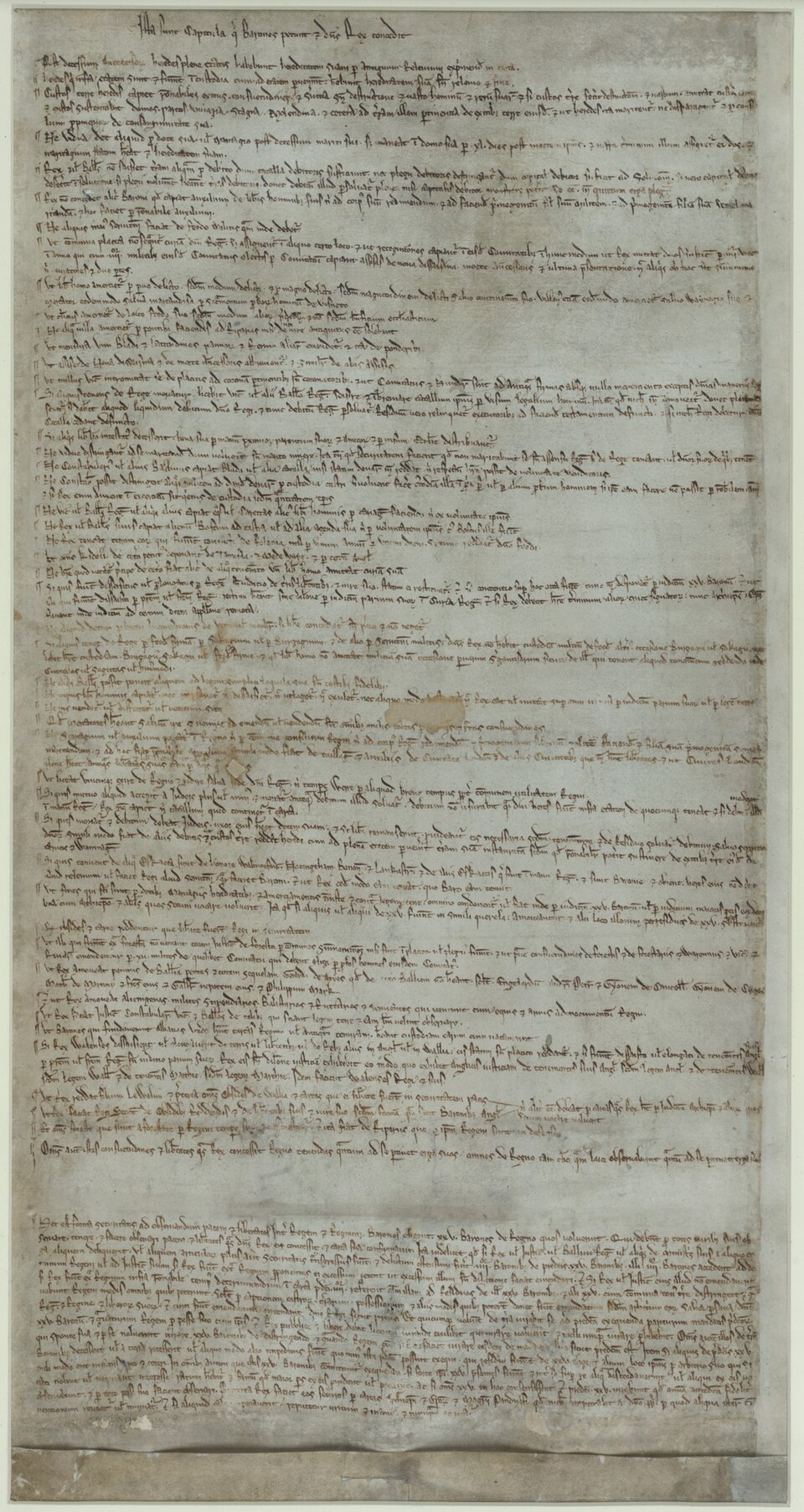
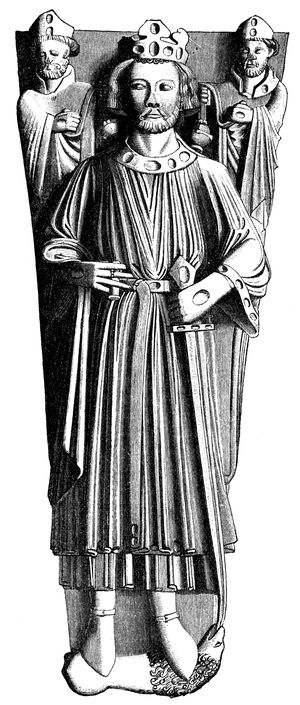
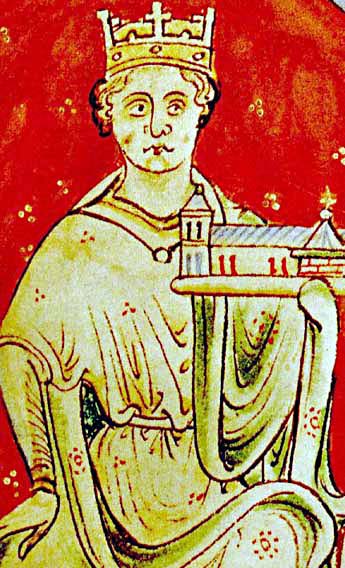
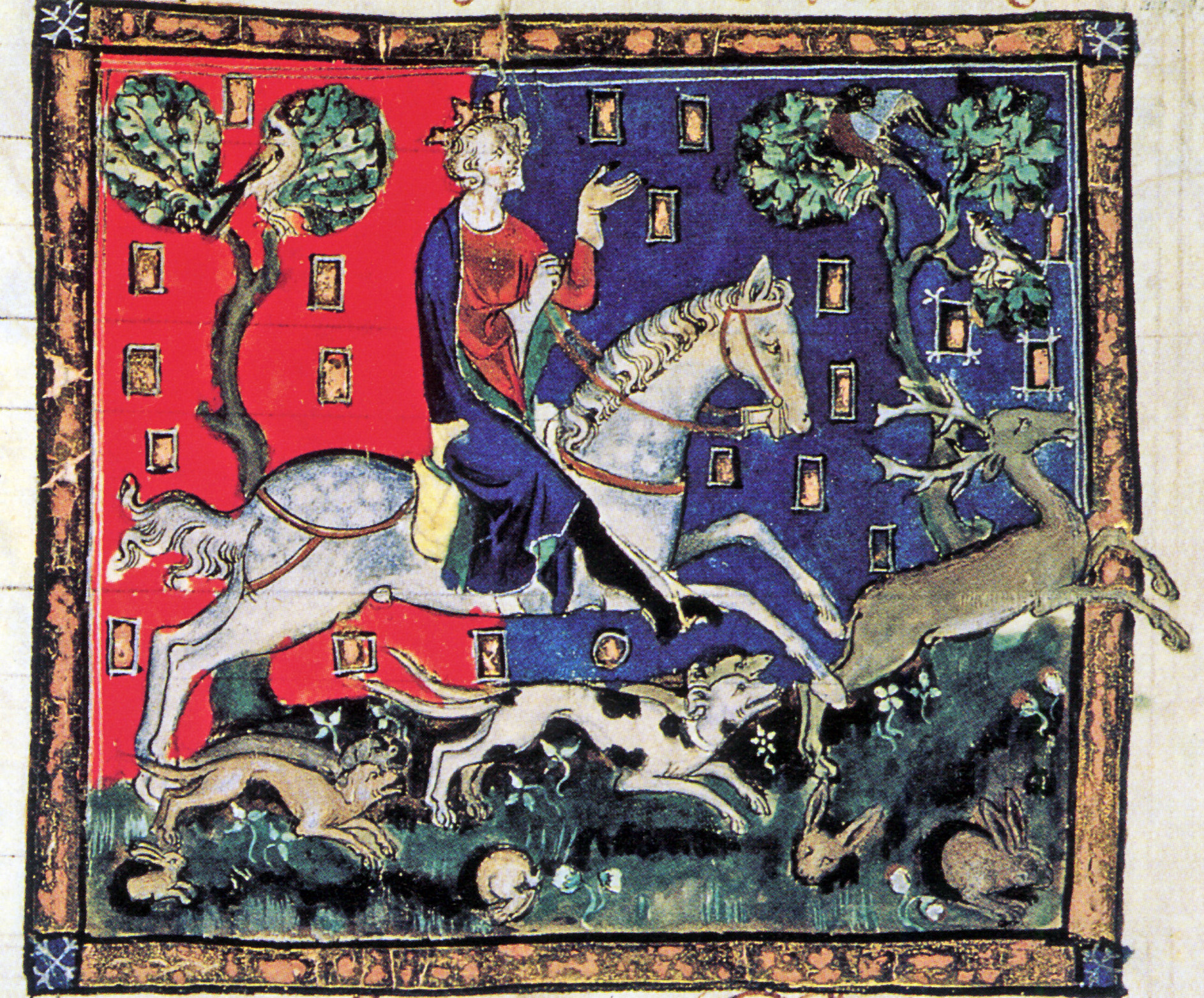
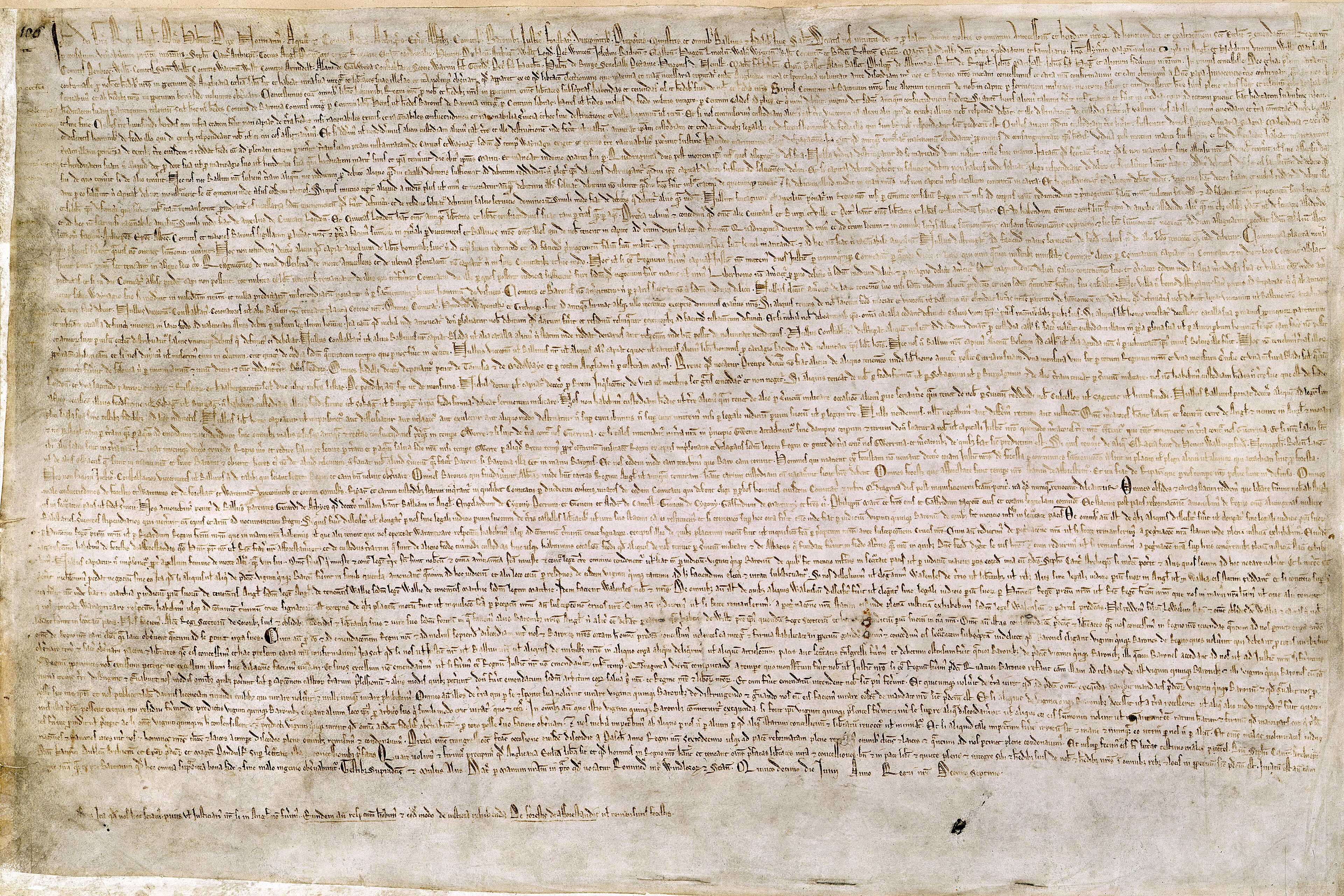
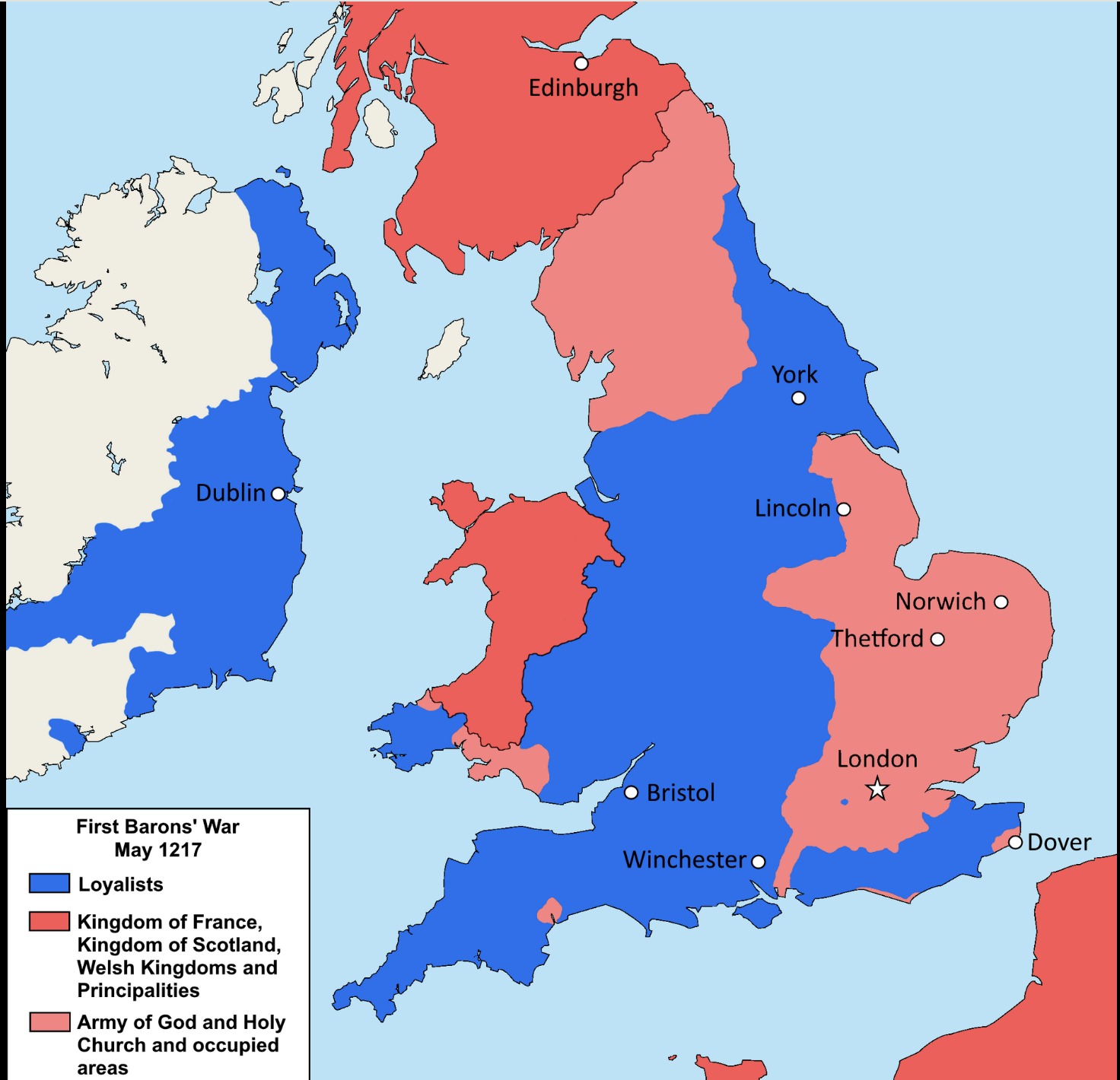
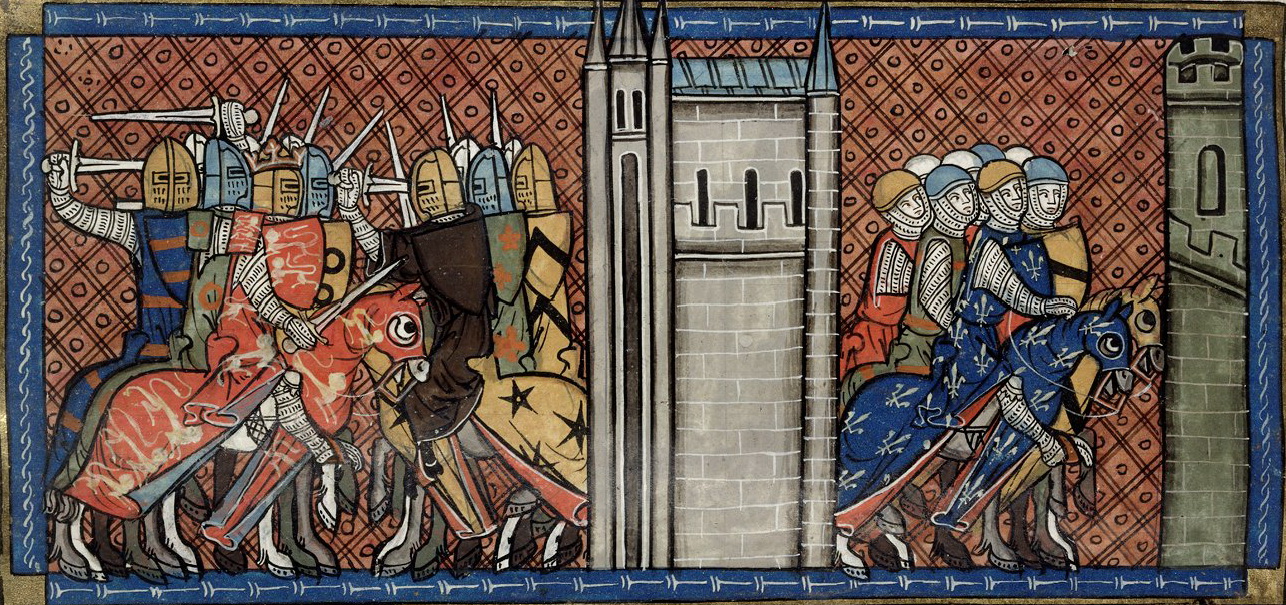
Robert Fitzwalter was one of the most influential barons of early 13th-century England, and played a decisive part in the baronial revolt - which resulted in King John signing the Magna Carta in 1215. When the barons formally declared war, they elected Fitzwalter as their commander.
Fun fact : a second coat of arms beneath the horse's neck belongs to Saer de Quincy, Earl of Winchester - the two men had sworn a bond of ritual brotherhood, a formal medieval vow of intimate friendship and loyalty.
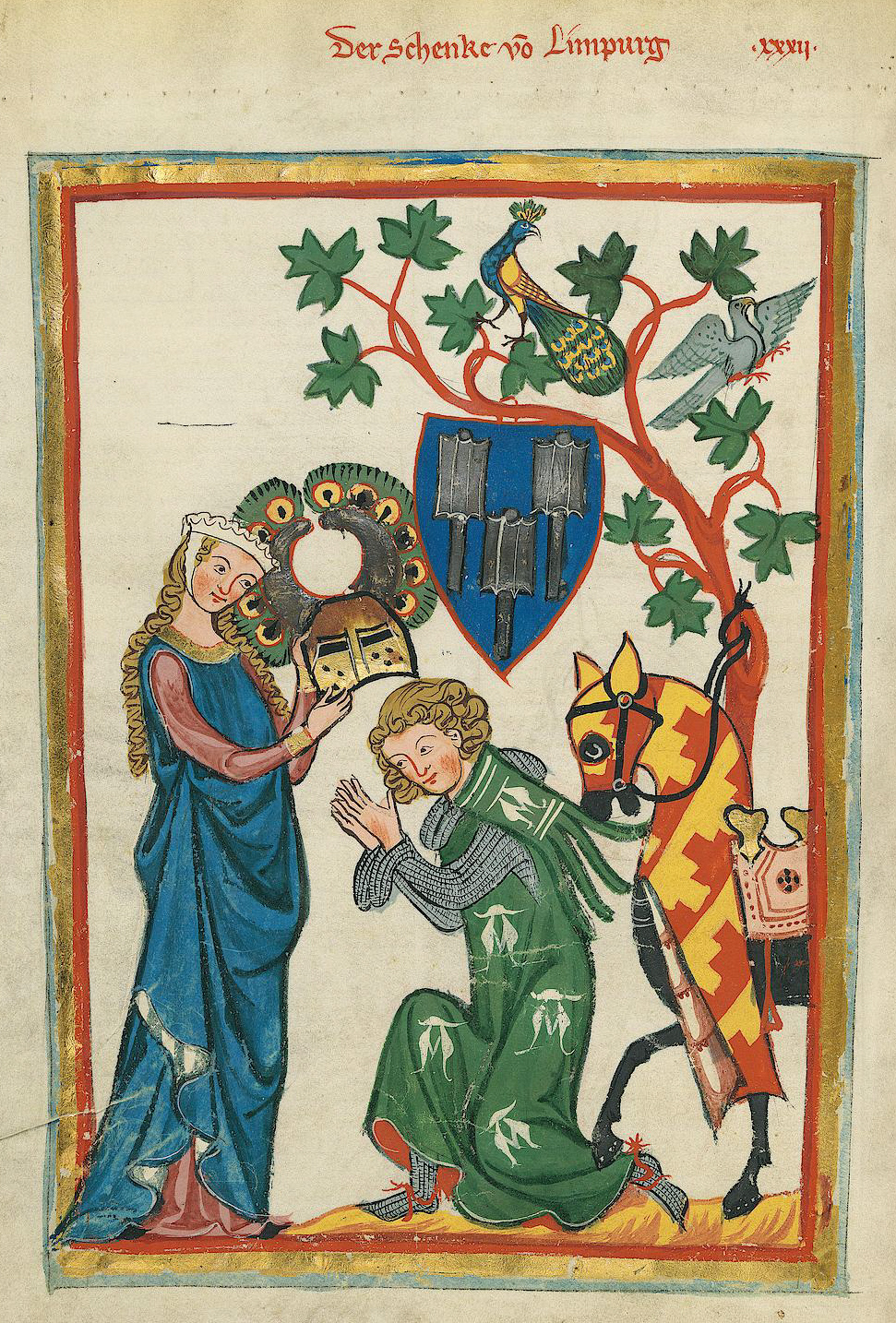
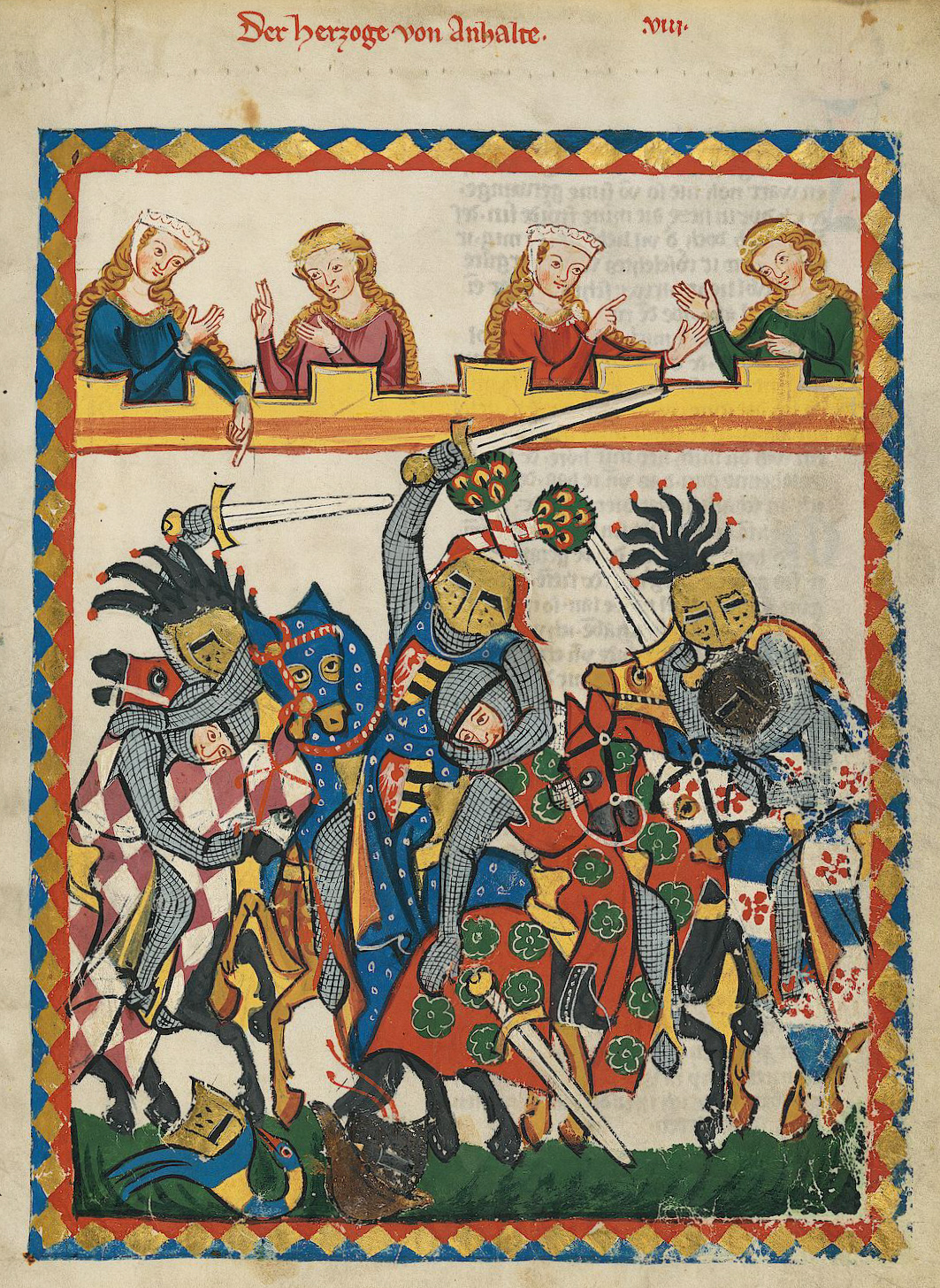
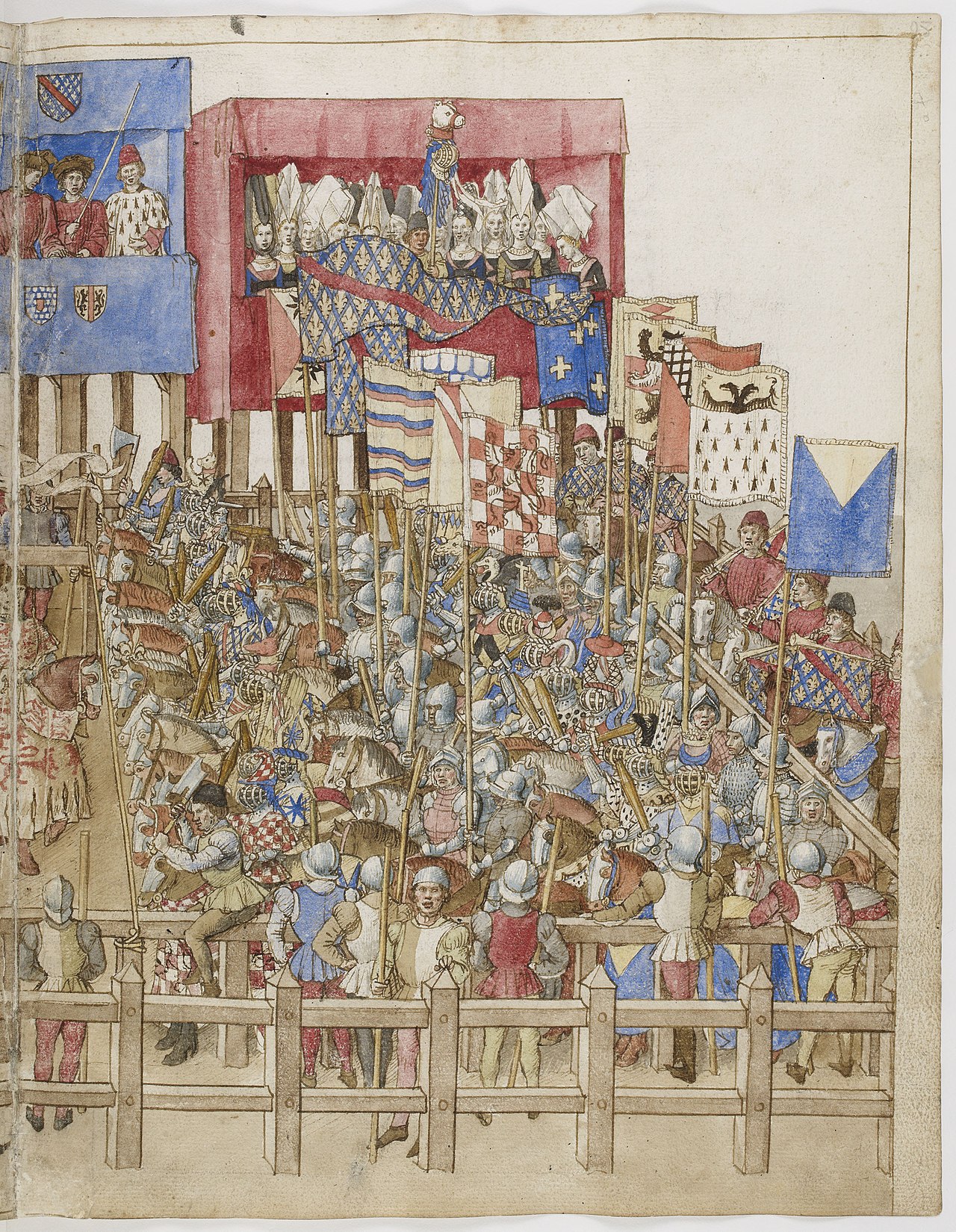
Finally, look for lovers' brooches or rings nearby - engraved with short inscriptions in Norman French, the language of courtly love. They typically include phrases like 'vous et nul aultre' - you and no other. They were exchanged between lovers as tokens of devotion - and are among the most intimate objects in the room.
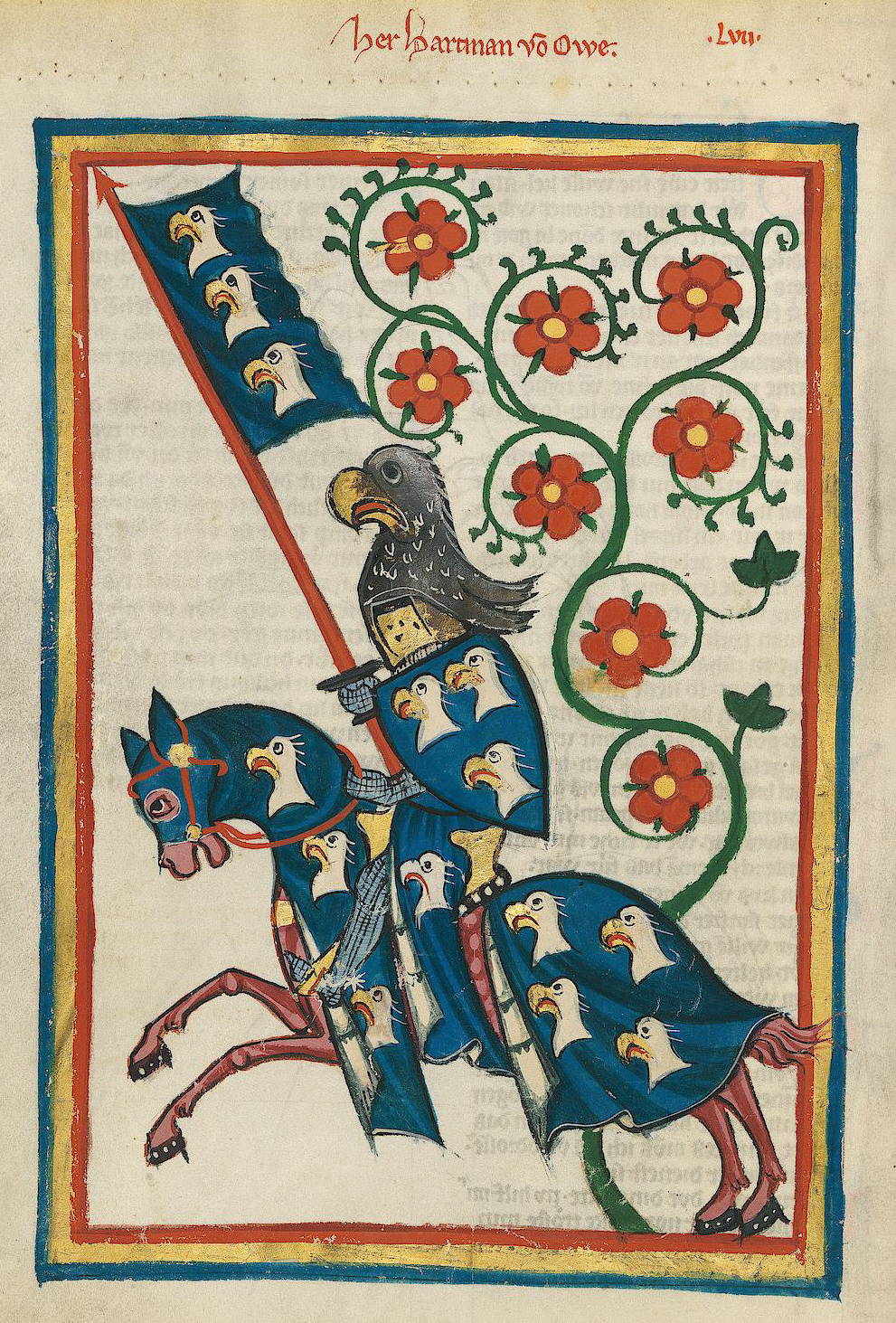
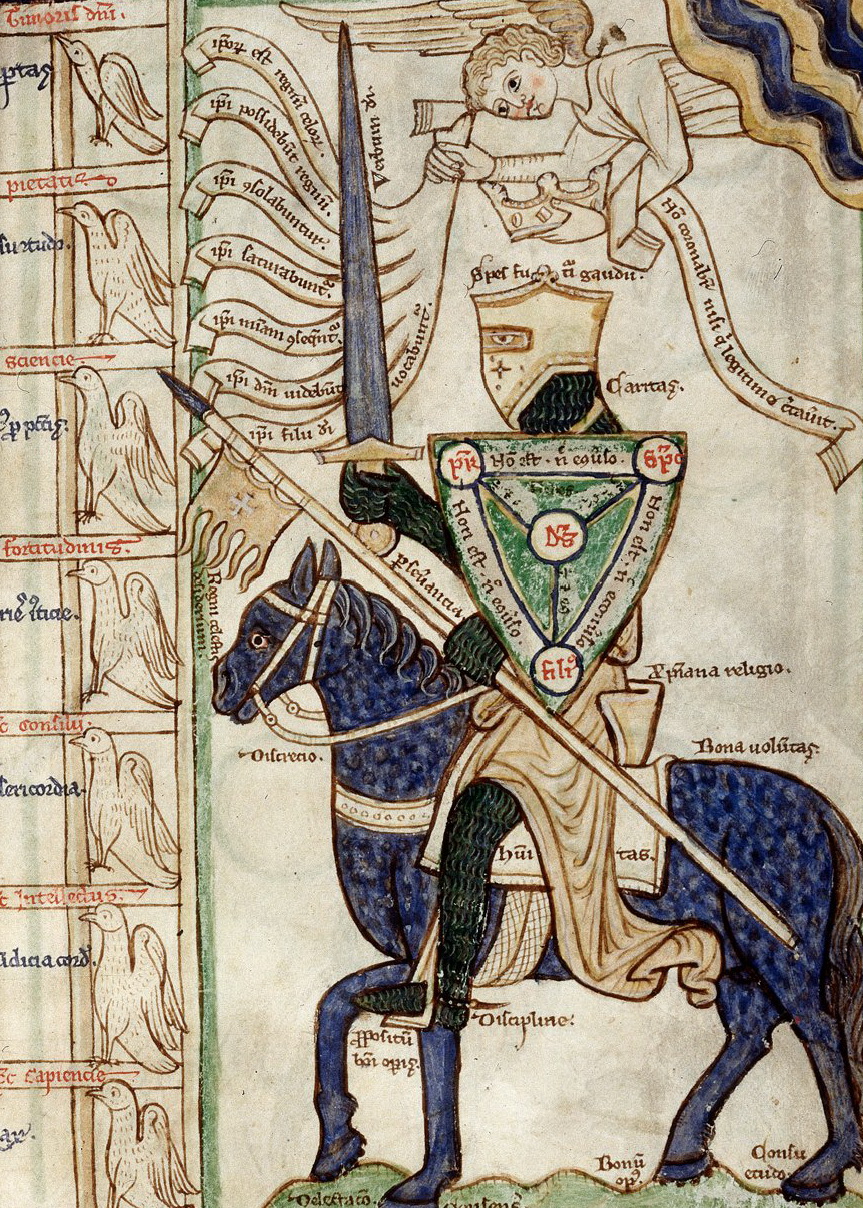
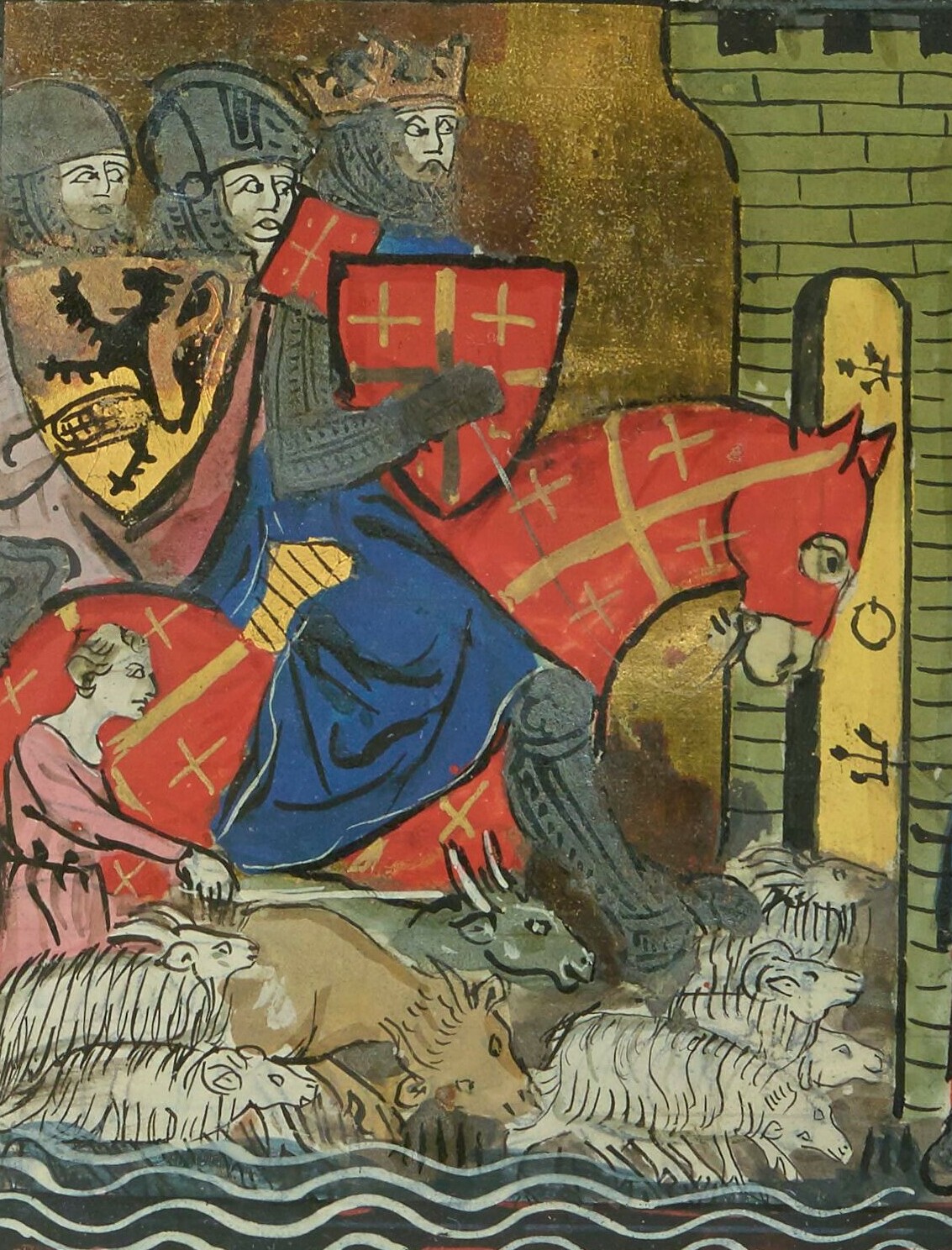
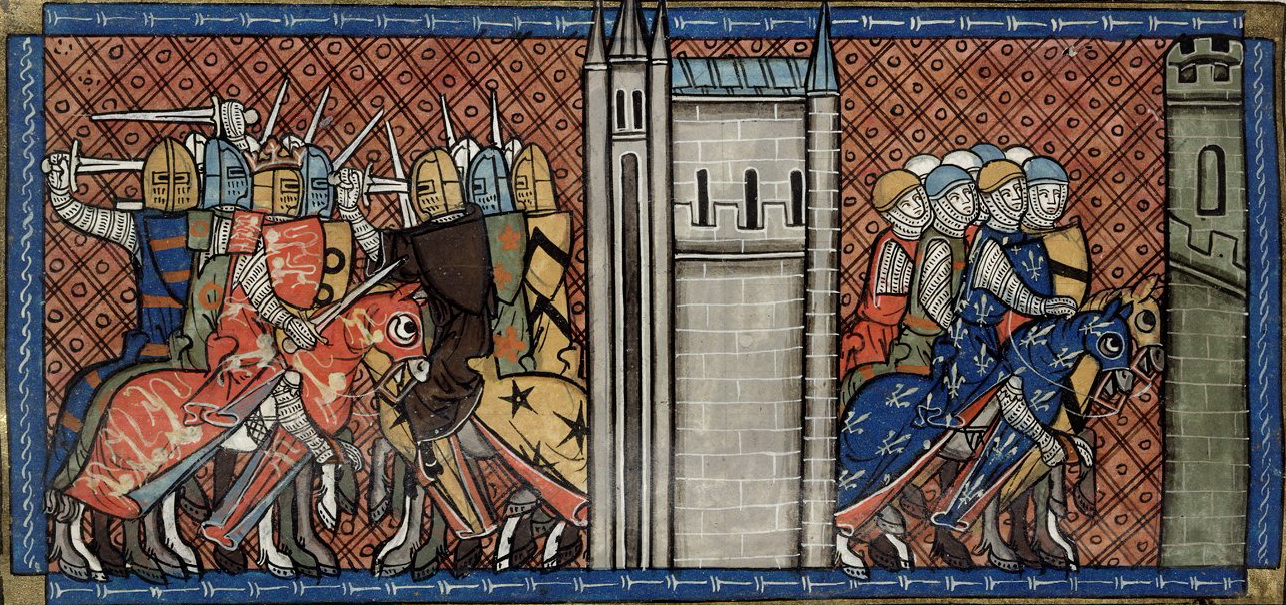
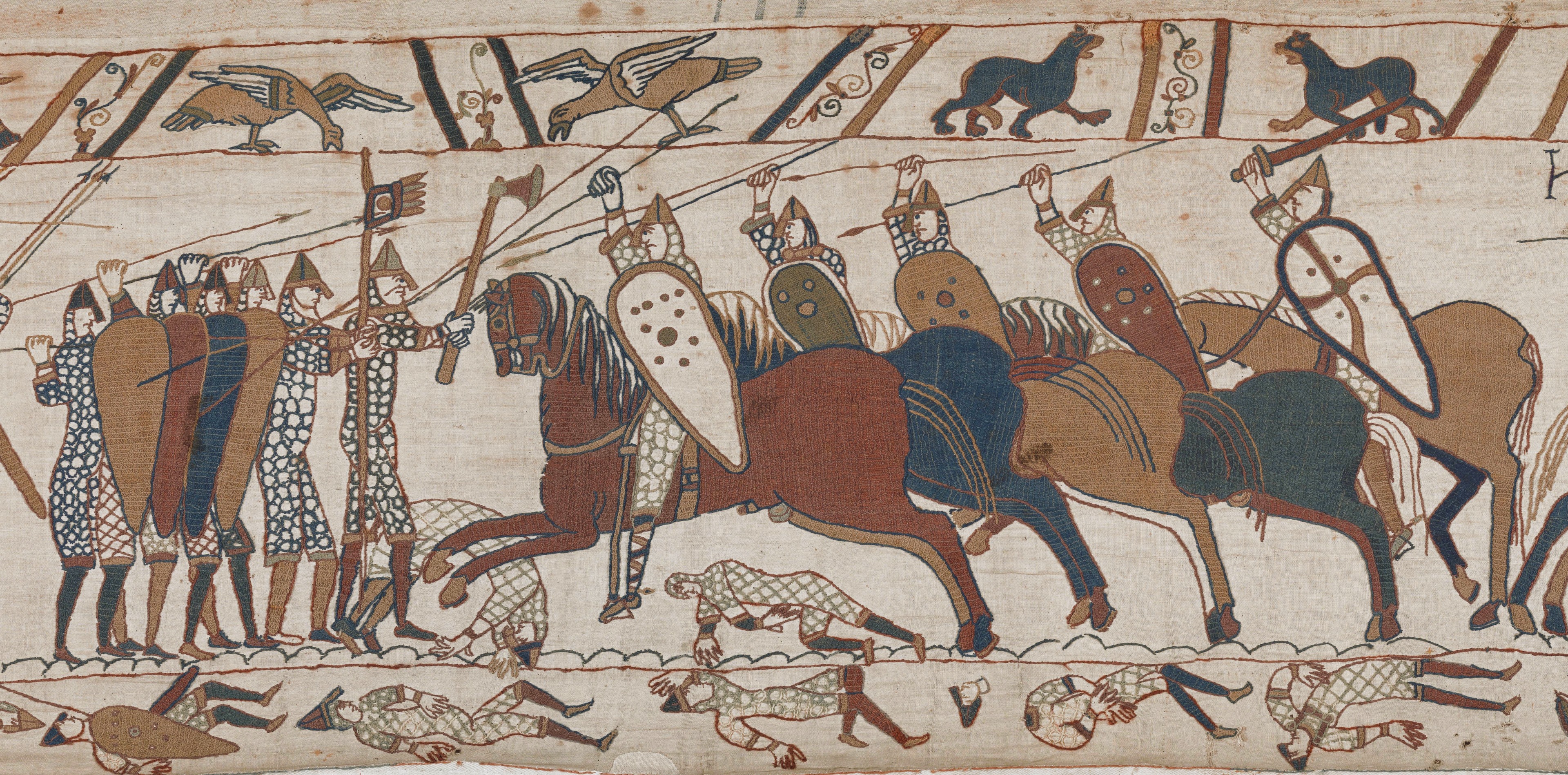
Taken together - chainmail, sword, seal and rings - these objects represent the different worlds a medieval knight inhabited simultaneously: the world of violence, the world of law, and the world of courtly love.
Comments
Loading comments...