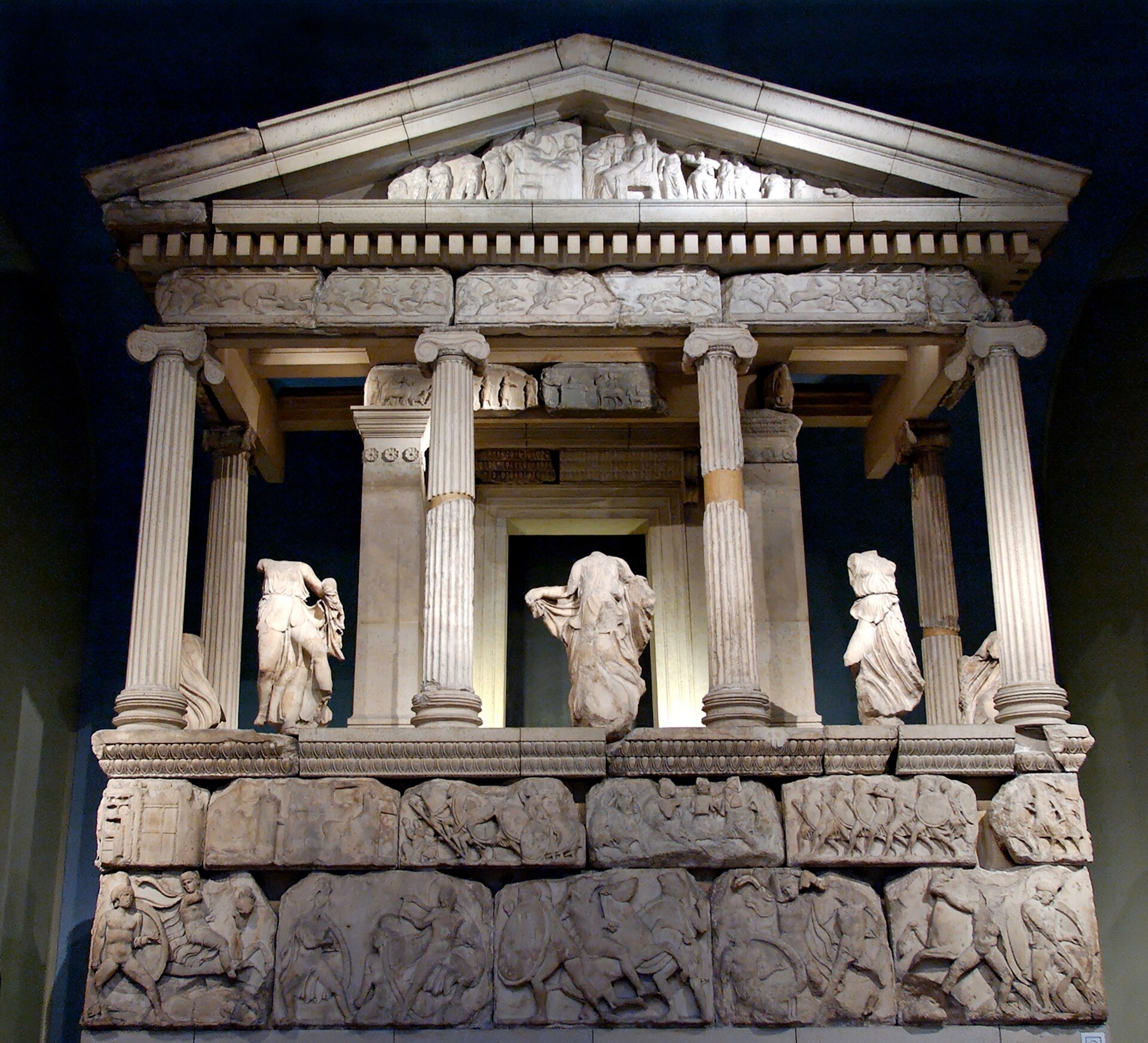


As you walk into Room 17 (and Room 18 next door) you walk into an entire different world.
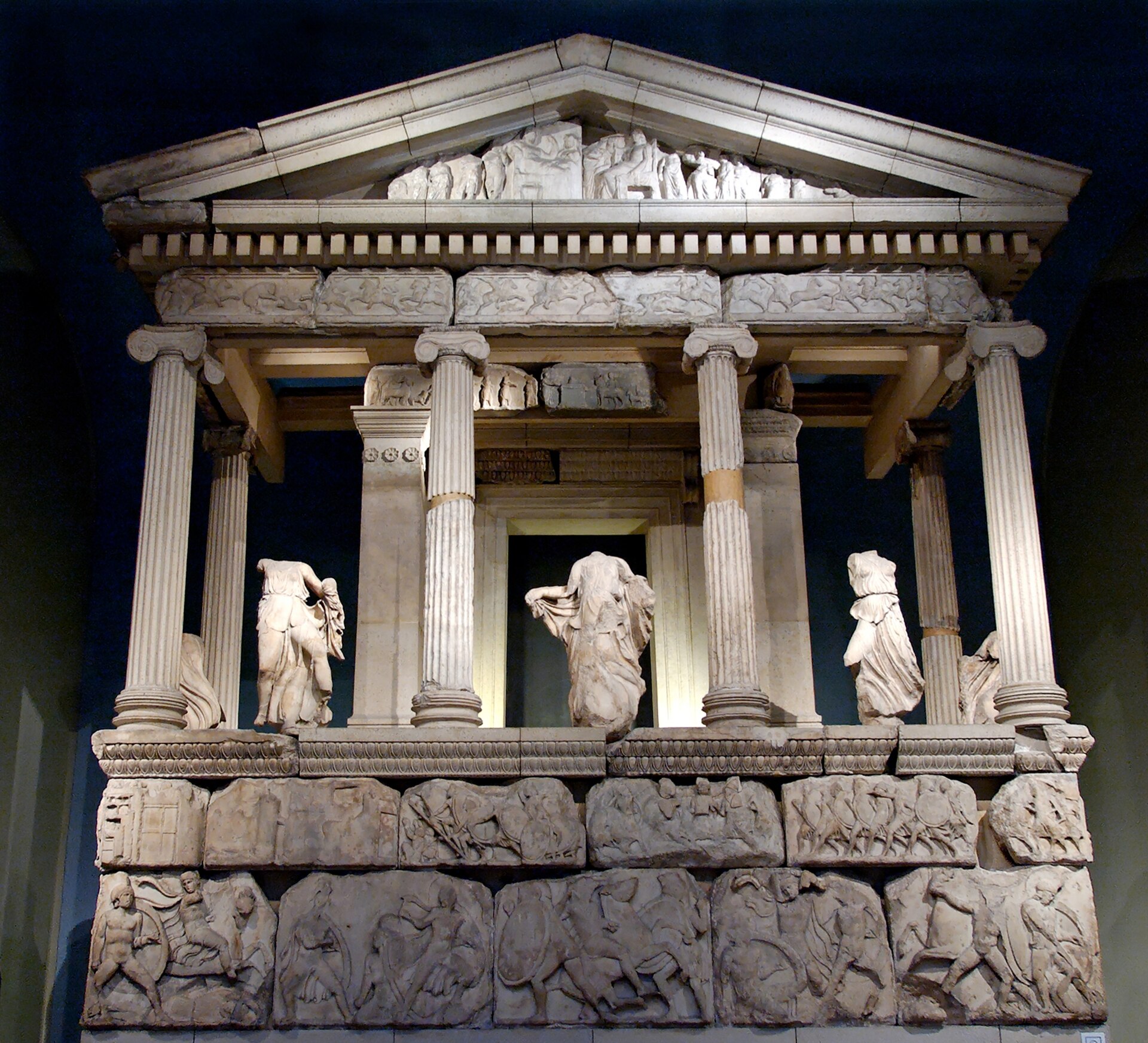
This monumental tomb is not Egyptian, not Greek - although it draws its inspiration from Ionic Greek temples and can offer a glimpse into what it would have been like to walk up close to those.
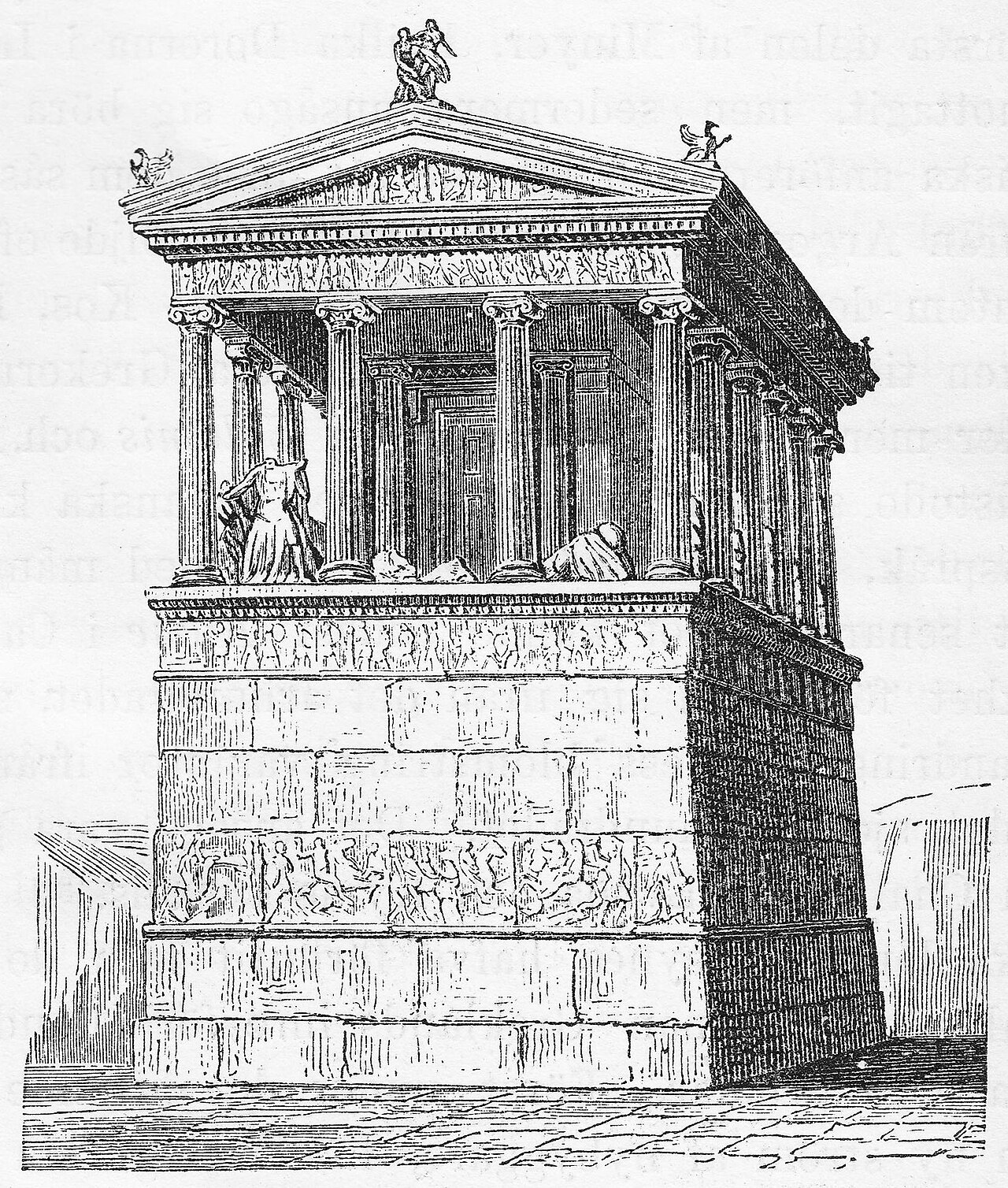
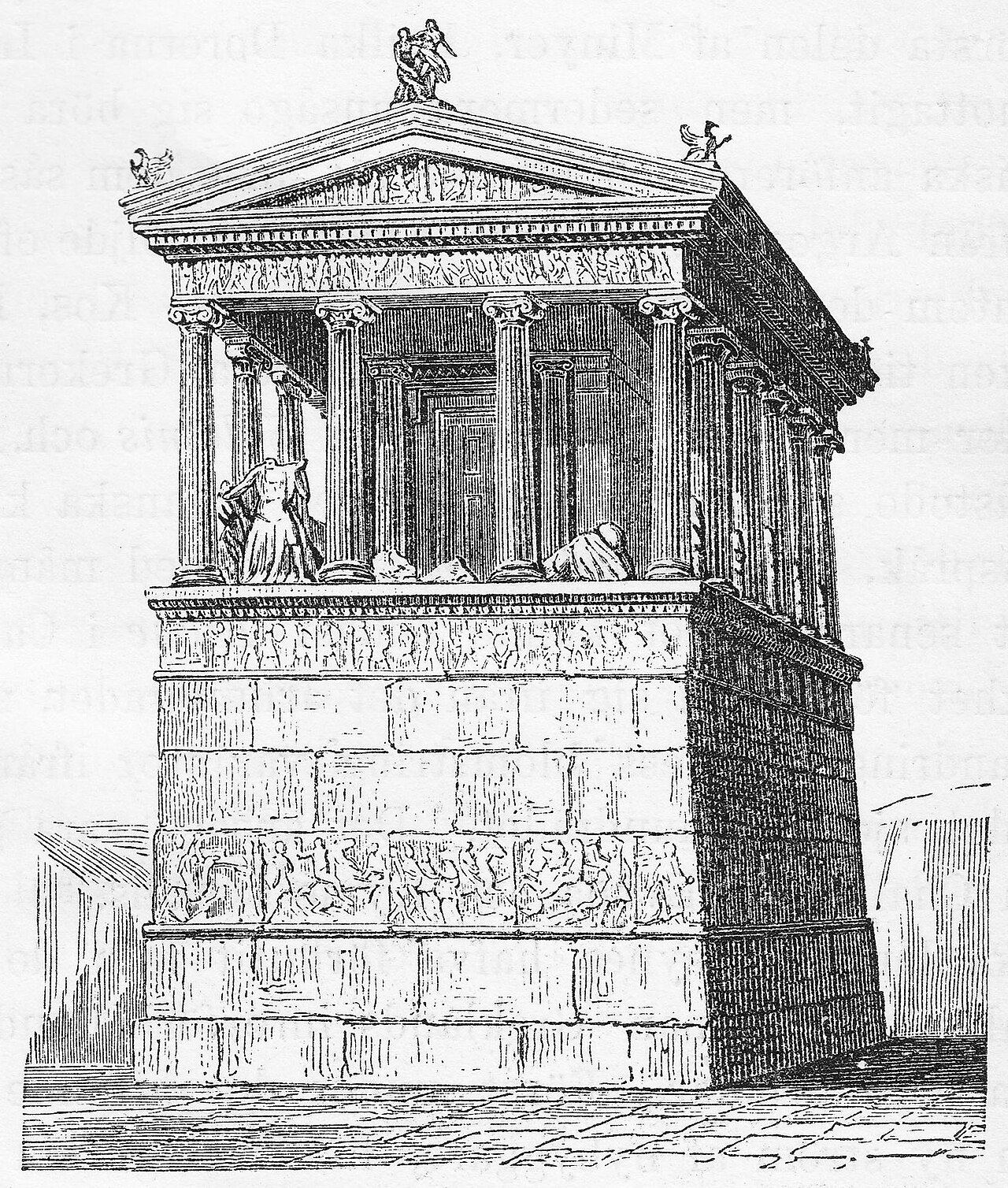
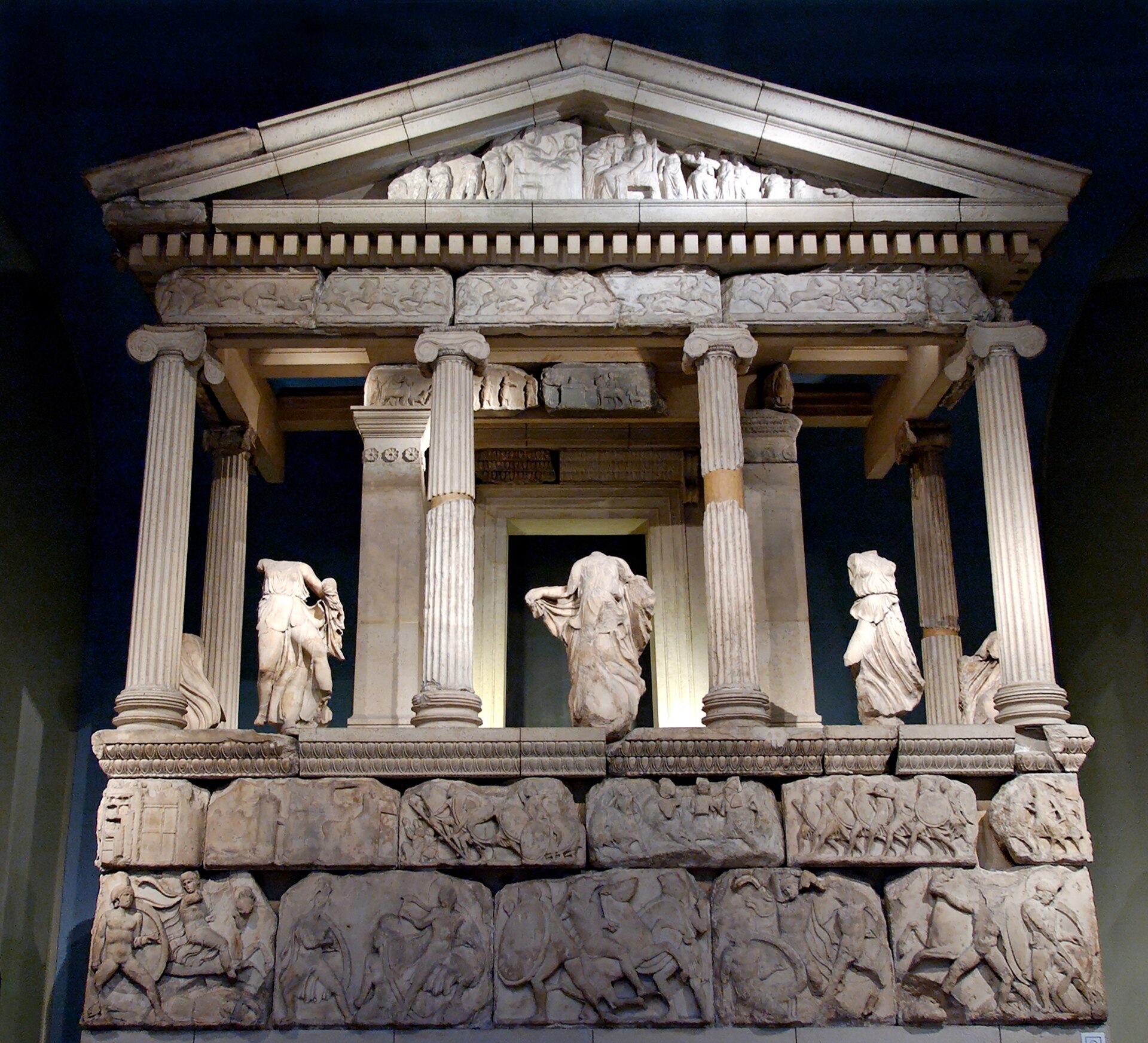
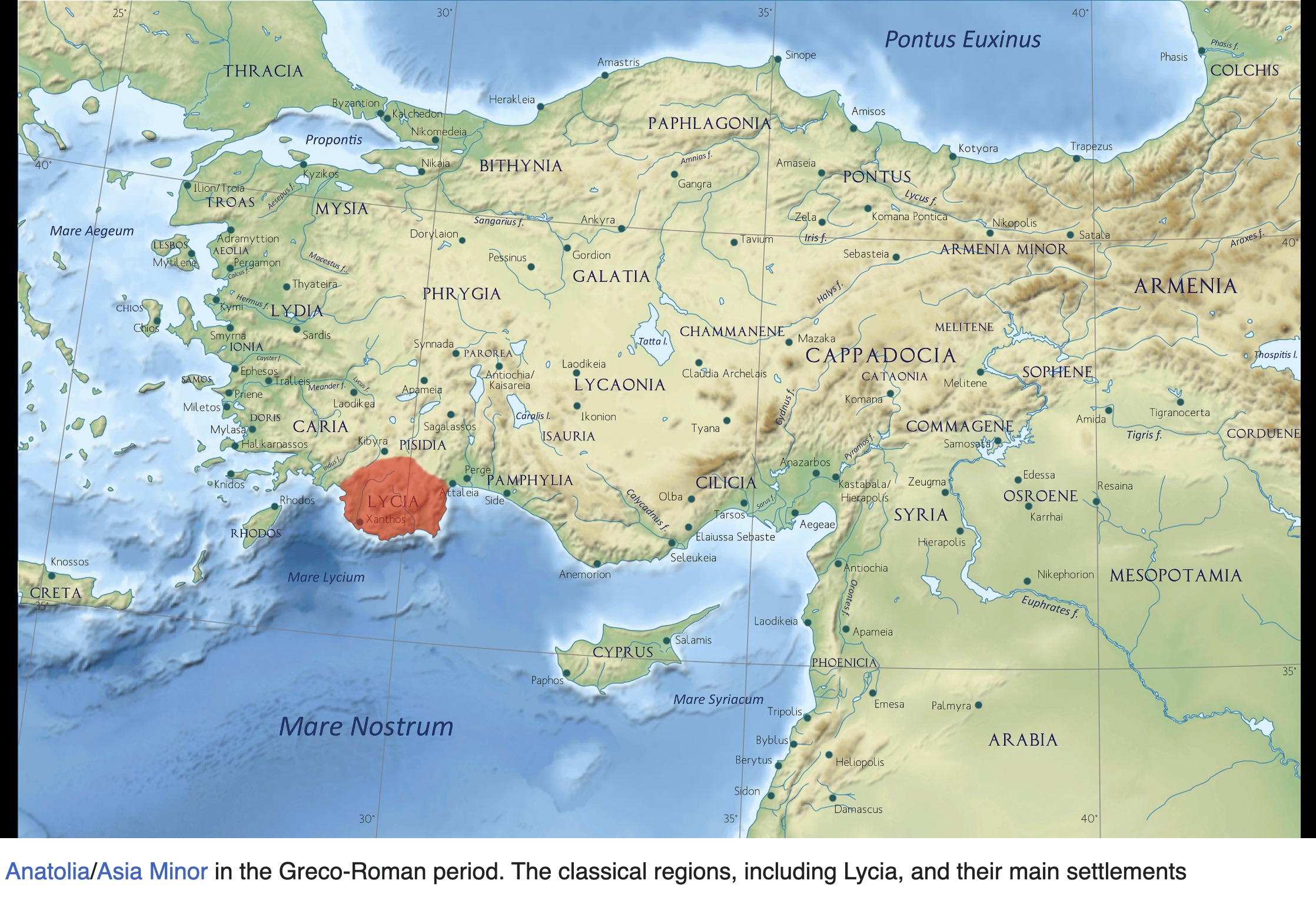
This is the tomb of Arbinas, the ruler of a Lycian city named Xanthos, in today's south-west Turkey. It was built around 400 BC.
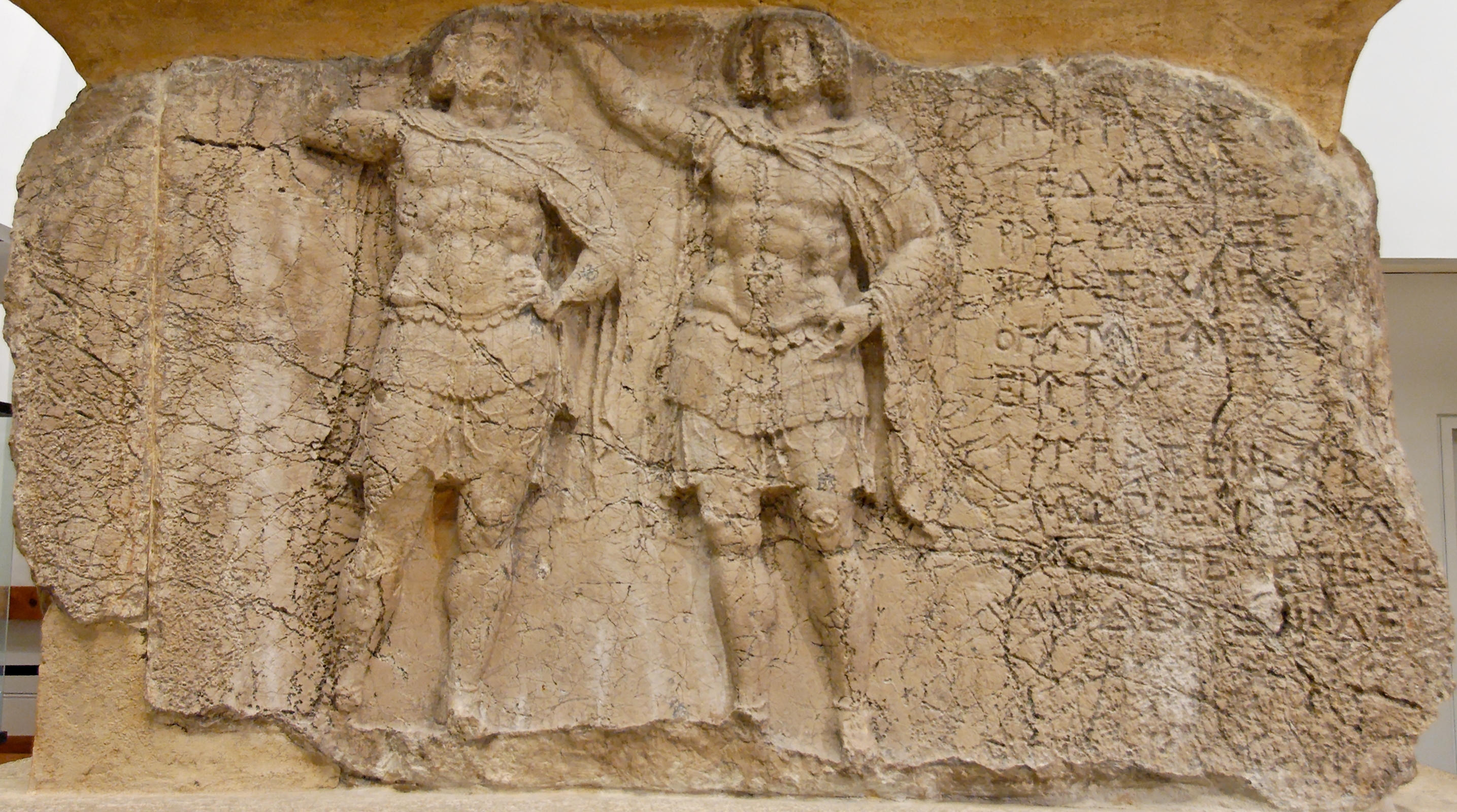
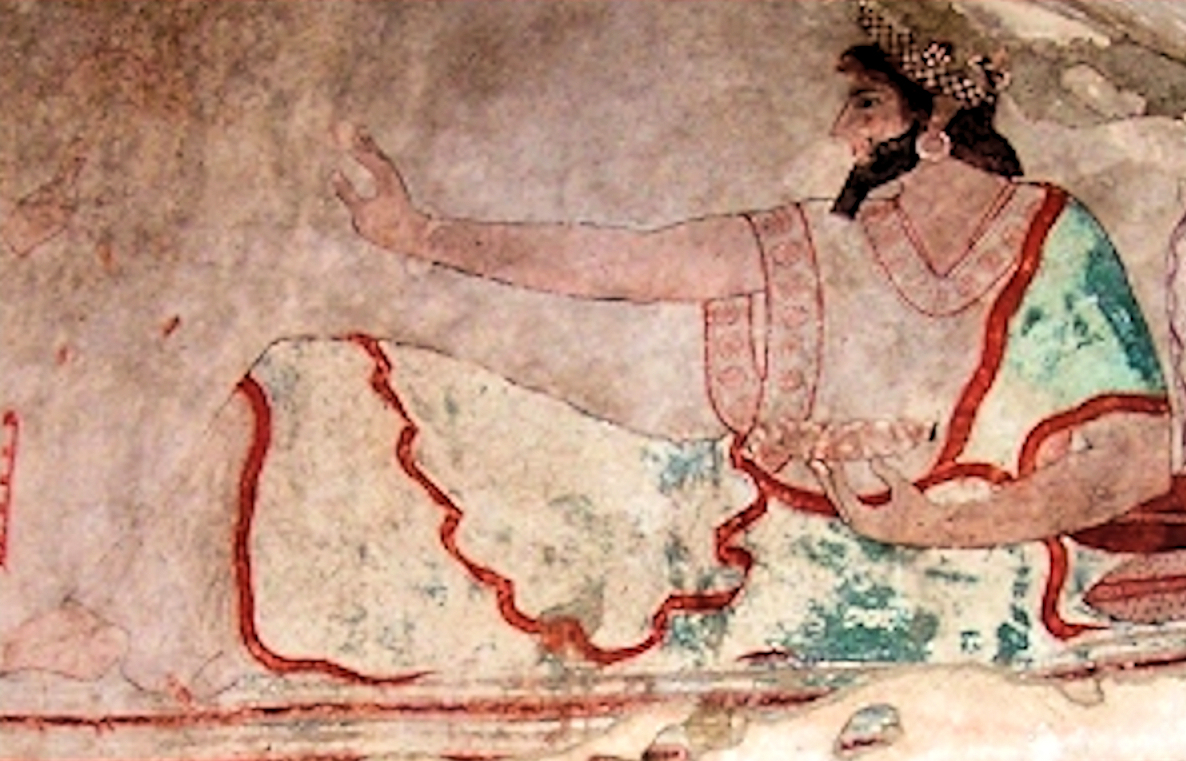
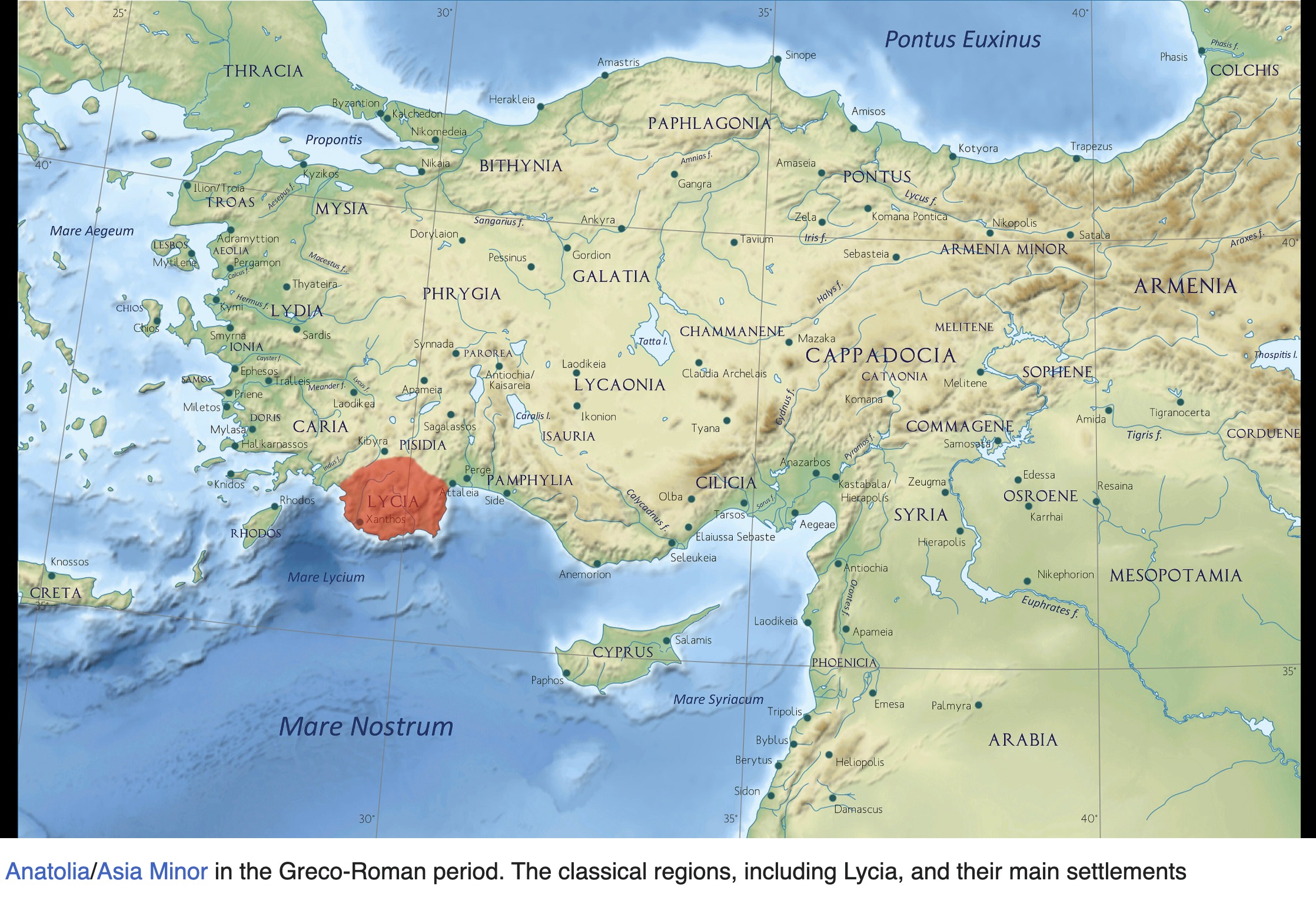
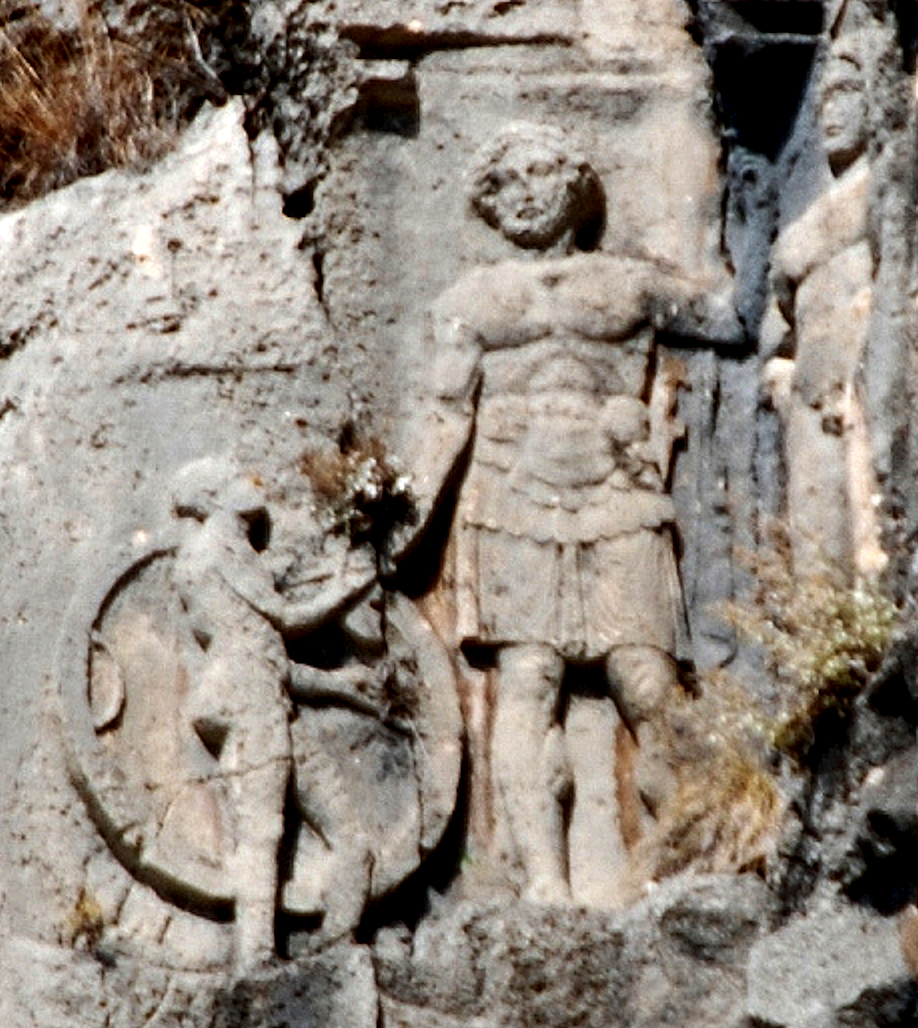
The Lycians were a proud, fiercely independent society, with their own language, own alphabet and traditions. They fell under the Persian Achaemenid Empire around 540 BC, then the Greeks, then back to Persian control.
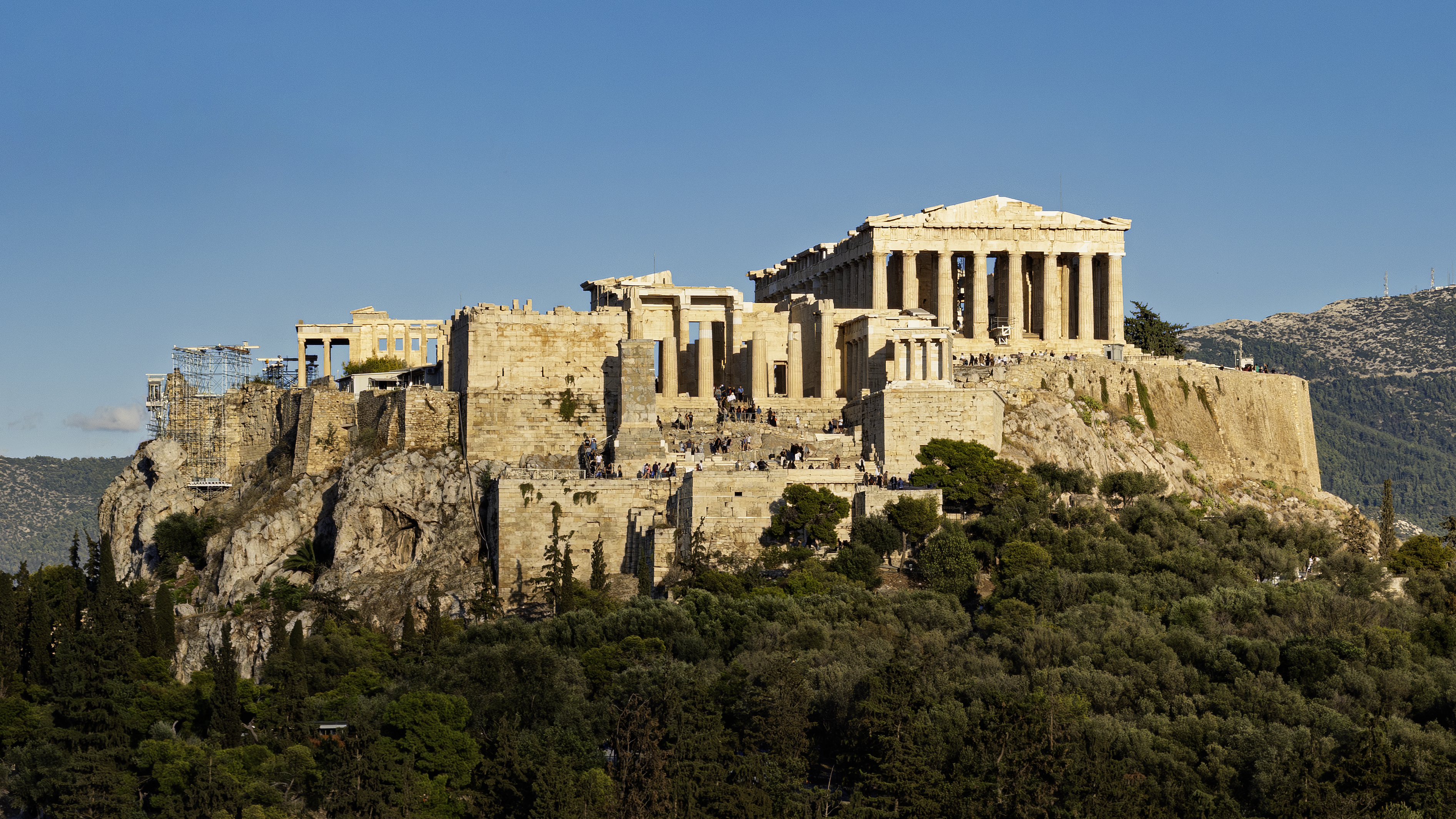
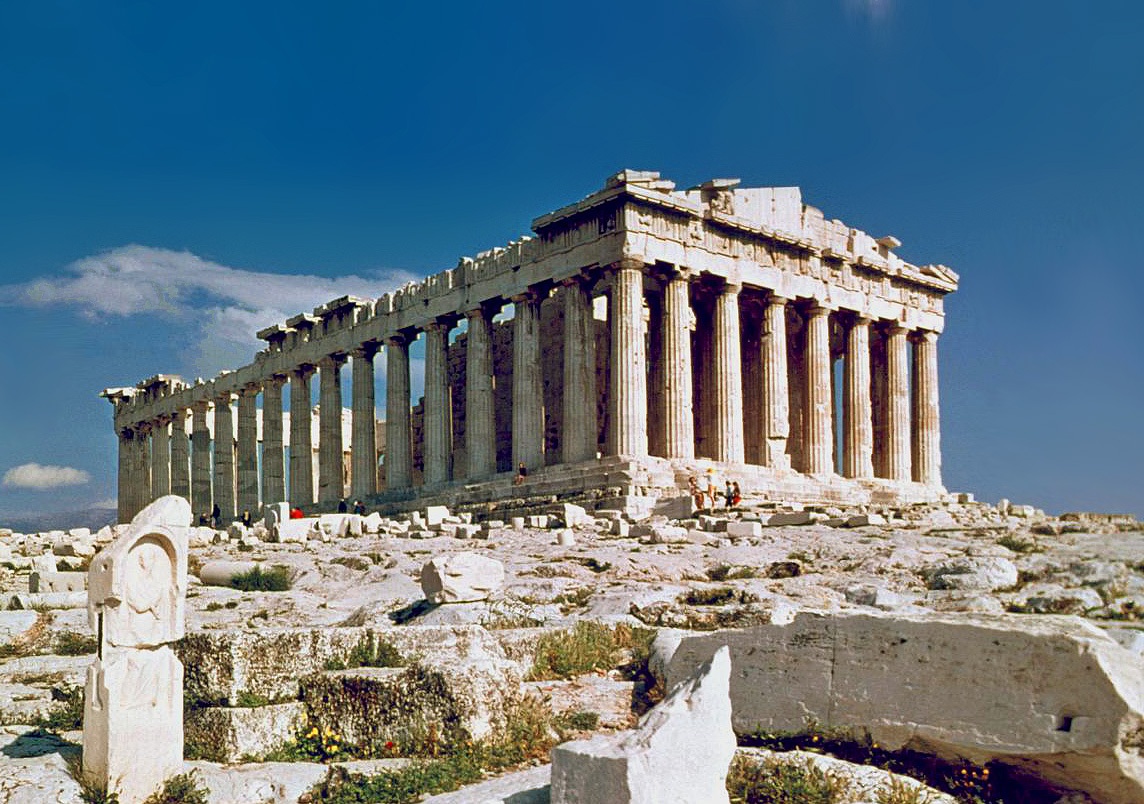
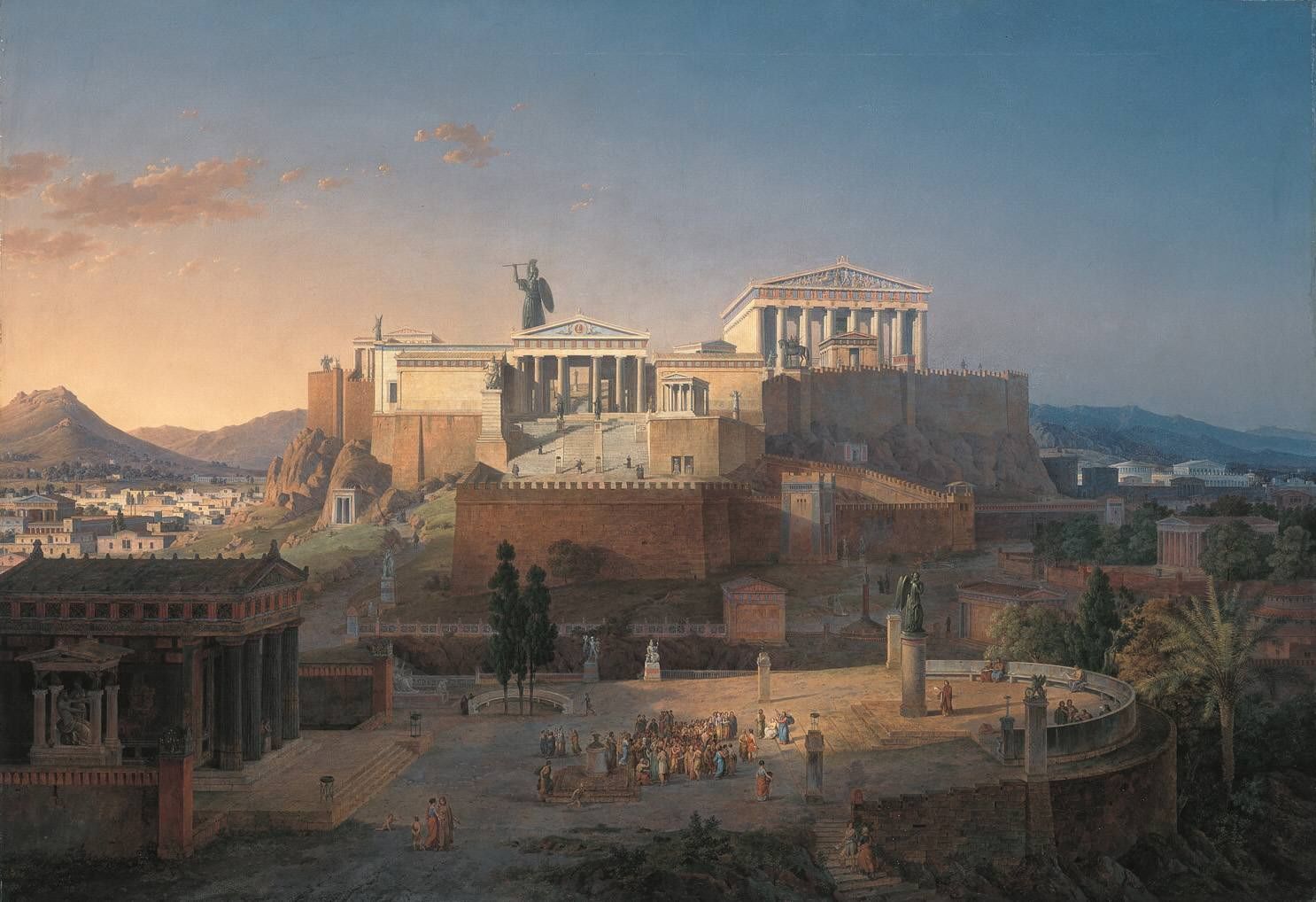
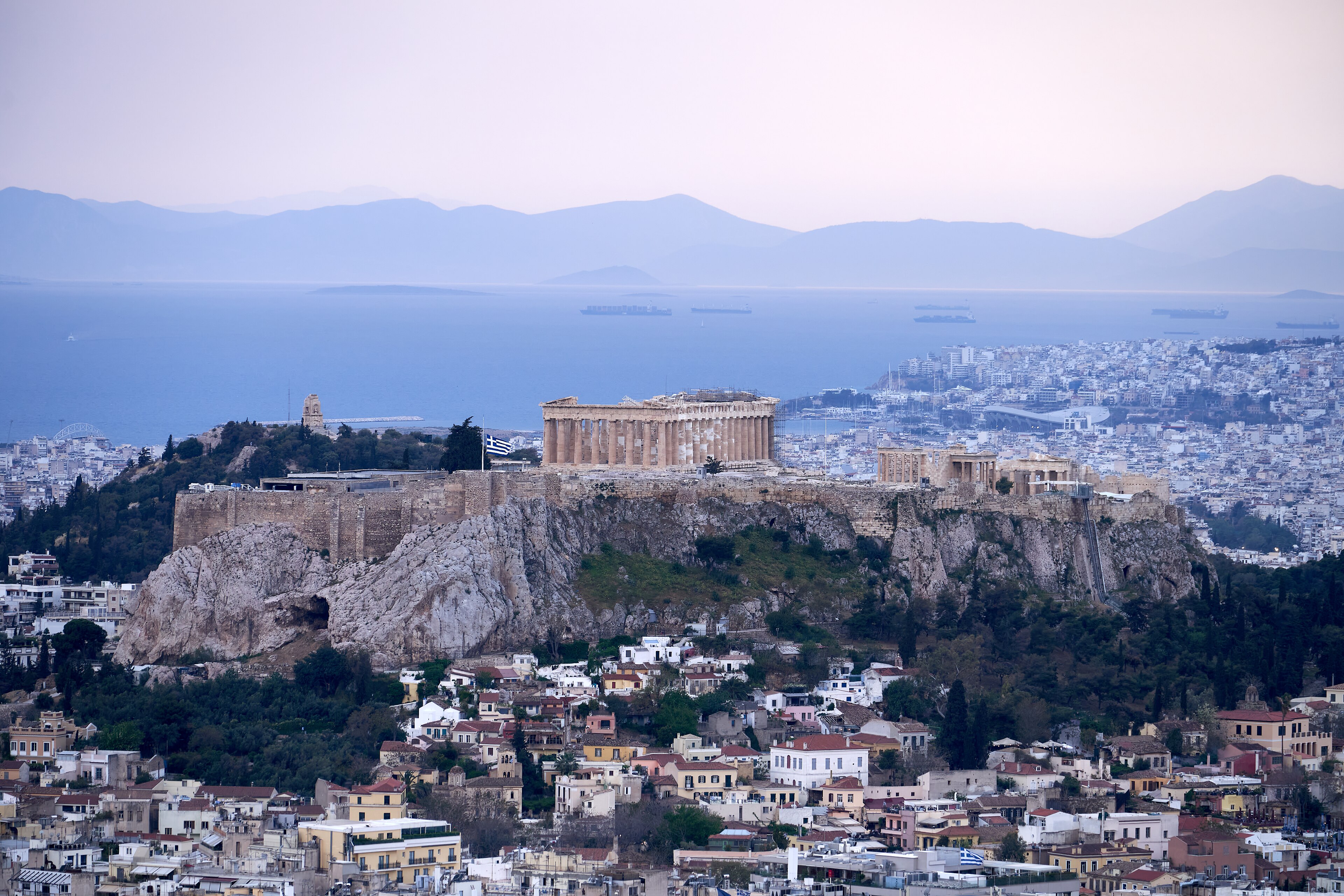
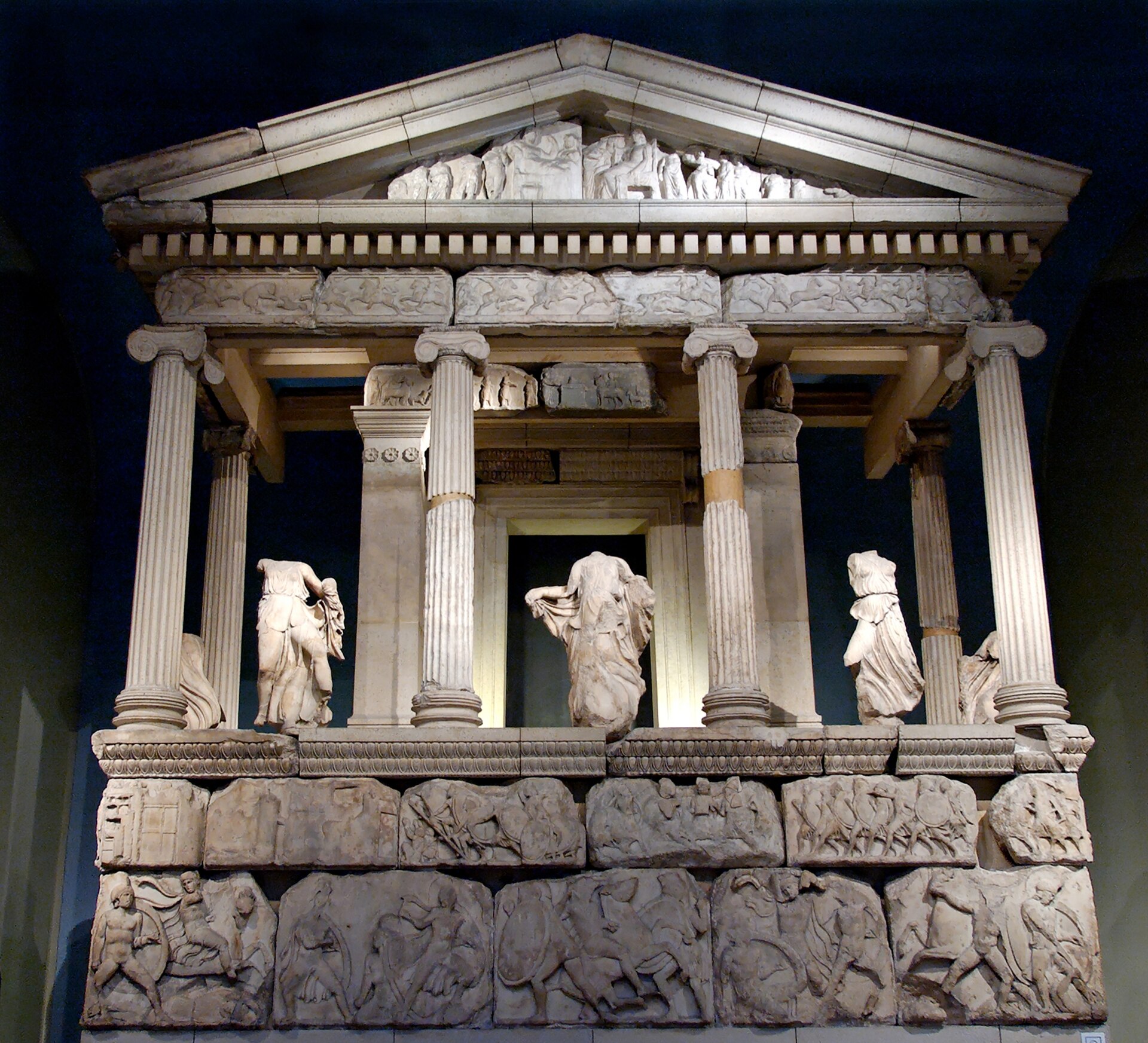
Arbinas wasn't Greek, but he chose to be buried in a tomb modelled on the Ionic temples of the Acropolis of Athens - the most prestigious architectural language of the age. It was a deliberate statement: I am a ruler of the ancient east, but I move in the world of the Greeks. I belong to both.
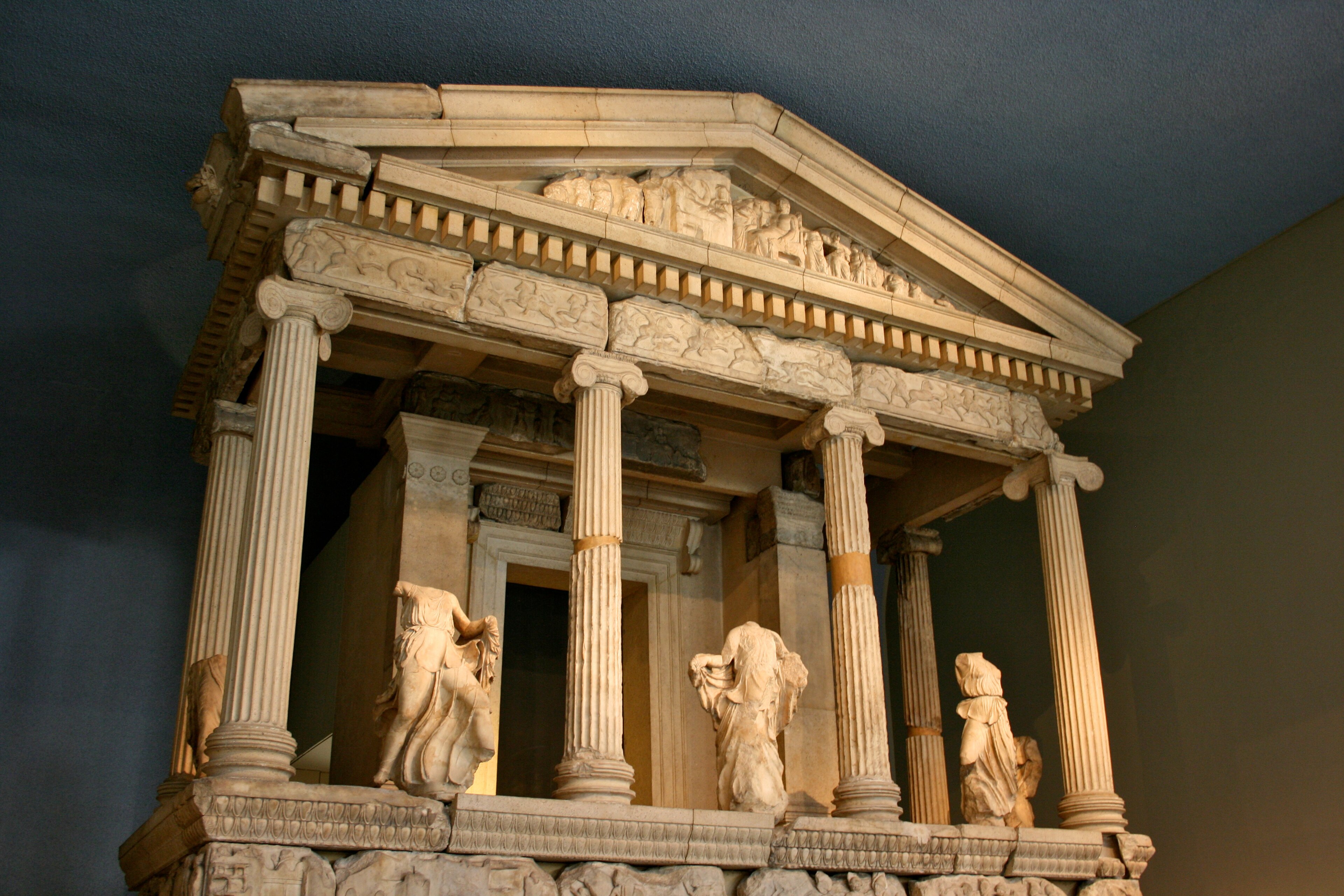
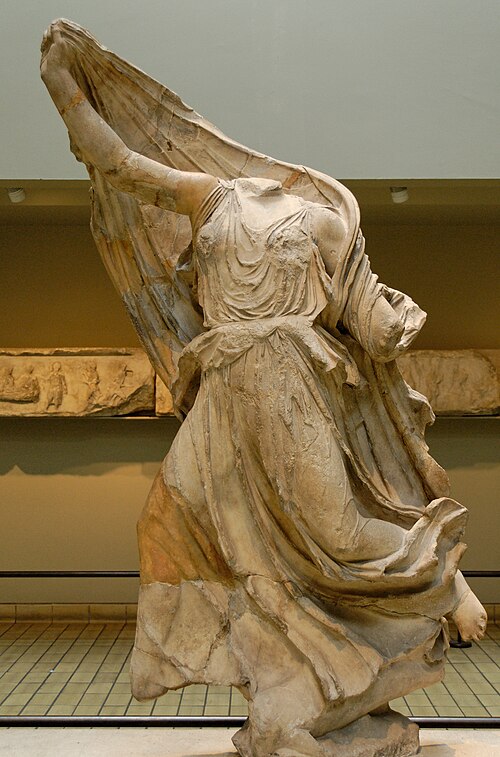
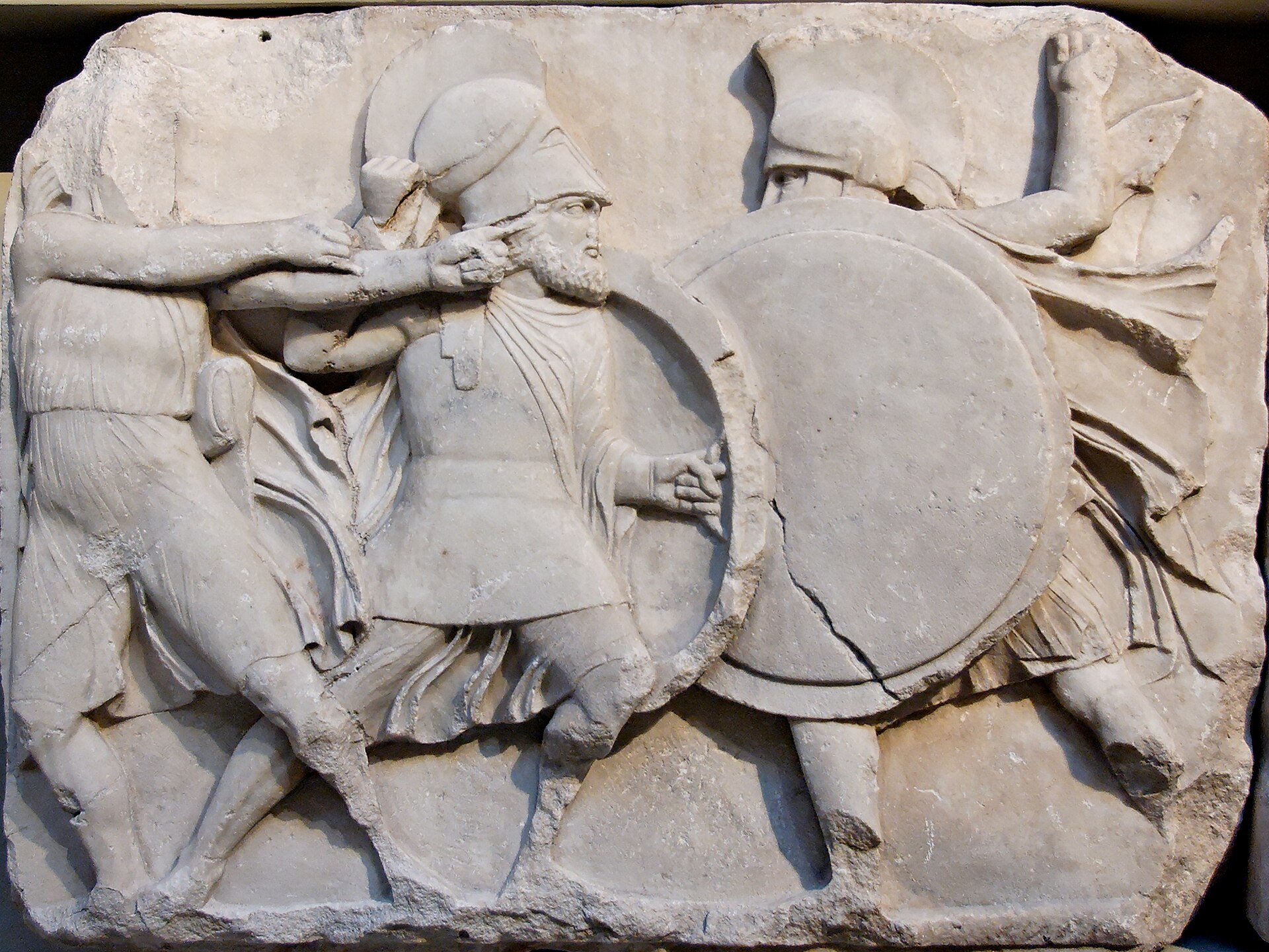
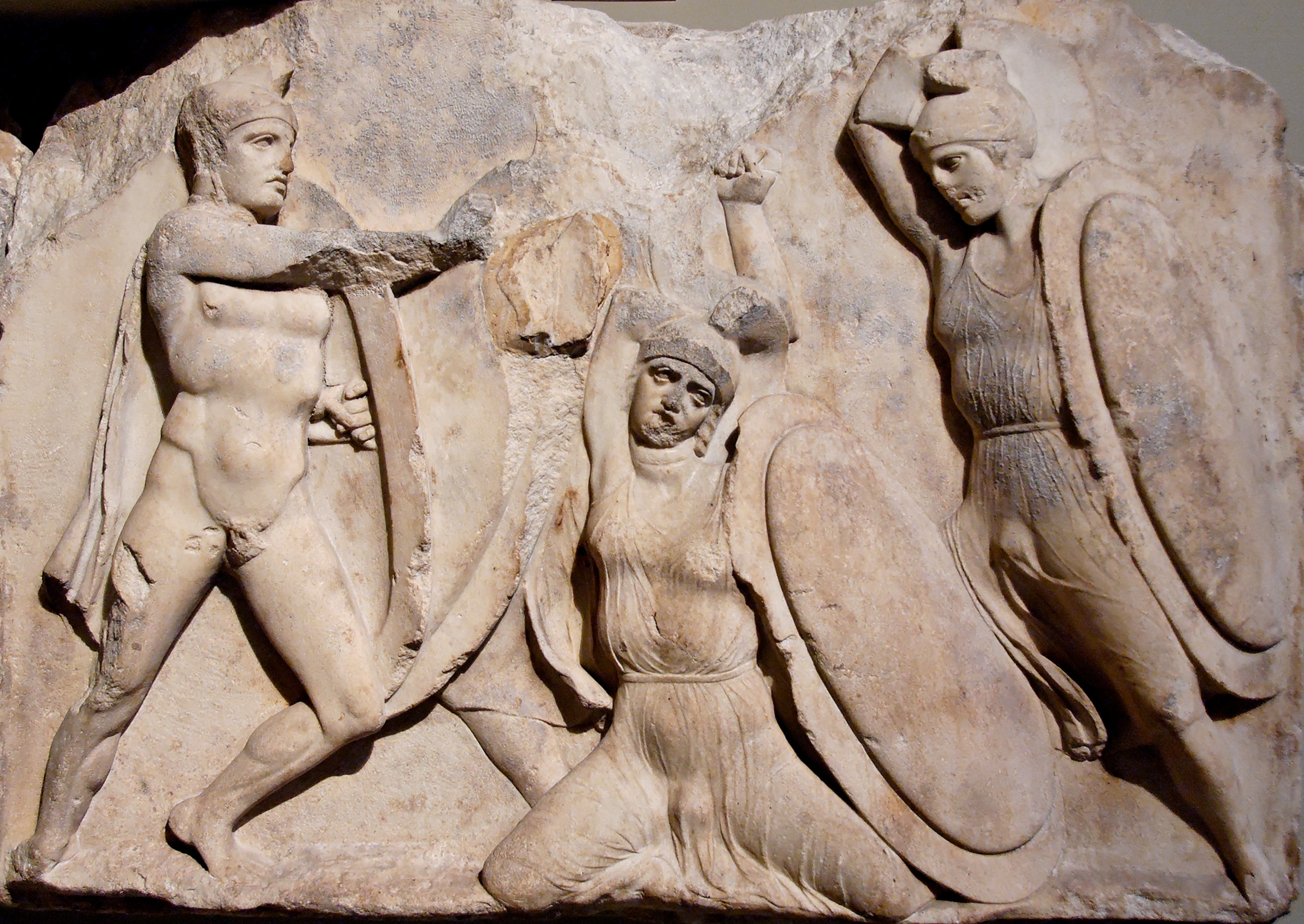
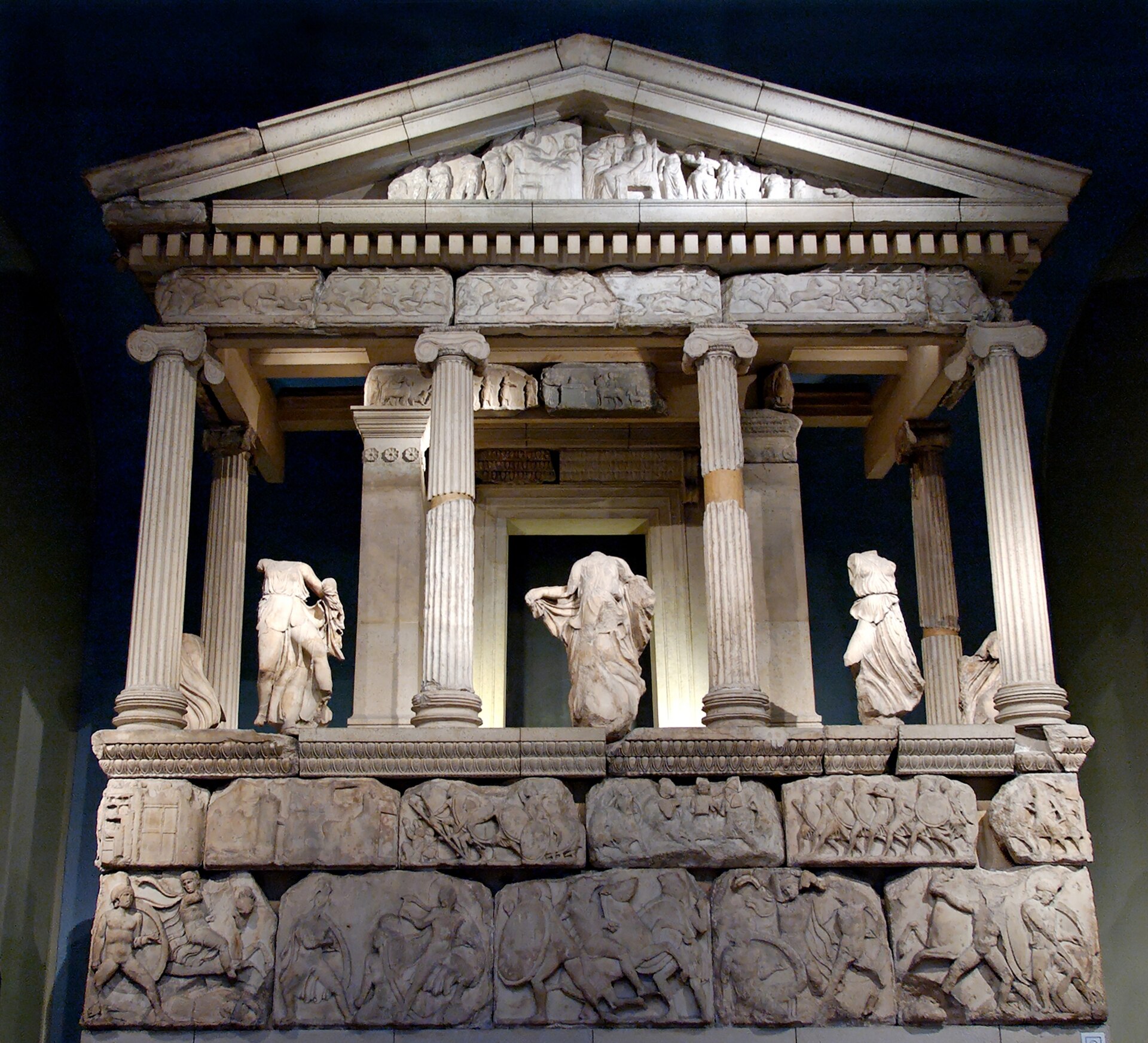
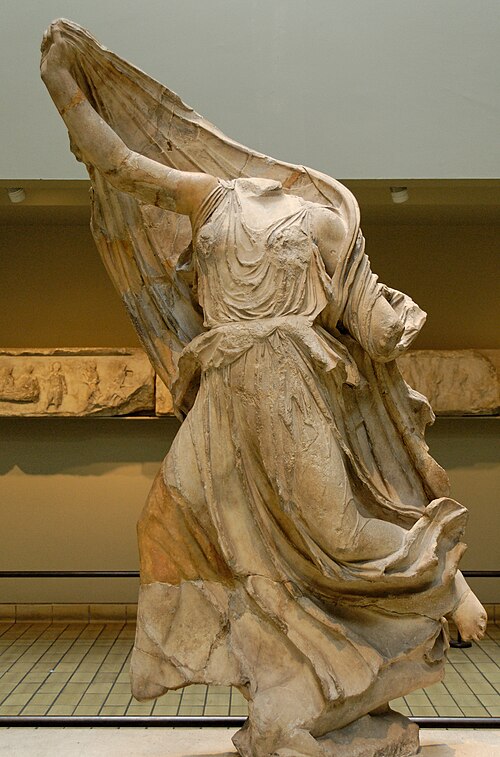
The friezes running around the walls of the room show heroic battle scenes - either legendary or biographical. The statues standing between the columns are Nereids - sea nymphs from Greek mythology. They are among the most dynamic sculptures in the museum - caught between stillness and motion in a way that feels almost modern - and could perhaps recall the Victory of Samothrace now in the Louvre.
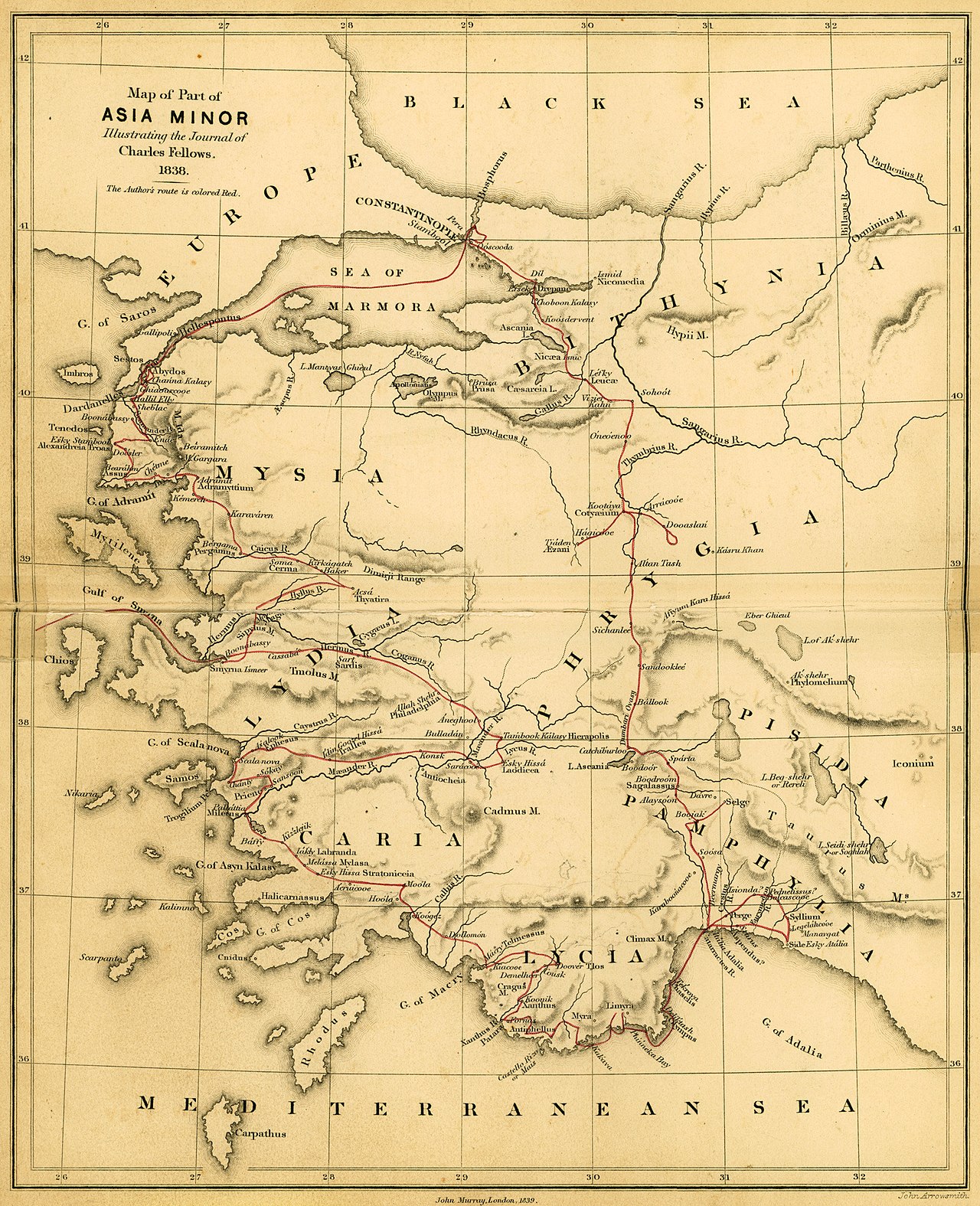
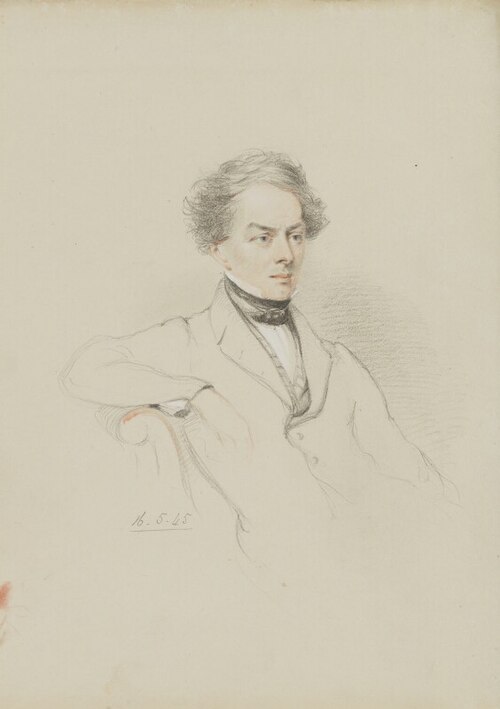
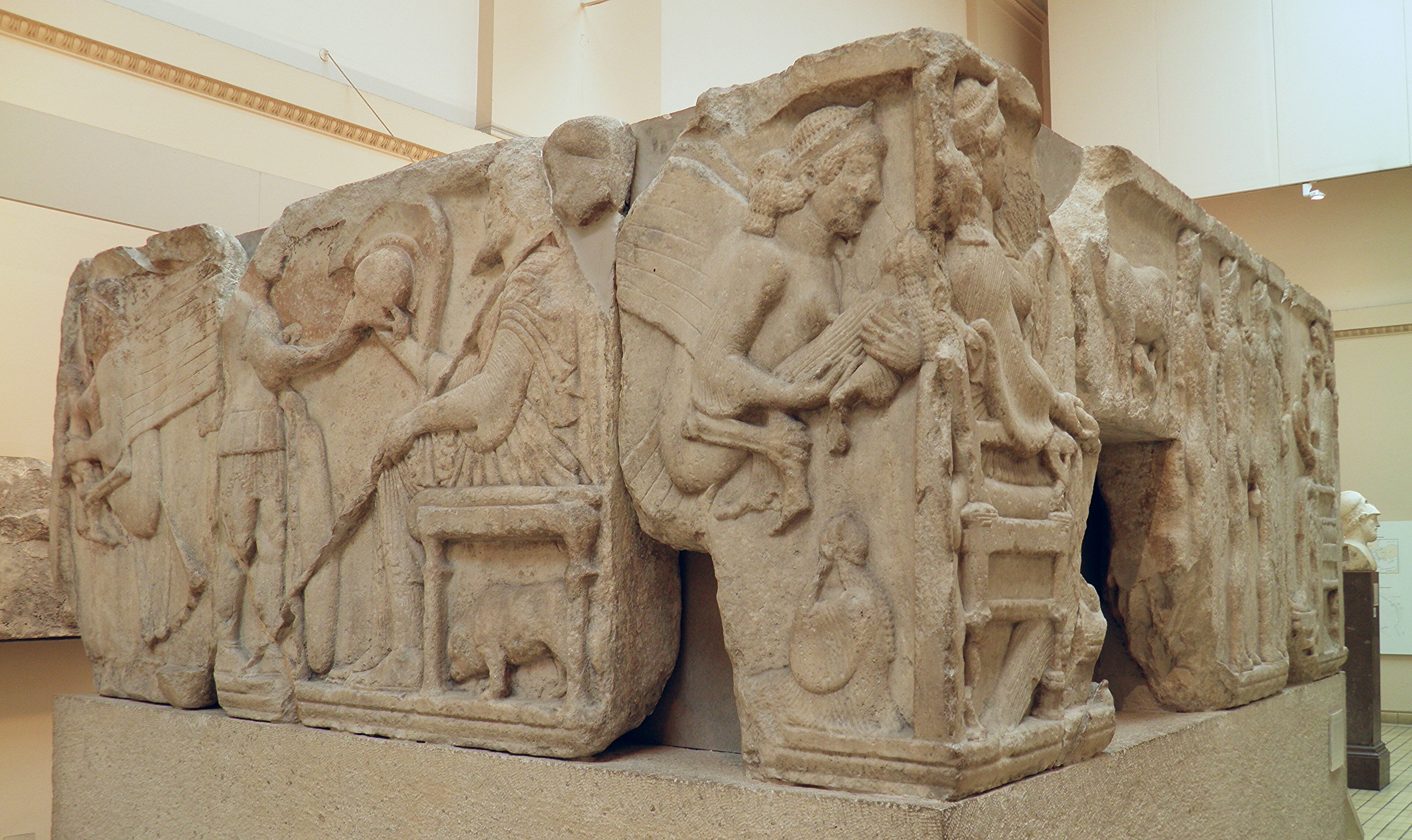
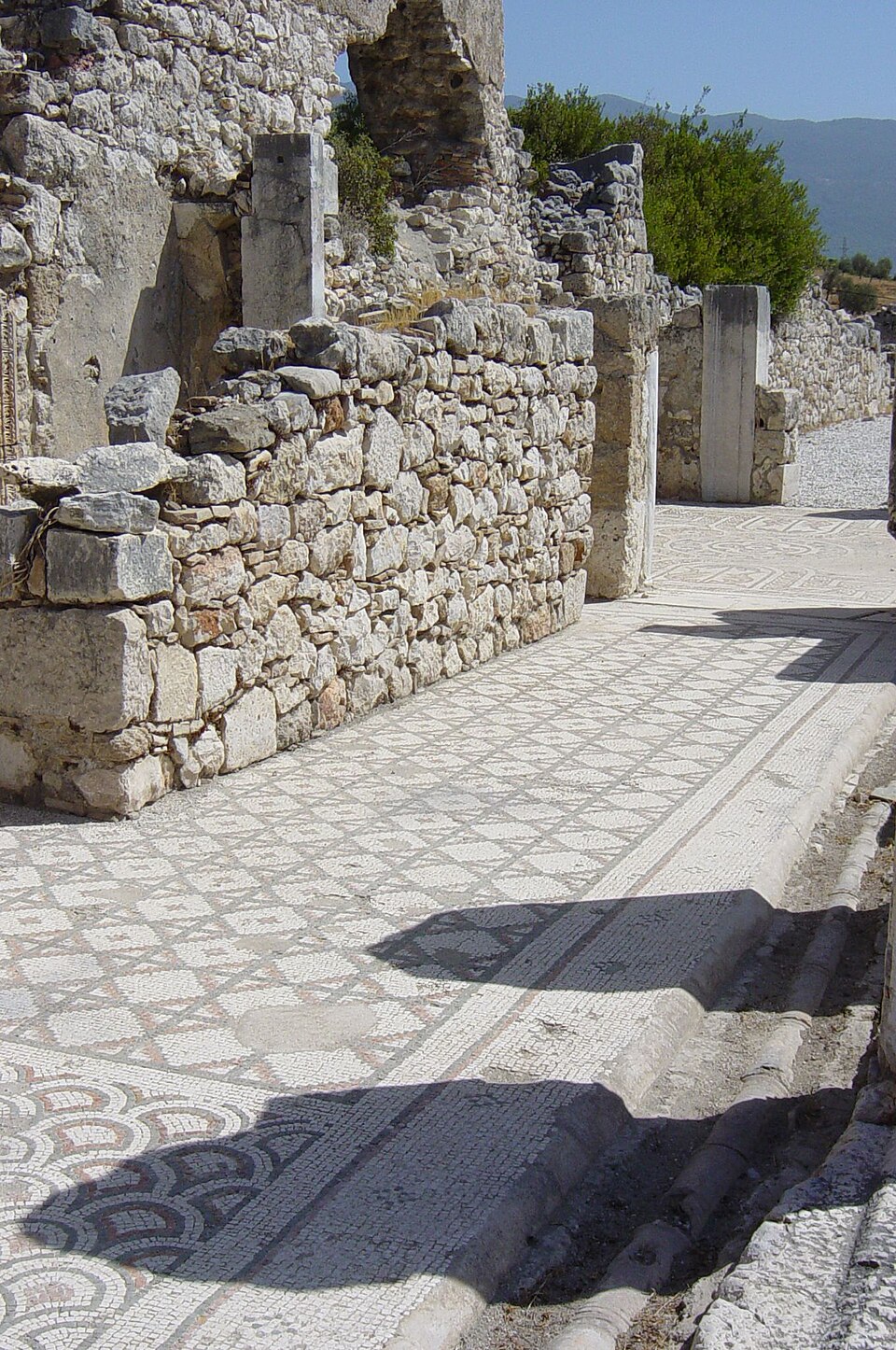
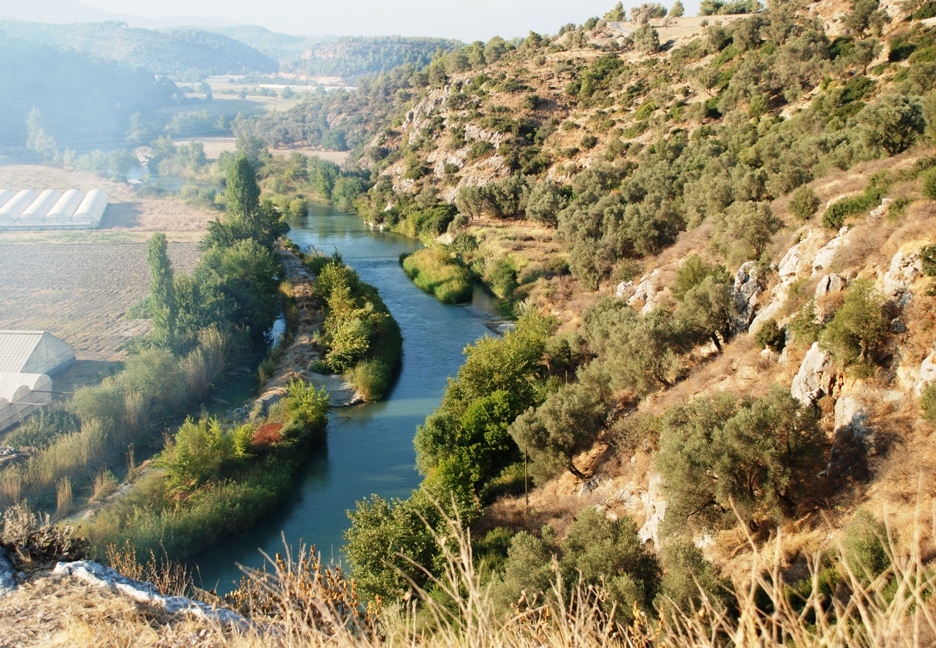
In 1838, a British adventurer named Charles Fellows discovered the lost city of Xanthos, along with more than 20 other Lycian towns that had effectively vanished from European knowledge. The publication of his journal aroused great interest at the British Museum, which requested he bring artefacts back to England on subsequent voyages. He returned in 1840 and supervised the removal of more than 70 tons of art, which were shipped to London - creating a sensation similar to the Elgin Marbles forty years earlier - and which are now our next stop. The ethics of that removal, like the Elgin Marbles, remain a live and contested question.
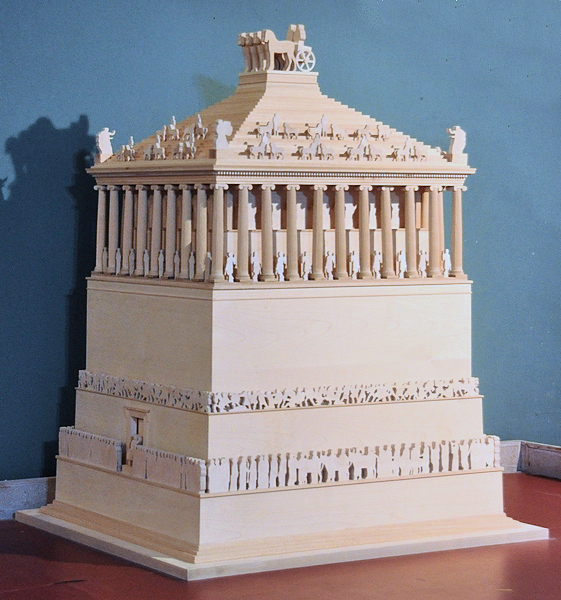
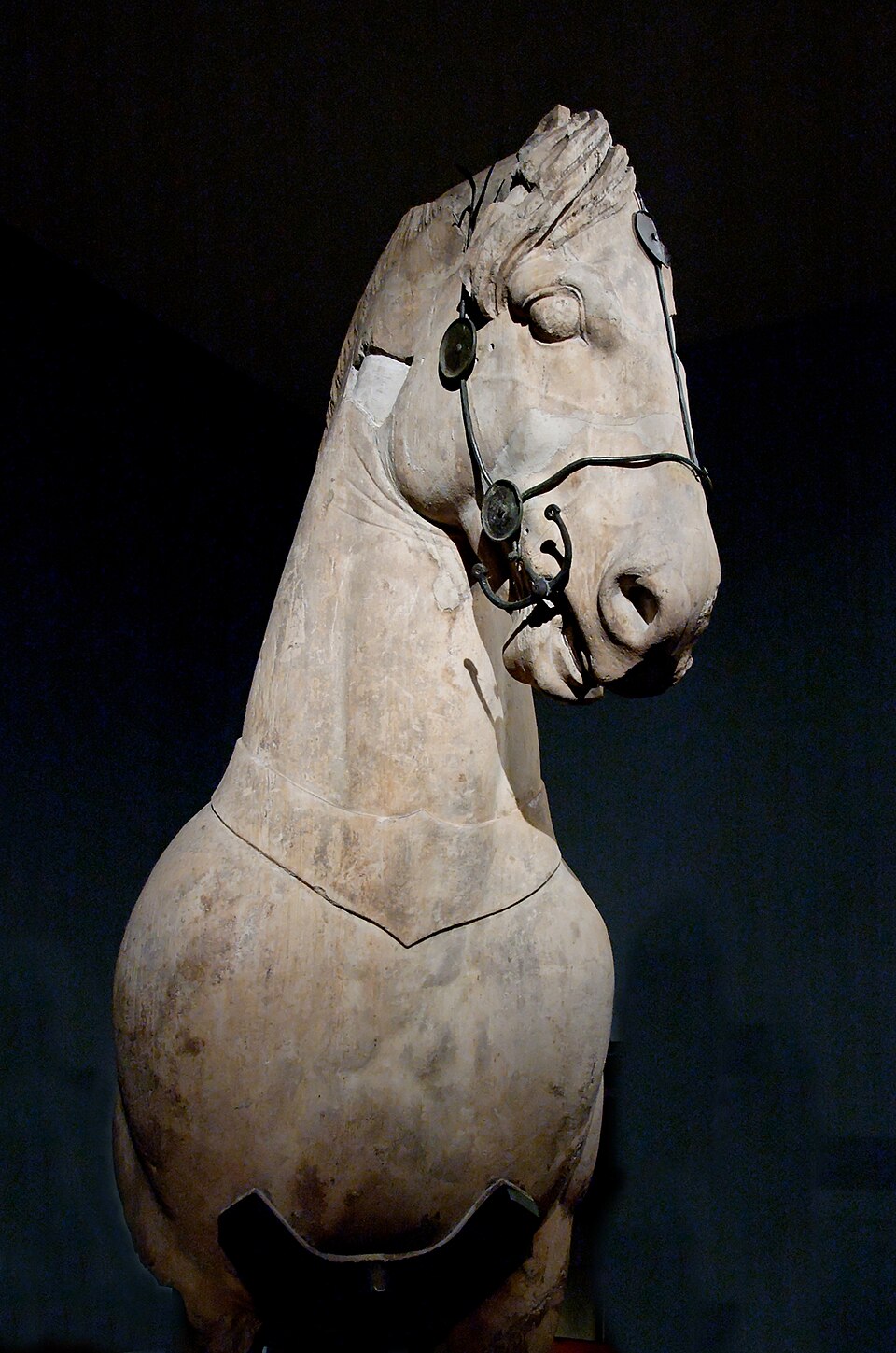
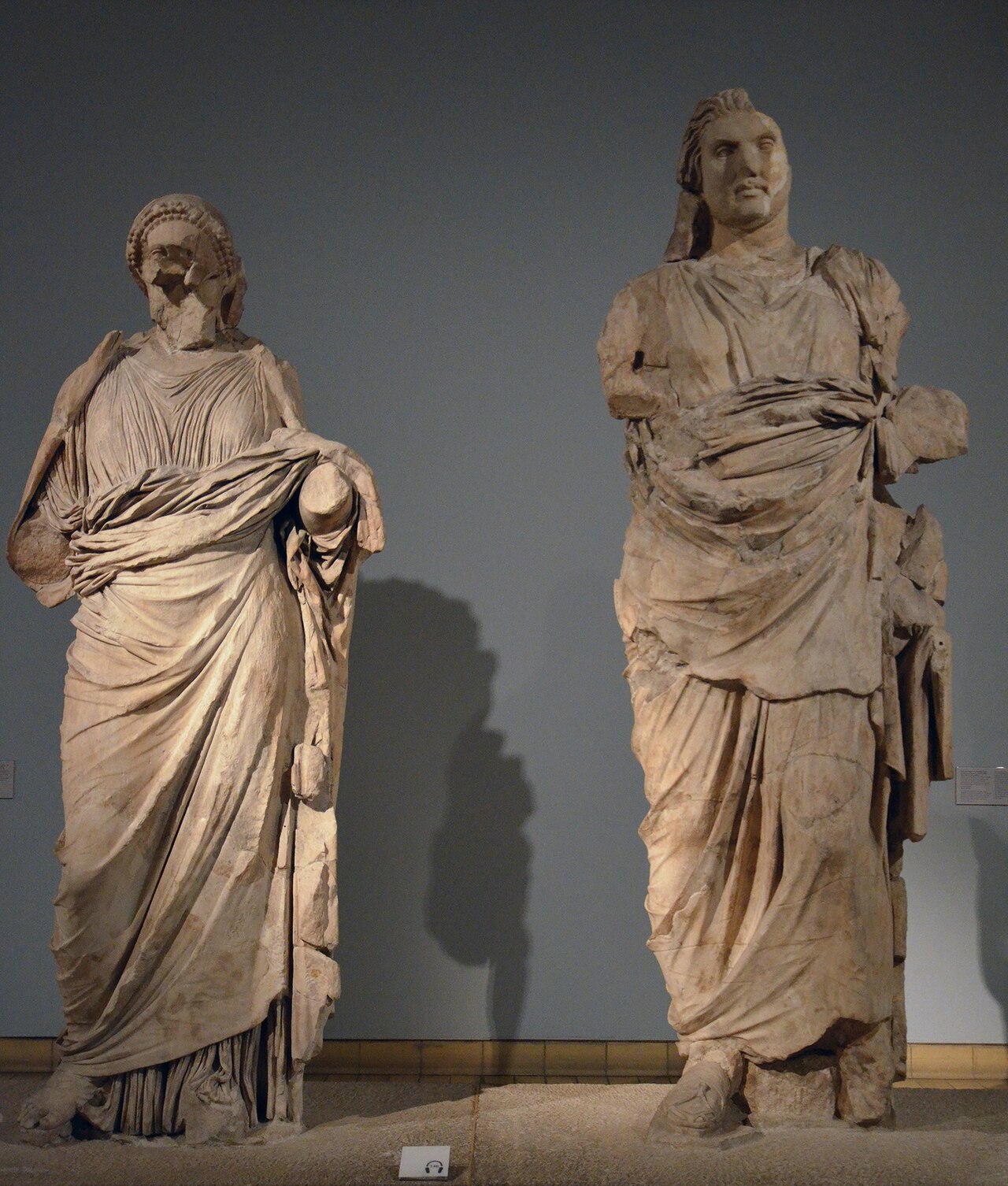
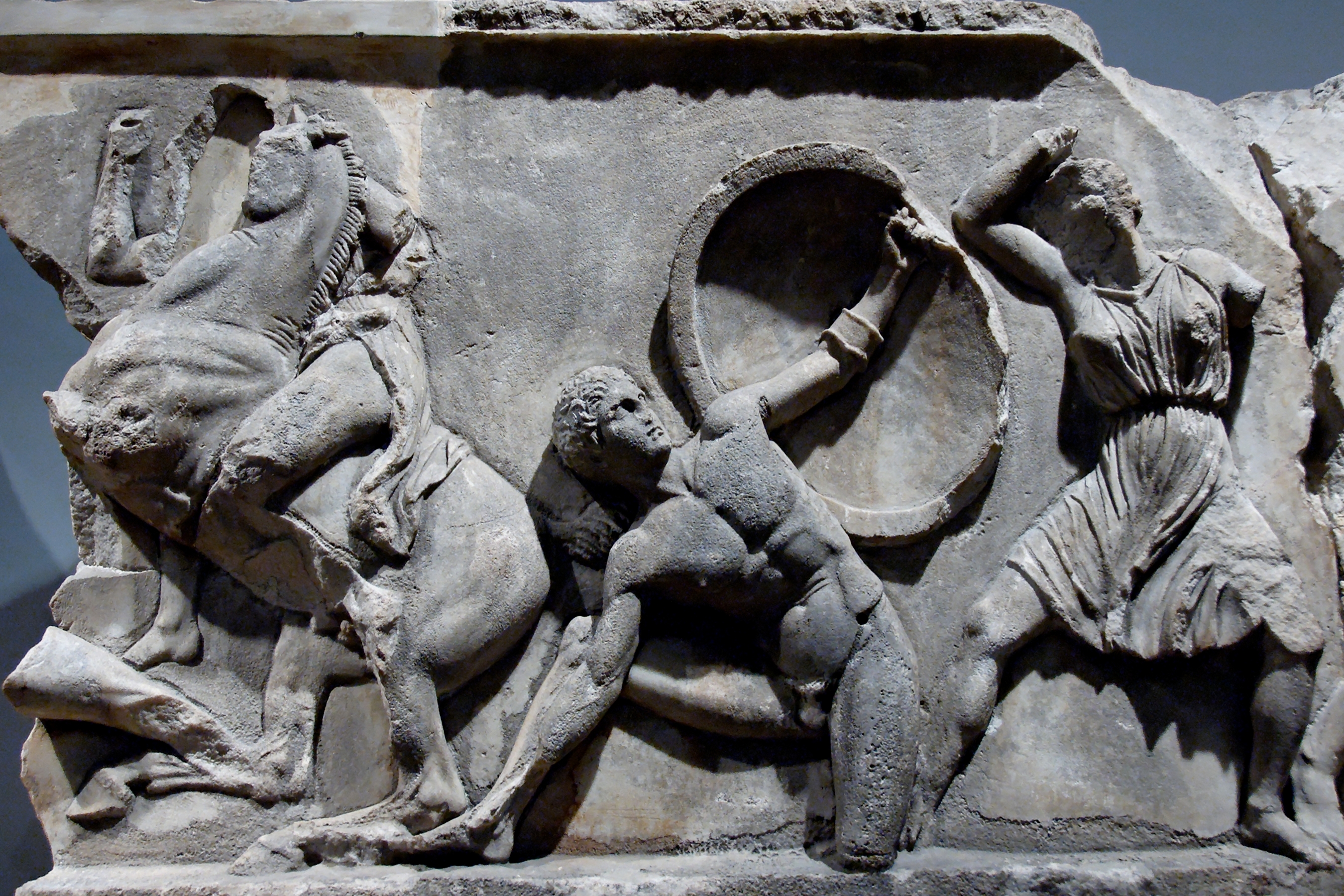
Fun fact : this tomb may have inspired the better-known Mausoleum at Halicarnassus in the previous room - one of the Seven Wonders of the Ancient World - built just decades later.
Part of the Neireid Monument remains in Turkey, in the dust, under the open sky.
Comments
Loading comments...