WALKS OF ART
The Sarcophagus of Ankhnesneferibre


The Sarcophagus of Ankhnesneferibre

Unknown · c. 530 BCRoom 4
PreviousNext

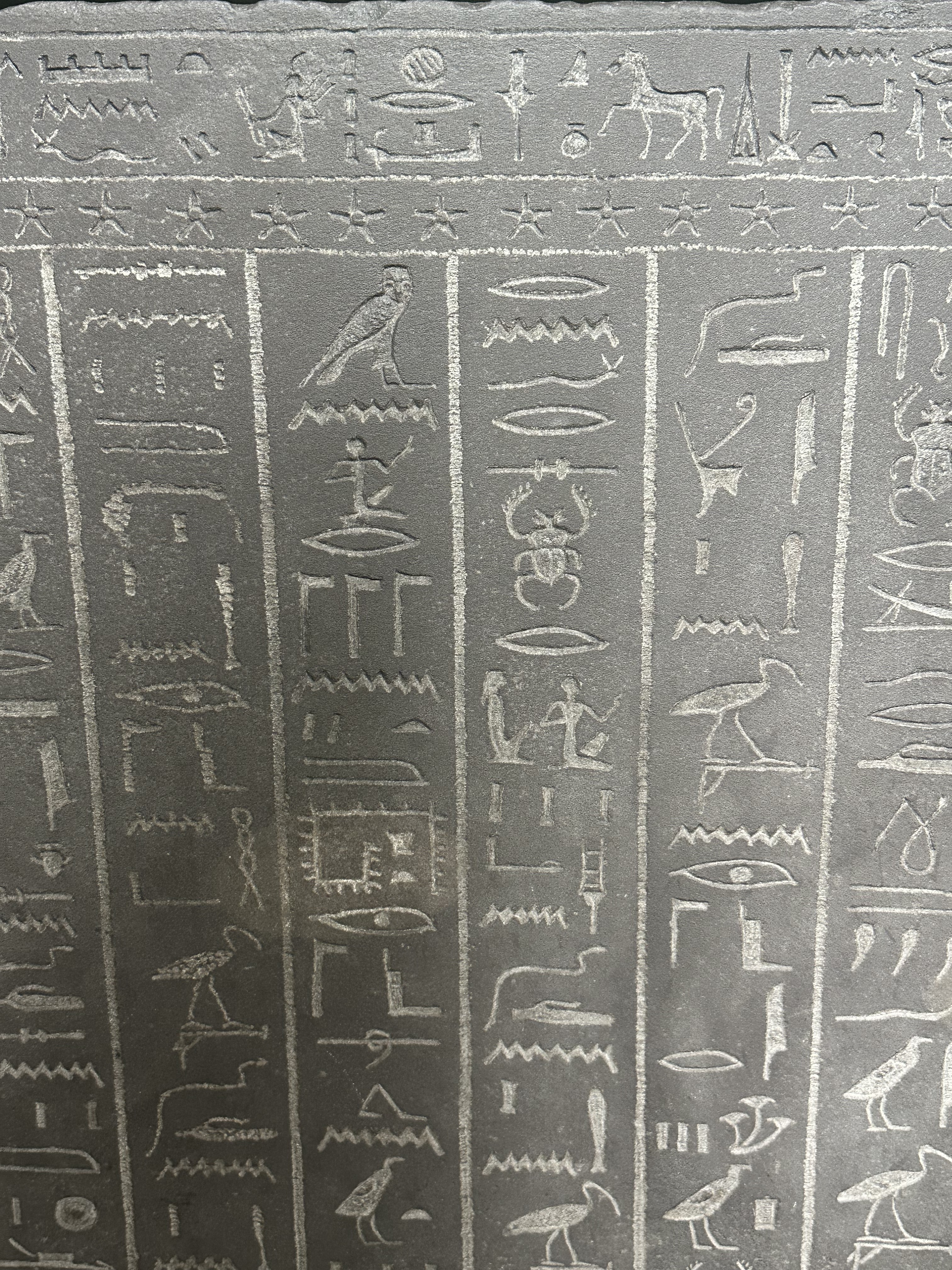
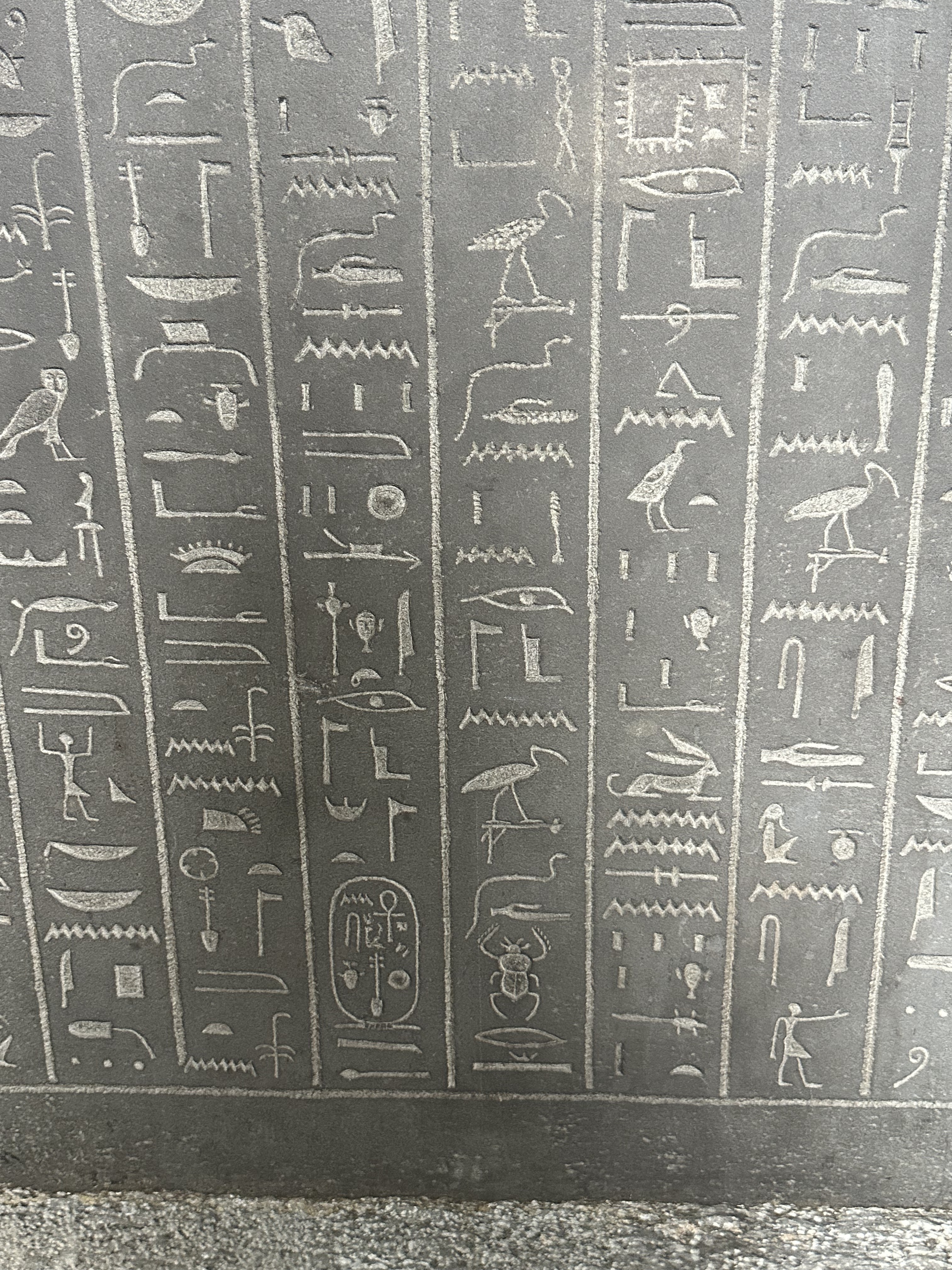
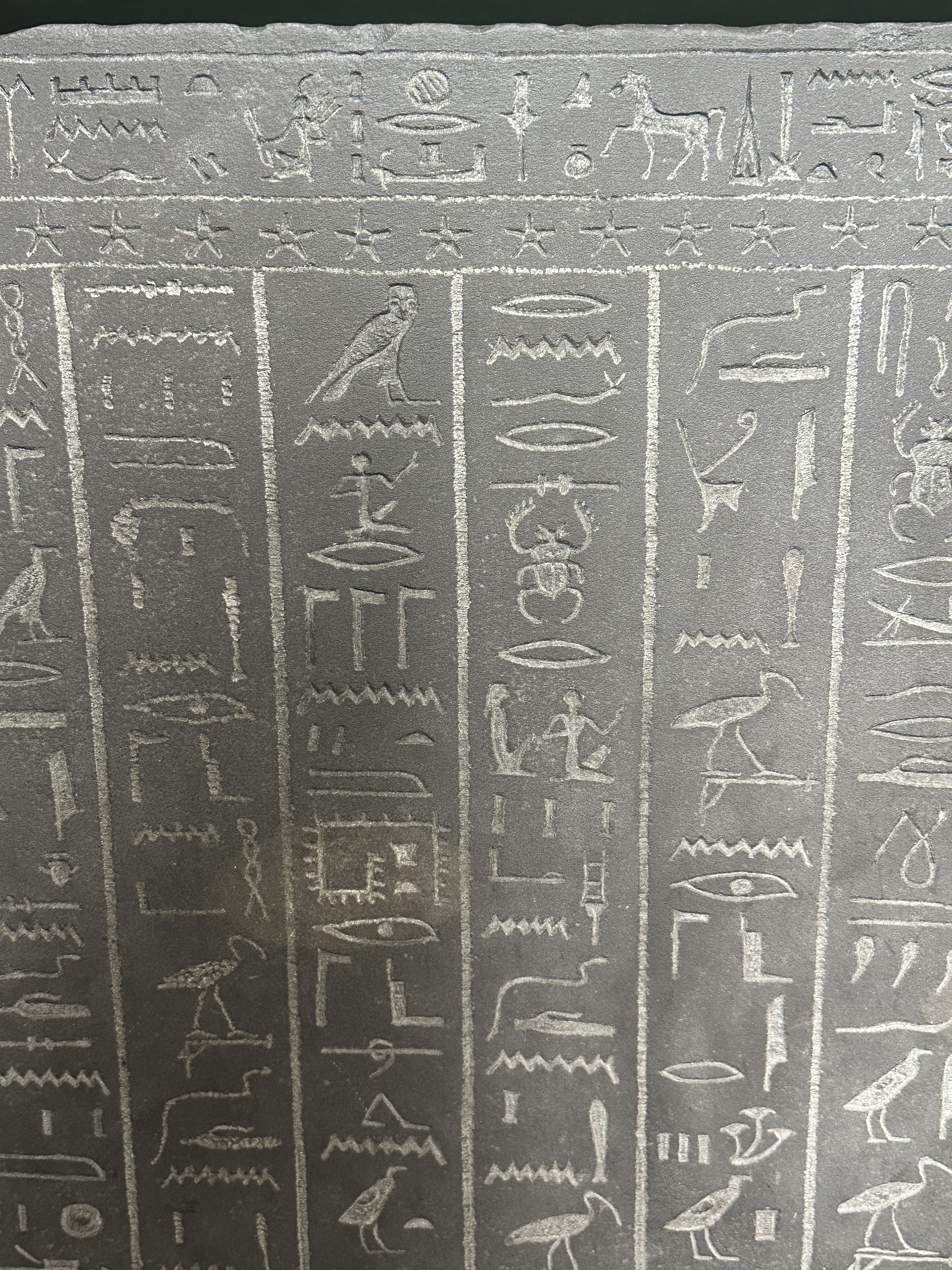
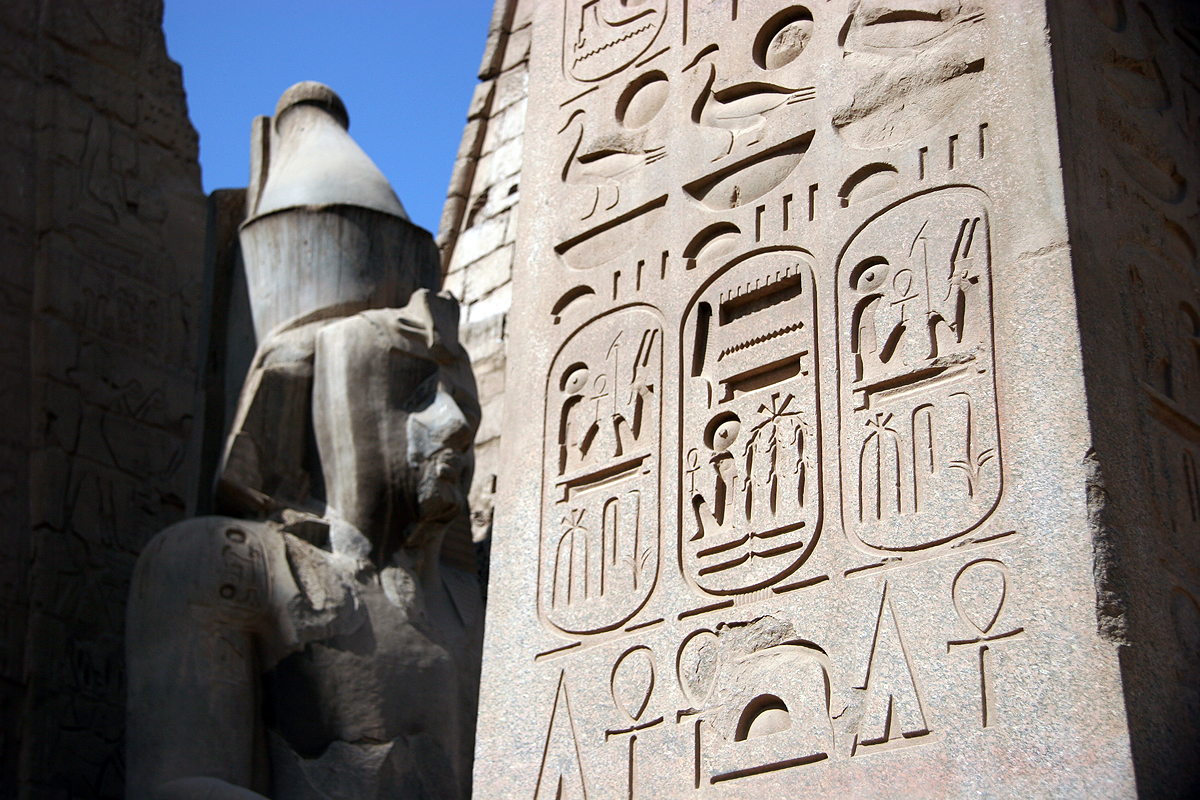
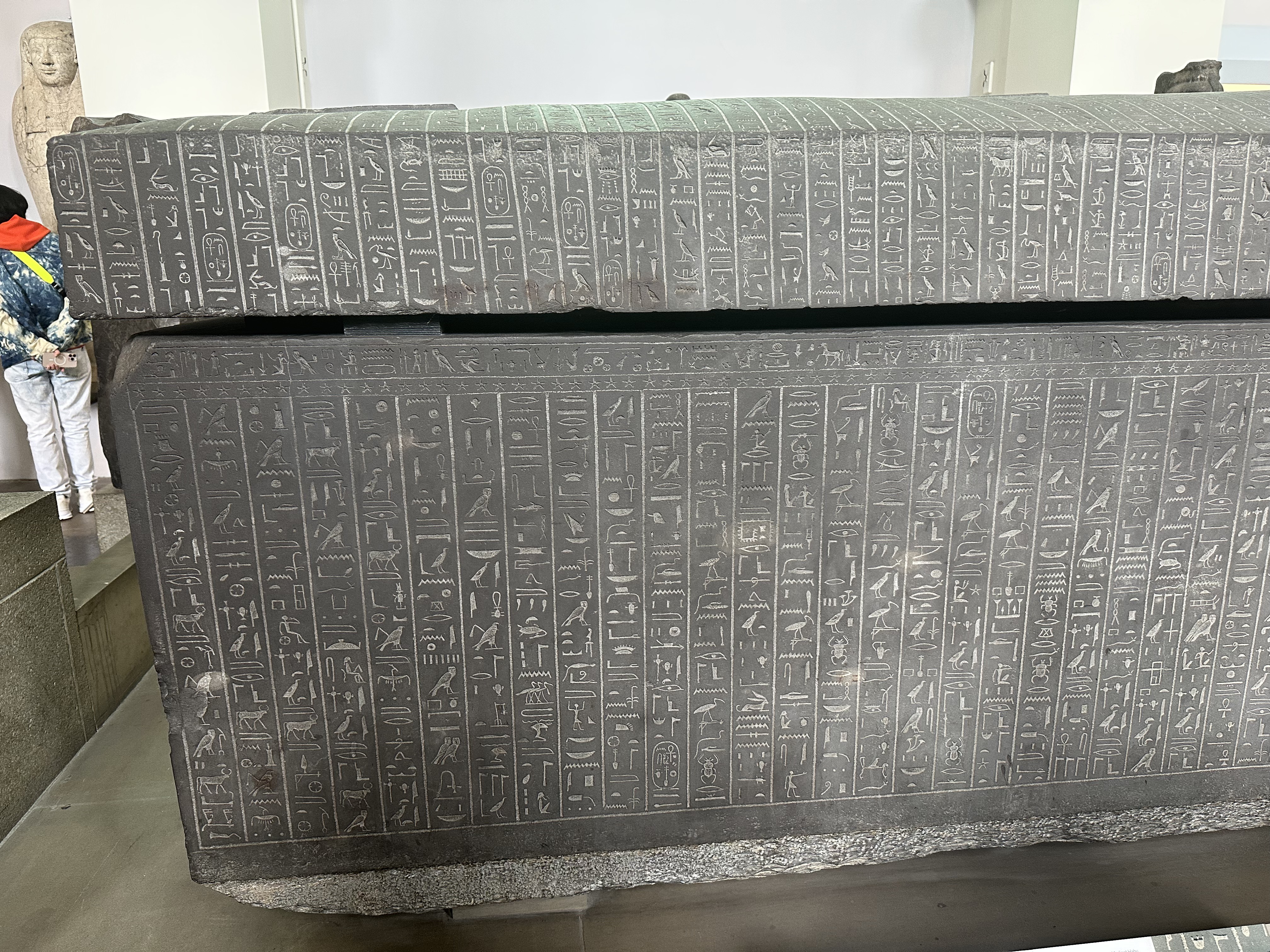
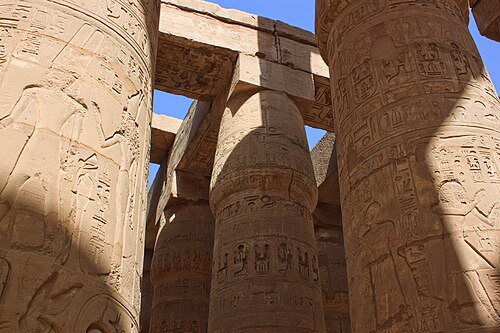
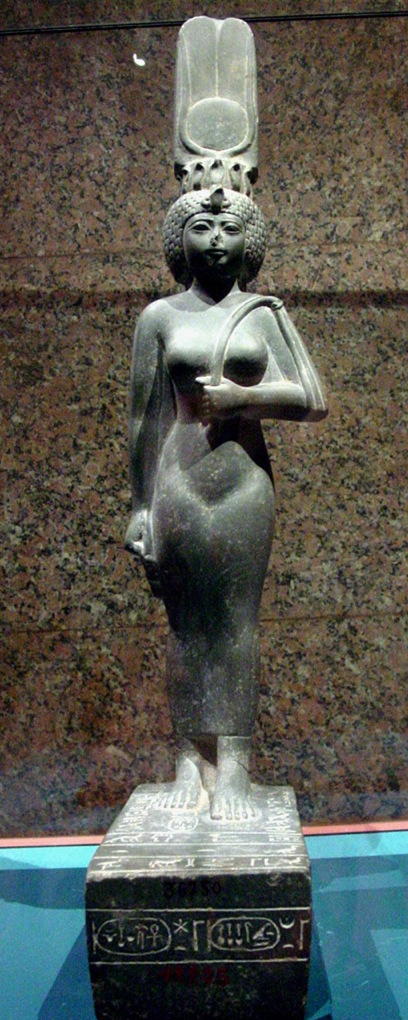
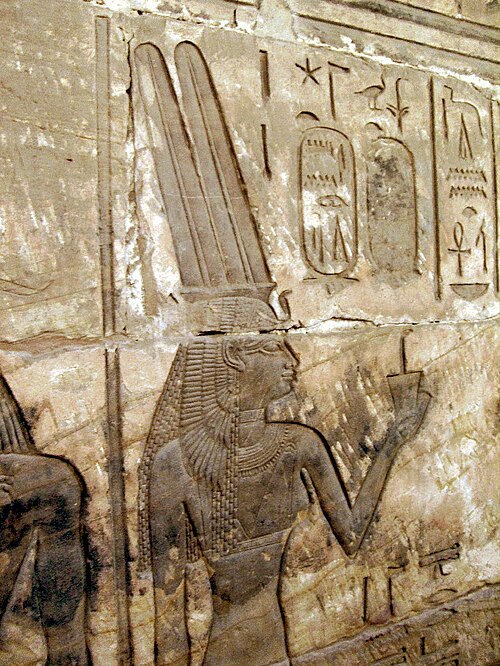
Our next stop is a perfect excuse to talk about hieroglyphics (after having seen the Rosetta stone!) This is the black siltstone sarcophagus of Ankhnesneferibre - a princess and priestess of the 26th Dynasty, daughter of Pharaoh Psamtik II. Hieroglyphs cover every surface - prayers and invocations to the gods.
The Sarcophagus of Ankhnesneferibre — image 1
The Sarcophagus of Ankhnesneferibre — image 2
The Sarcophagus of Ankhnesneferibre — image 3
The Sarcophagus of Ankhnesneferibre — image 4
The Sarcophagus of Ankhnesneferibre — image 5
1 / 5

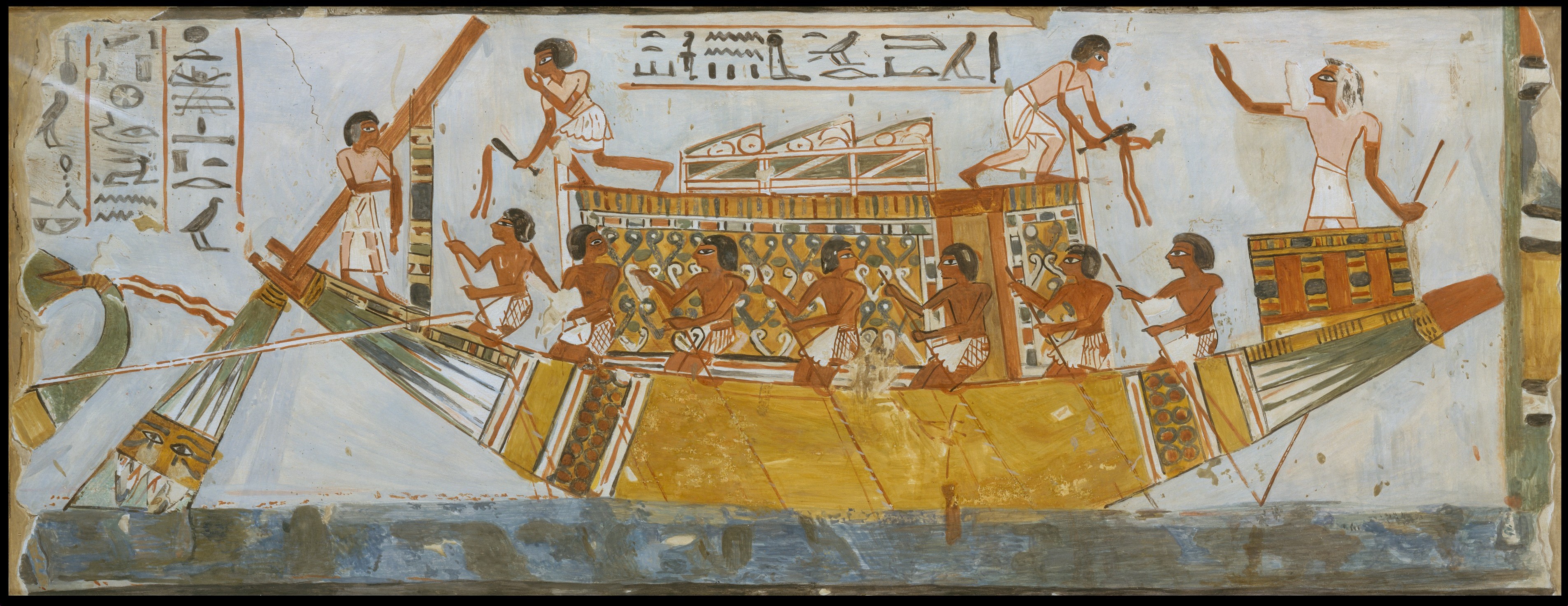
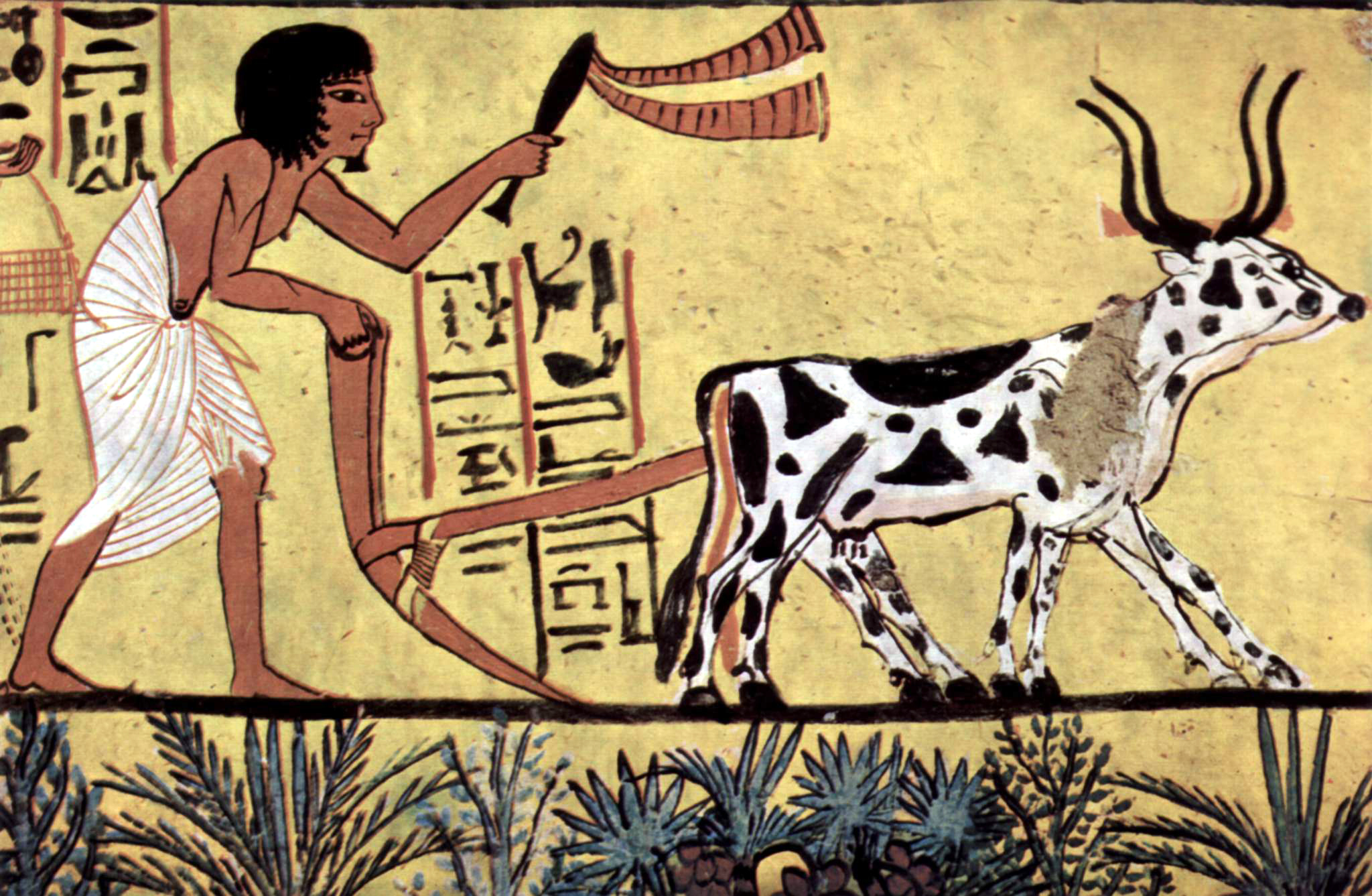
Ankhnesneferibre held the title of God's Wife of Amun from around 600 BC to 520 BC - serving through the reigns of 4 pharaohs, making her one of the most enduring political figures of her era. By the later period of Ancient Egypt, the priestesses held power equal to a pharaoh, effectively ruling Upper Egypt from Thebes. They managed vast estates tied to the temple of Amun, controlling land, agriculture, and large workforces of farmers, weavers, scribes and administrators.
The Sarcophagus of Ankhnesneferibre — image 1
The Sarcophagus of Ankhnesneferibre — image 2
The Sarcophagus of Ankhnesneferibre — image 3
The Sarcophagus of Ankhnesneferibre — image 4
The Sarcophagus of Ankhnesneferibre — image 5
1 / 5

The role was also a political instrument - passed not through birth but through adoption, with each incumbent choosing her successor, allowing pharaohs to project royal control deep into the powerful southern priesthood. Ankhnesneferibre was the last person ever to hold the title - the office was abolished when the Persian emperor Cambyses II conquered Egypt in 525 BC. This sarcophagus is effectively the closing chapter of one of ancient Egypt's most powerful institutions.
The Sarcophagus of Ankhnesneferibre — image 1
The Sarcophagus of Ankhnesneferibre — image 2
The Sarcophagus of Ankhnesneferibre — image 3
The Sarcophagus of Ankhnesneferibre — image 4
The Sarcophagus of Ankhnesneferibre — image 5
The Sarcophagus of Ankhnesneferibre — image 6
The Sarcophagus of Ankhnesneferibre — image 7
1 / 7

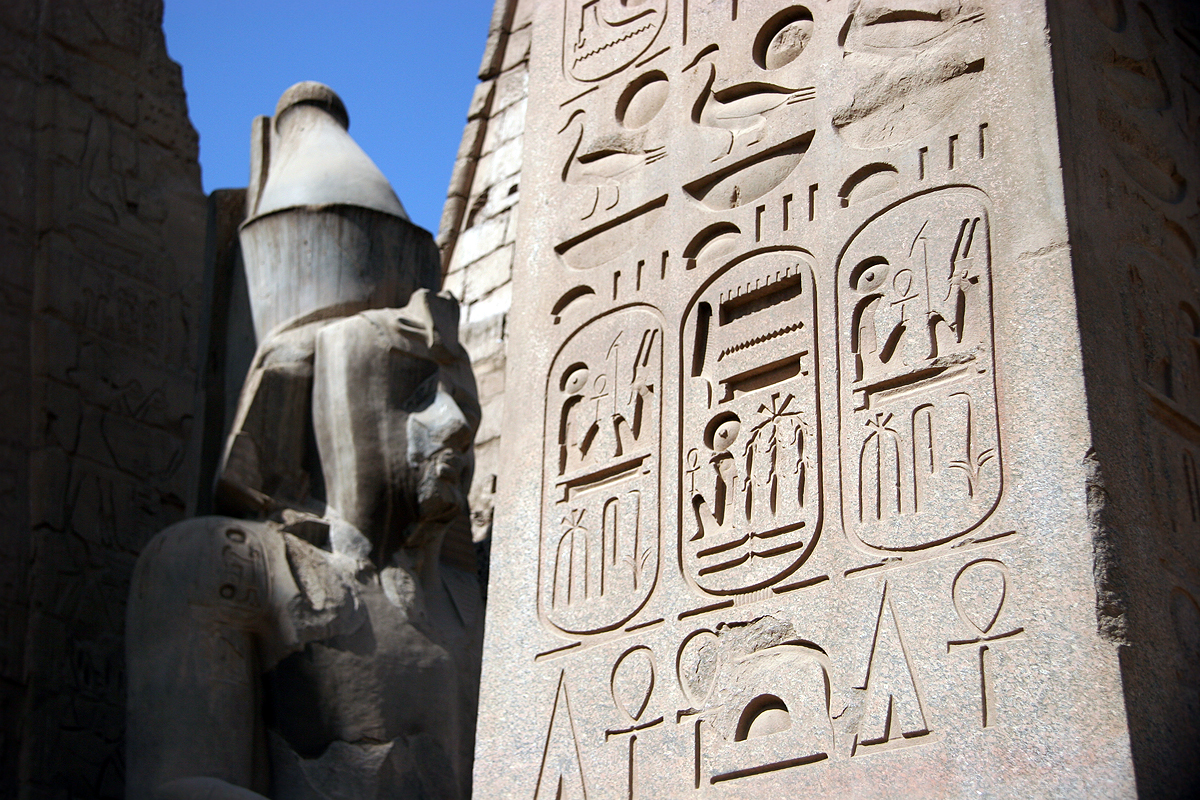
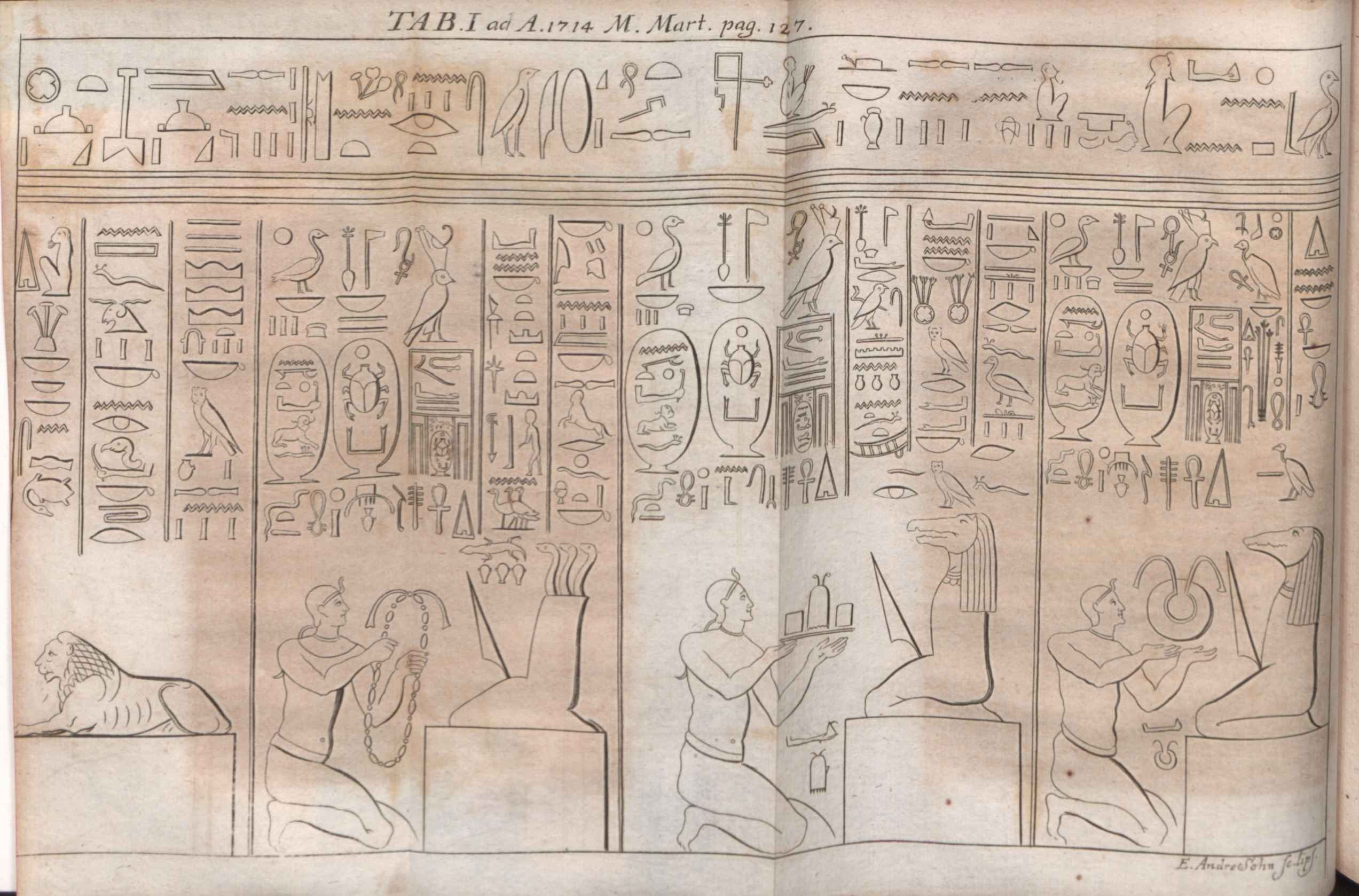
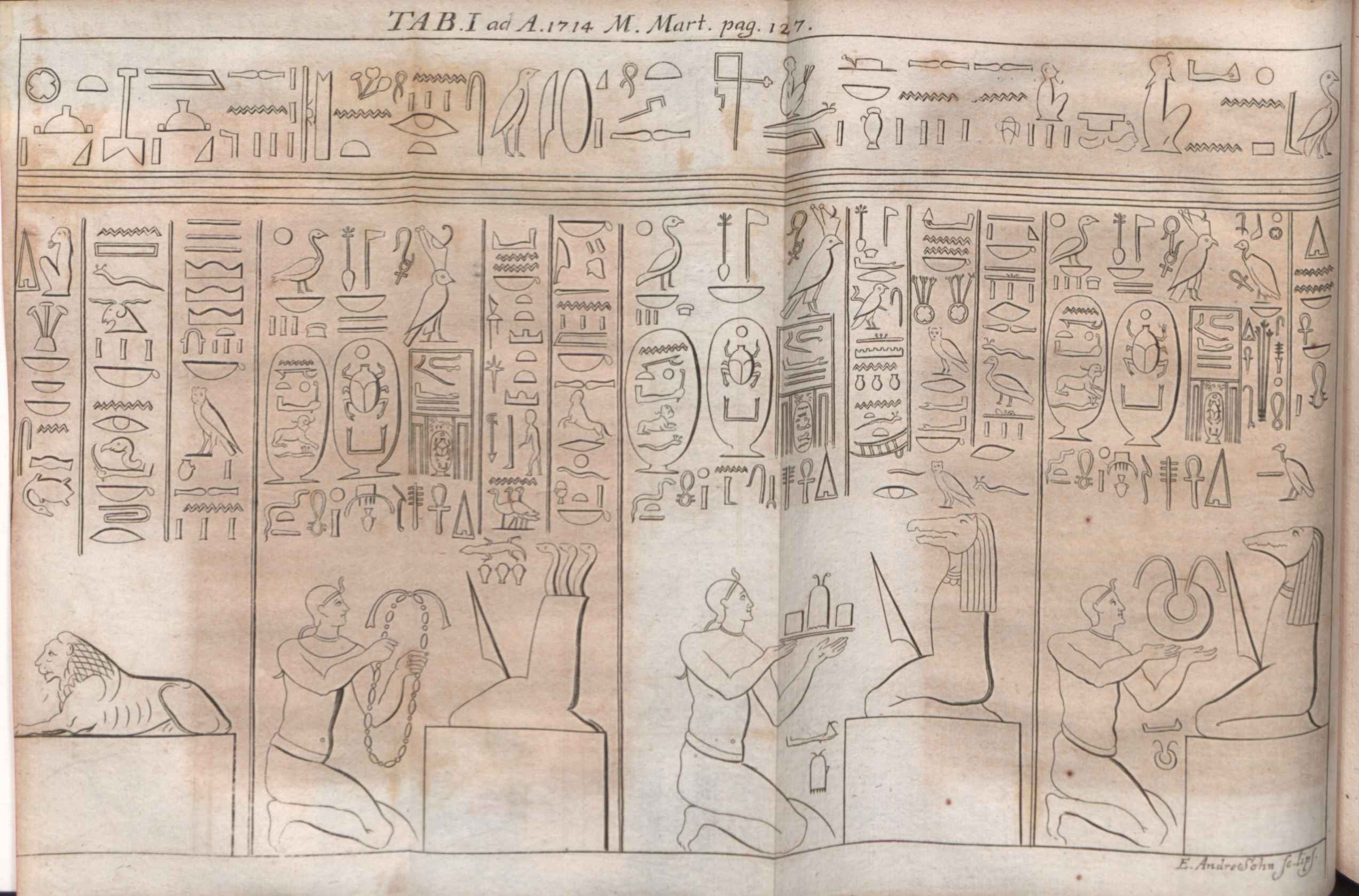
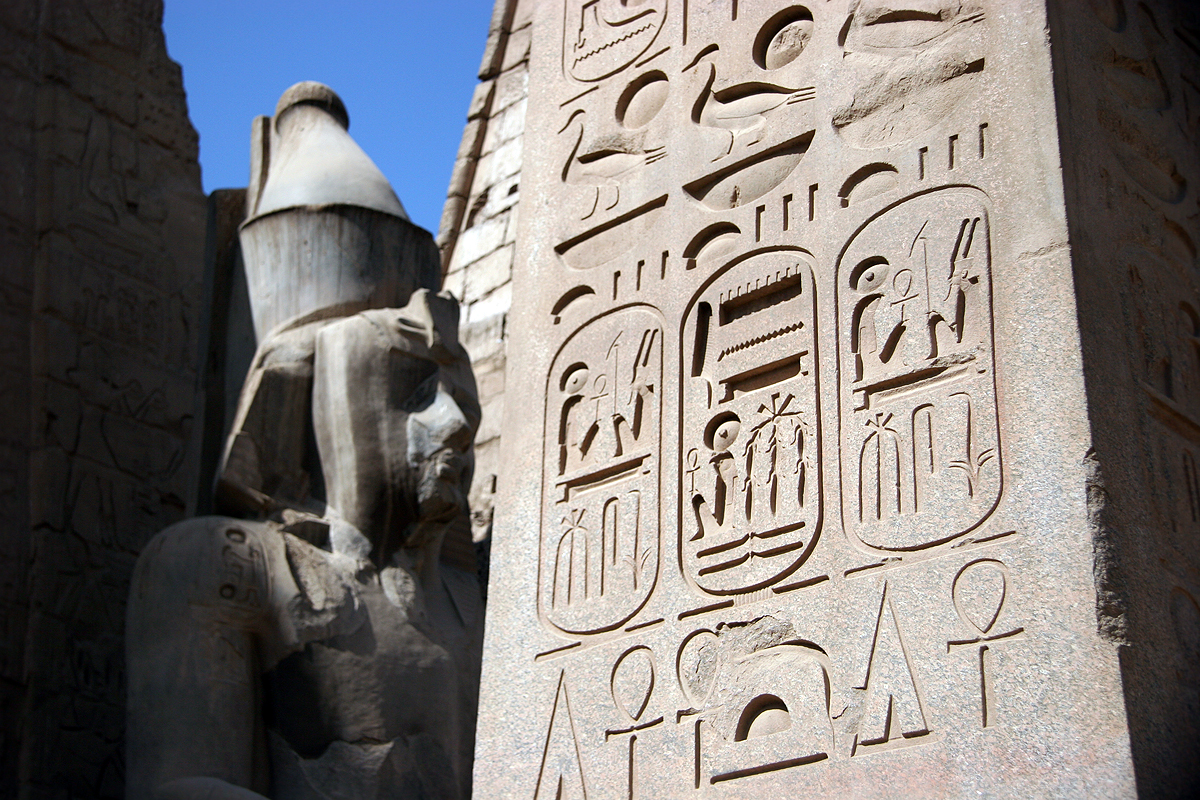
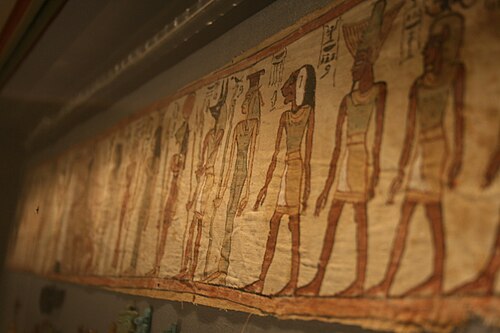
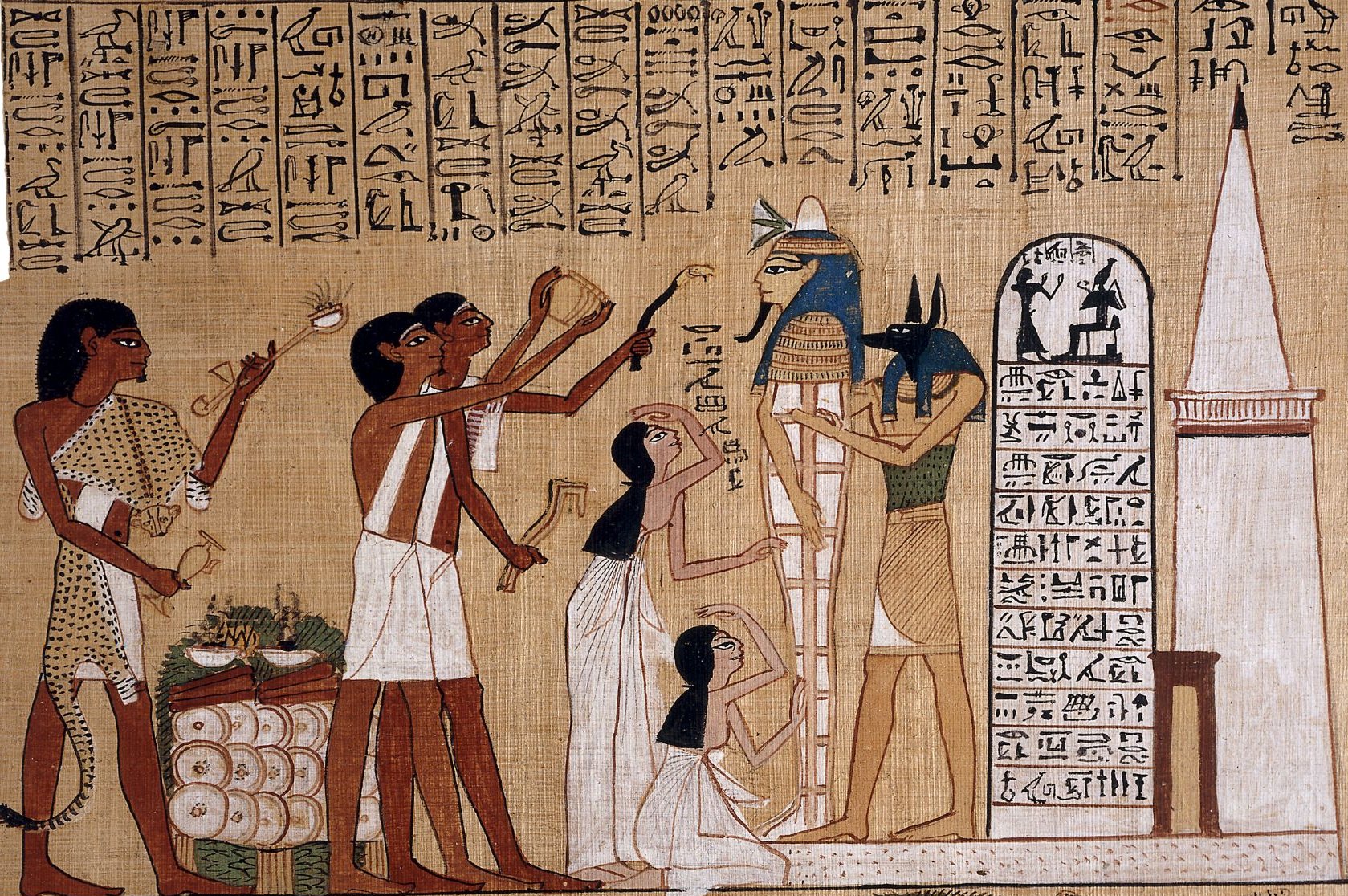
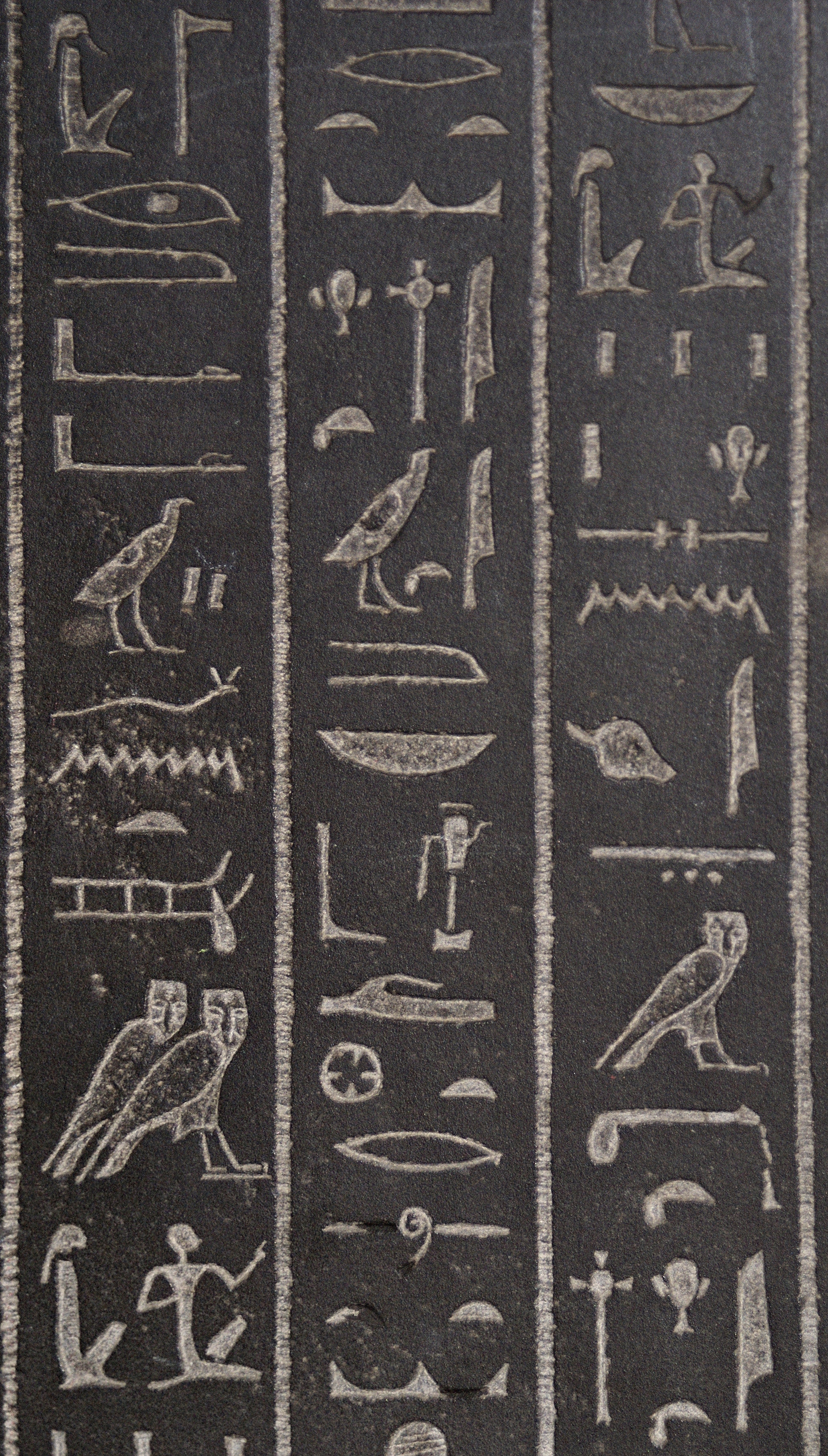
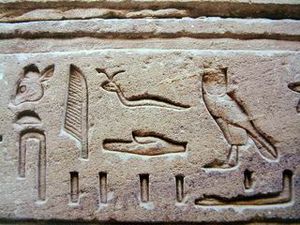
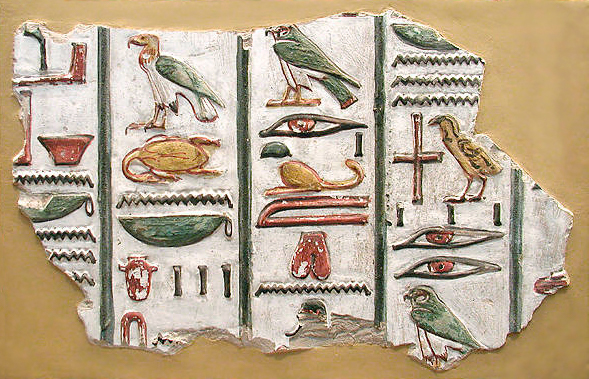
Hieroglyphic script is a hybrid system, with hundreds of characters, each representing sounds, objects or ideas - which is precisely what made it so difficult to decode. You always start reading from top to bottom. You then find which way the signs face - if the figures face right, you read right to left; if they face left, you read left to right.
The Sarcophagus of Ankhnesneferibre — image 1
The Sarcophagus of Ankhnesneferibre — image 2
The Sarcophagus of Ankhnesneferibre — image 3
The Sarcophagus of Ankhnesneferibre — image 4
1 / 4

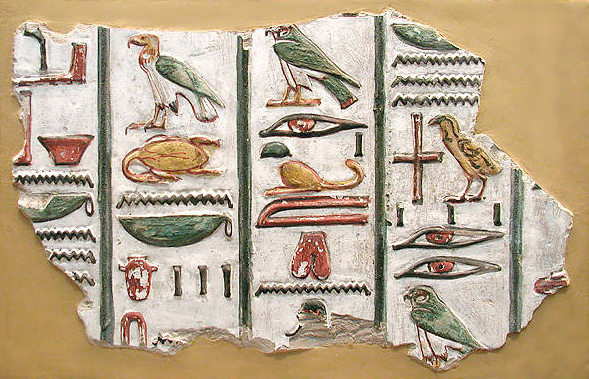
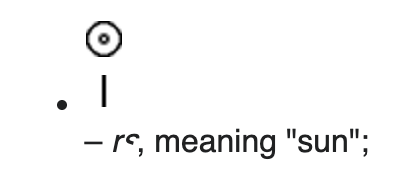
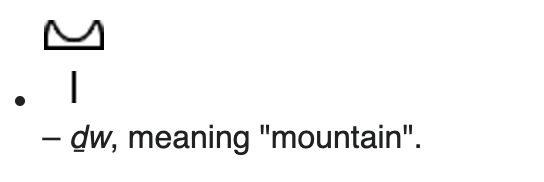
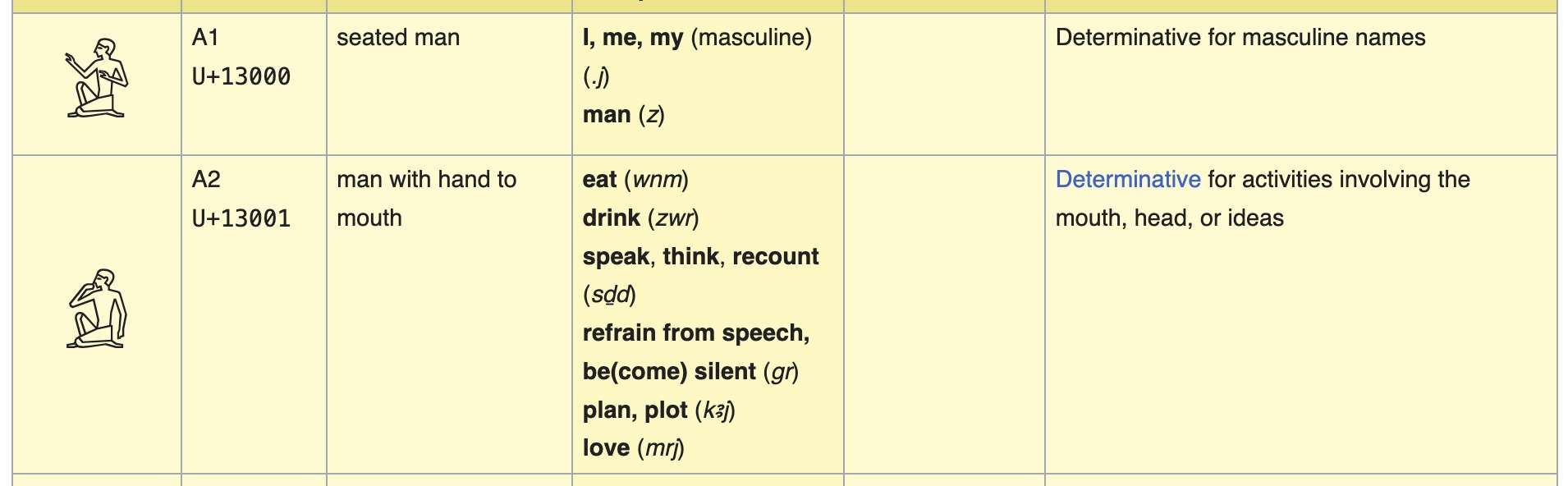
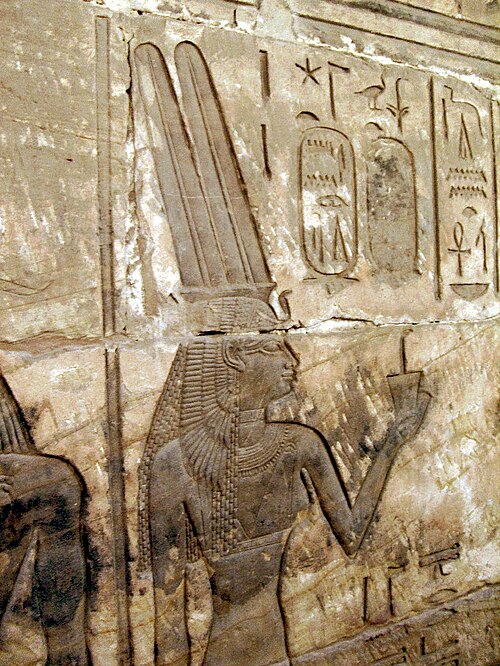
There are then 3 types of hieroglyphs, often used within the same word. The first are logograms - pictures that simply represent the thing they show. A sun disk means sun. A seated man means man. These are the most intuitive signs - and the ones your eye is probably drawn to first.
The Sarcophagus of Ankhnesneferibre — image 1
The Sarcophagus of Ankhnesneferibre — image 2
The Sarcophagus of Ankhnesneferibre — image 3
The Sarcophagus of Ankhnesneferibre — image 4
The Sarcophagus of Ankhnesneferibre — image 5
The Sarcophagus of Ankhnesneferibre — image 6
1 / 6

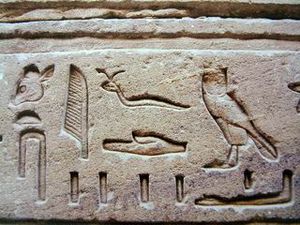
The second are phonograms - which represent sounds rather than objects. An owl stands for the sound m. A horned viper stands for f. A foot stands for b. These are the building blocks of words, and there are around 24 - close enough to an alphabet, although the Egyptians would never have thought of it that way.
The Sarcophagus of Ankhnesneferibre — image 1
The Sarcophagus of Ankhnesneferibre — image 2
The Sarcophagus of Ankhnesneferibre — image 3
The Sarcophagus of Ankhnesneferibre — image 4
The Sarcophagus of Ankhnesneferibre — image 5
The Sarcophagus of Ankhnesneferibre — image 6
The Sarcophagus of Ankhnesneferibre — image 7
The Sarcophagus of Ankhnesneferibre — image 8
The Sarcophagus of Ankhnesneferibre — image 9
The Sarcophagus of Ankhnesneferibre — image 10
The Sarcophagus of Ankhnesneferibre — image 11
The Sarcophagus of Ankhnesneferibre — image 12
The Sarcophagus of Ankhnesneferibre — image 13
The Sarcophagus of Ankhnesneferibre — image 14
The Sarcophagus of Ankhnesneferibre — image 15
The Sarcophagus of Ankhnesneferibre — image 16
The Sarcophagus of Ankhnesneferibre — image 17
The Sarcophagus of Ankhnesneferibre — image 18
The Sarcophagus of Ankhnesneferibre — image 19
The Sarcophagus of Ankhnesneferibre — image 20
The Sarcophagus of Ankhnesneferibre — image 21
The Sarcophagus of Ankhnesneferibre — image 22
1 / 22

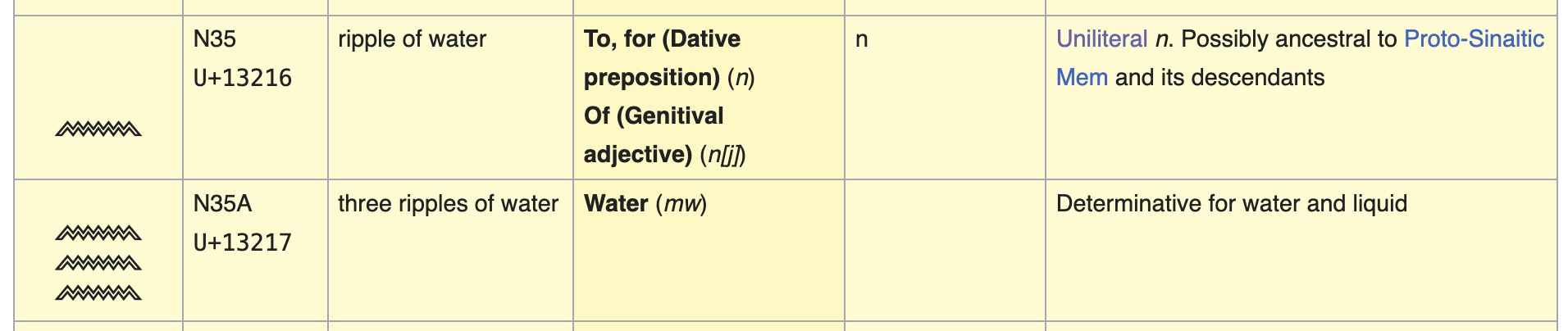
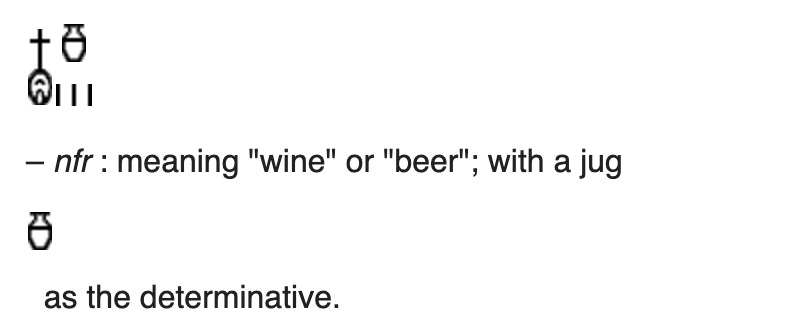
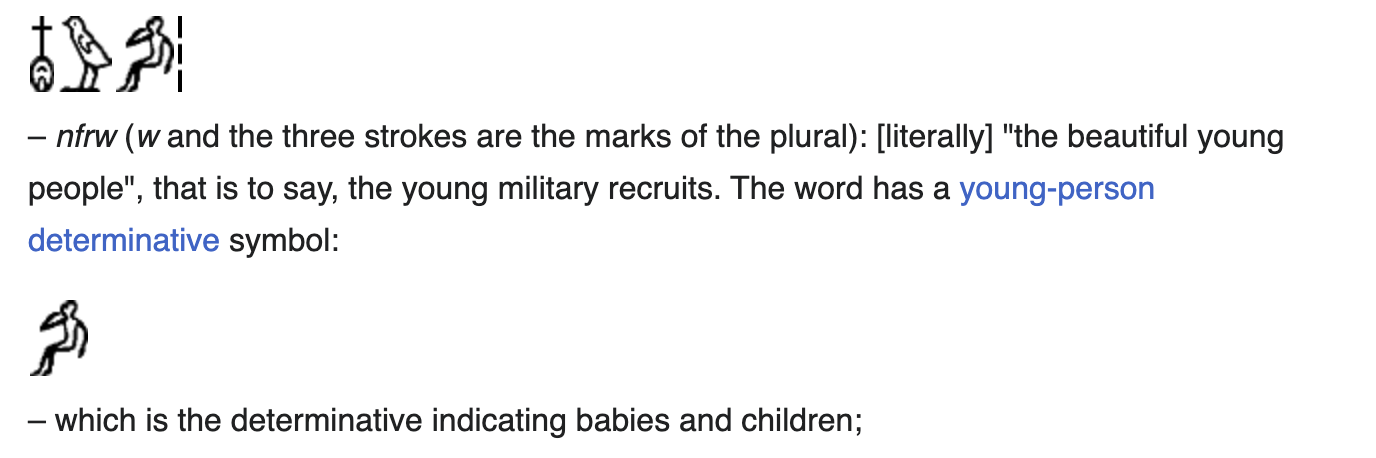
The third are determinatives - silent signs placed at the end of a word. These carry no sound at all, but tell you what category the word belongs to. A small figure of a walking man at the end of a word signals movement or action. A papyrus scroll signals abstract ideas or writing. You don't pronounce them - but just use them to understand.

The Sarcophagus of Ankhnesneferibre — image 1
The Sarcophagus of Ankhnesneferibre — image 2
The Sarcophagus of Ankhnesneferibre — image 3
The Sarcophagus of Ankhnesneferibre — image 4
The Sarcophagus of Ankhnesneferibre — image 5
The Sarcophagus of Ankhnesneferibre — image 6
The Sarcophagus of Ankhnesneferibre — image 7
The Sarcophagus of Ankhnesneferibre — image 8
The Sarcophagus of Ankhnesneferibre — image 9
The Sarcophagus of Ankhnesneferibre — image 10
The Sarcophagus of Ankhnesneferibre — image 11
The Sarcophagus of Ankhnesneferibre — image 12
The Sarcophagus of Ankhnesneferibre — image 13
The Sarcophagus of Ankhnesneferibre — image 14
The Sarcophagus of Ankhnesneferibre — image 15
The Sarcophagus of Ankhnesneferibre — image 16
The Sarcophagus of Ankhnesneferibre — image 17
1 / 17

The texts on this sarcophagus are drawn from the ancient Pyramid Texts - some of the oldest religious writing in human history, originally carved inside royal pyramids around 2400 BC. Their purpose was to reanimate the body after death, guide the soul's ascent to the heavens and protect the deceased. They include resurrection spells, hymns to the gods, protective incantations against demons and serpents - and some of extraordinary poetry. One spell instructs the dead to rise: 'Gather your limbs, shake the earth from your flesh. Take your bread that rots not, your beer that sours not'. Another describes the soul's flight: 'He that flieth, flieth. He rusheth at the sky as a heron. He hath kissed the sky as a hawk'.

The Sarcophagus of Ankhnesneferibre — image 1
The Sarcophagus of Ankhnesneferibre — image 2
1 / 2

Fun fact : some logograms or determinatives can be quite amusing to dicepher. Such as the 'falling man with blood streaming from his head' (= to die or enemy) ; 'man falling (= trap)' ; man in vessel (= brewer) or 'man on two giraffes' (= town of Cusae)

The Sarcophagus of Ankhnesneferibre — image 1