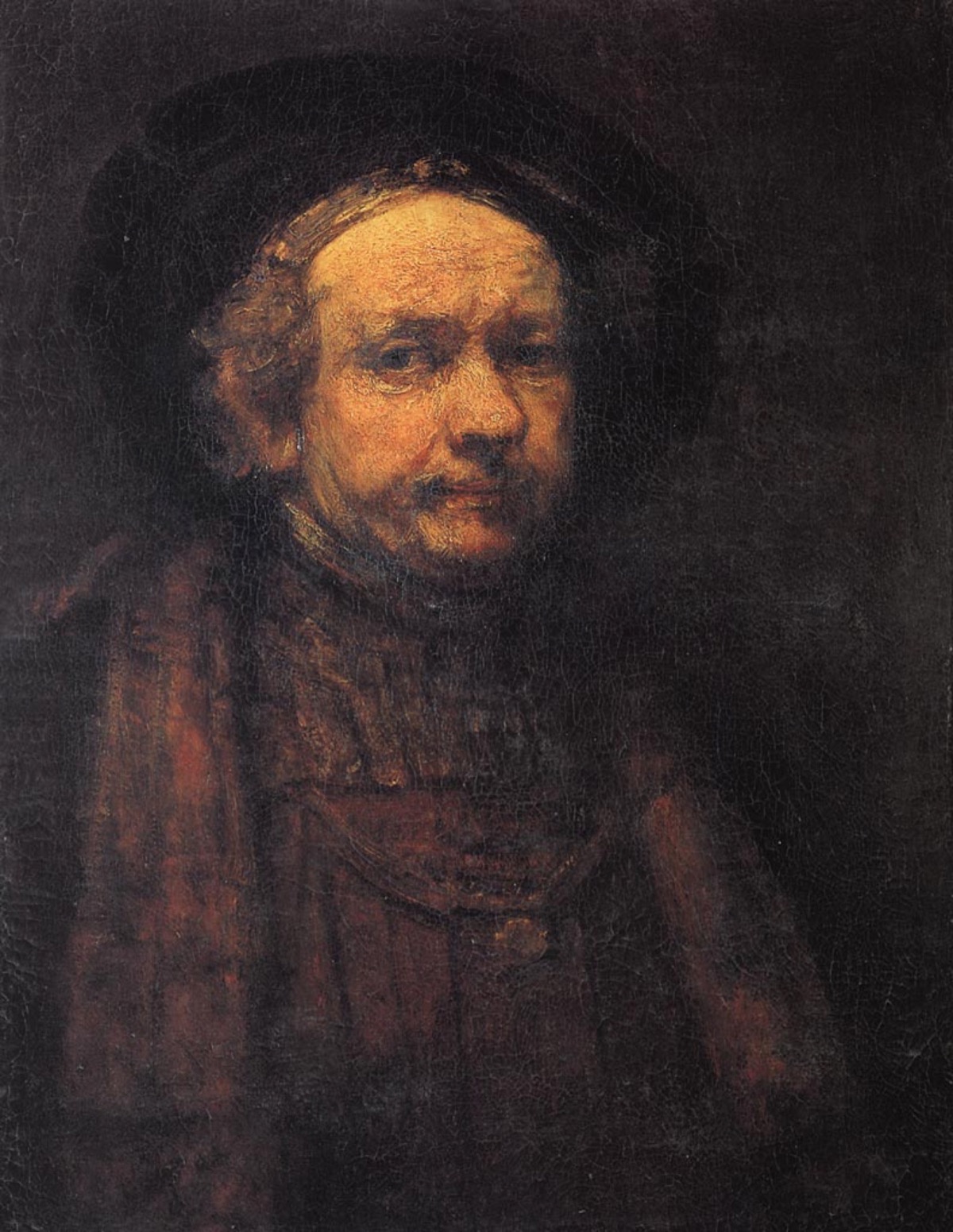


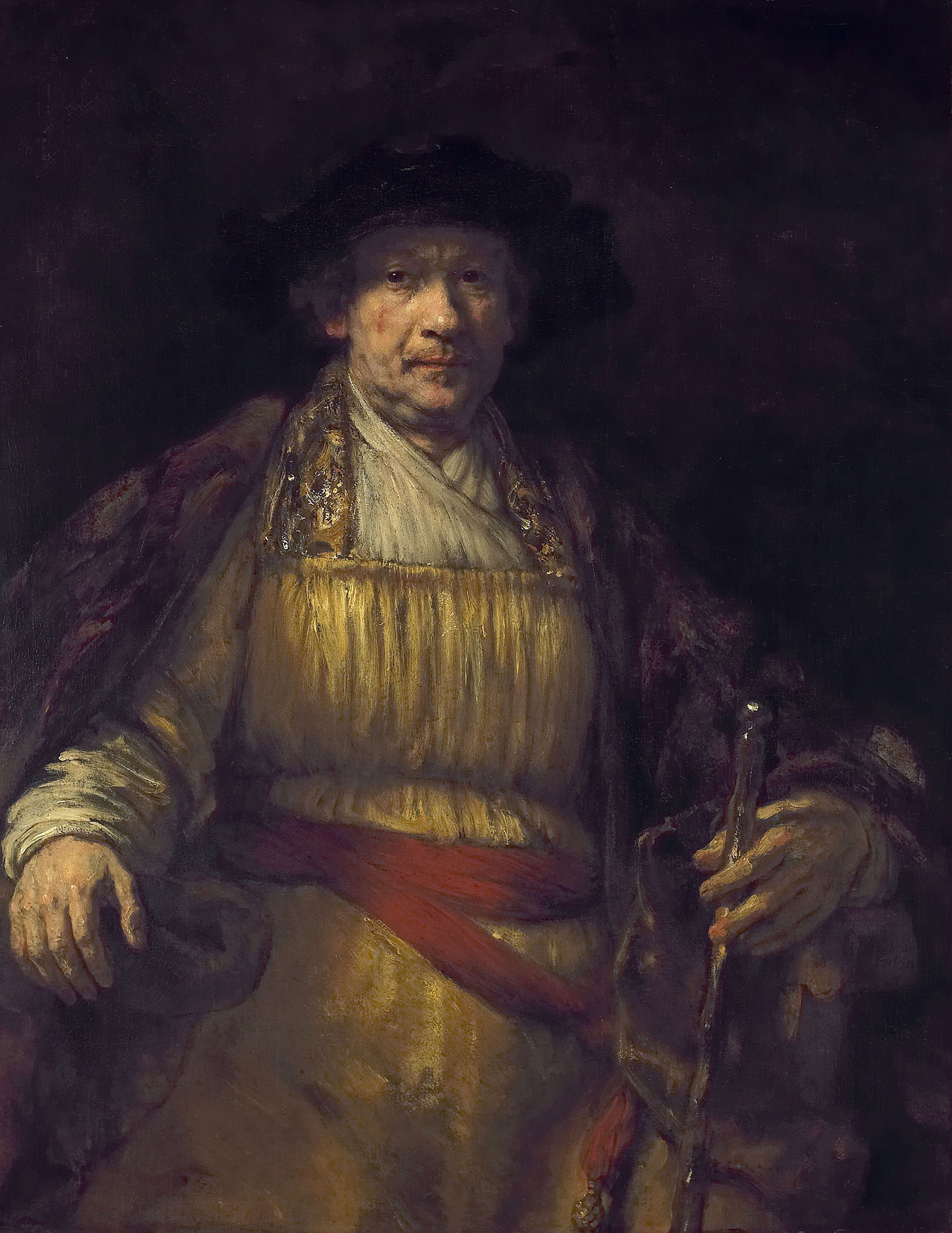
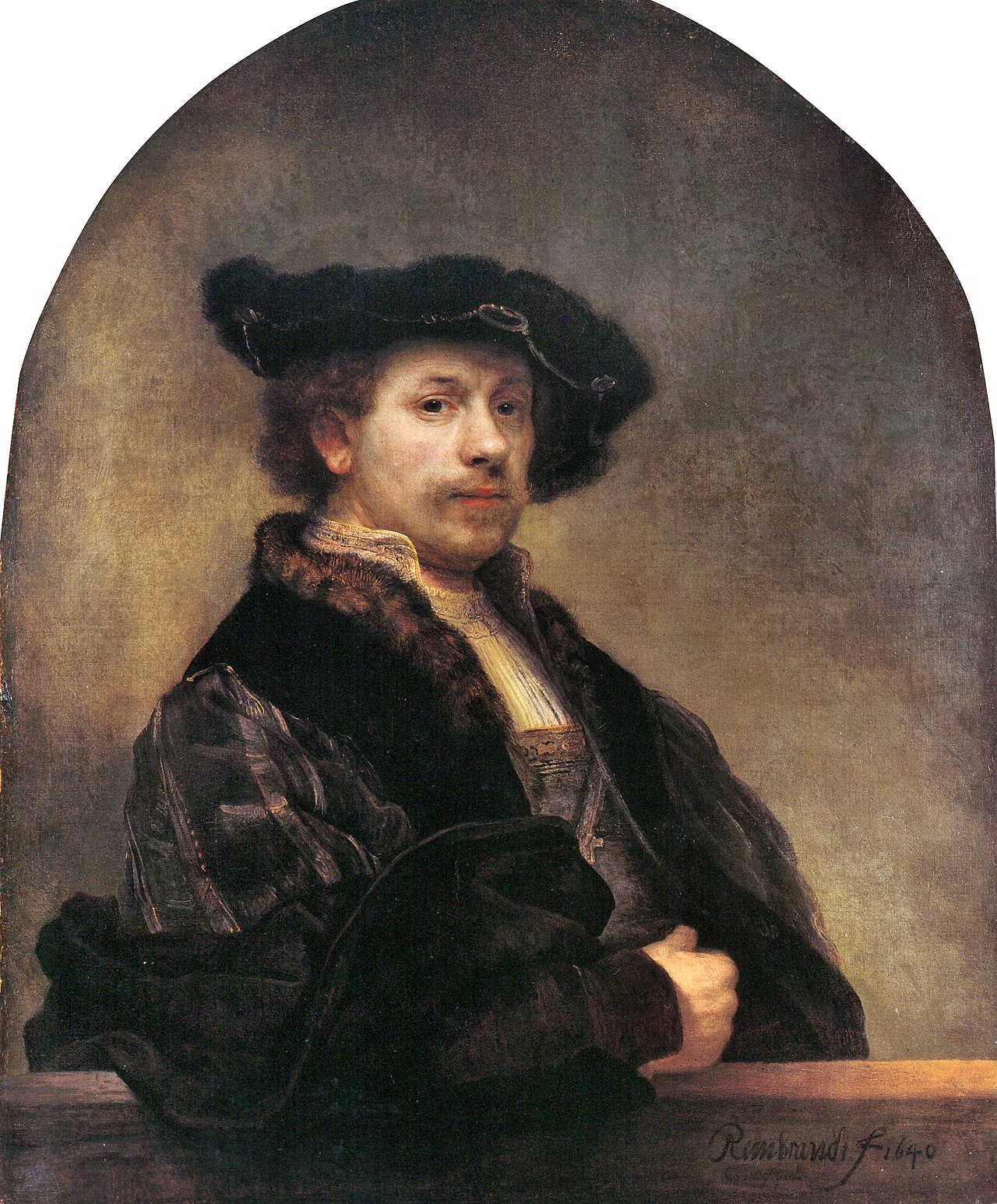
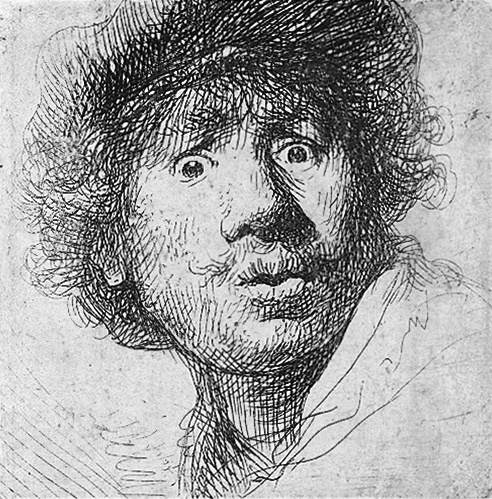
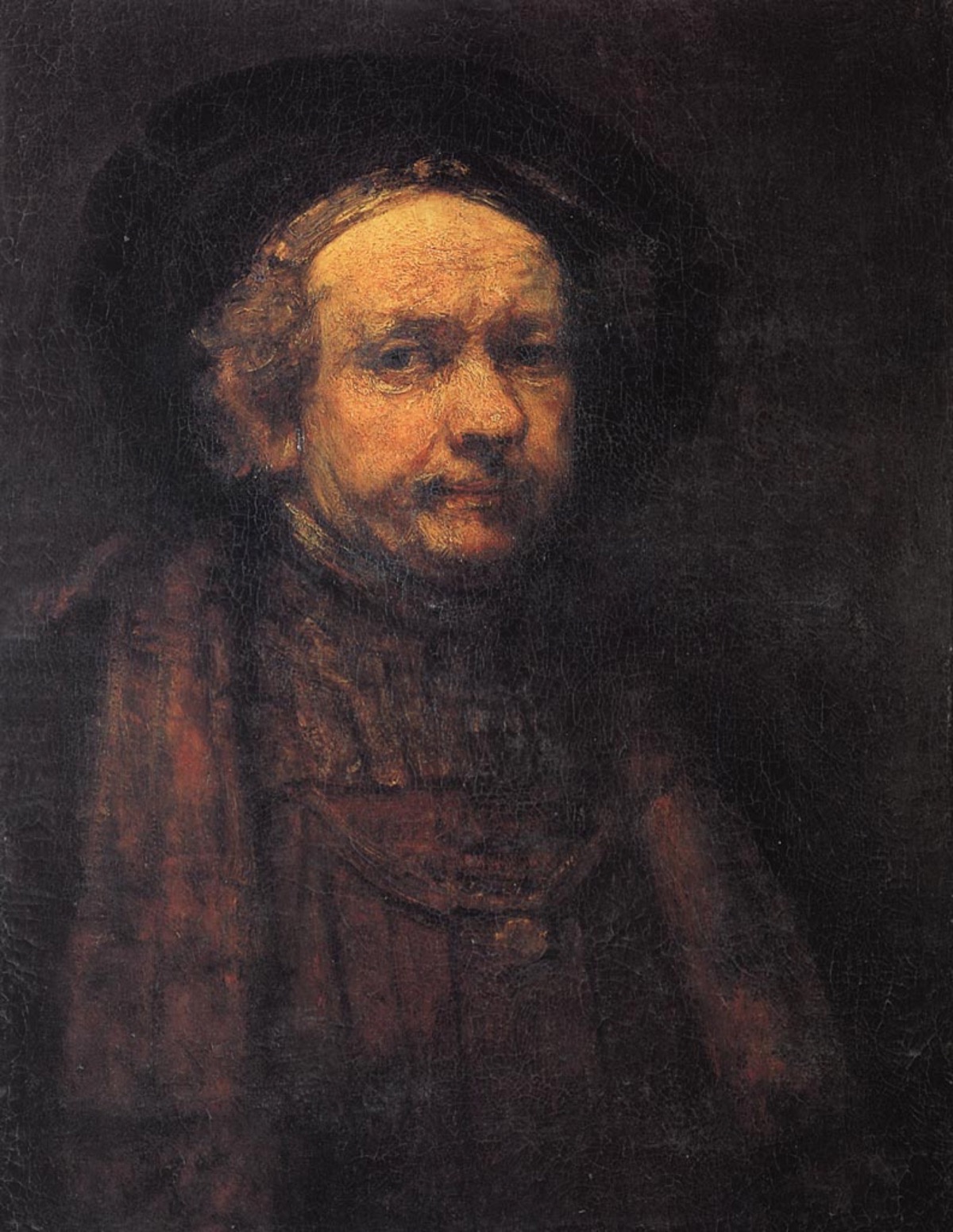
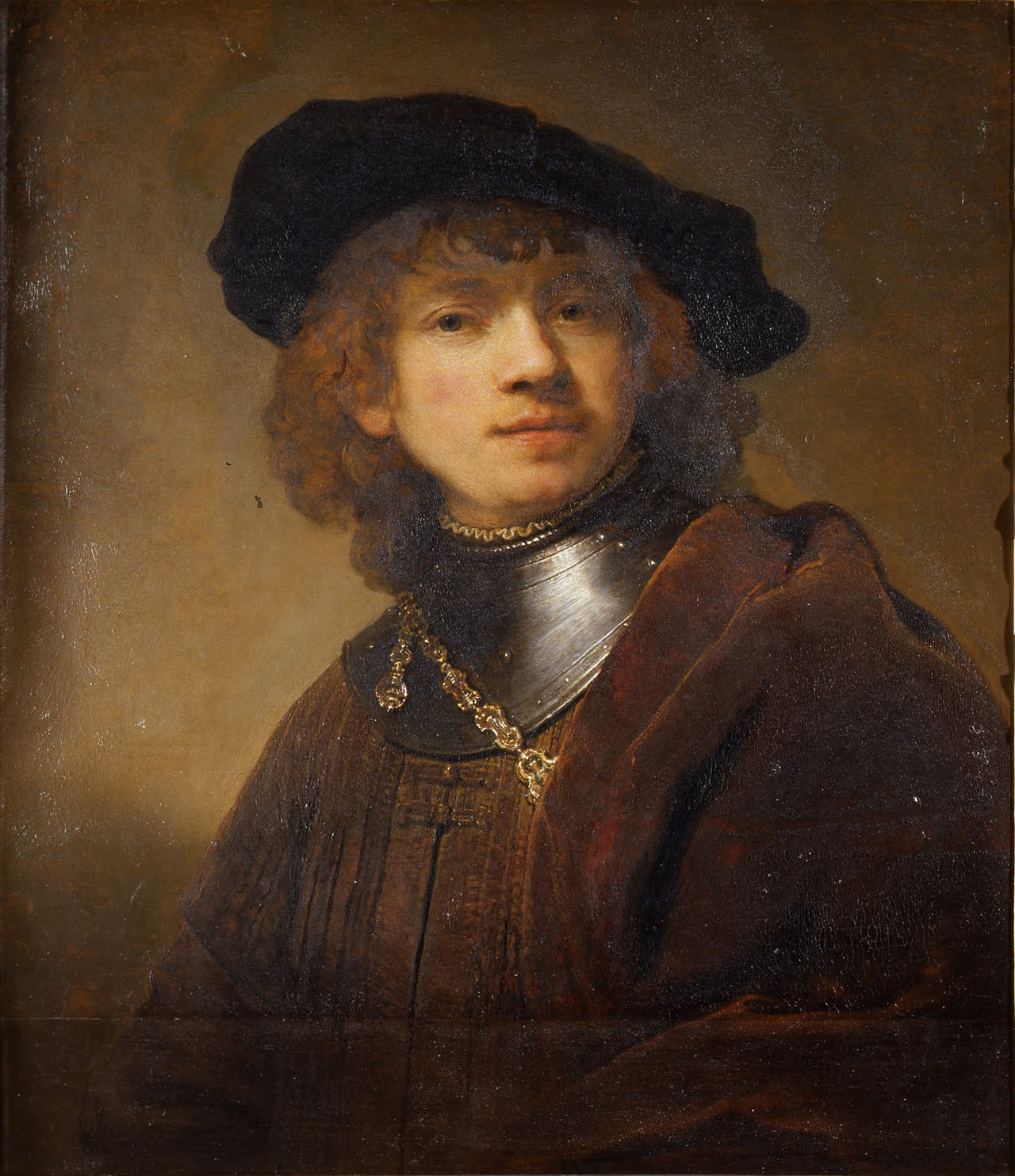
Rembrandt painted dozens of self-portraits across his career, tracking his own face from confident young master to bankrupt old man.
This one was made about three years before his death in 1669.
He doesn't flatter himself.
The face is tired and heavy.
The paint is applied in thick, direct strokes.
There is no vanity in it at all.
Rembrandt spent his whole life in the Netherlands.
But the Medici collected Northern European paintings alongside Italian ones, and the Uffizi holds this self-portrait as part of a vast collection of artists' self-portraits that the Medici began assembling in the 16th century - over 1,700 in total, added to by the museum ever since.
Fun fact: the Uffizi has continued this tradition of commissioning self-portraits from living artists - including, in 1974, Andy Warhol.

From here, head down to the first floor for the Titian.

Comments
Loading comments...